


Microbiology & Virology

Furthermore, small molecules enable selective modulation of the microbiome, balancing interactions between beneficial and pathogenic microorganisms. Coupled with advances in high-throughput screening technologies, they continue to overcome limitations related to target specificity and drug resistance, thereby serving as a crucial bridge between basic research and clinical anti-infective practice. Collectively, small-molecule compounds offer diversified solutions to global public health challenges.
-
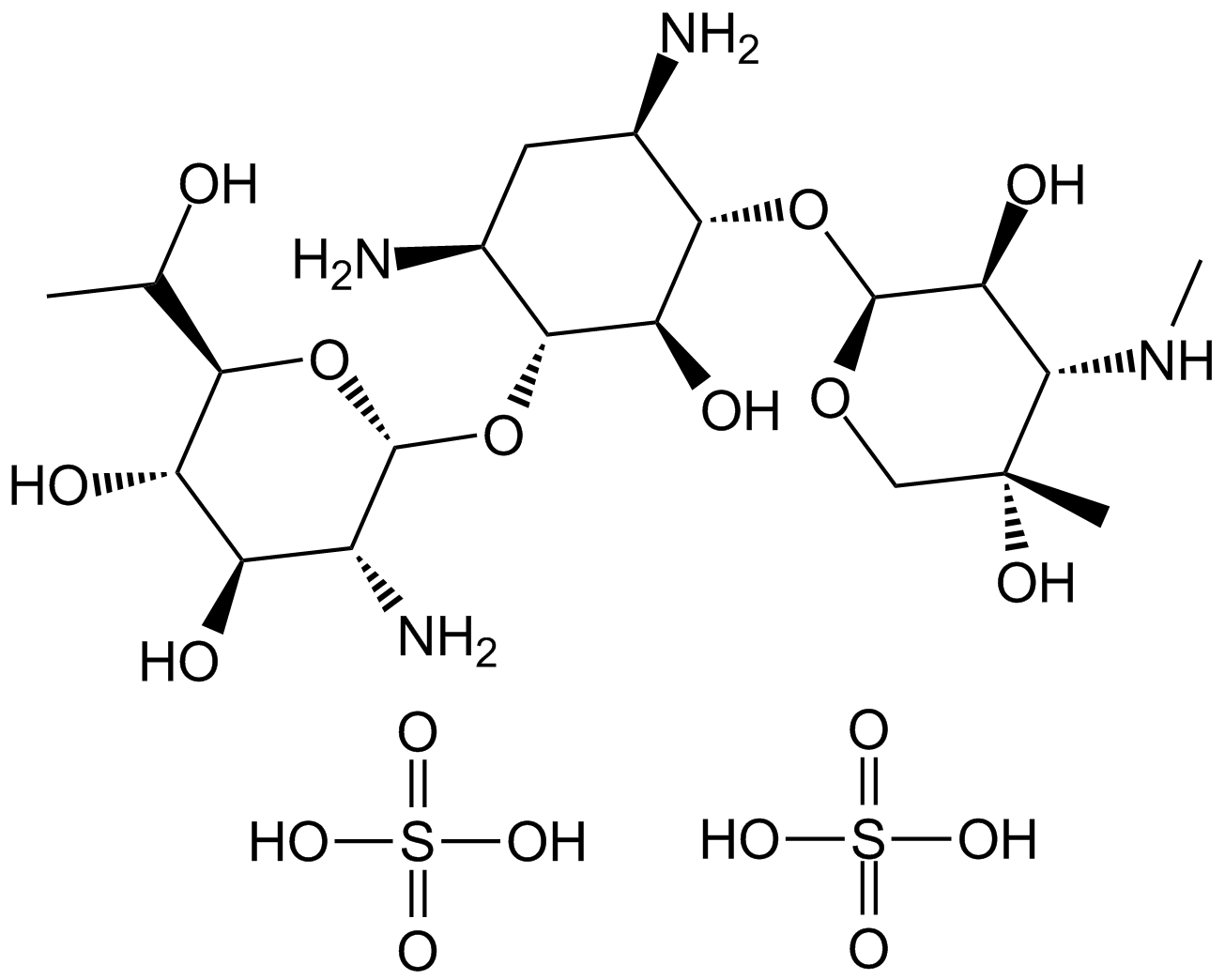 A2513 G418 Sulfate (Geneticin, G-418)8 CitationTarget: RibosomesSummary: Geneticin, G-418 Sulfate
 -
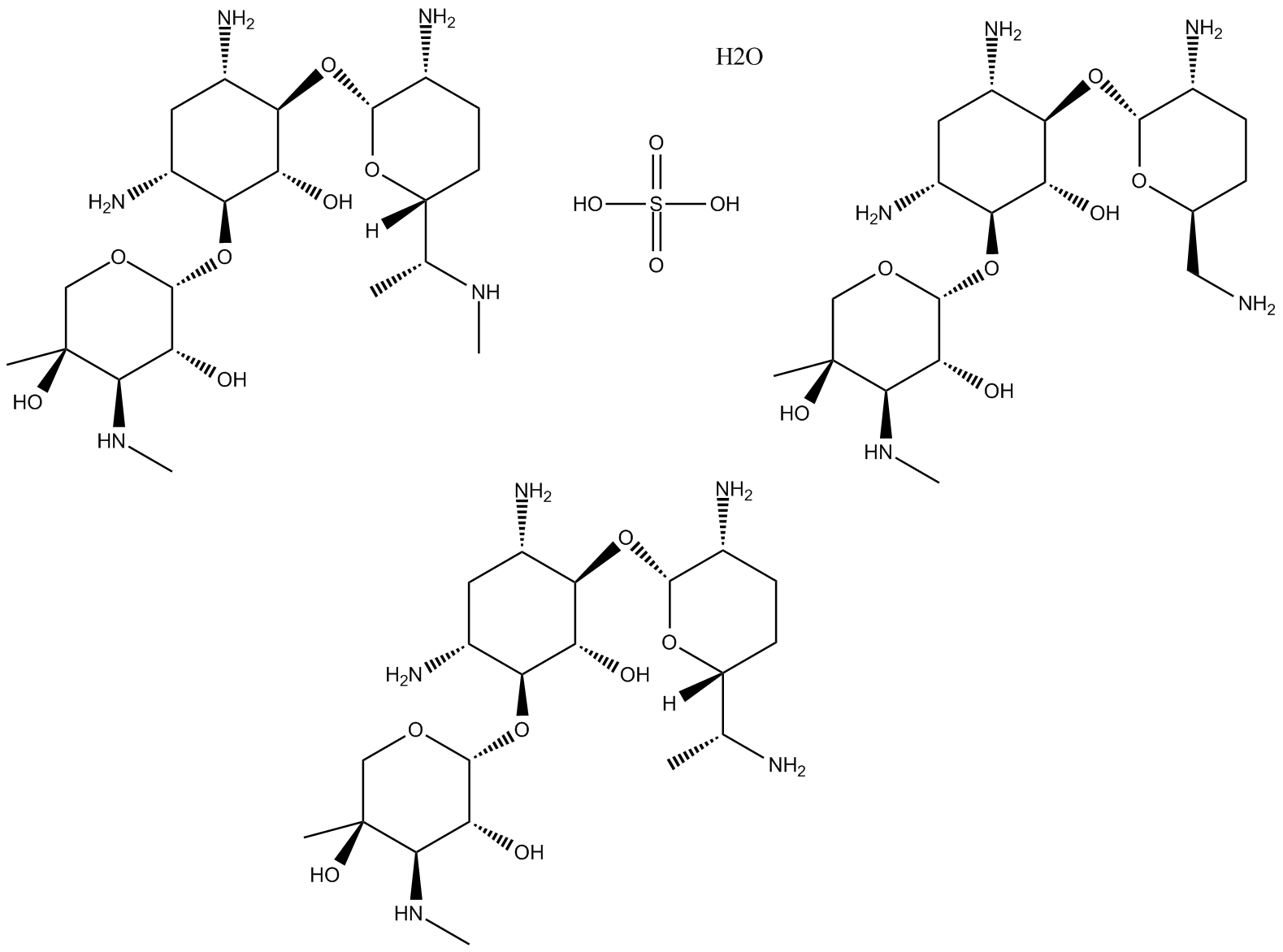 A2514 Gentamycin Sulfate1 CitationSummary: Aminoglycoside antibiotic
 -
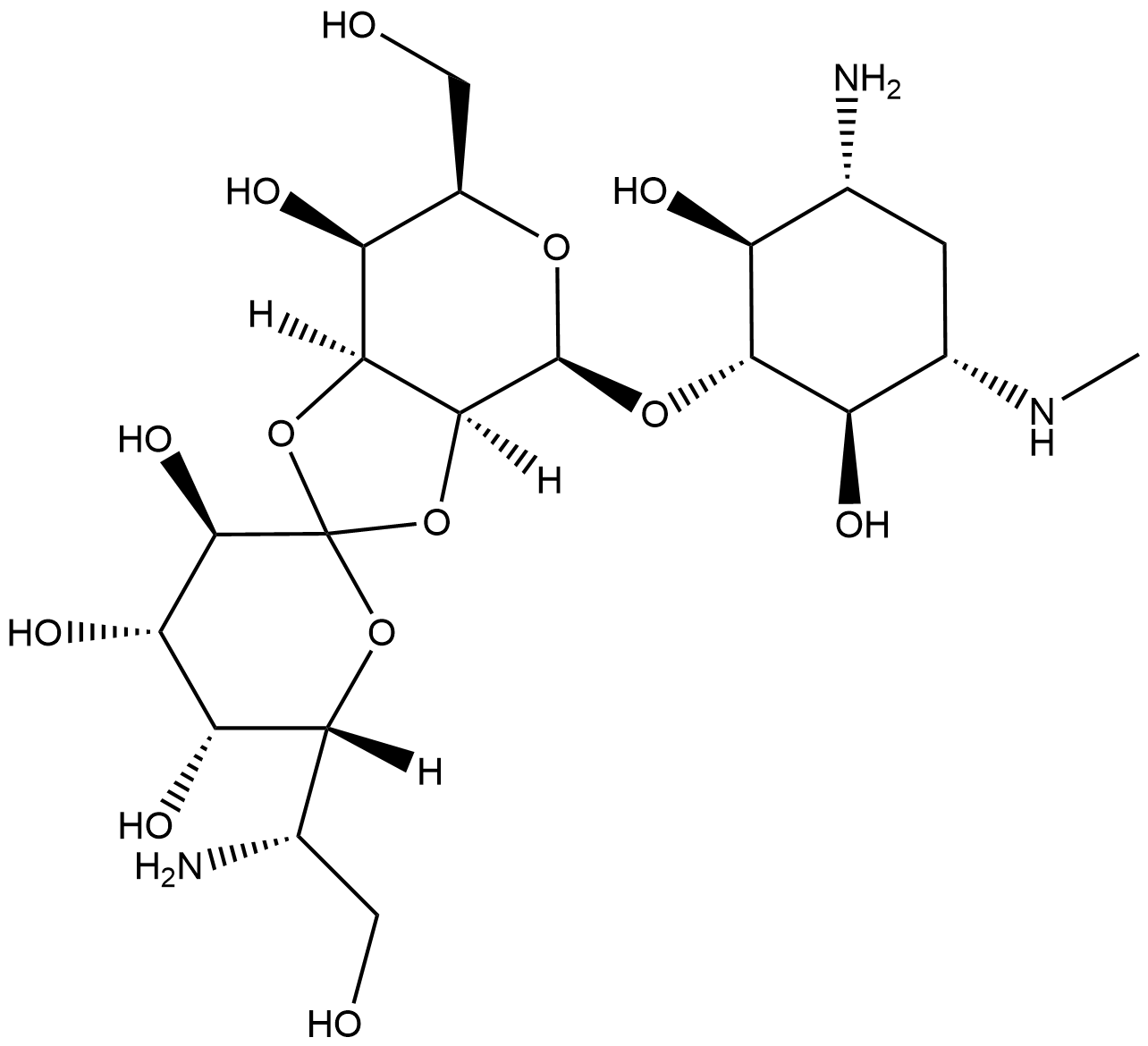 A2515 Hygromycin BSummary: Hygromycin B
 -
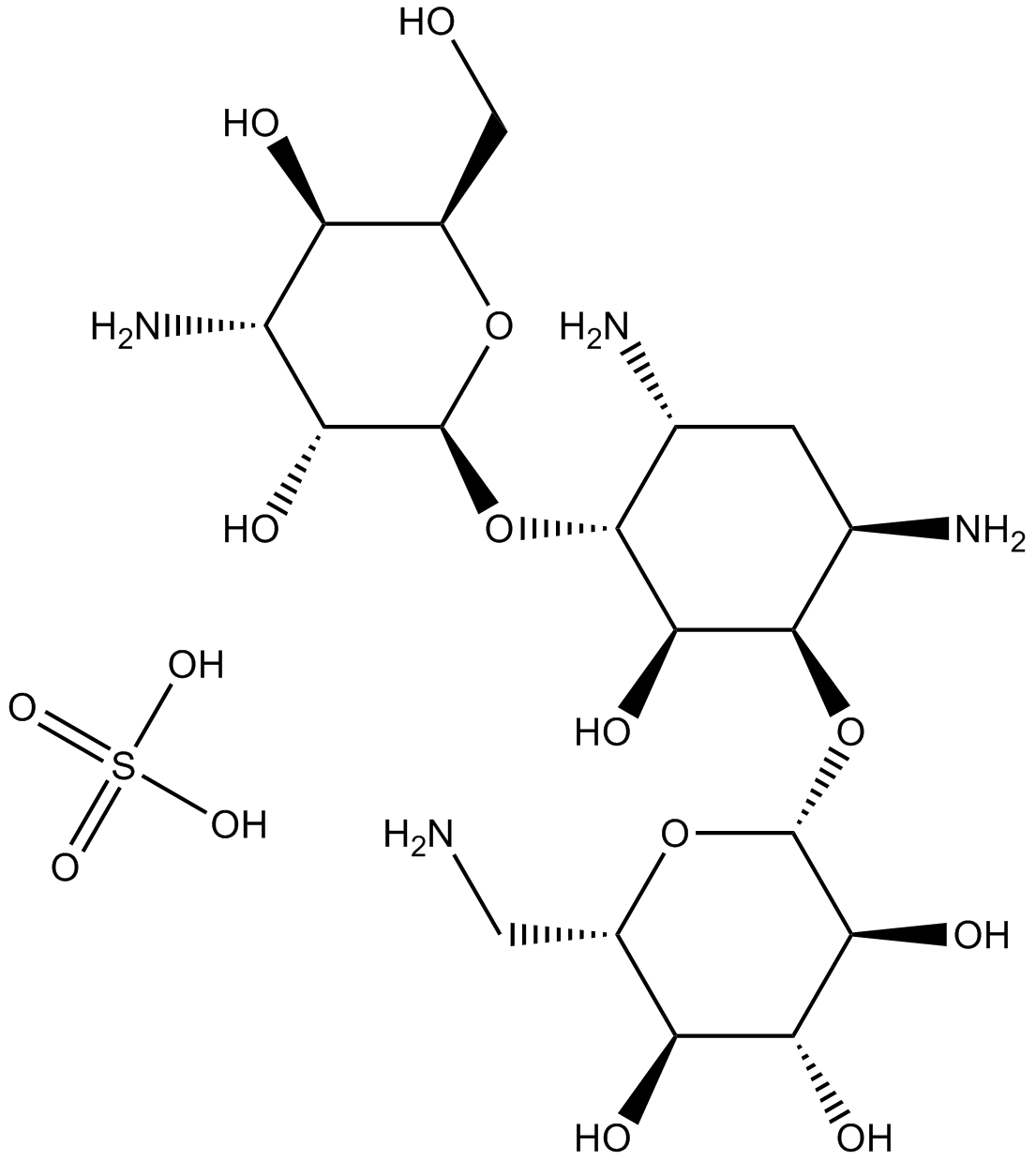 A2516 Kanamycin Sulfate2 CitationSummary: Water-soluble antibiotic
 -
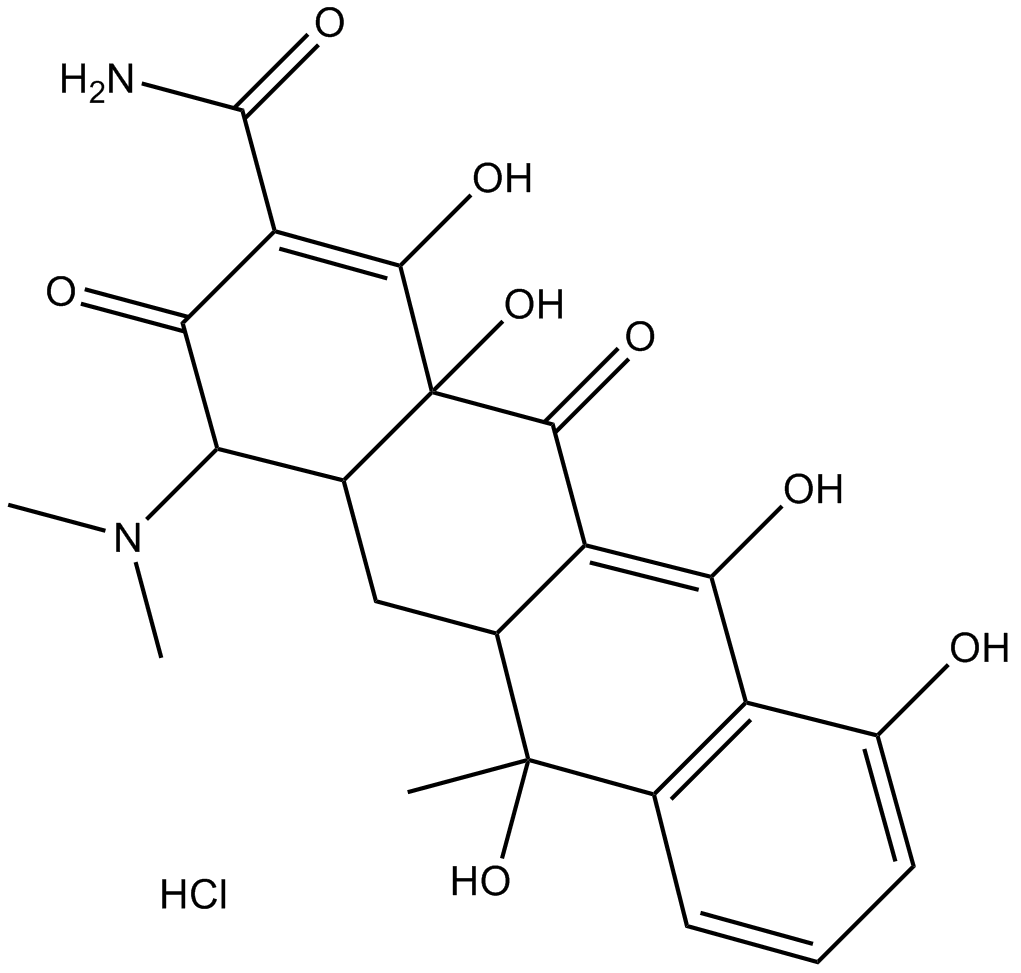 A2517 Tetracycline Hydrochloride2 CitationSummary: Bacteriostatic antibiotics
 -
 A1075 Influenza A virus fragmentSummary: Leu-Lys-Phe-Ala-Phe-Ser-Met-Met
 -
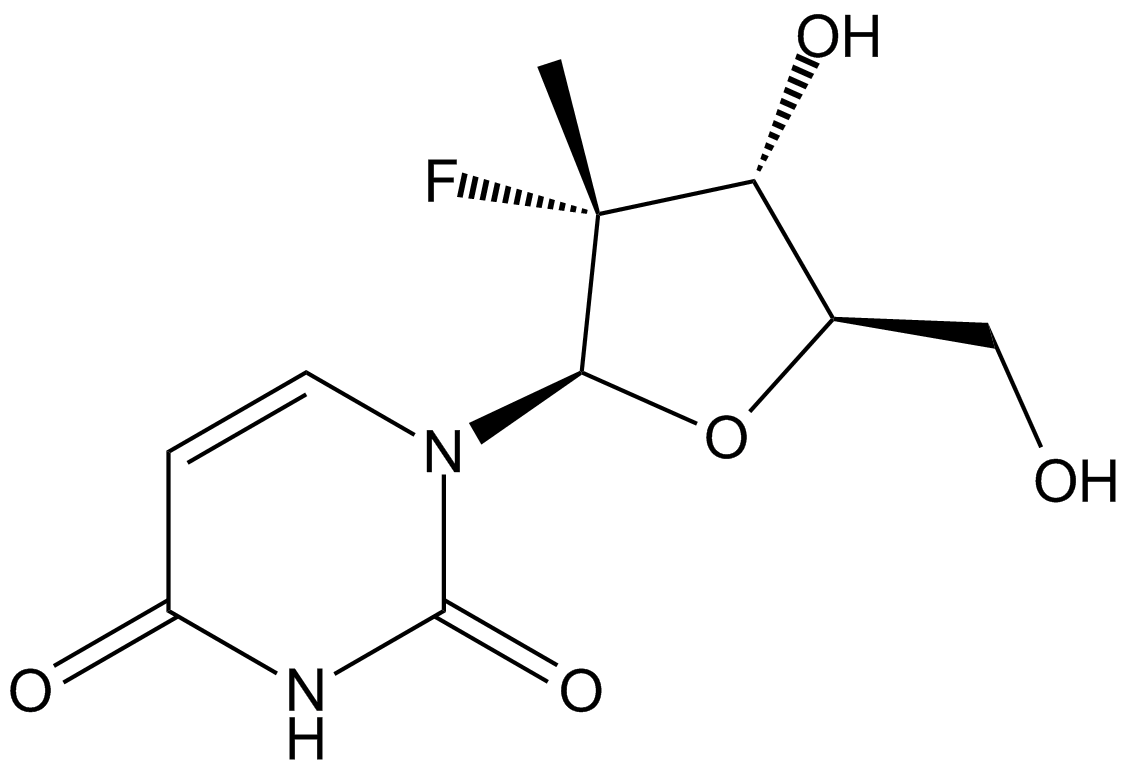 A8189 PSI-62063 CitationTarget: HCV polymeraseSummary: Inhibitor of HCV RNA polymerase,potent and selective
 -
![surface antigen (208-215) [Hepatitis B Virus]](https://www.apexbt.com/media/prod_images/a/1/a1091.png) A1091 surface antigen (208-215) [Hepatitis B Virus]Summary: Surface antigen used for signs of infection
A1091 surface antigen (208-215) [Hepatitis B Virus]Summary: Surface antigen used for signs of infection -
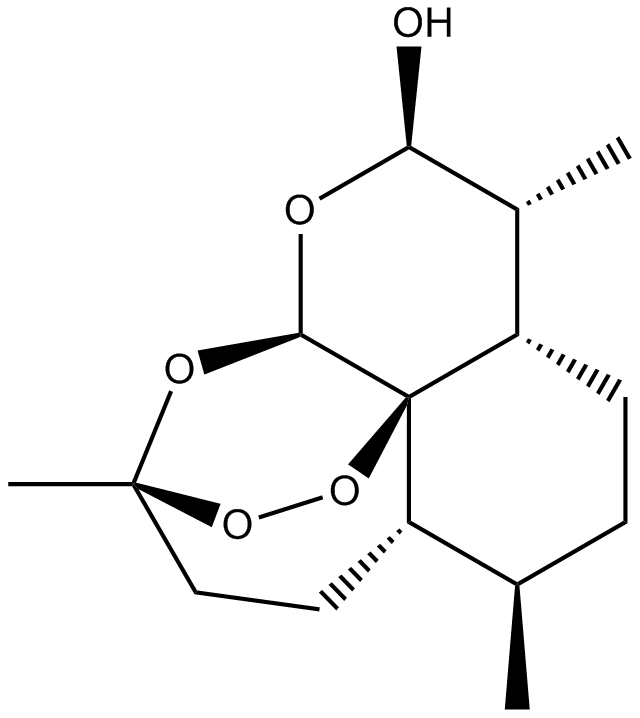 N1713 Dihydroartemisinin2 Citation
 -
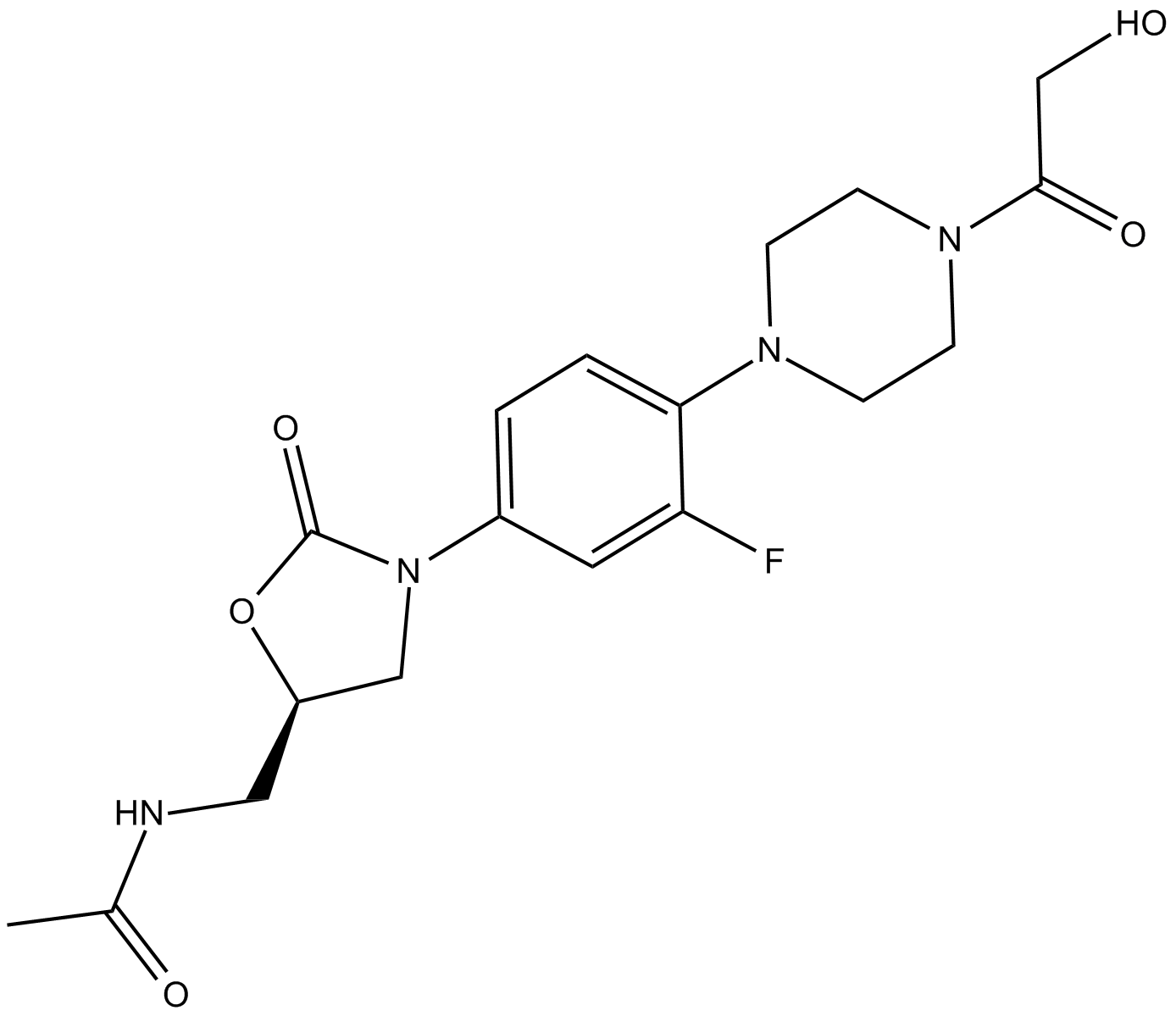 B3390 EperezolidSummary: Oxazolidinone antibacterial agent