


Microbiology & Virology
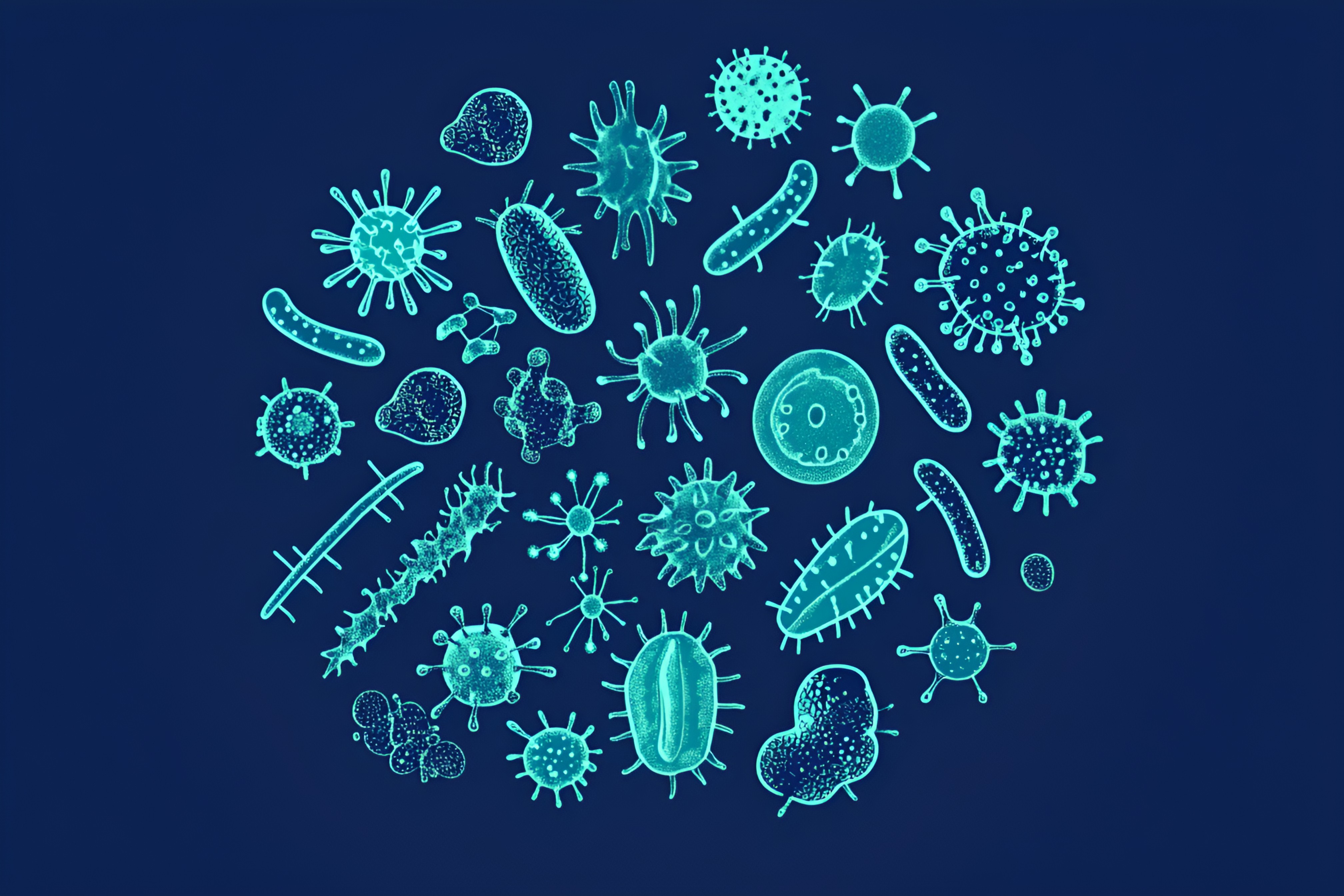
Furthermore, small molecules enable selective modulation of the microbiome, balancing interactions between beneficial and pathogenic microorganisms. Coupled with advances in high-throughput screening technologies, they continue to overcome limitations related to target specificity and drug resistance, thereby serving as a crucial bridge between basic research and clinical anti-infective practice. Collectively, small-molecule compounds offer diversified solutions to global public health challenges.
-
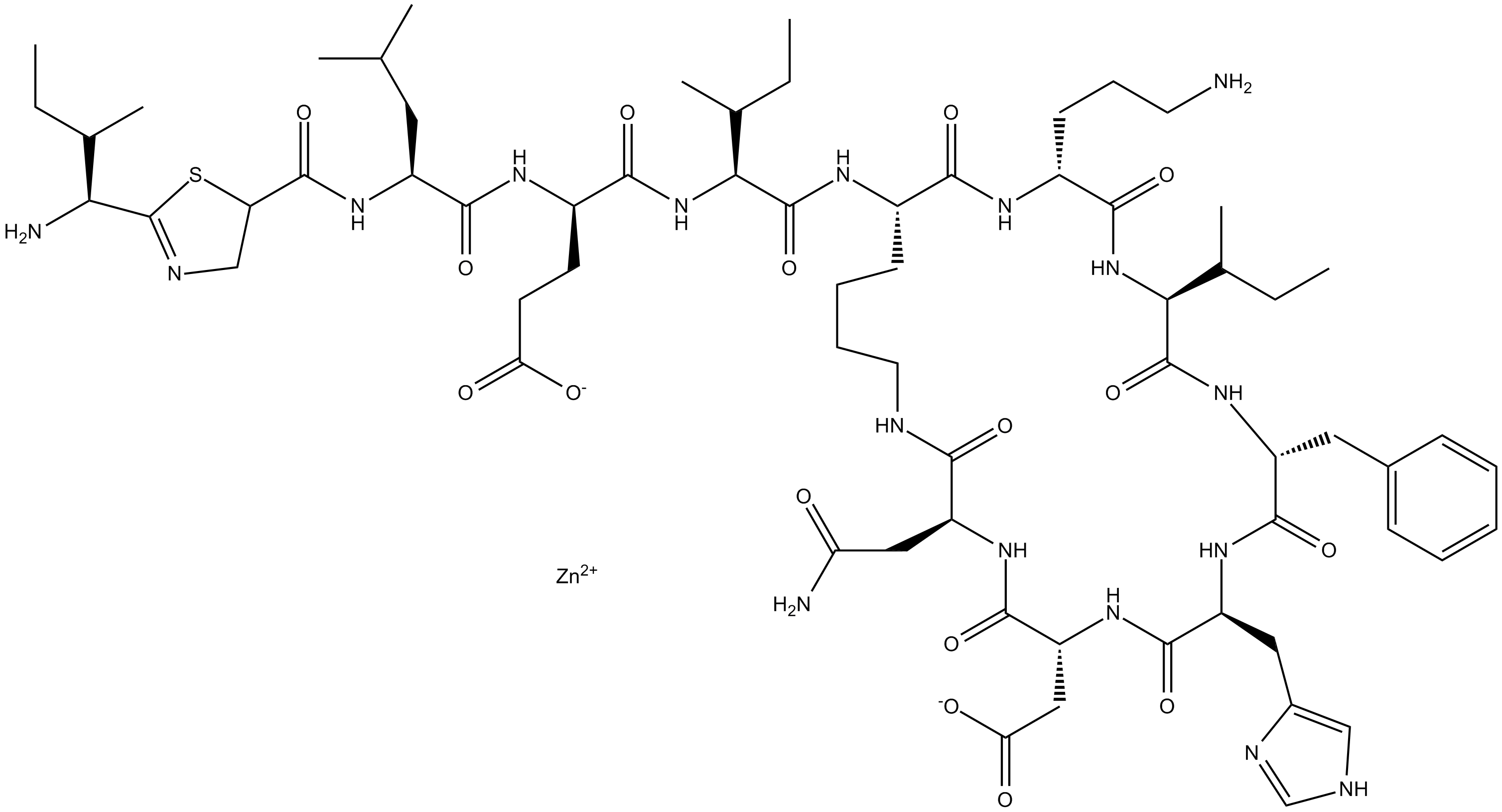 B1671 Bacitracin ZincSummary: Peptide antibiotic
 -
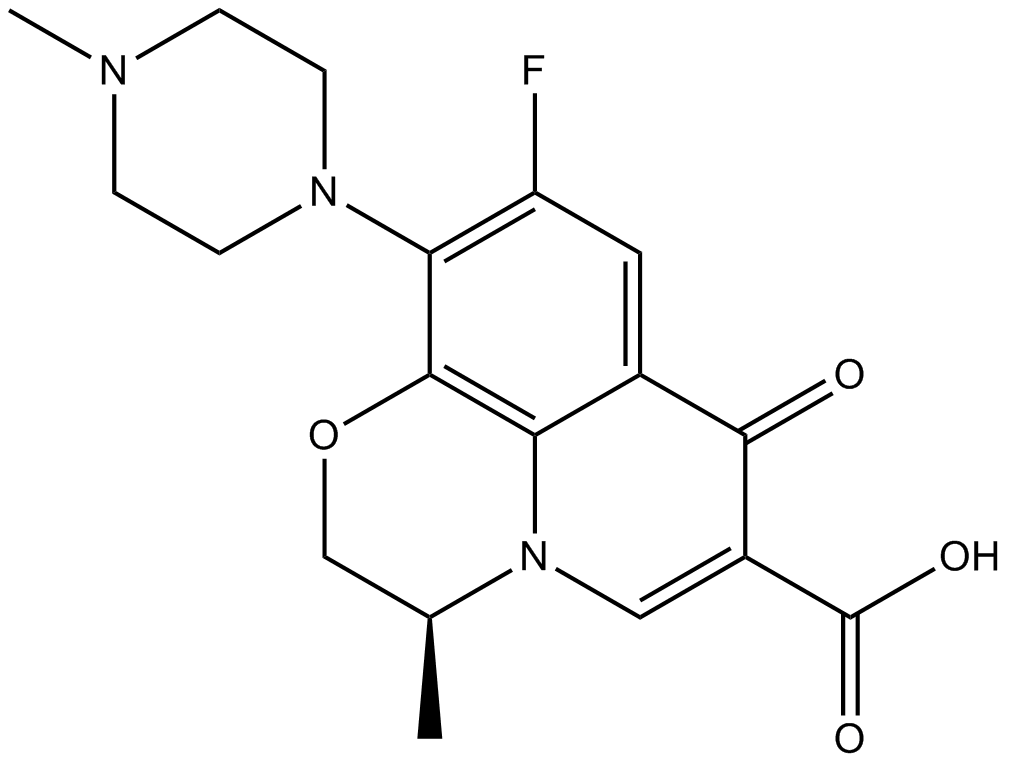 B1959 Levofloxacin1 CitationSummary: synthetic fluoroquinolone antibiotic
 -
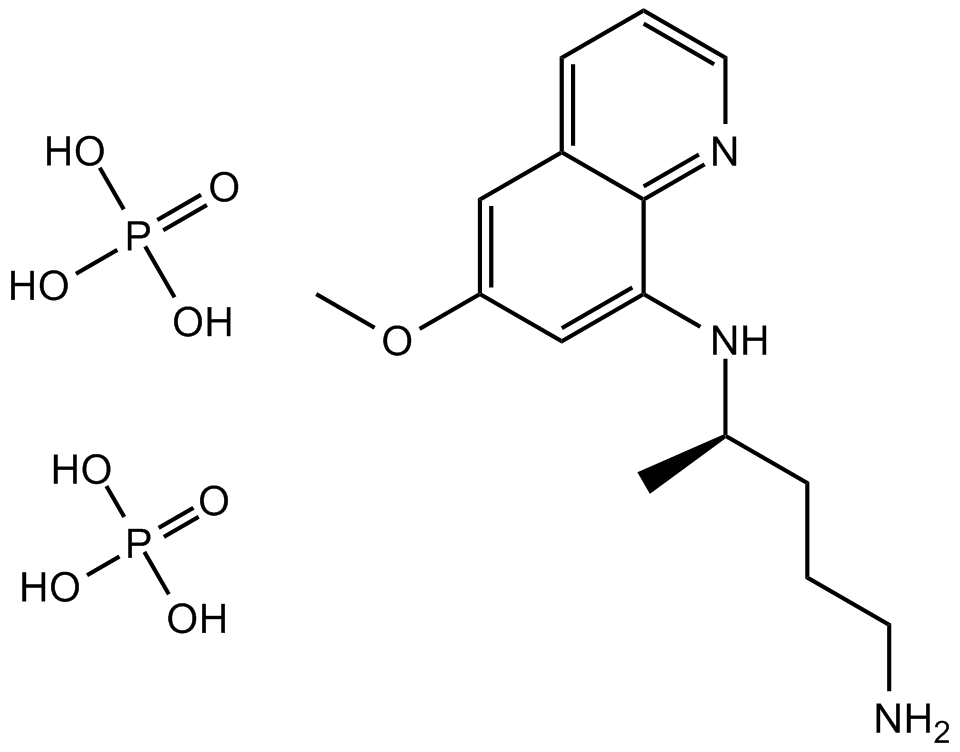 B1820 Primaquine DiphosphateSummary: antimalarial agent,blocks protein synthesis
 -
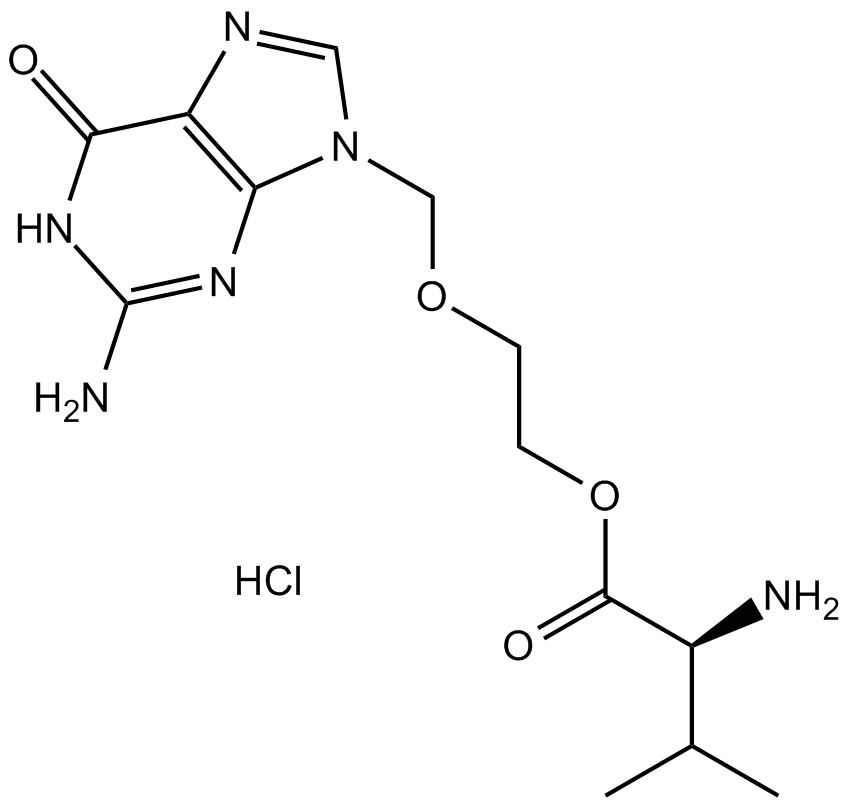 B2061 Valaciclovir HClSummary: antiviral drug for herpes viruses
 -
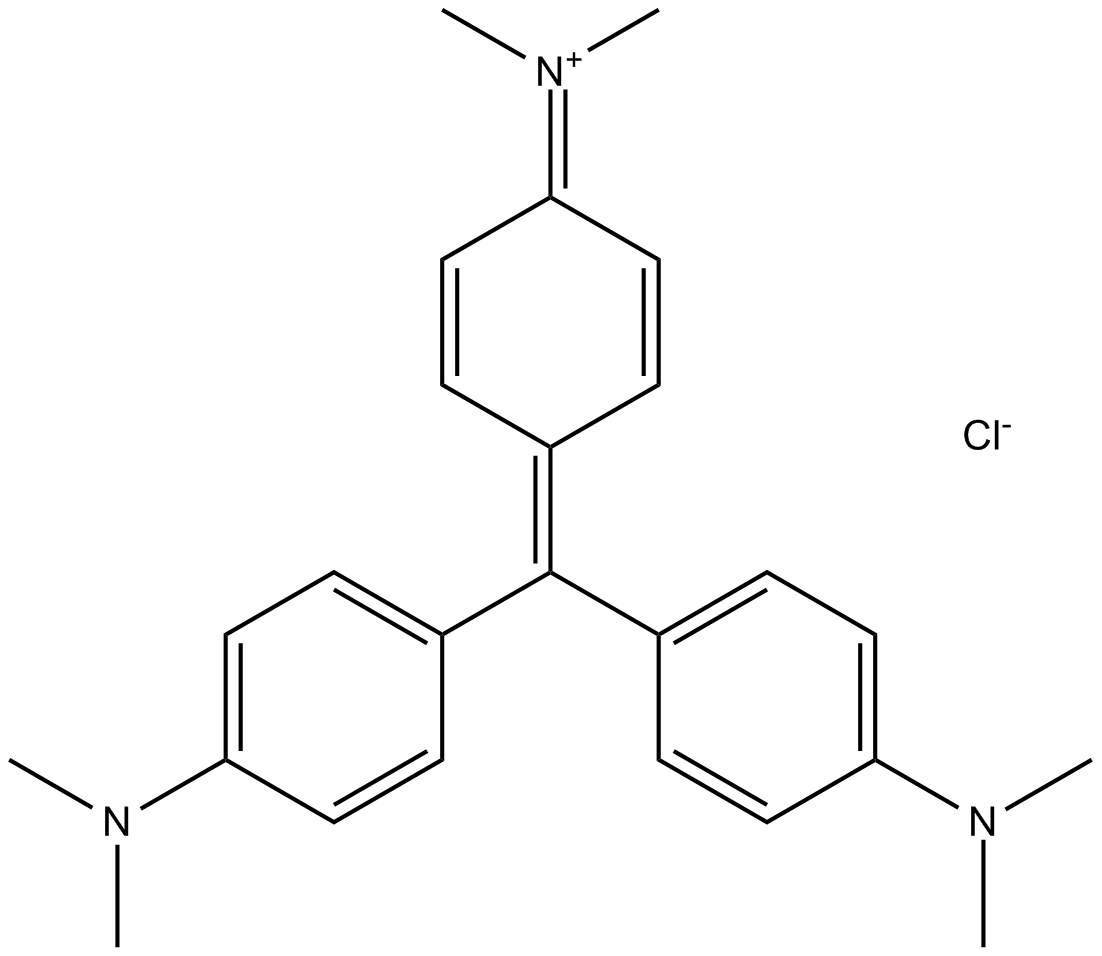 B1920 Crystal Violet1 CitationSummary: A classic basic dye, most commonly used for bacterial Gram staining to differentiate Gram-negative and Gram-positive bacteria.
 -
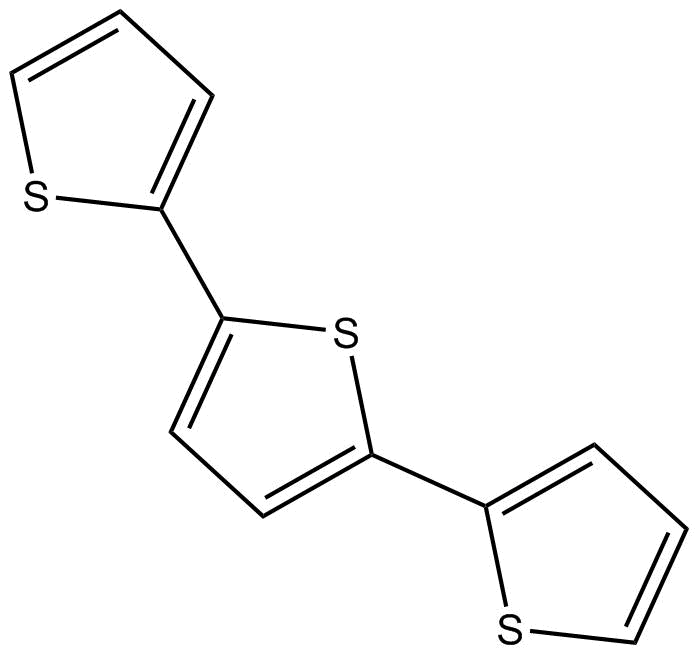 C6636 2,2':5',2''-TerthiopheneSummary: An oligothiophene compound for organic semiconductor materials and bioactivity research.
 -
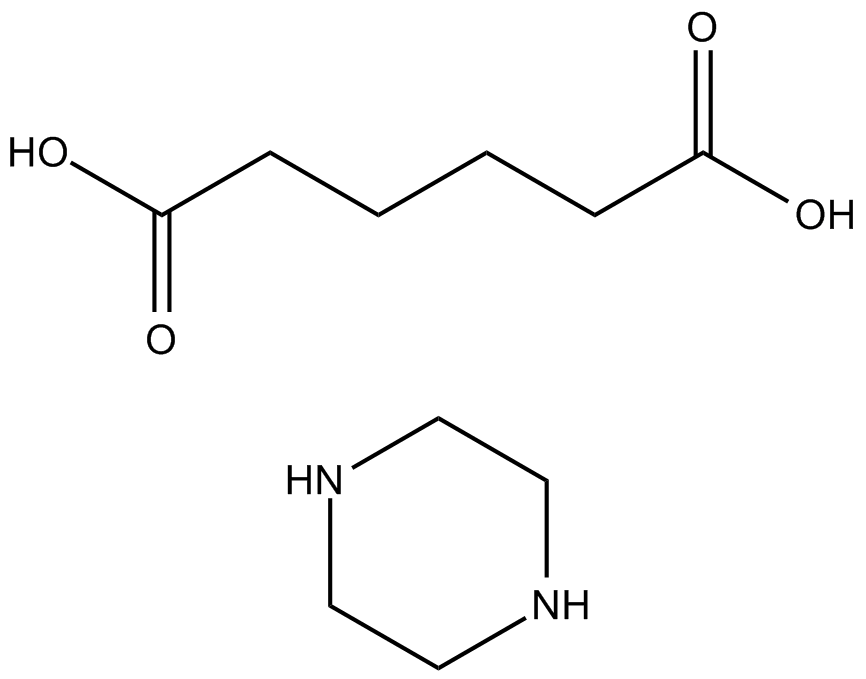 C6772 Piperazine adipateSummary: Broad-spectrum anthelmintic for research on parasite pharmacology and drug mechanisms.
 -
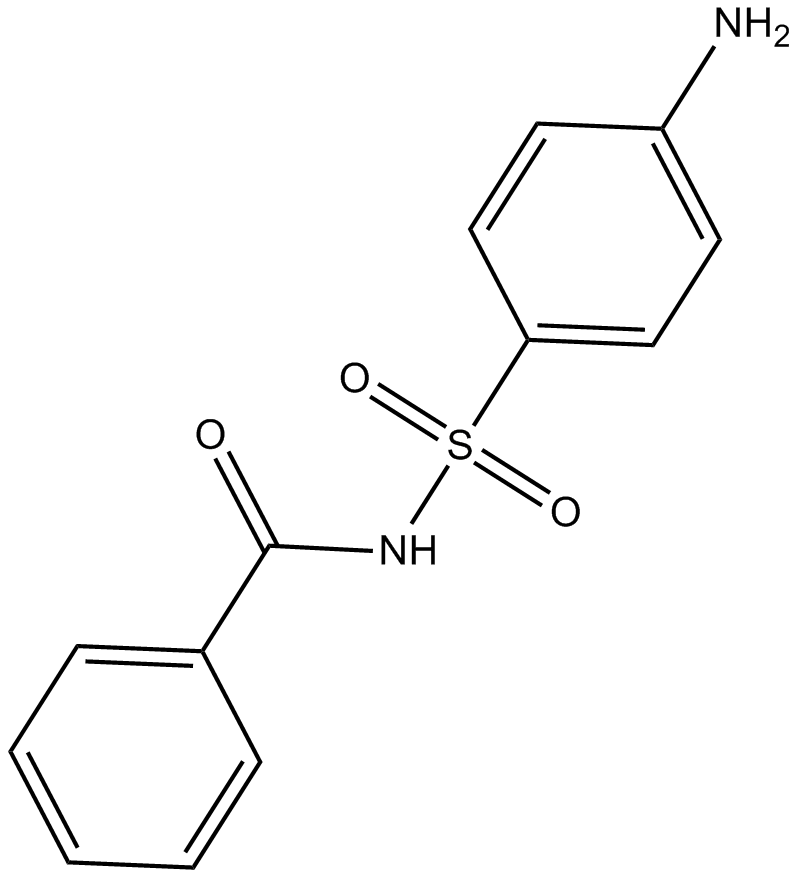 C6949 SulfabenzamideSummary: An antibacterial agent for localized vaginal antibacterial use, effective against Gram-positive and Gram-negative bacteria.
 -
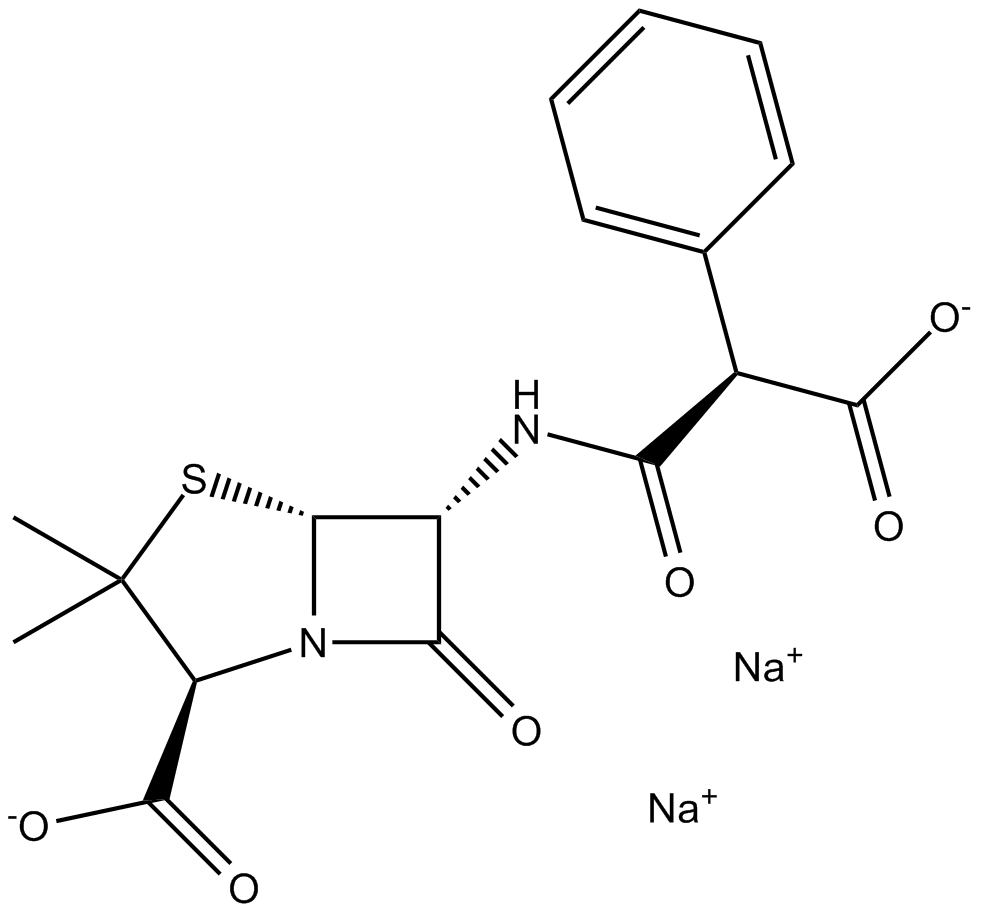 A2511 Carbenicillin, Disodium SaltSummary: Inhibits the cell-wall synthesis,antibiotic
 -
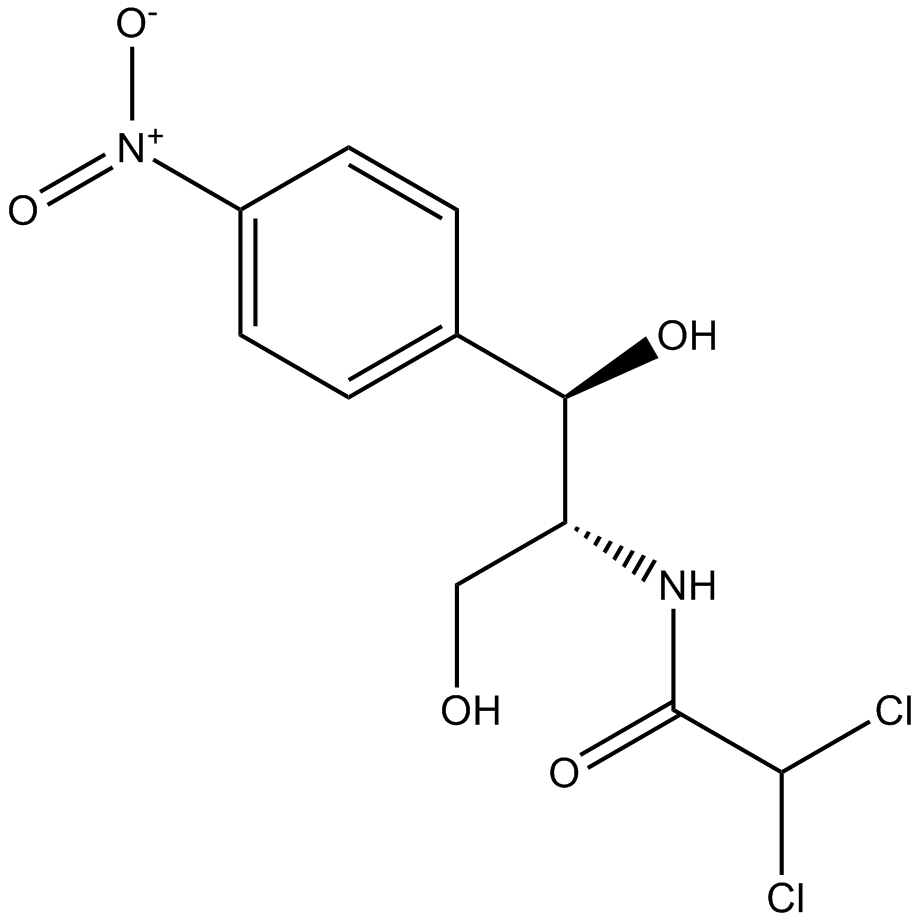 A2512 Chloramphenicol1 CitationTarget: TransferasesSummary: Inhibits translation(blocking peptidyl transferase)