


MAPK/ERK

The mitogen-activated protein kinase (MAPK) is a highly conserved family of serine/threonine kinases that mediate a board range of cellular processes, including proliferation, differentiation, motility, migration, stress response, apoptosis and survival. The activation of MAPK involves signaling pathways consisting of MAPK kinase (i.e. MAPKKK or MEKK) that activates MAPK/ERK (i.e. MAPKK or MEK). A variety of extracellular signals such as mitogens, cytokines, growth factors, and environmental stressors stimulate a phosphorylation-dependent increase in the activity of MAPK.
Activated MAPKs transduce the phosphorylation and activation of MAPK-activated protein kinases (MAPKAPKs), e.g. RSK, MSK, or MNK family, and MK2/3/5. There are three main MAPK families, signal-regulated kinase 1 and 2 (Erk1/2 or p44/42), the c-Jun N-terminal kinases 1-3 (JNK1-3)/ stress activated protein kinases (SAPK1A, 1B, 1C), the p38 isoforms (p38α, β, γ, and δ). ERK signaling is involved in cell division, migration and survival. p38 MAPK and JNK/SAPK pathways are activated by cellular stress. The p38 MAPK pathway regulates cell motility, transcription, and chromatin remodeling. JNK/SAPK signaling affects apoptosis and inflammation. Dysregulation of MAPK pathway results in tumorgenesis and other pathological conditions.
-
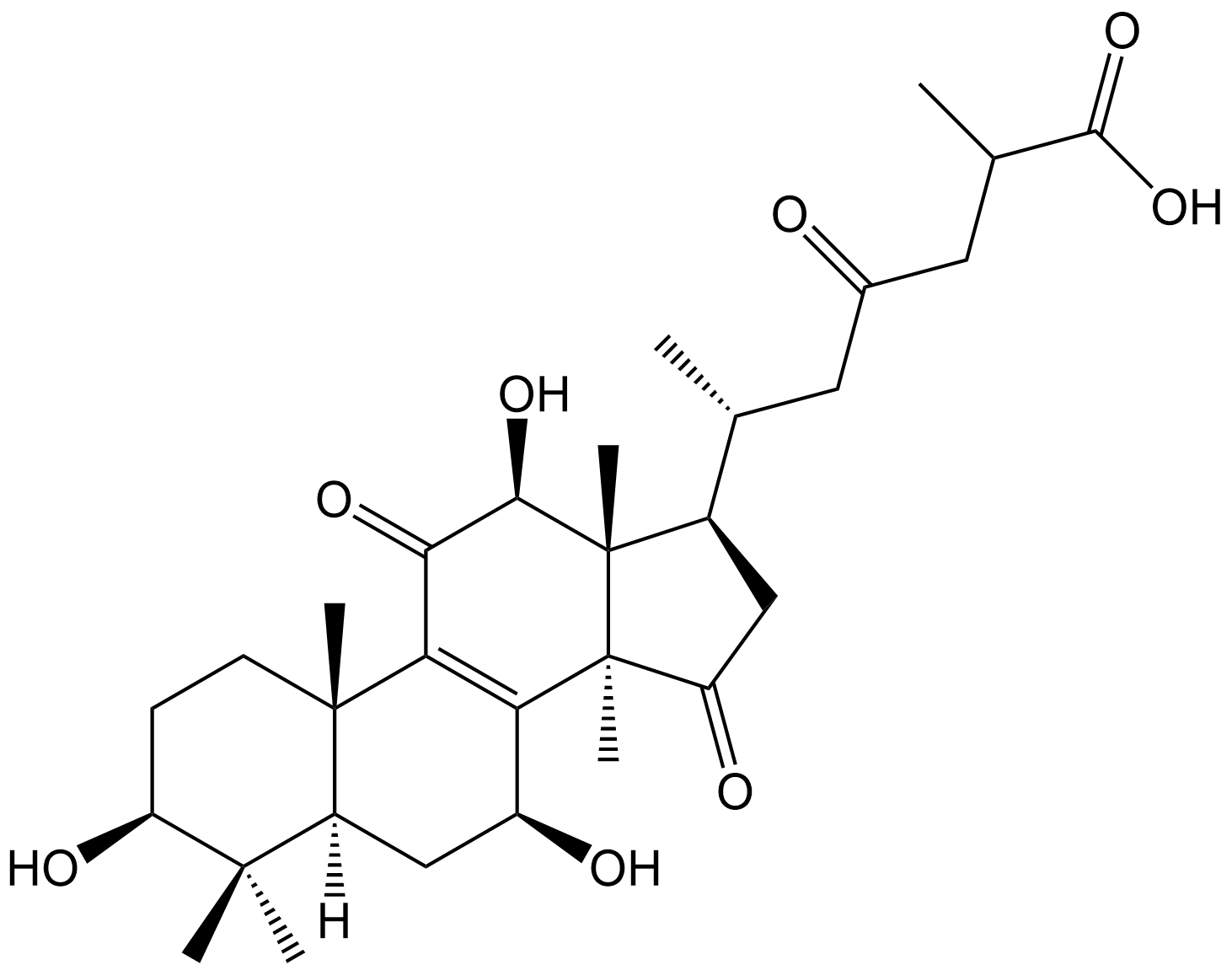 N2867 Ganoderic acid GSummary: A natural triterpenoid compound derived from a Ganoderma species fungus.
 -
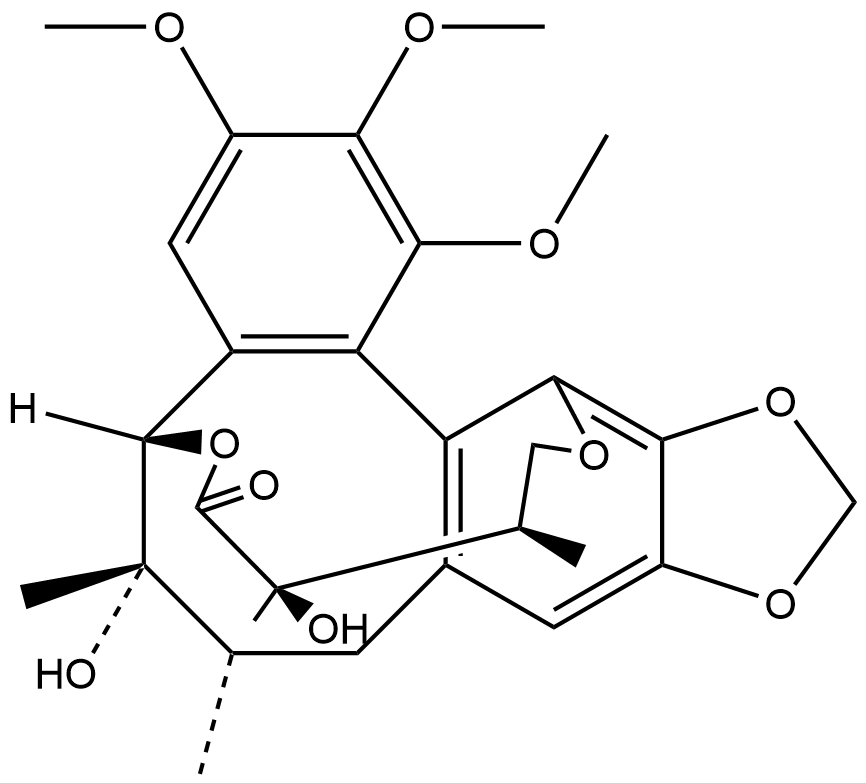 N2870 Gomisin DSummary: A lignan with diverse biological activities
 -
 N2876 Malvidin 3-galactoside chlorideSummary: A natural anthocyanin
 -
 N2878 MalvidinSummary: A natural pigment
 -
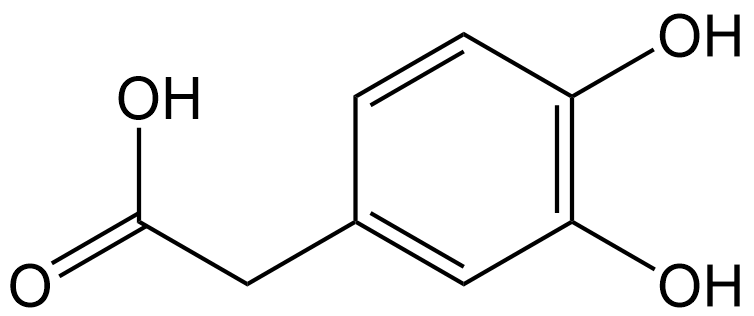 B8605 3,4-Dihydroxyphenylacetic AcidSummary: A dopamine metabolite
 -
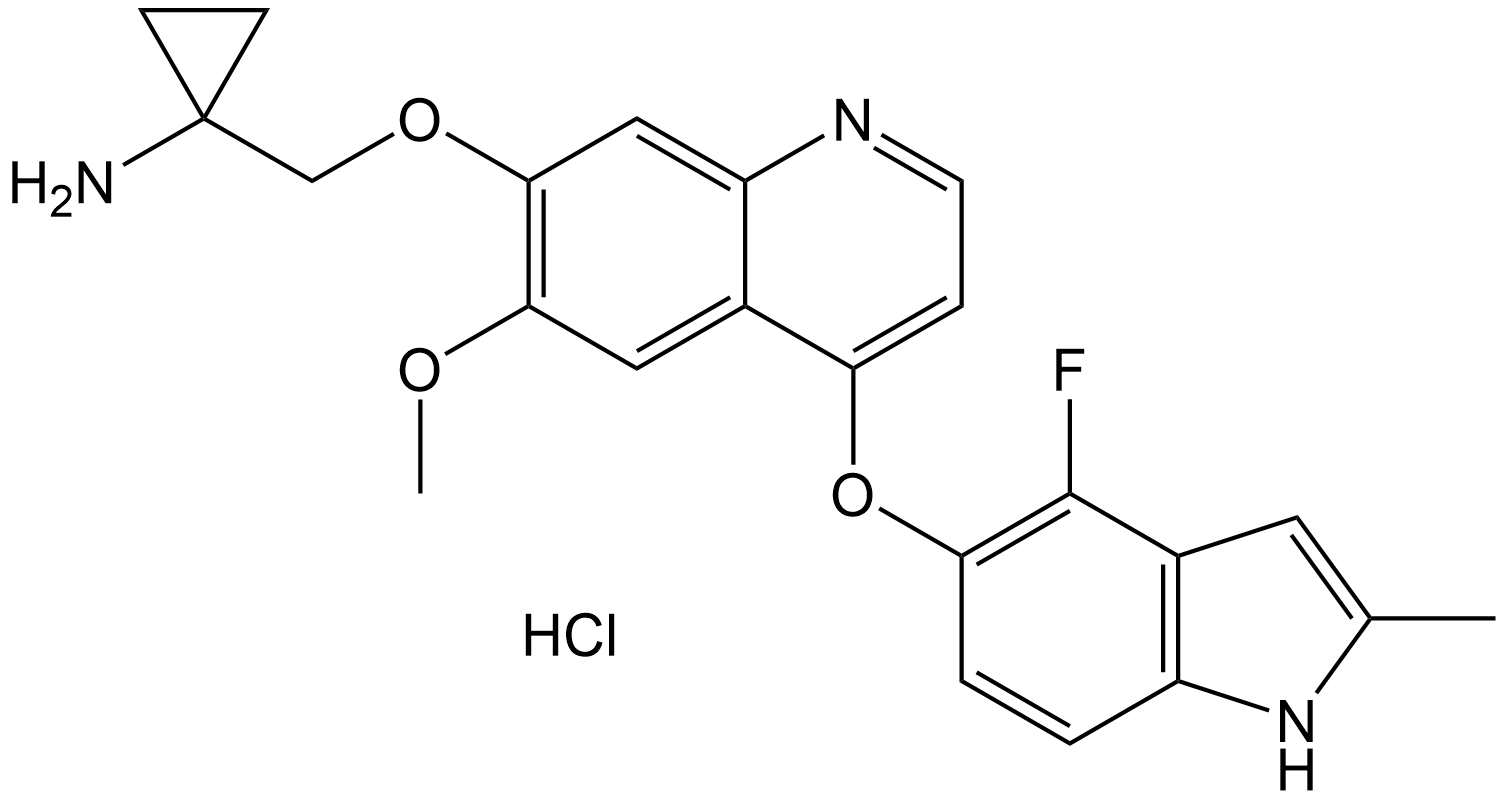 C8688 Anlotinib (hydrochloride)Summary: A tyrosine kinase inhibitor
 -
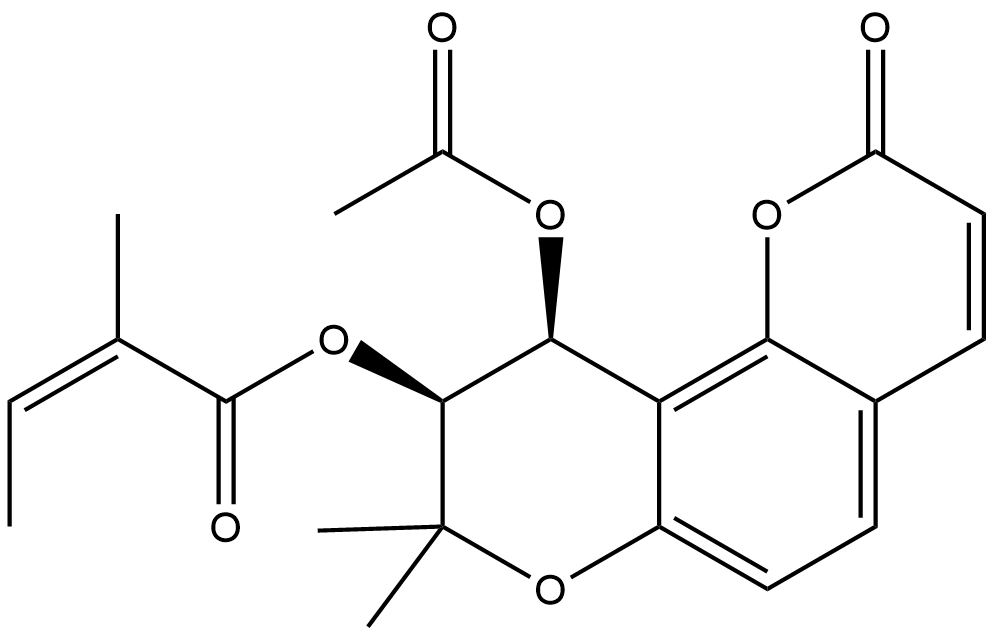 N2885 Pareruptorin ASummary: An angular pyranocoumarin compound derived from Peucedanum praeruptorum Dunn.
 -
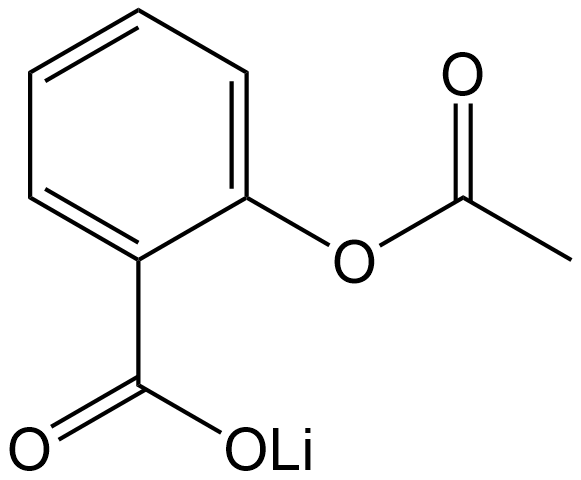 C8731 Acetylsalicylic acid lithiumSummary: An orally active, irreversible cyclooxygenase (COX-1 and COX-2) inhibitor, also commonly used to induce gastric ulcer models.
 -
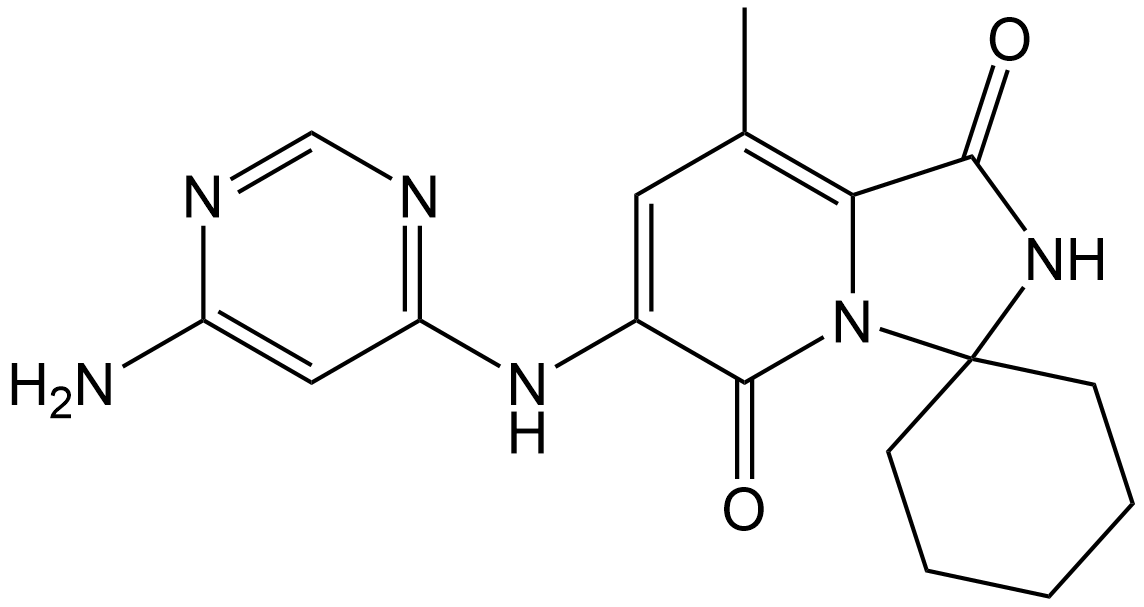 C8762 TomivosertibSummary: A potent, highly selective, orally active MNK1 and MNK2 inhibitor
 -
 B8365 LY3214996Summary: Selectively inhibits ERK1/2, interferes with the MAPK pathway, and inhibits tumor cell growth.