


GPCR/G protein
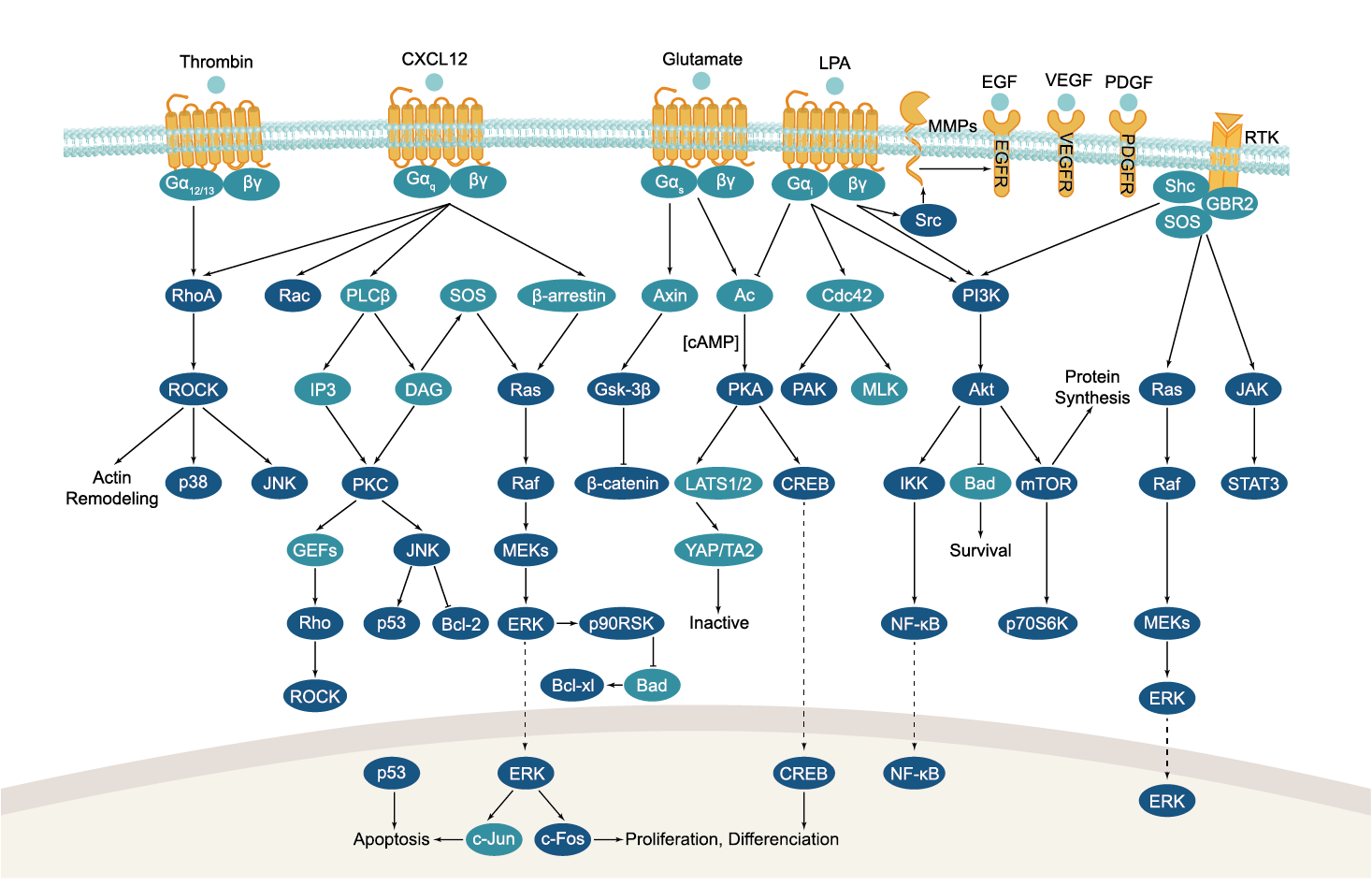
All GPCRs share a common seven trans-membrane structure. GPCRs are associated with heterotrimeric G-proteins which are GTP-binding proteins made of alpha, beta, and gamma subunits. When a ligand binds to GPCR, it activates the attached G-protein, the GDP is replaced with GTP. The activated G-protein then dissociates into an alpha and a beta-gamma complex which activates downstream signaling pathways. These intracellular signaling pathways include cAMP/PKA, calcium/NFAT, phospholipase C, protein tyrosine kinases, MAP kinases, PI-3-kinase, nitric oxide/cGMP, Rho, and JAK/STAT.
GPCRs are one of the most important therapeutic targets for various diseases, over 30% of all modern medicinal drugs target this family. Aberrant GPCR functions are involved in pathological conditions such as neurological, immunological and hormonal disorders. A large number of GPCRs have been identified, but whose ligands are not known, are classified as orphan receptors.
-
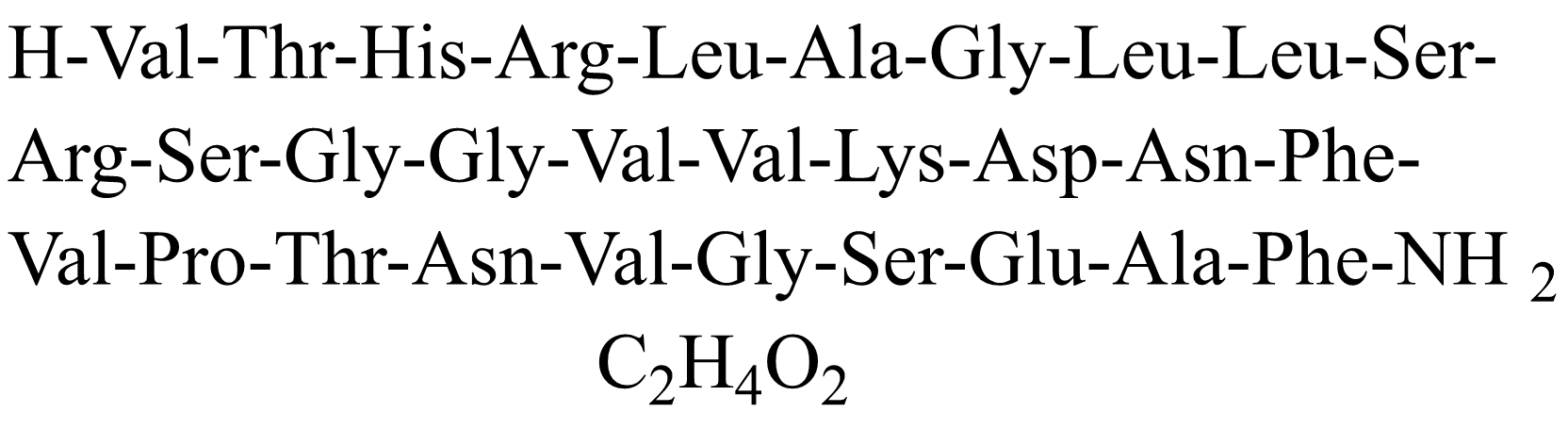 C8764 CGRP 8-37 (rat) acetateSummary: A CGRP receptor antagonist
 -
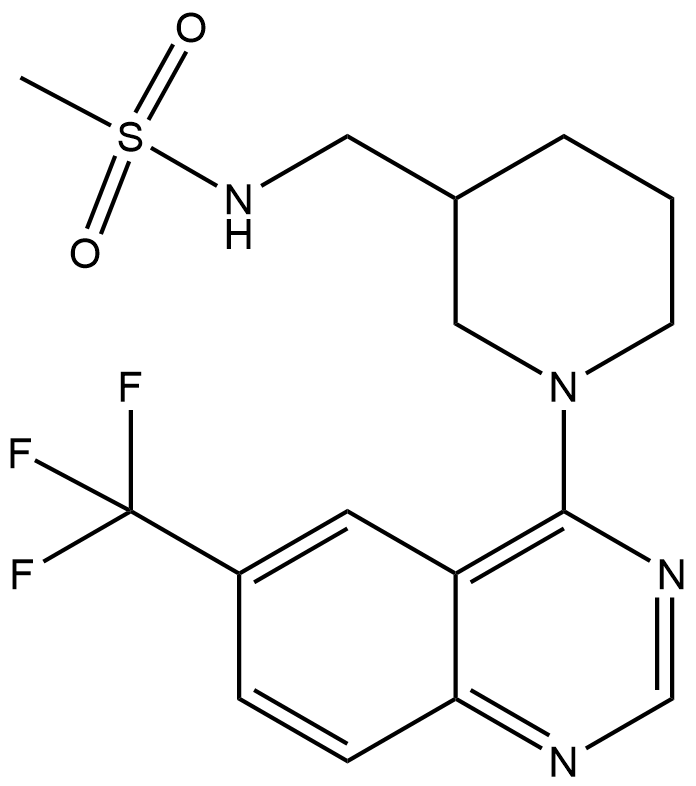 A8962 SRI-37330Summary: An oral TXNIP inhibitor that regulates glucose and lipid metabolism and glucagon release.
 -
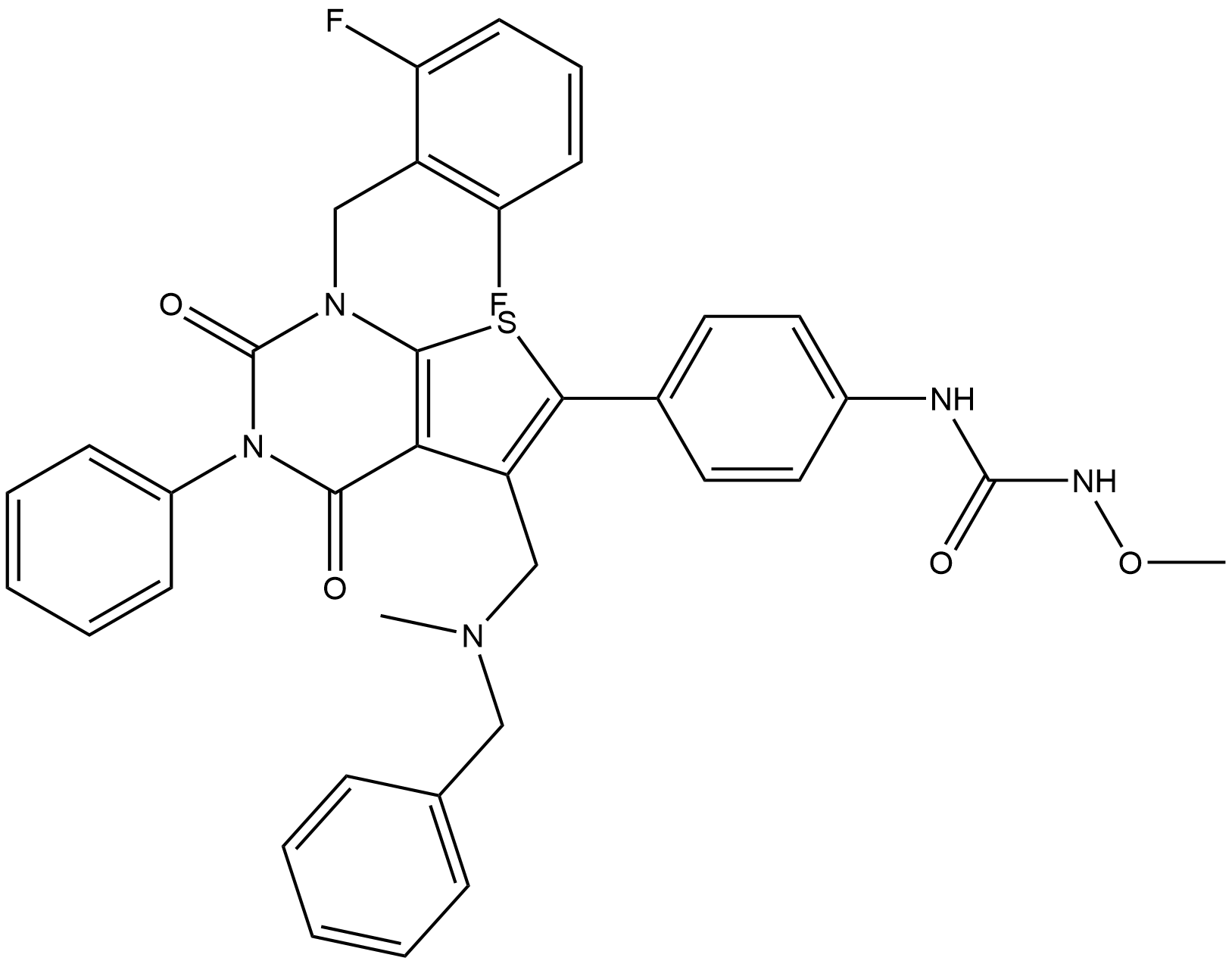 A9034 SufugolixSummary: An orally active non-peptide LHRH receptor antagonist for reproductive endocrinology research.
 -
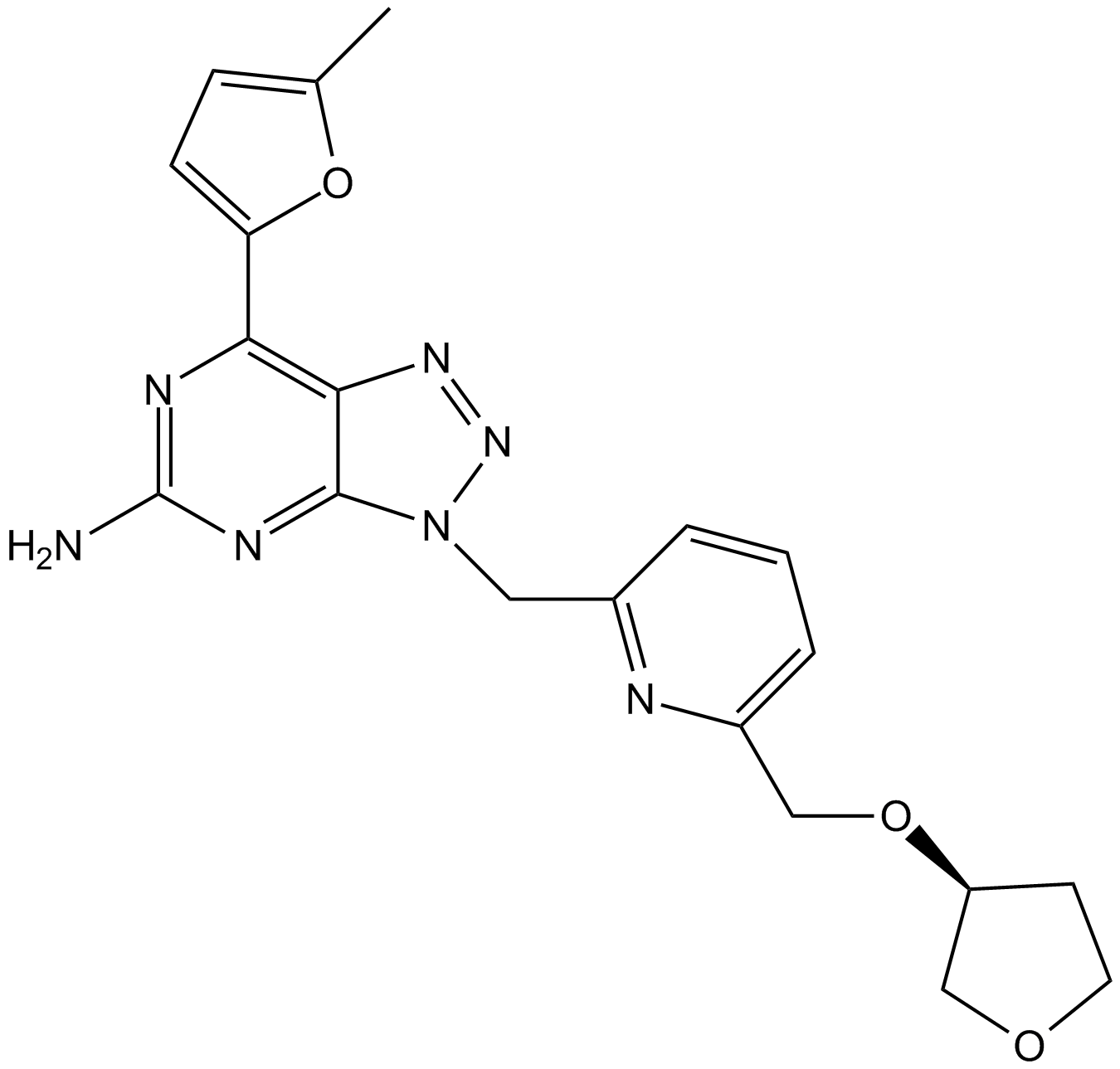 B8360 CPI-444Summary: An A2A receptor antagonist for tumor immunology and adenosine pathway research.
 -
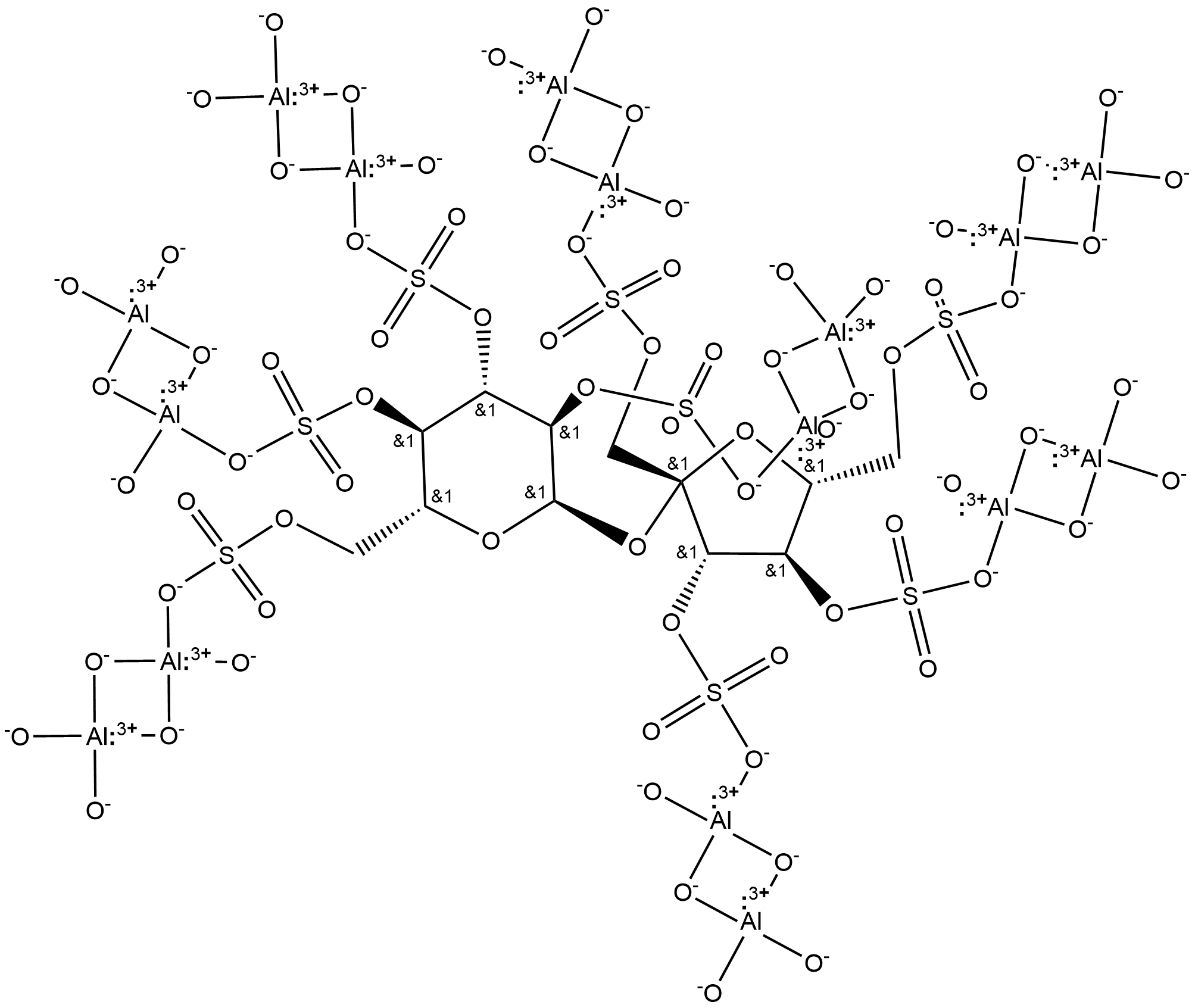 BA1266 SucralfateSummary: Sucralfate(Sucroseocta sulfate-aluminum complex)
 -
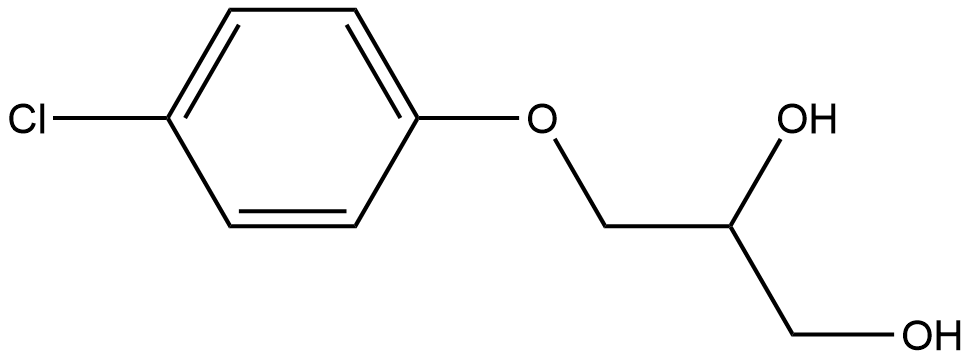 BA1297 ChlorphenesinSummary: Chlorphenesin is a reversible antigen-related immunosuppressant.
 -
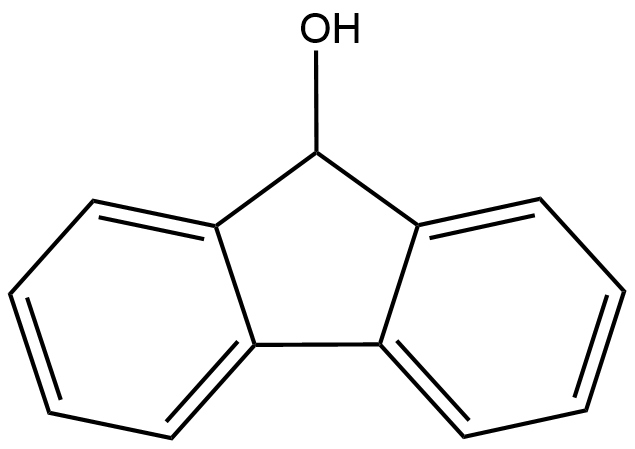 BA7349 9-FluorenolSummary: 9-Fluorenol (9-Hydroxyfluorene) is a (dopamine) inhibitor.
 -
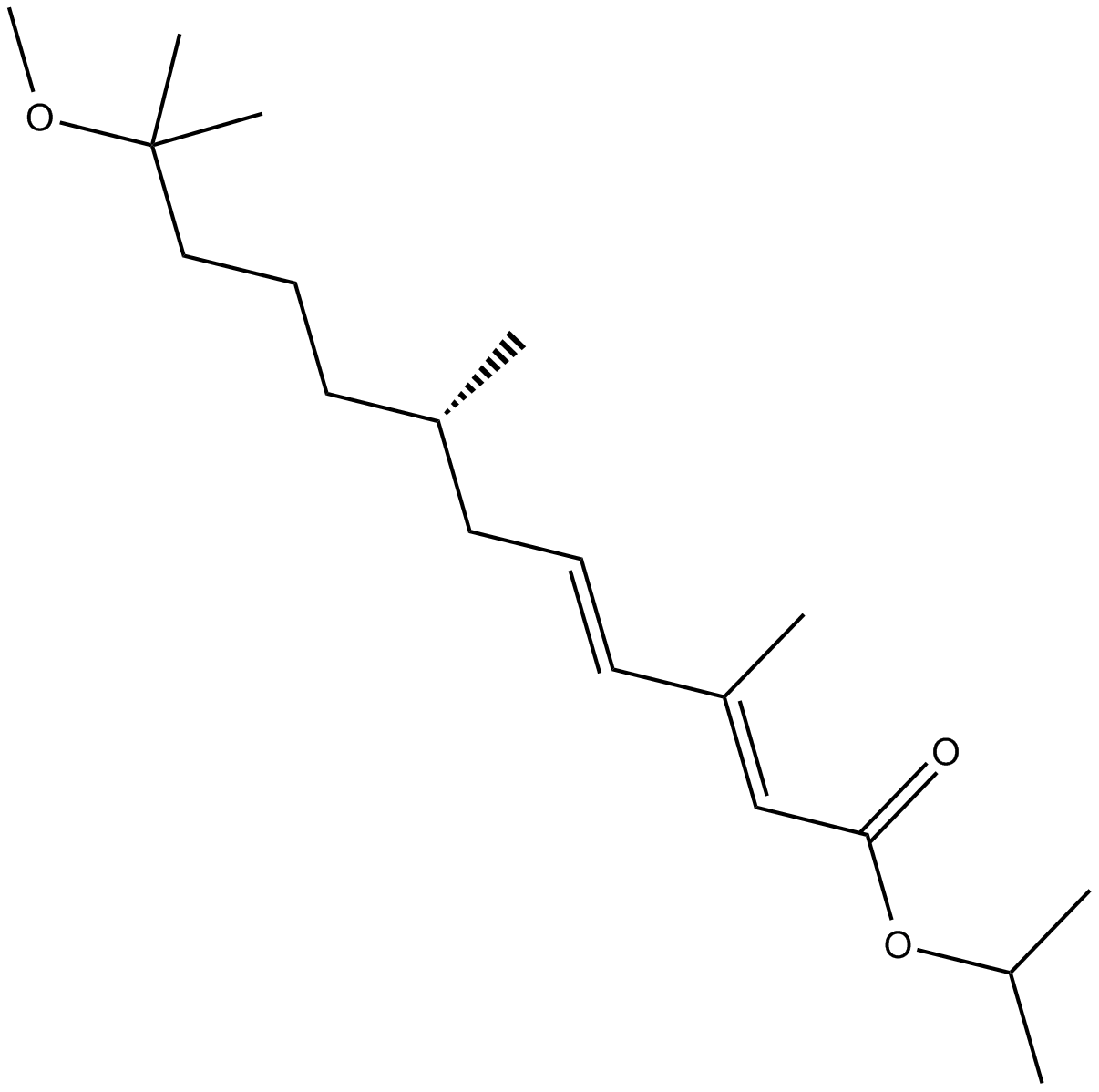 C3249 (S)-(+)-Methoprene1 CitationSummary: A juvenile hormone analog insecticide that can prevent insects from transforming from pupae into adults.
 -
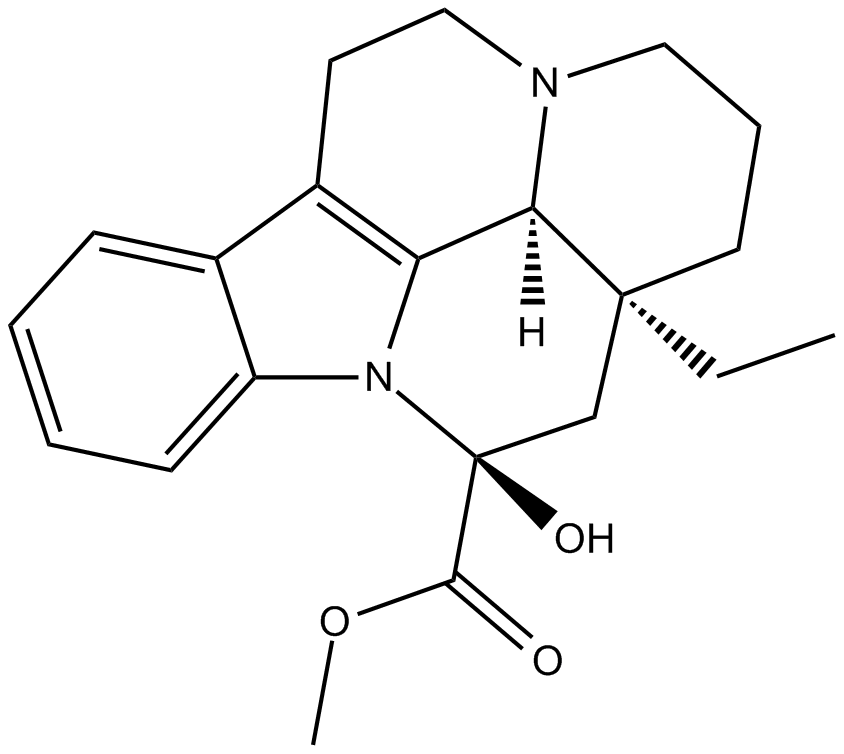 C3338 VincamineSummary: An alkaloid with cerebral vasodilatory effects and improved glucose homeostasis.
 -
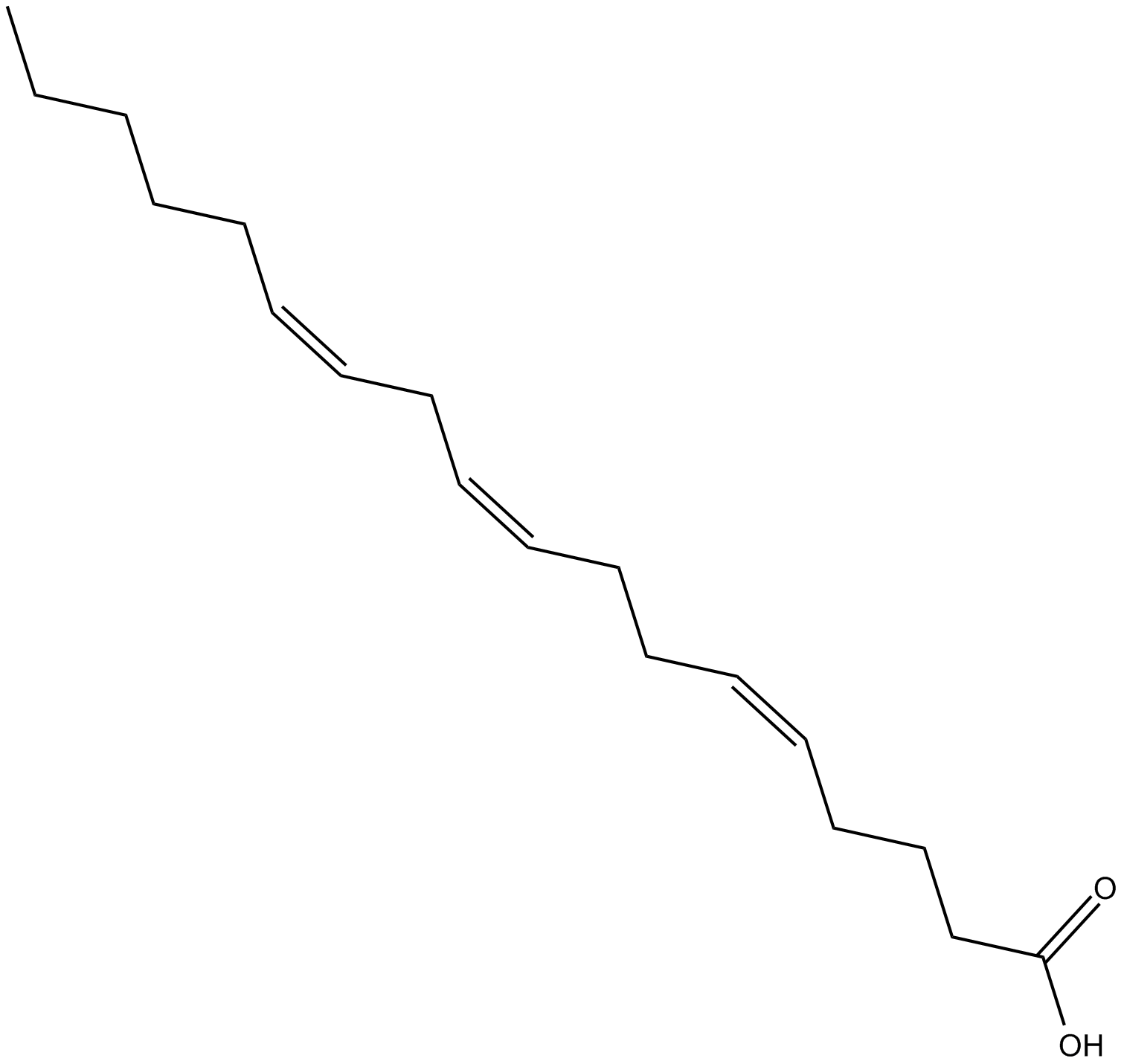 C3346 Pinolenic AcidSummary: A polyunsaturated fatty acid that can lower cholesterol levels and reduce appetite.