


Endocrinology and Hormones
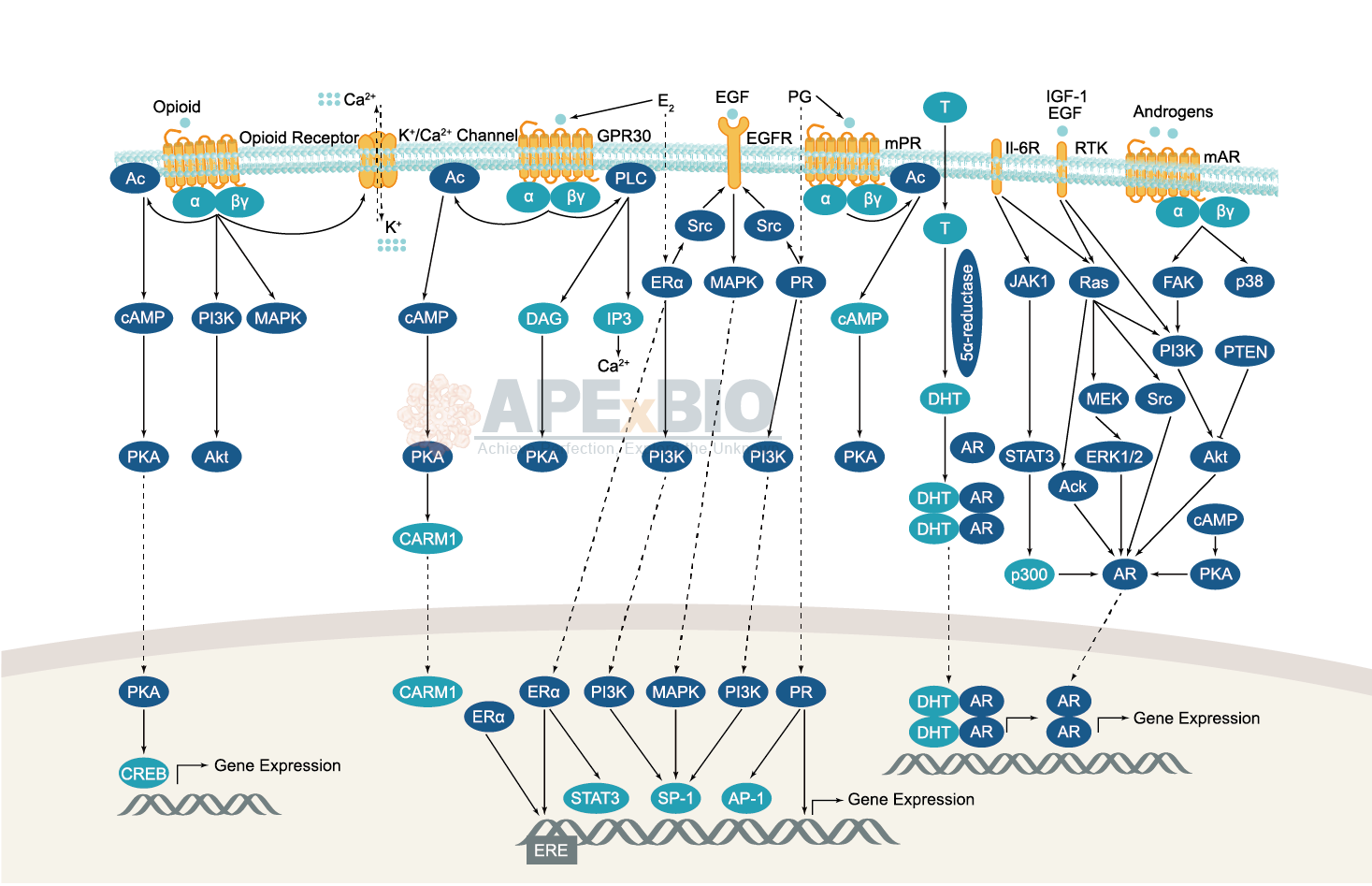
Endocrinology is the study of hormones, their receptors and intracellular signaling pathways, as well as the related diseases. The endocrine system functions can be broadly classified into several categories, including reproduction and sexual differentiation, development and growth, maintenance of the internal environment, and regulation of metabolism/nutrient supply.
There are three types of hormones based on their chemical composition: Amines (e.g. dopamine, adrenalin and noradrenalin); Steroids (e.g. estrogen, testosterone and glucocorticoids); Peptides (e.g. the peptide hormones insulin, ghrelin and vasopressin). Peptide hormones produced by secretory nervous tissue are known as neuropeptides. For example, thyroid hormone plays important parts in development, homeostasis and metabolism, while cortisol is essential for growth, nutrient supply and immune function. Moreover, the regulation of blood glucose involves several pancreatic peptide insulin and its counter regulatory hormone, glucagon, as well as cortisol, growth hormone and epinephrine.
Dysregulations in endocrine system are implicated in diseases such as Acromegaly, Cushing Syndrome, Diabetes, Dwarfism, Graves Disease, Hermaphroditism, Delayed and Precocious Puberty and Thyroid Diseases.
-
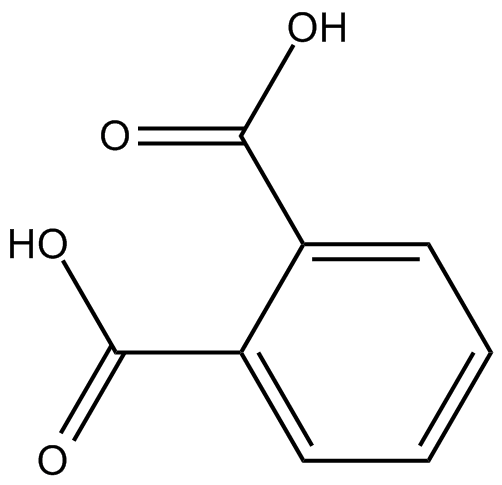 C6308 Phthalic acidSummary: Commonly used as an intermediate for preparing plasticizers and for the synthesis of isophthalic acid and terephthalic acid.
 -
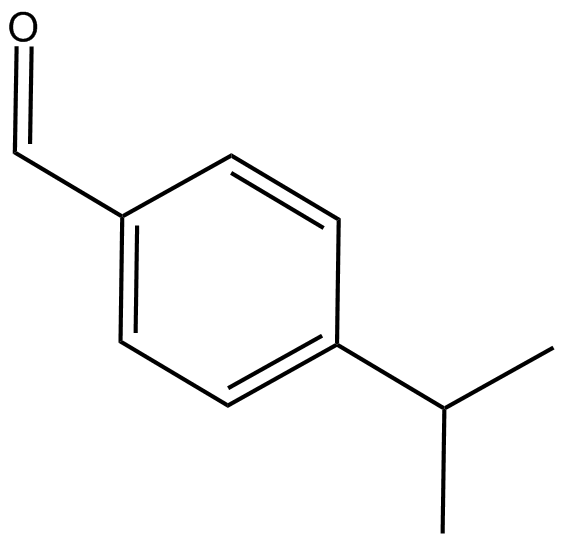 C6353 CuminaldehydeSummary: Exhibits bioactivities such as anti-inflammatory, anticancer, antidiabetic, and neuroprotective effects.
 -
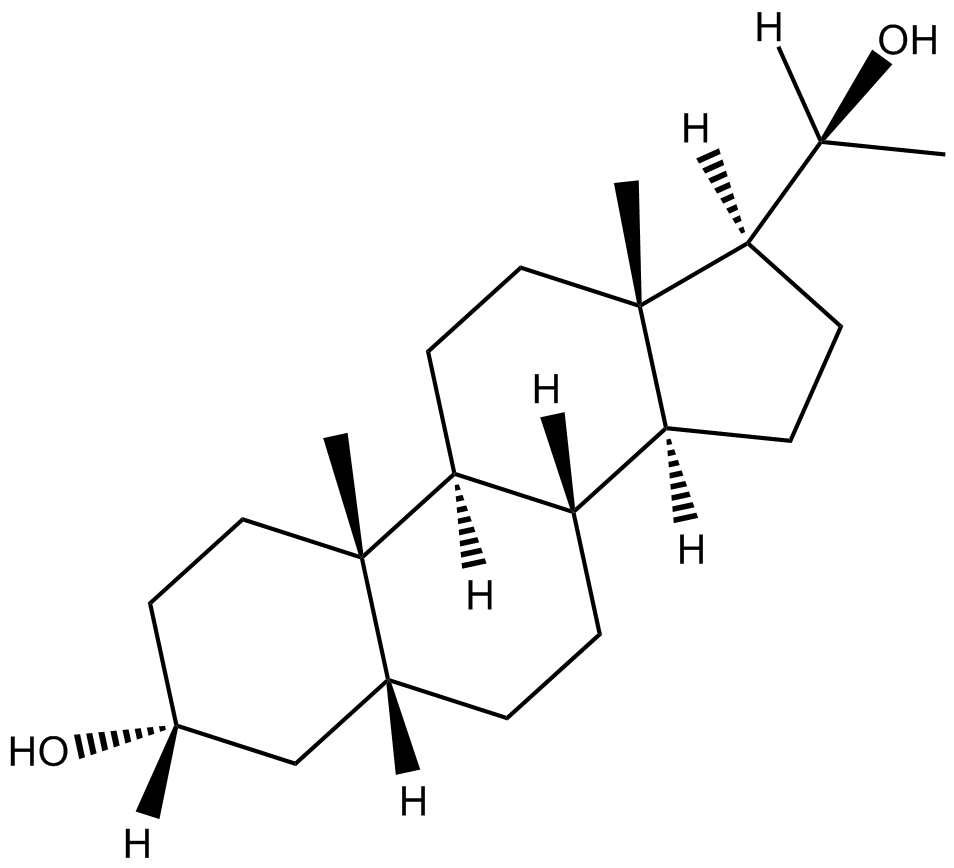 M1429 PregnanediolSummary: A biomarker used for the indirect measurement of progesterone levels in vivo.
 -
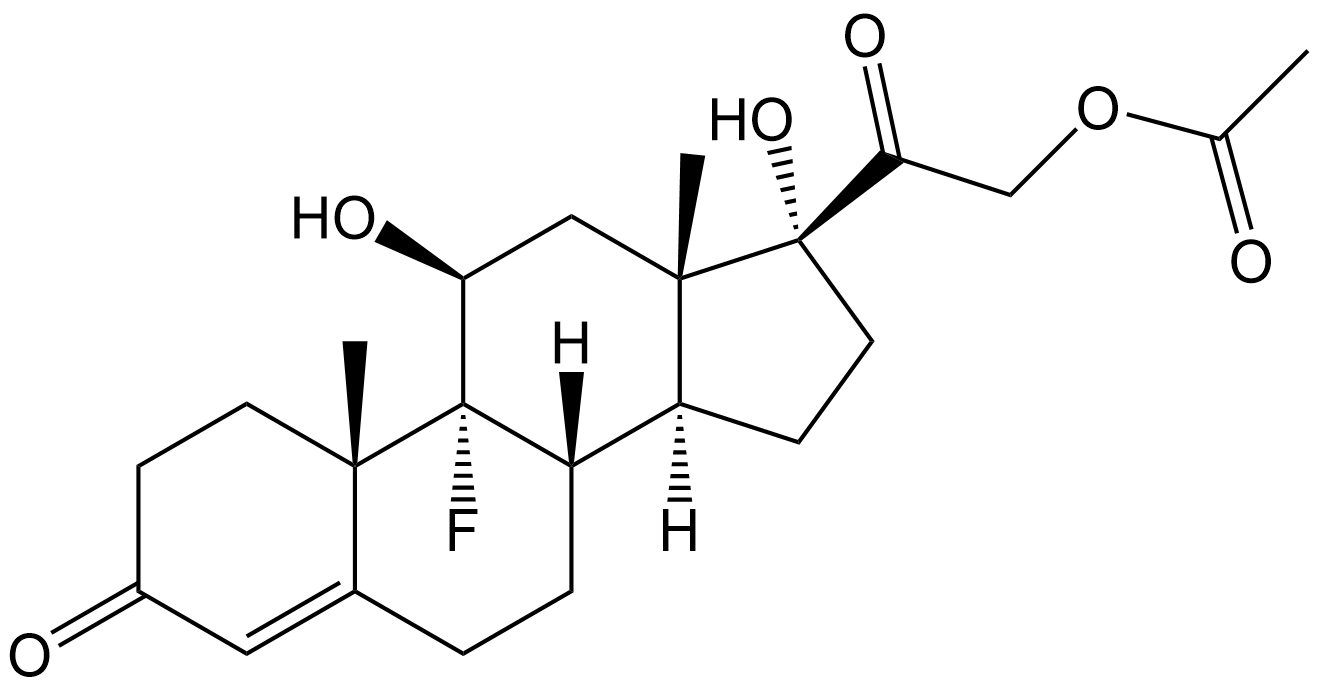 C8797 Fludrocortisone acetateSummary: Fludrocortisone acetate is a synthetic fluorinated corticosteroid and mineralocorticoid/glucocorticoid receptor agonist used to study steroid signaling, epithelial ion transport, inflammation, and endocrine physiology.
 -
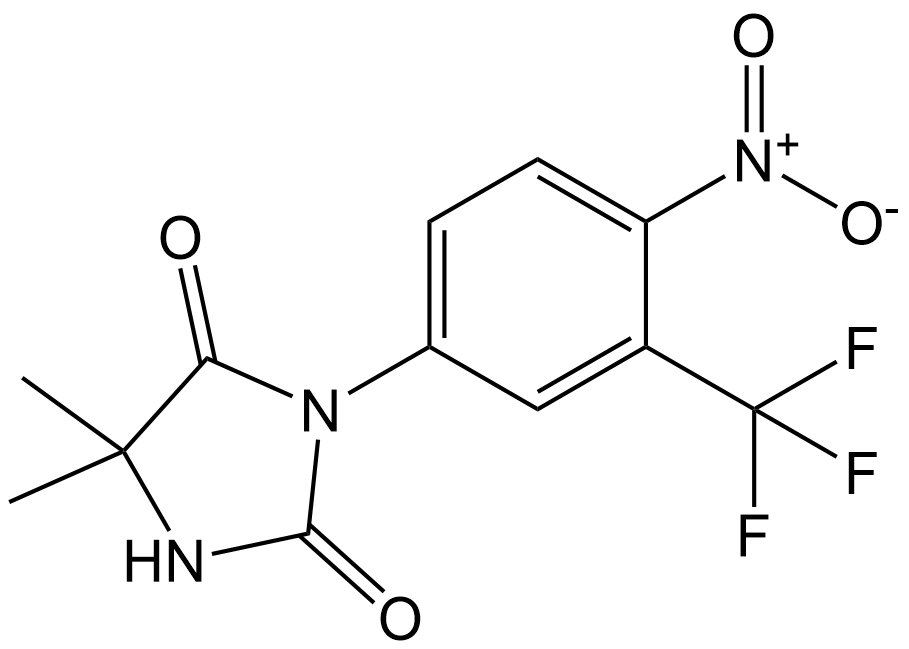 B8684 NilutamideSummary: An orally active nonsteroidal androgen receptor (AR) antagonist
 -
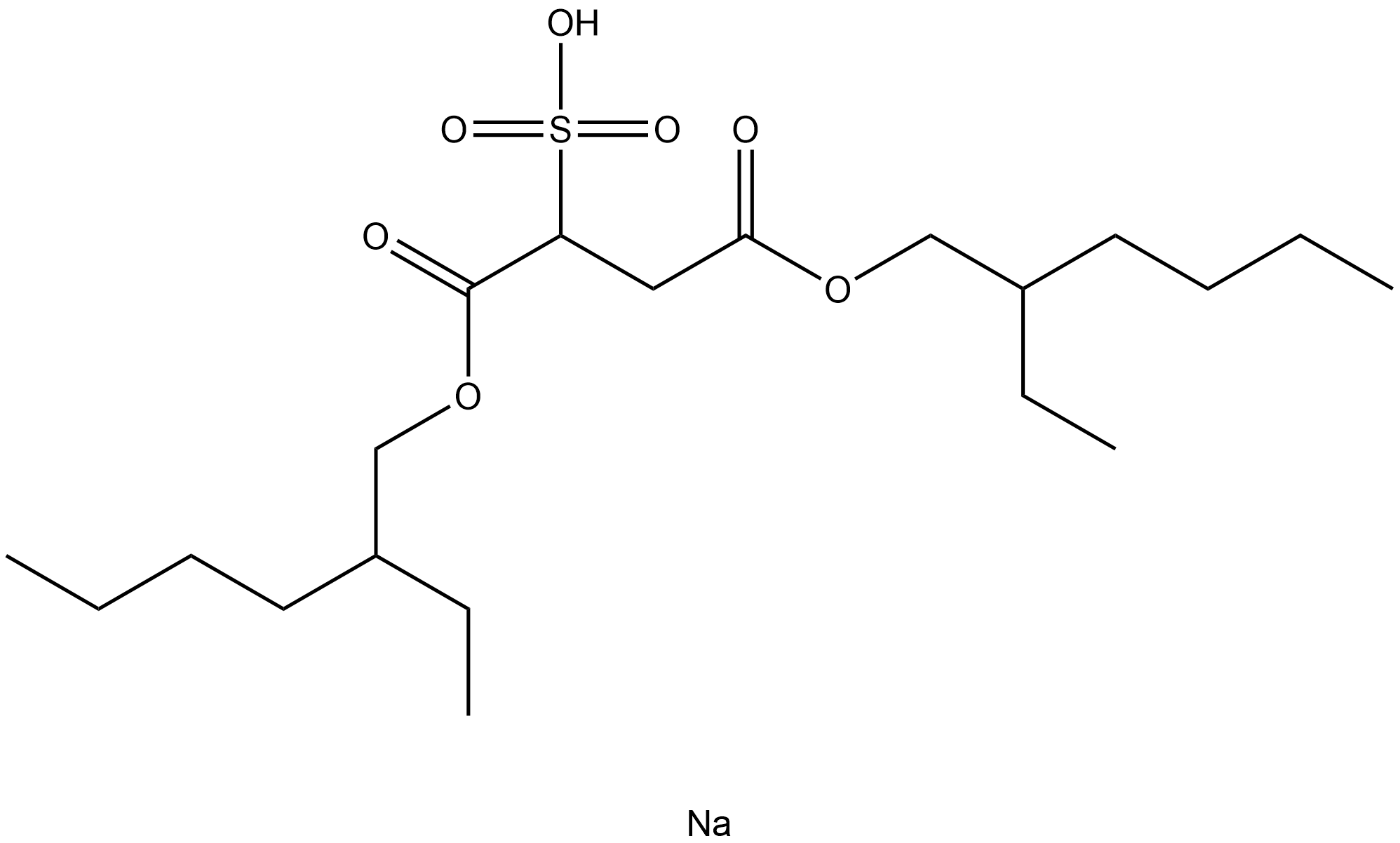 C8836 Docusate SodiumSummary: Docusate Sodium is an anionic surfactant that perturbs membrane permeability and is widely utilized as a formulation excipient in pharmaceutical and biochemical research.
 -
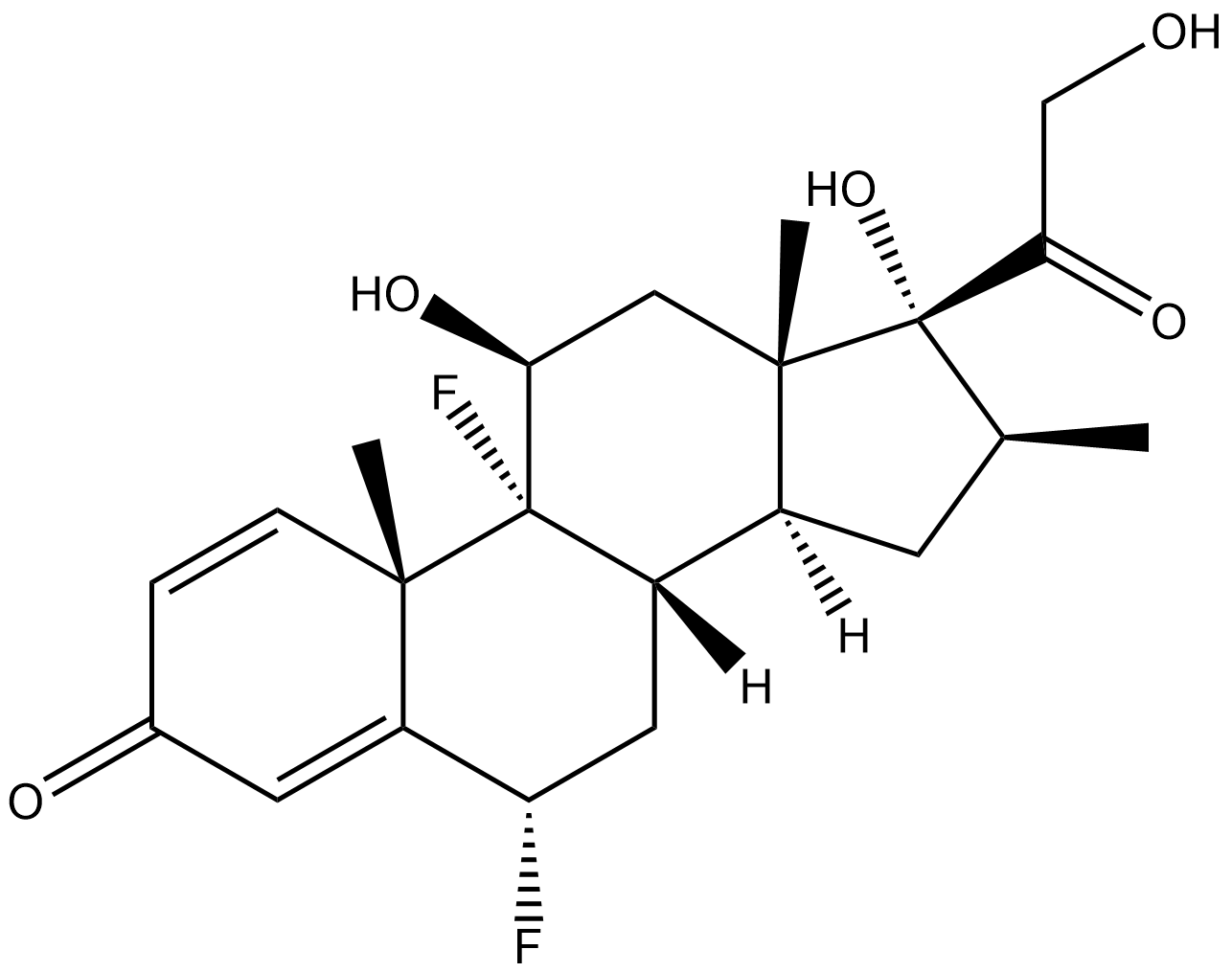 C8871 DiflorasoneSummary: Diflorasone (CAS 2557-49-5) is a synthetic corticosteroid glucocorticoid receptor agonist used as a reference compound in steroid signaling and inflammation pathway research.
 -
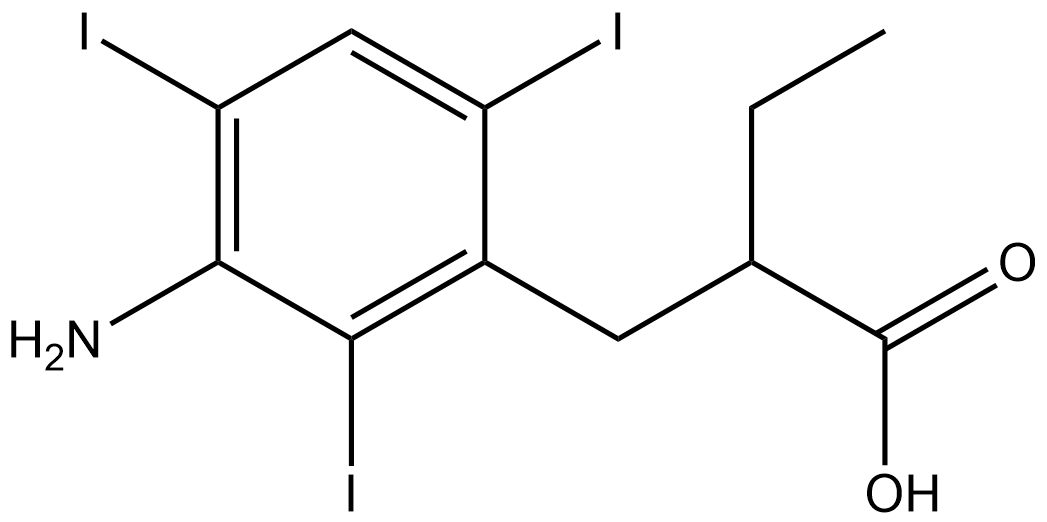 C8880 Iopanoic acidSummary: Iopanoic acid is an iodinated aromatic carboxylic acid and thyroid hormone deiodinase inhibitor used in endocrine signaling and metabolic pathway research.
 -
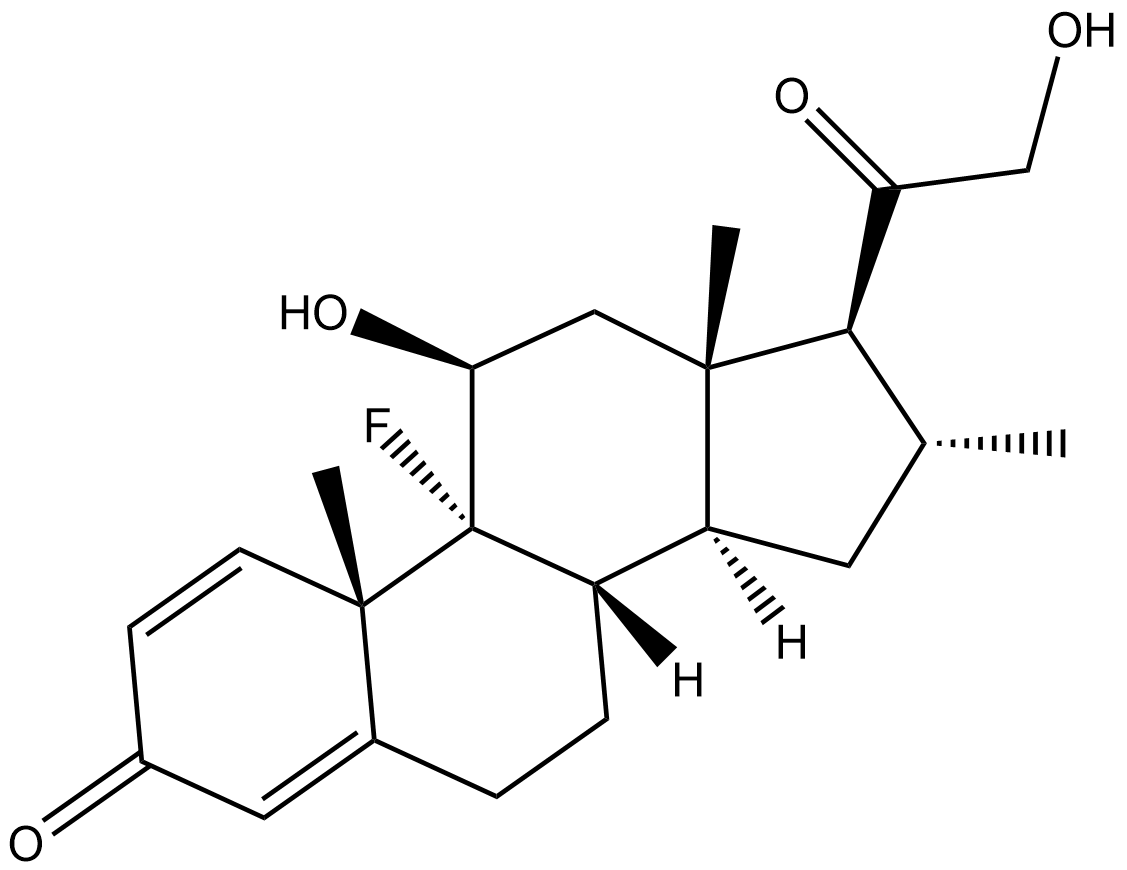 C8889 DesoximetasoneSummary: Desoximetasone is a synthetic glucocorticoid receptor agonist modulating glucocorticoid-responsive transcriptional pathways, utilized in inflammation signaling and steroid receptor mechanism research.
 -
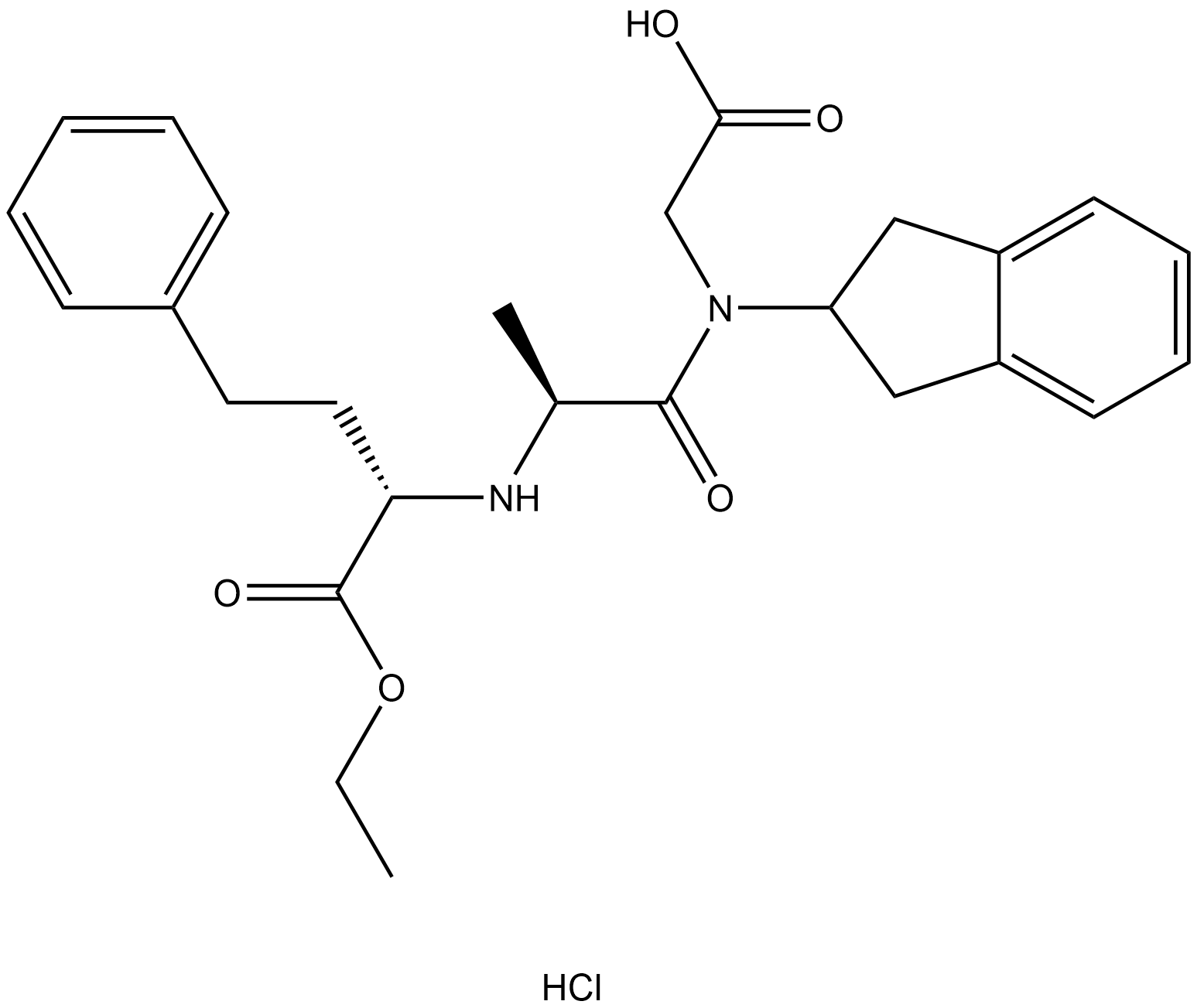 C8894 Delapril HydrochlorideSummary: Delapril Hydrochloride is an angiotensin-converting enzyme inhibitor targeting the renin–angiotensin system, widely utilized as a reference compound in cardiovascular pharmacology research.