


Endocrinology and Hormones
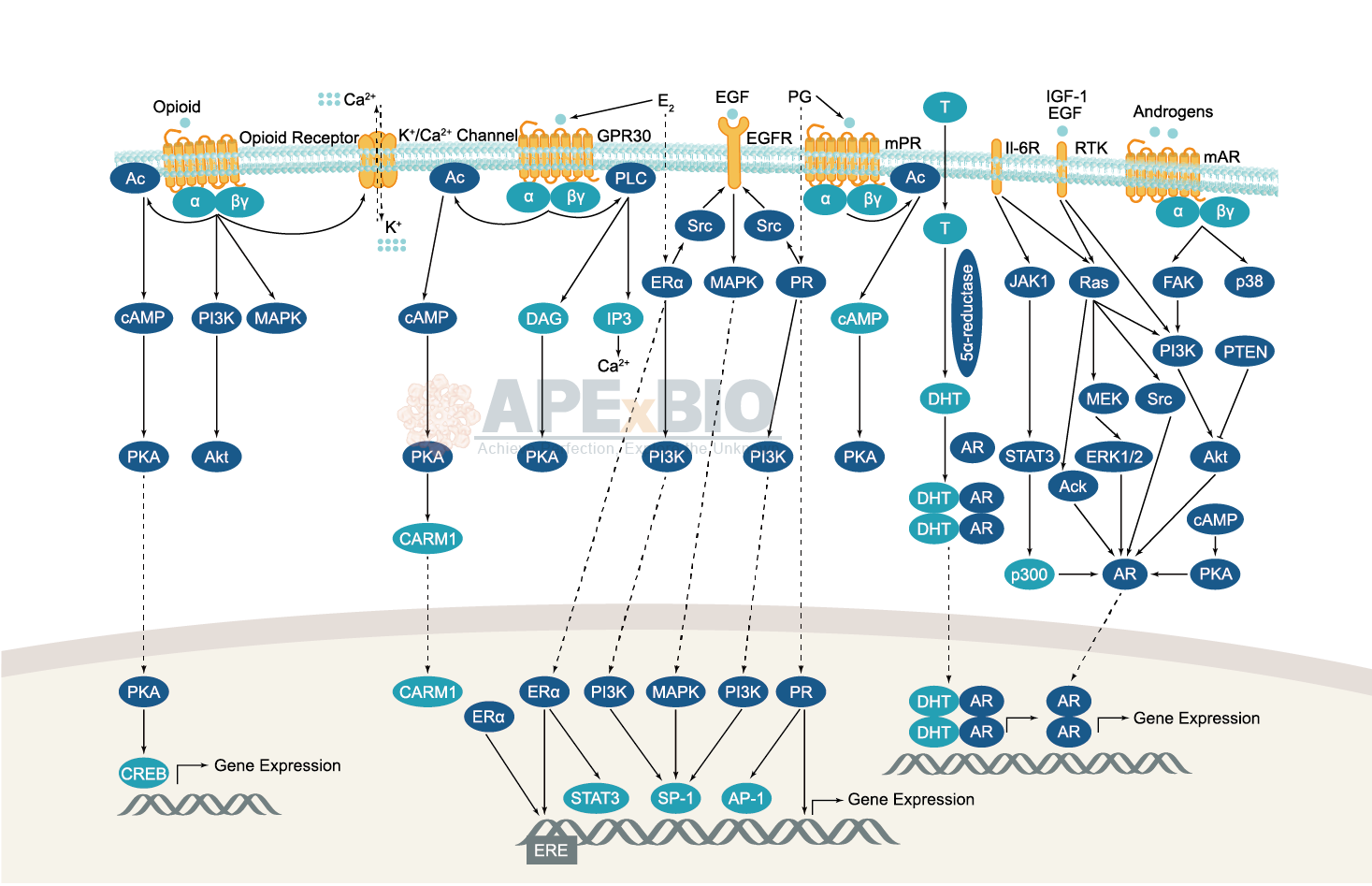
Endocrinology is the study of hormones, their receptors and intracellular signaling pathways, as well as the related diseases. The endocrine system functions can be broadly classified into several categories, including reproduction and sexual differentiation, development and growth, maintenance of the internal environment, and regulation of metabolism/nutrient supply.
There are three types of hormones based on their chemical composition: Amines (e.g. dopamine, adrenalin and noradrenalin); Steroids (e.g. estrogen, testosterone and glucocorticoids); Peptides (e.g. the peptide hormones insulin, ghrelin and vasopressin). Peptide hormones produced by secretory nervous tissue are known as neuropeptides. For example, thyroid hormone plays important parts in development, homeostasis and metabolism, while cortisol is essential for growth, nutrient supply and immune function. Moreover, the regulation of blood glucose involves several pancreatic peptide insulin and its counter regulatory hormone, glucagon, as well as cortisol, growth hormone and epinephrine.
Dysregulations in endocrine system are implicated in diseases such as Acromegaly, Cushing Syndrome, Diabetes, Dwarfism, Graves Disease, Hermaphroditism, Delayed and Precocious Puberty and Thyroid Diseases.
-
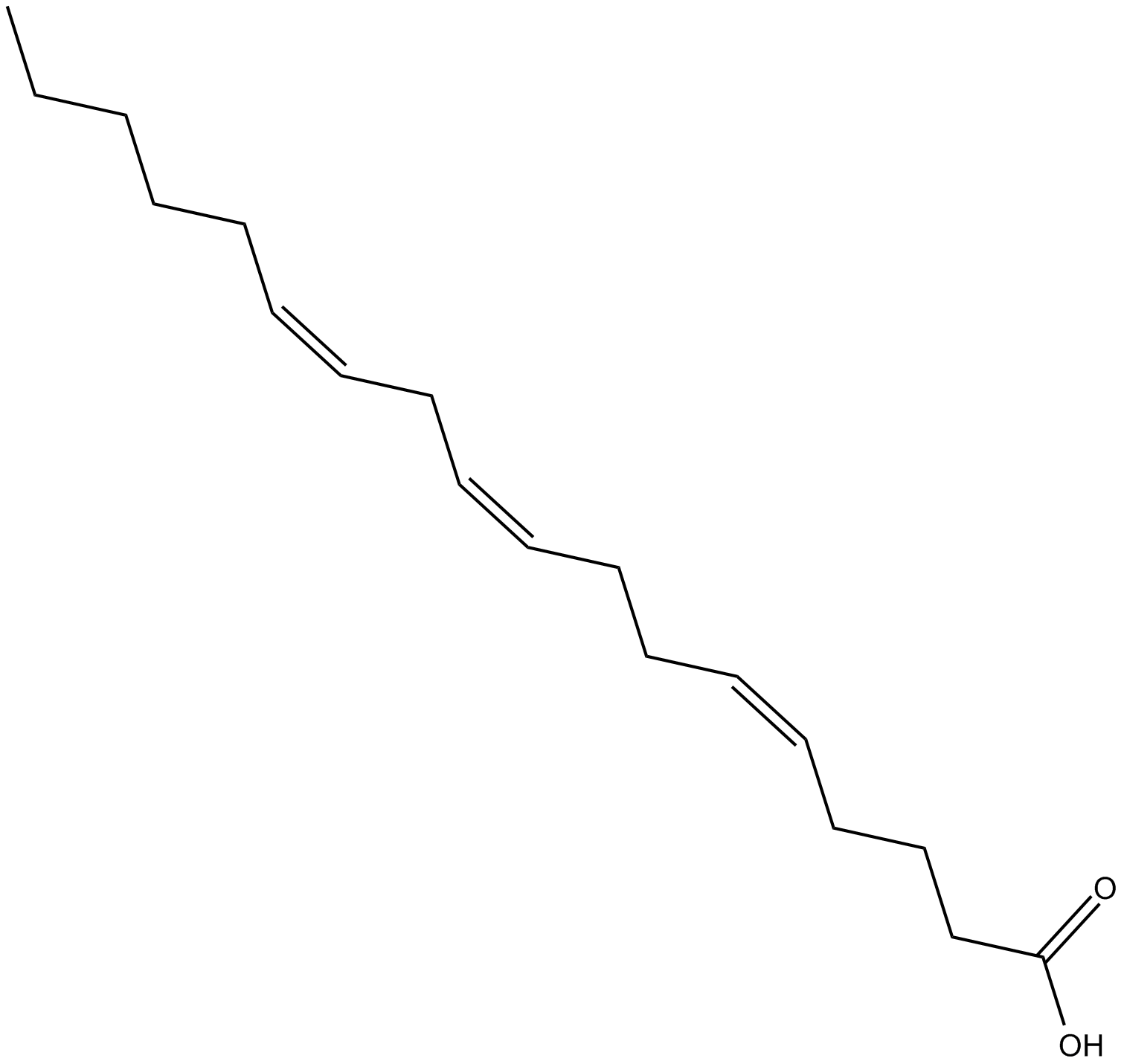 C3346 Pinolenic AcidSummary: A polyunsaturated fatty acid that can lower cholesterol levels and reduce appetite.
 -
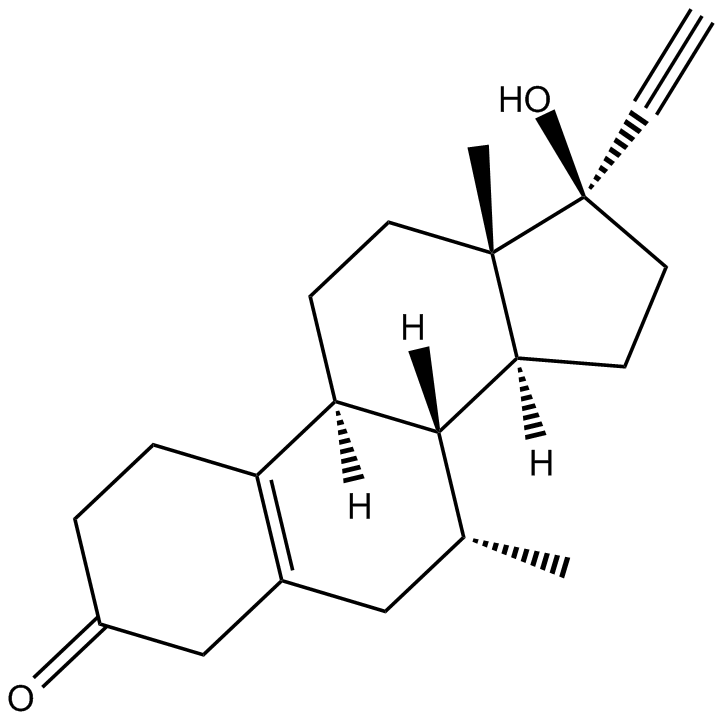 C4946 TiboloneSummary: An agonist that modulates hormone receptor activity for postmenopausal osteoporosis research.
 -
 BA9236 SLU-PP-1072Summary: SLU-PP-1072 is a dual inverse agonist for prostate cancer (PCa) research.
 -
BA7166 IDD388Summary: IDD388 is a selective aldose reductase inhibitor.
-
BA3927 TretazicarSummary: Tretazicar (CB1954) is an antitumor precursor with high potency and selectivity against the Walker256 rat tumor cell line.
-
BA4449 GSK1820795ASummary: GSK1820795A is a selective antagonist as a timosartan analog.
-
BA4450 HWL-088Summary: HWL-088 is a potent, orally active free fatty acid receptor 1 agonist (at 18.9 nM) with moderate activity (at 570.9 nM).
-
BA6511 VNPP433-3βSummary: VNPP433-3β is a molecular gel degrader that targets androgen receptor and its splice variants and serine/threonine protein kinases that interact with MAP kinase.
-
BA5332 TUG-499Summary: TUG-499 is a selective free fatty acid receptor 1 (or) (FreeFattyAcidReceptor) agonist.
-
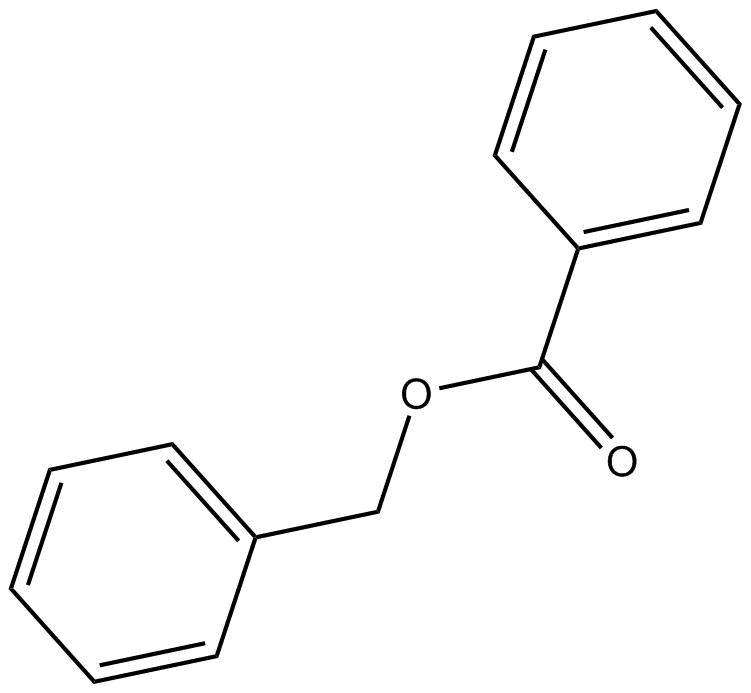 C6180 Benzyl benzoateSummary: A medication used to treat scabies, kill mites, and prevent and control lice.