


Endocrinology and Hormones
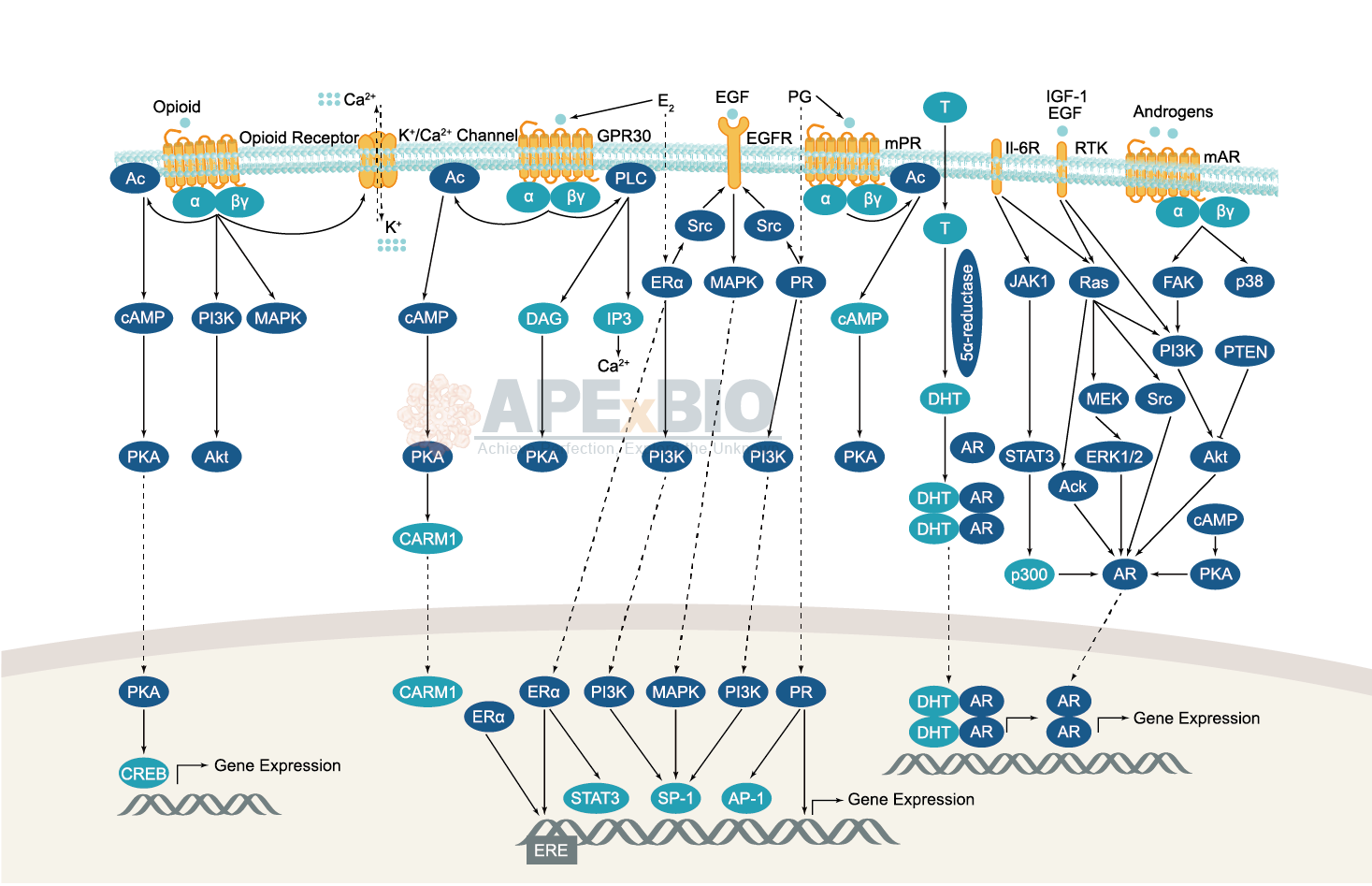
Endocrinology is the study of hormones, their receptors and intracellular signaling pathways, as well as the related diseases. The endocrine system functions can be broadly classified into several categories, including reproduction and sexual differentiation, development and growth, maintenance of the internal environment, and regulation of metabolism/nutrient supply.
There are three types of hormones based on their chemical composition: Amines (e.g. dopamine, adrenalin and noradrenalin); Steroids (e.g. estrogen, testosterone and glucocorticoids); Peptides (e.g. the peptide hormones insulin, ghrelin and vasopressin). Peptide hormones produced by secretory nervous tissue are known as neuropeptides. For example, thyroid hormone plays important parts in development, homeostasis and metabolism, while cortisol is essential for growth, nutrient supply and immune function. Moreover, the regulation of blood glucose involves several pancreatic peptide insulin and its counter regulatory hormone, glucagon, as well as cortisol, growth hormone and epinephrine.
Dysregulations in endocrine system are implicated in diseases such as Acromegaly, Cushing Syndrome, Diabetes, Dwarfism, Graves Disease, Hermaphroditism, Delayed and Precocious Puberty and Thyroid Diseases.
-
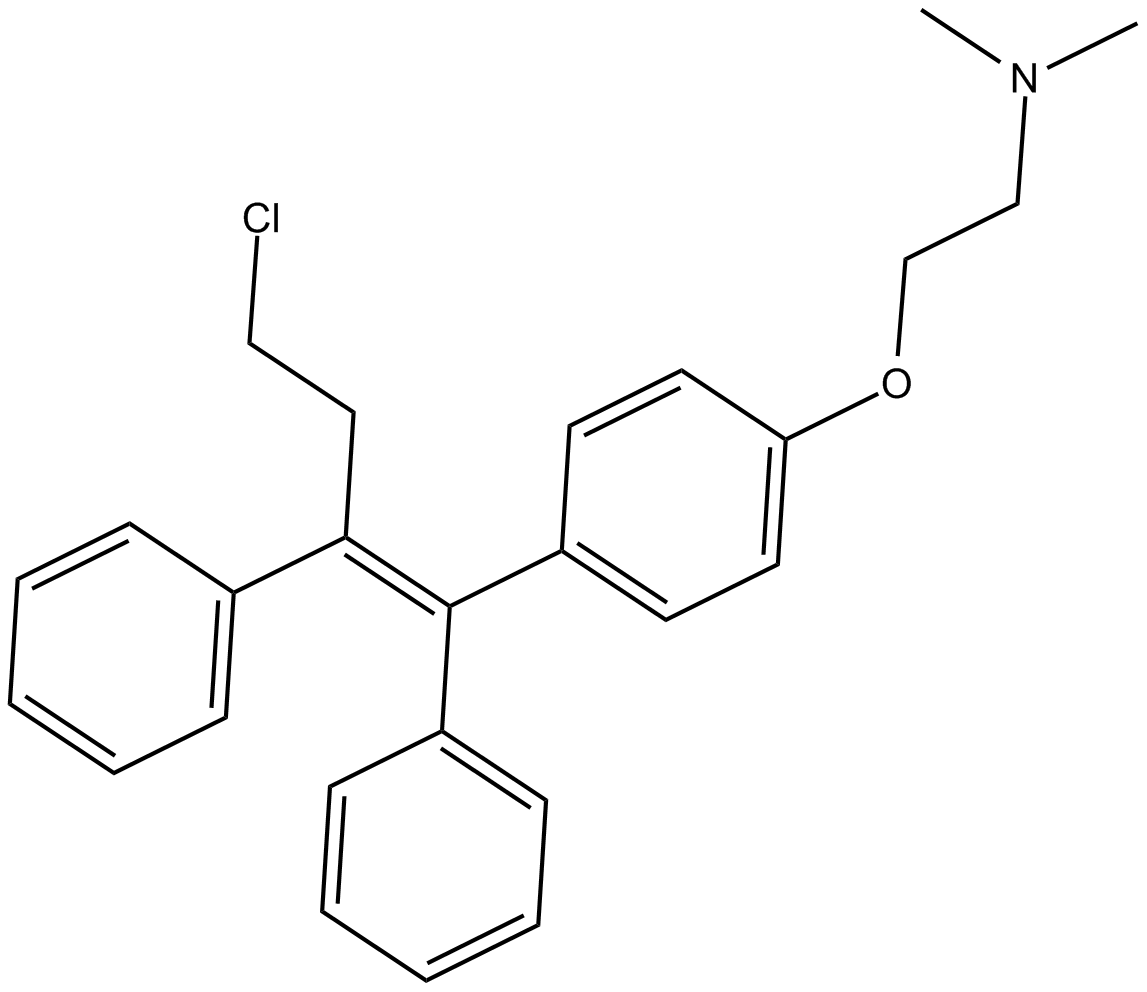 A3884 ToremifeneSummary: Estrogen-receptor modulator
 -
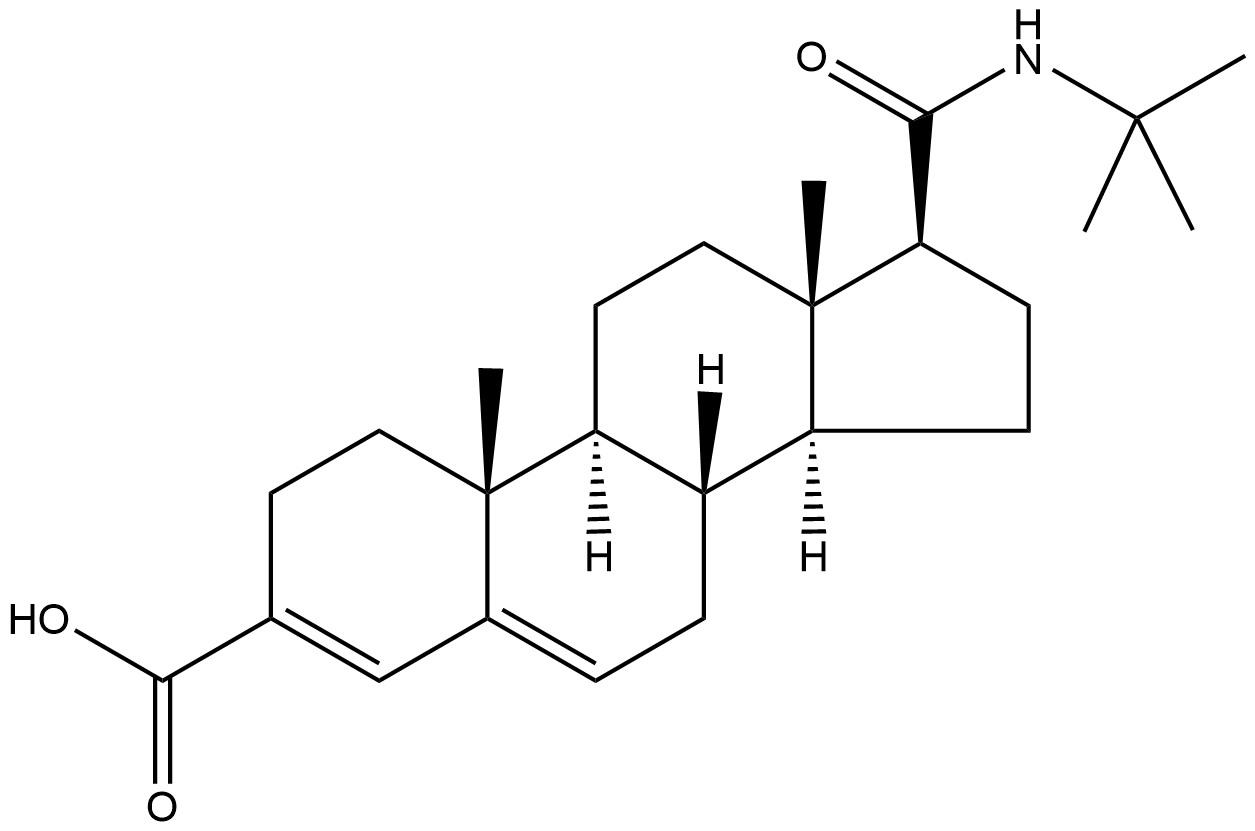 A9049 Epristeride
 -
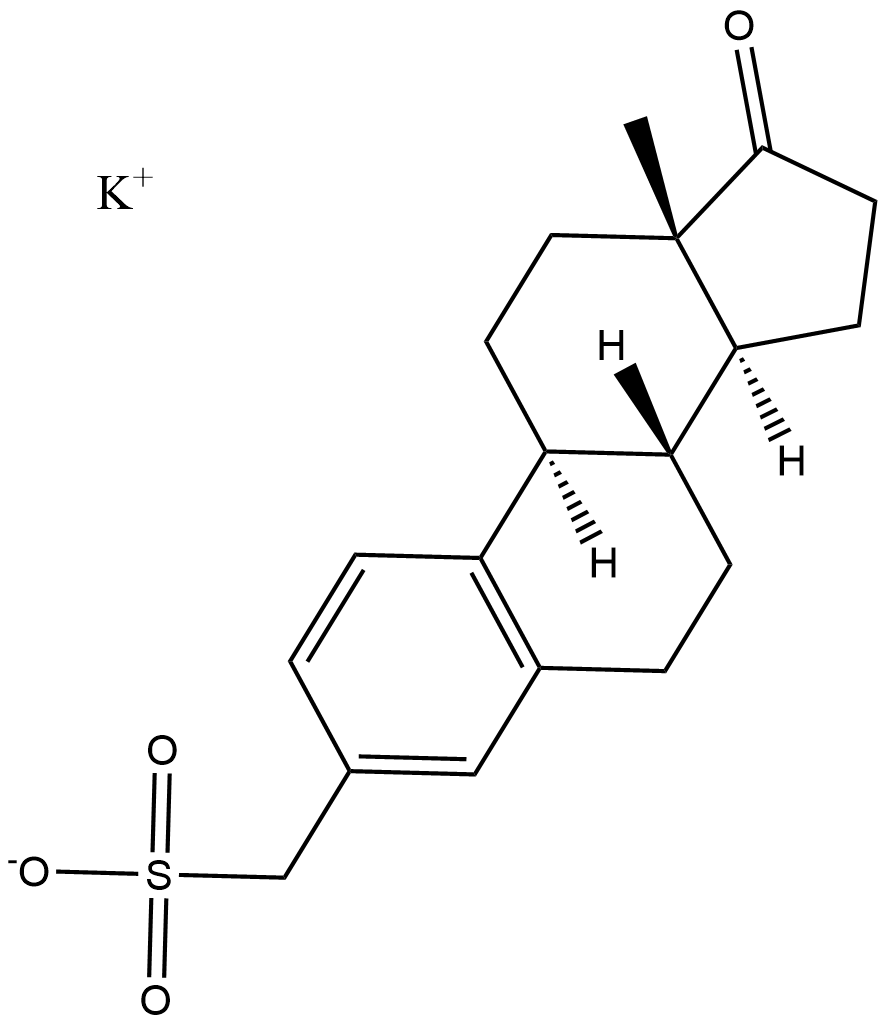 A9051 Estrone sulfate potassiumSummary: An endogenous steroid for endocrine-related diseases and therapeutic target discovery
 -
 BA2735 HA15Summary: HA15 is a potent and specific inhibitor of endoplasmic reticulum chaperonin.
 -
BA2827 YUM70Summary: YUM70 is a potent and selective inhibitor of glucose-regulated protein 78.
-
 C8705 SemaglutideSummary: GLP-1 receptor agonist
 -
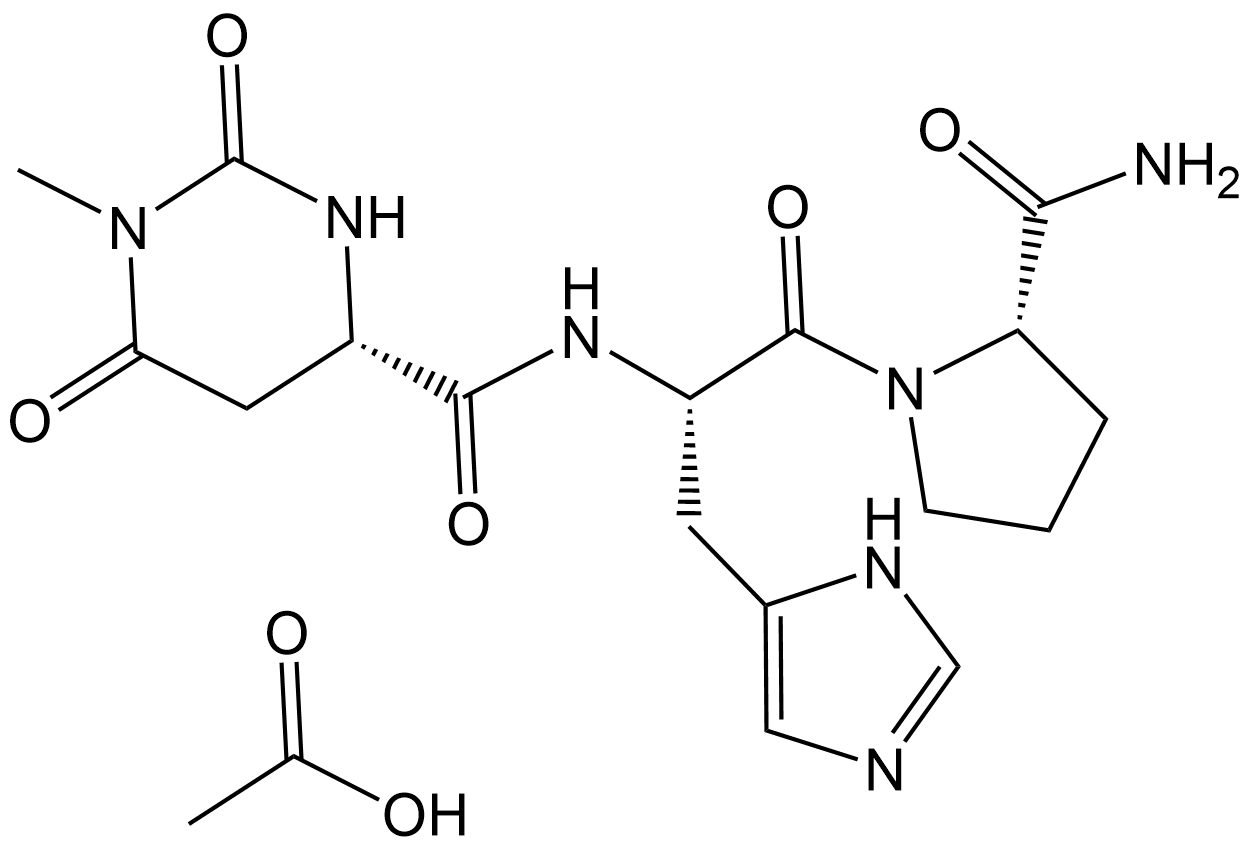 C8755 Taltirelin acetateSummary: A TRH receptor 1 (TRHR1) agonist
 -
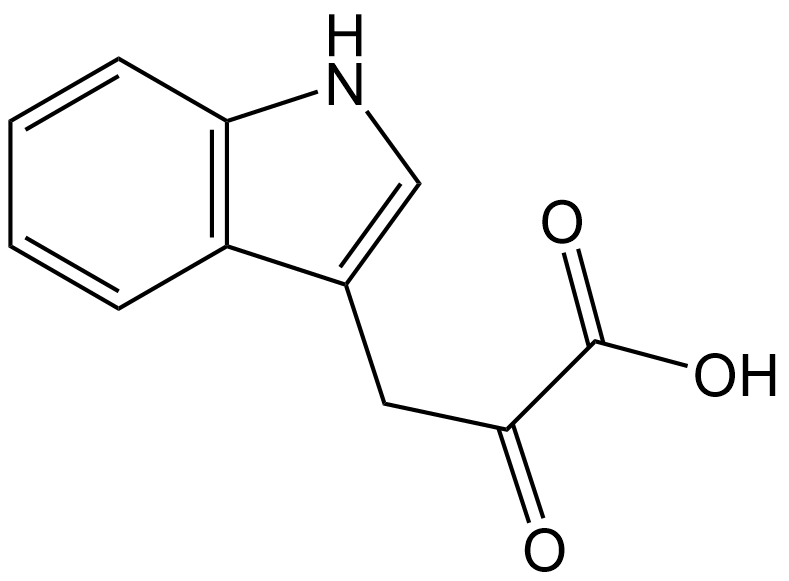 C8759 Indole-3-pyruvic acidSummary: A key metabolite of tryptophan, serves as a core intermediate in the biosynthesis of IAA, and acts as an activator of the aryl hydrocarbon receptor (AhR).
 -
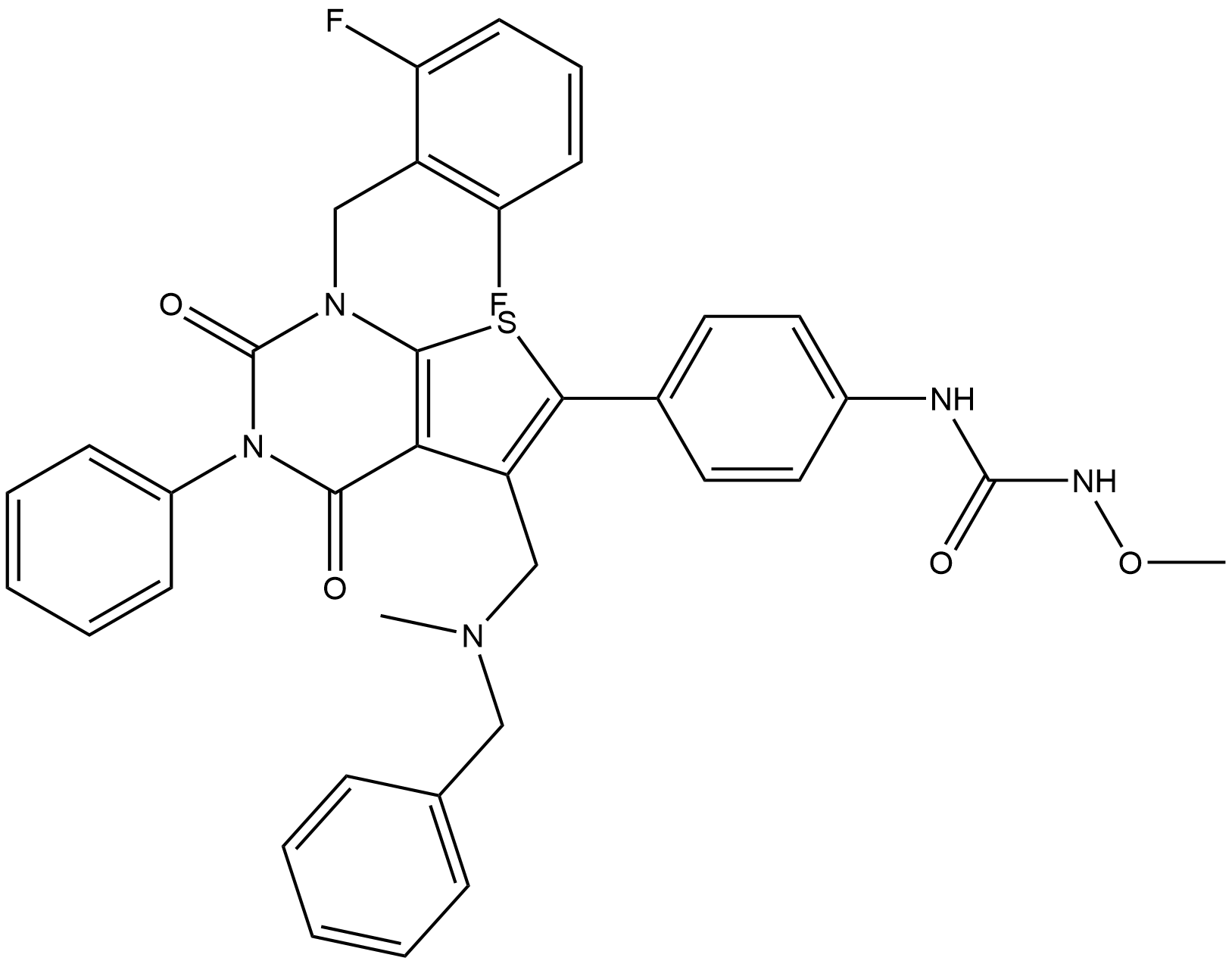 A9034 SufugolixSummary: An orally active non-peptide LHRH receptor antagonist for reproductive endocrinology research.
 -
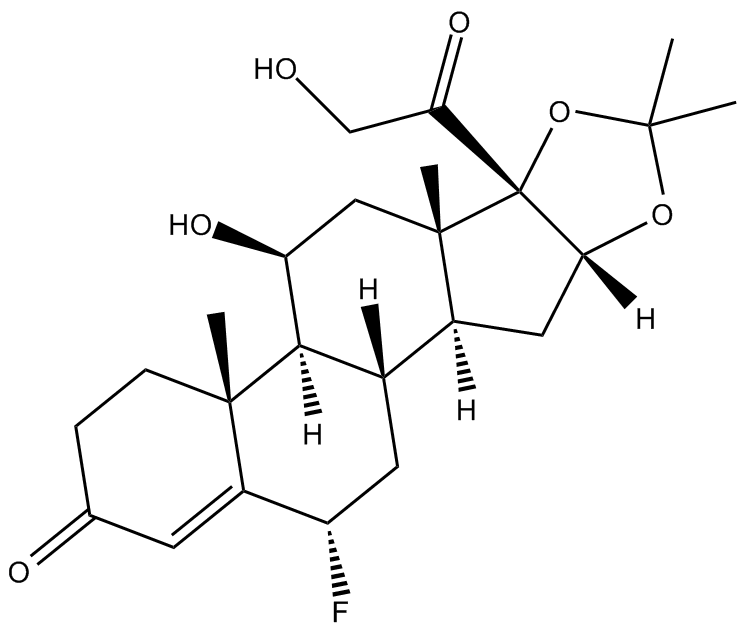 C3172 FlurandrenolideSummary: A synthetic steroid drug used to relieve inflammatory reactions caused by skin allergies.