


Endocrinology and Hormones
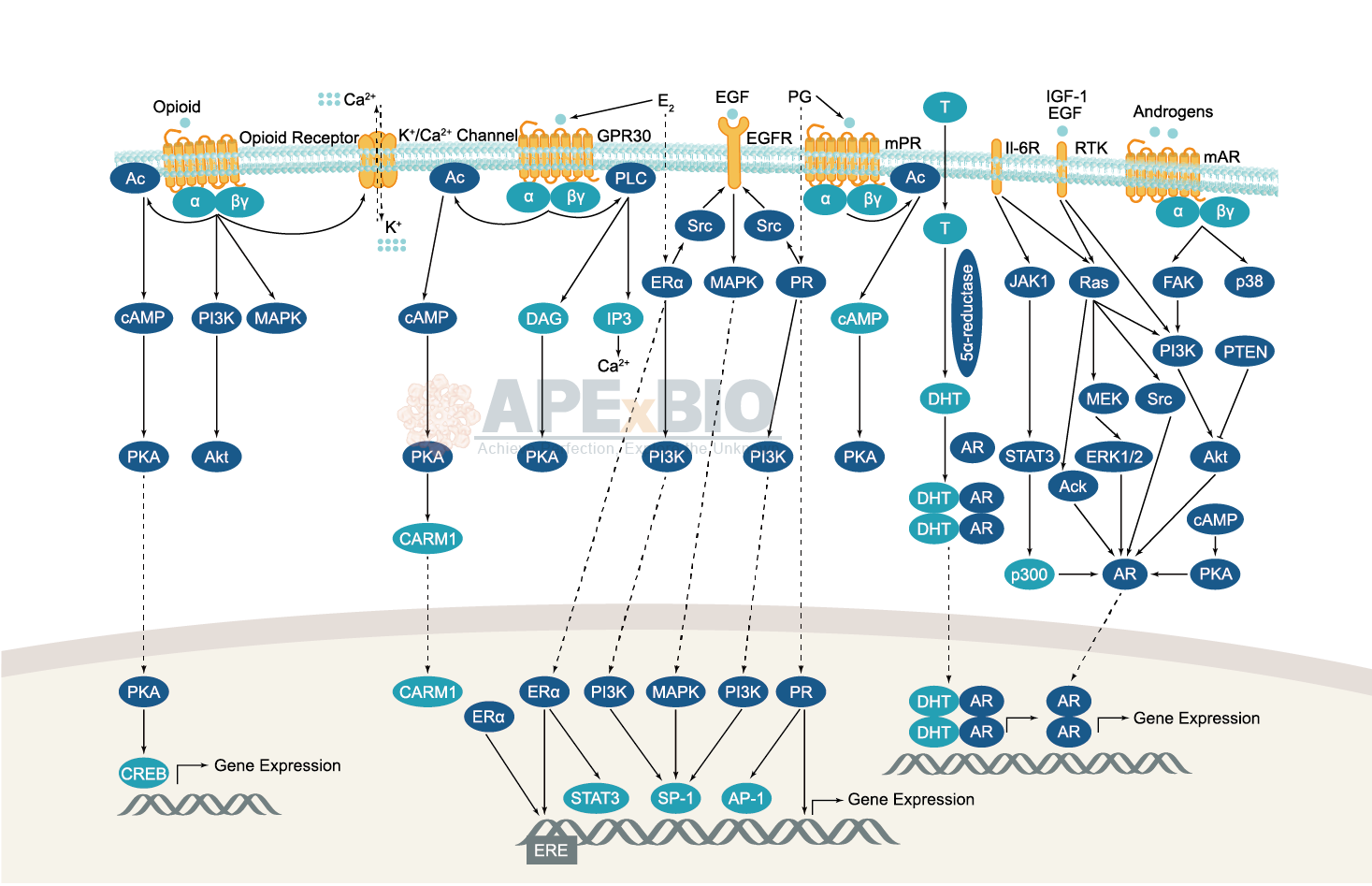
Endocrinology is the study of hormones, their receptors and intracellular signaling pathways, as well as the related diseases. The endocrine system functions can be broadly classified into several categories, including reproduction and sexual differentiation, development and growth, maintenance of the internal environment, and regulation of metabolism/nutrient supply.
There are three types of hormones based on their chemical composition: Amines (e.g. dopamine, adrenalin and noradrenalin); Steroids (e.g. estrogen, testosterone and glucocorticoids); Peptides (e.g. the peptide hormones insulin, ghrelin and vasopressin). Peptide hormones produced by secretory nervous tissue are known as neuropeptides. For example, thyroid hormone plays important parts in development, homeostasis and metabolism, while cortisol is essential for growth, nutrient supply and immune function. Moreover, the regulation of blood glucose involves several pancreatic peptide insulin and its counter regulatory hormone, glucagon, as well as cortisol, growth hormone and epinephrine.
Dysregulations in endocrine system are implicated in diseases such as Acromegaly, Cushing Syndrome, Diabetes, Dwarfism, Graves Disease, Hermaphroditism, Delayed and Precocious Puberty and Thyroid Diseases.
-
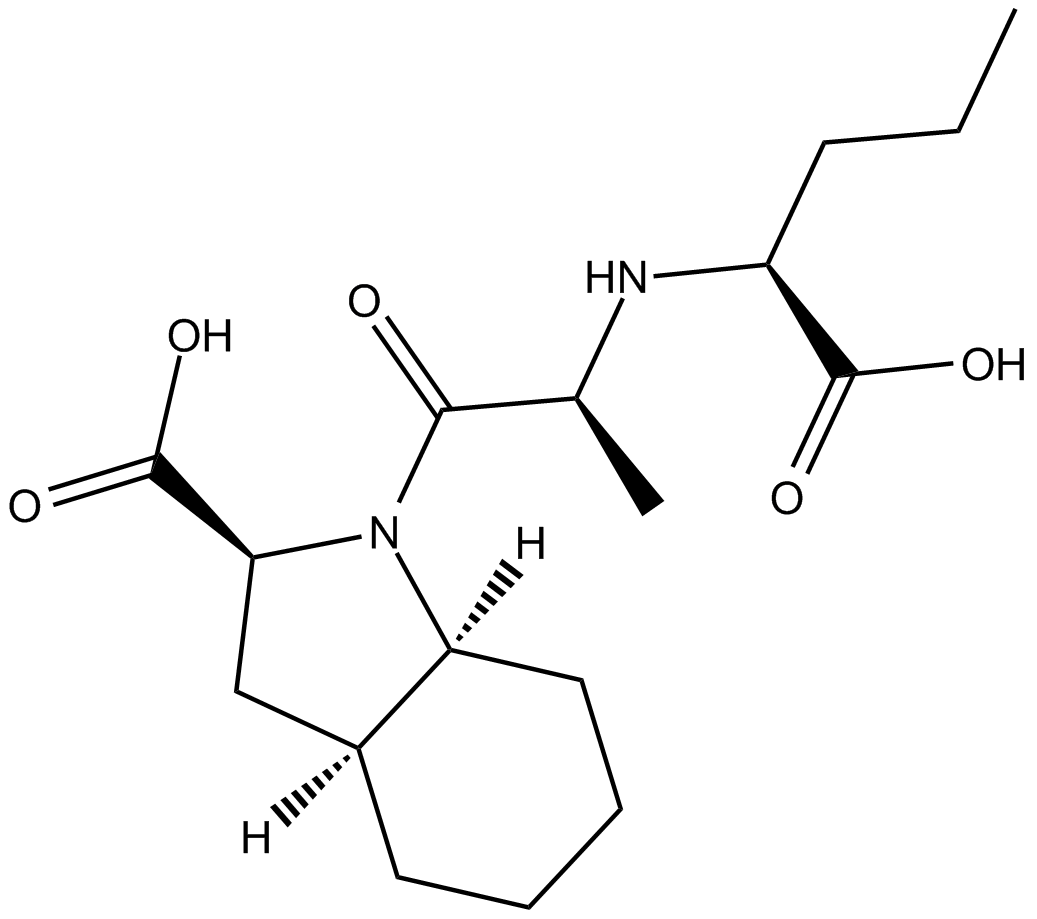 C5210 PerindoprilatSummary: A potent angiotensin-converting enzyme (ACE) inhibitor.
 -
 C9111 BavdegalutamideSummary: A selective androgen receptor-degrading PROTAC for in vitro and in vivo preclinical research use.
 -
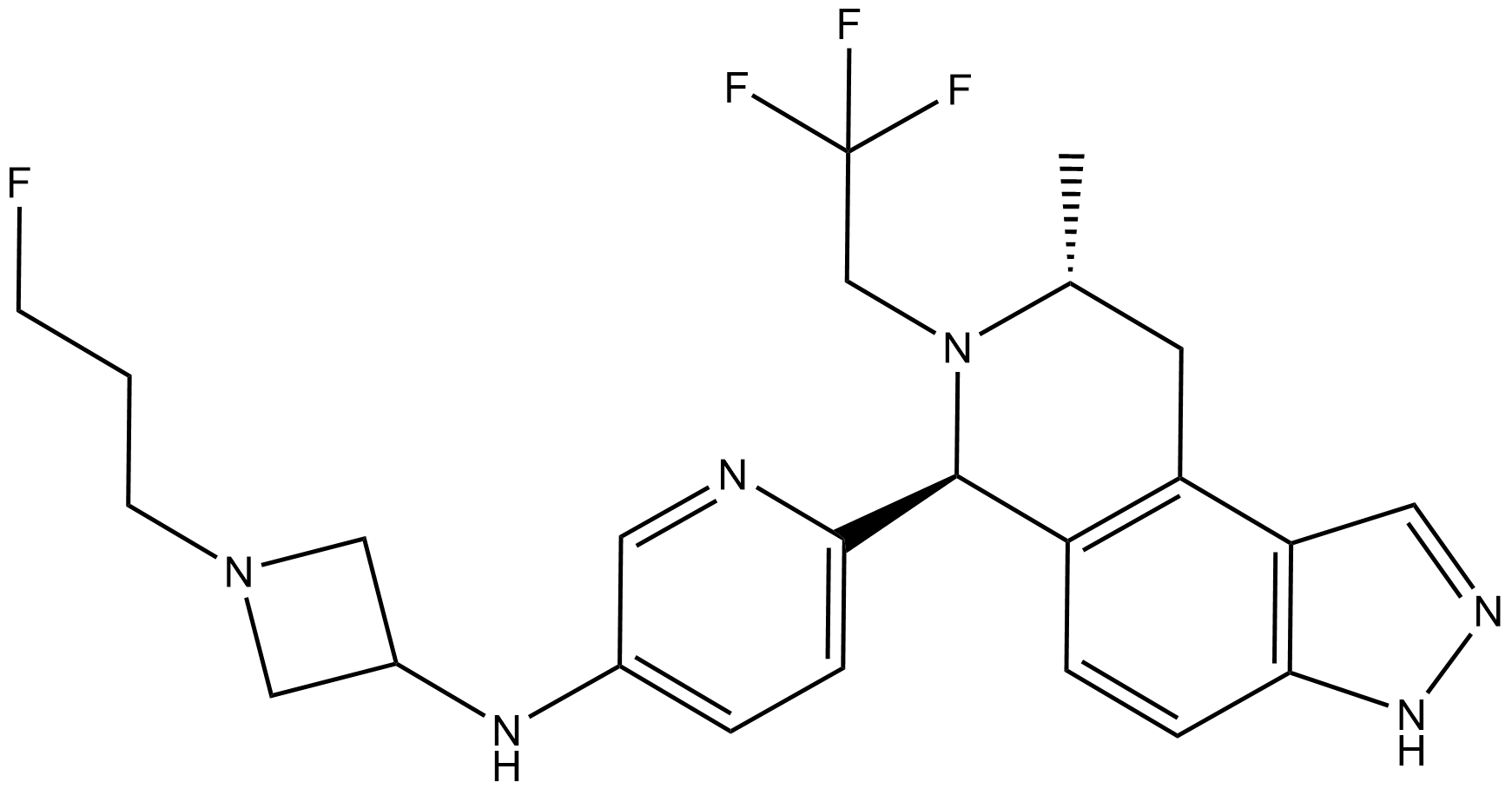 C9124 CamizestrantSummary: A nonsteroidal selective estrogen receptor α antagonist and degrader for in vitro ERα pathway research.