


Cancer Biology
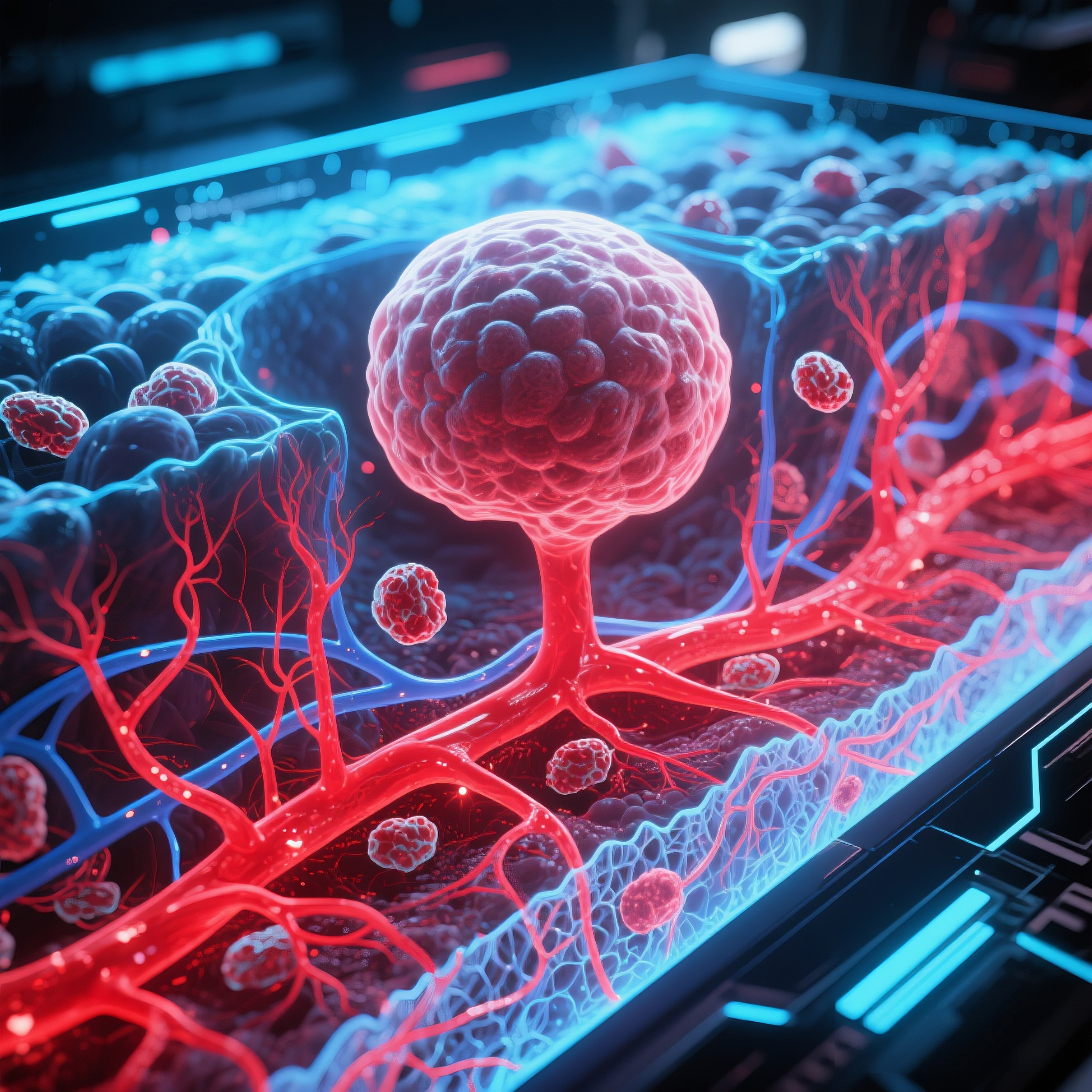
Cancer remains one of the leading causes of morbidity and mortality worldwide. A diverse array of chemical and biological compounds has been developed to target cancer cells through various mechanisms, ranging from direct cytotoxicity to modulation of specific molecular pathways.
Traditional chemotherapeutic agents, such as alkylating agents, antimetabolites, topoisomerase inhibitors, and mitotic inhibitors, exert their effects primarily by interfering with DNA replication or cell division, thereby preferentially targeting rapidly proliferating tumor cells. Targeted therapy agents, such as tyrosine kinase inhibitors and proteasome inhibitors, selectively suppress oncogenic signaling pathways, thereby offering enhanced specificity and reduced systemic toxicity. Immunotherapeutic agents, such as immune checkpoint inhibitors, harness the immune system to recognize and eliminate cancer cells. In addition, epigenetic modulators, DNA repair inhibitors, and angiogenesis-targeting compounds constitute novel therapeutic strategies.
-
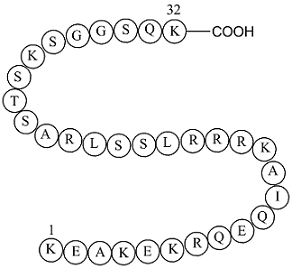 A1118 S6 Kinase Substrate Peptide 32Summary: Measures the activity of kinases that phosphorylate ribosomal protein S6.
 -
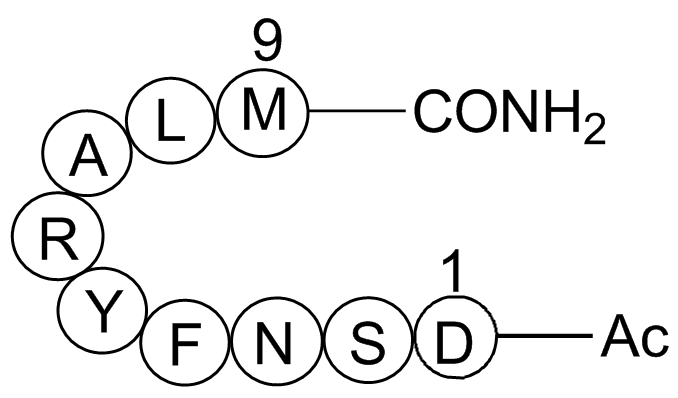 A1133 Epidermal growth factor receptor (994-1002) acetyl/amideSummary: EGF-family receptor
 -
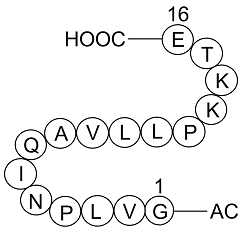 A1146 Histone-H2A-(107-122)-Ac-OHSummary: Histone-H2A peptide
 -
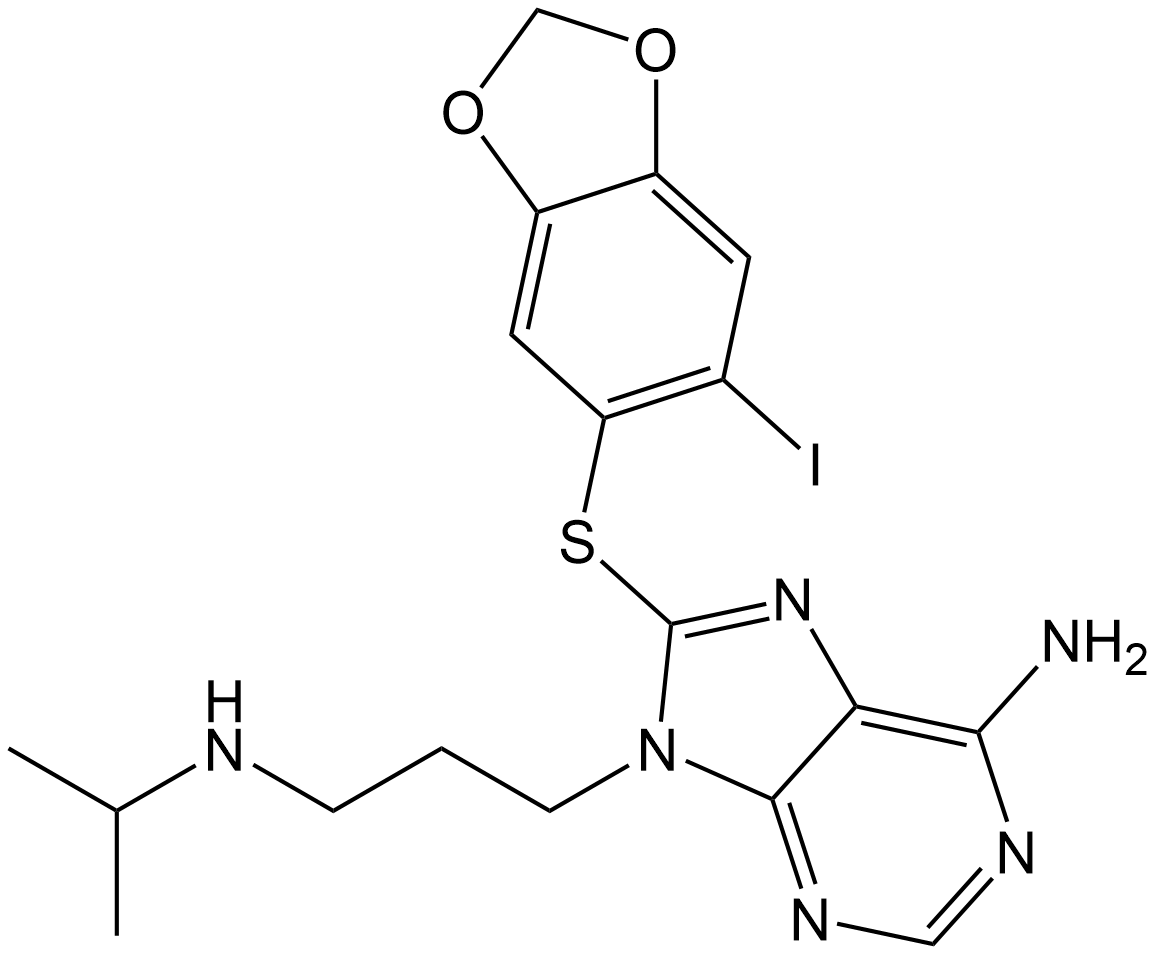 A3739 ZelavespibTarget: HSP90Summary: An effective heat shock protein 90 (Hsp90) inhibitor.
 -
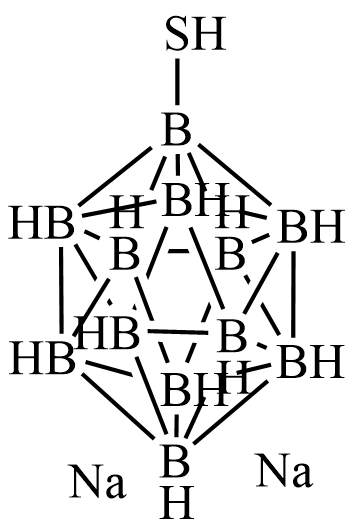 C8663 BSHSummary: A boron delivery agent targeting tumors
 -
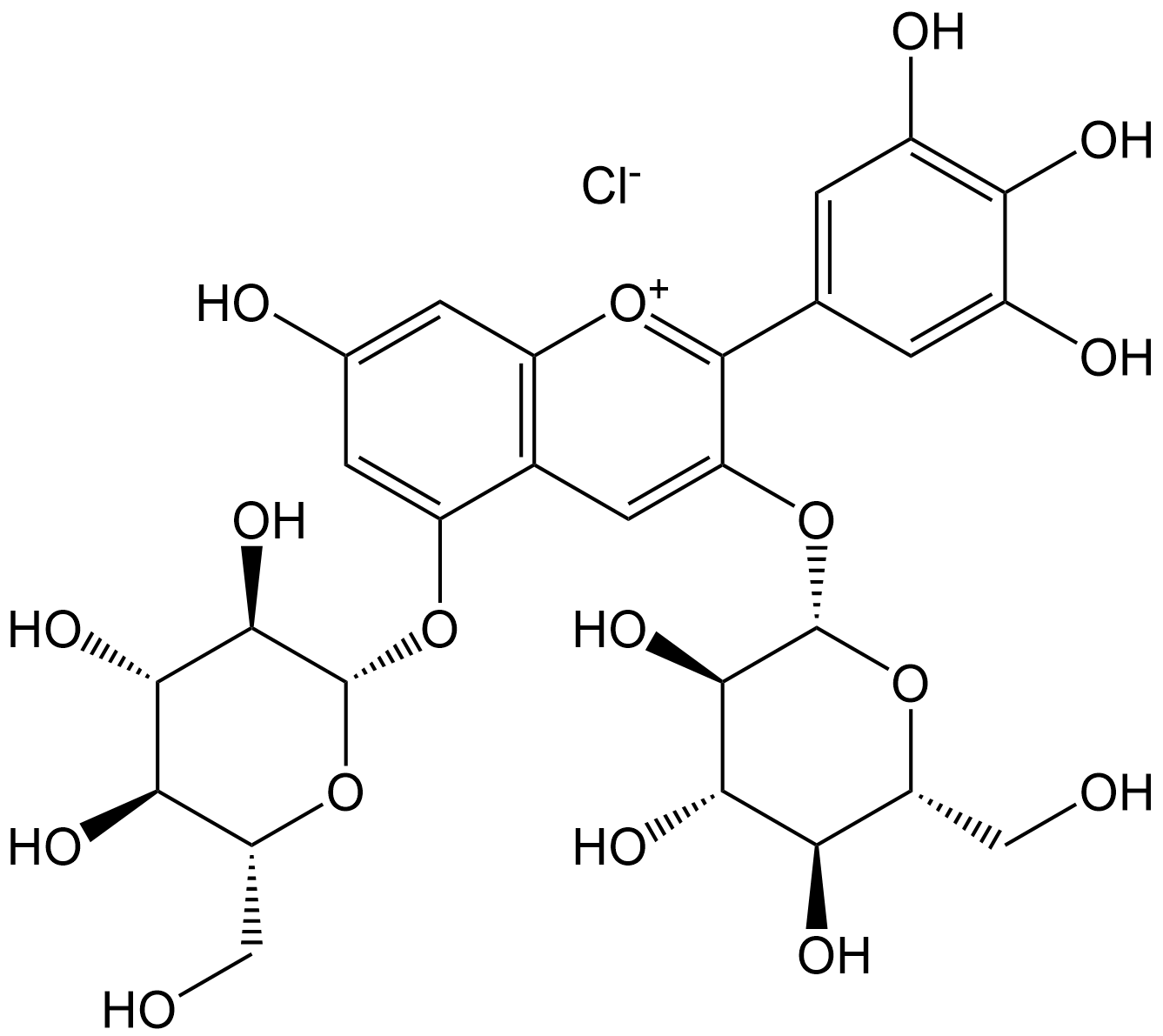 N2875 Delphinidin 3,5-diglucosideSummary: A natural anthocyanin
 -
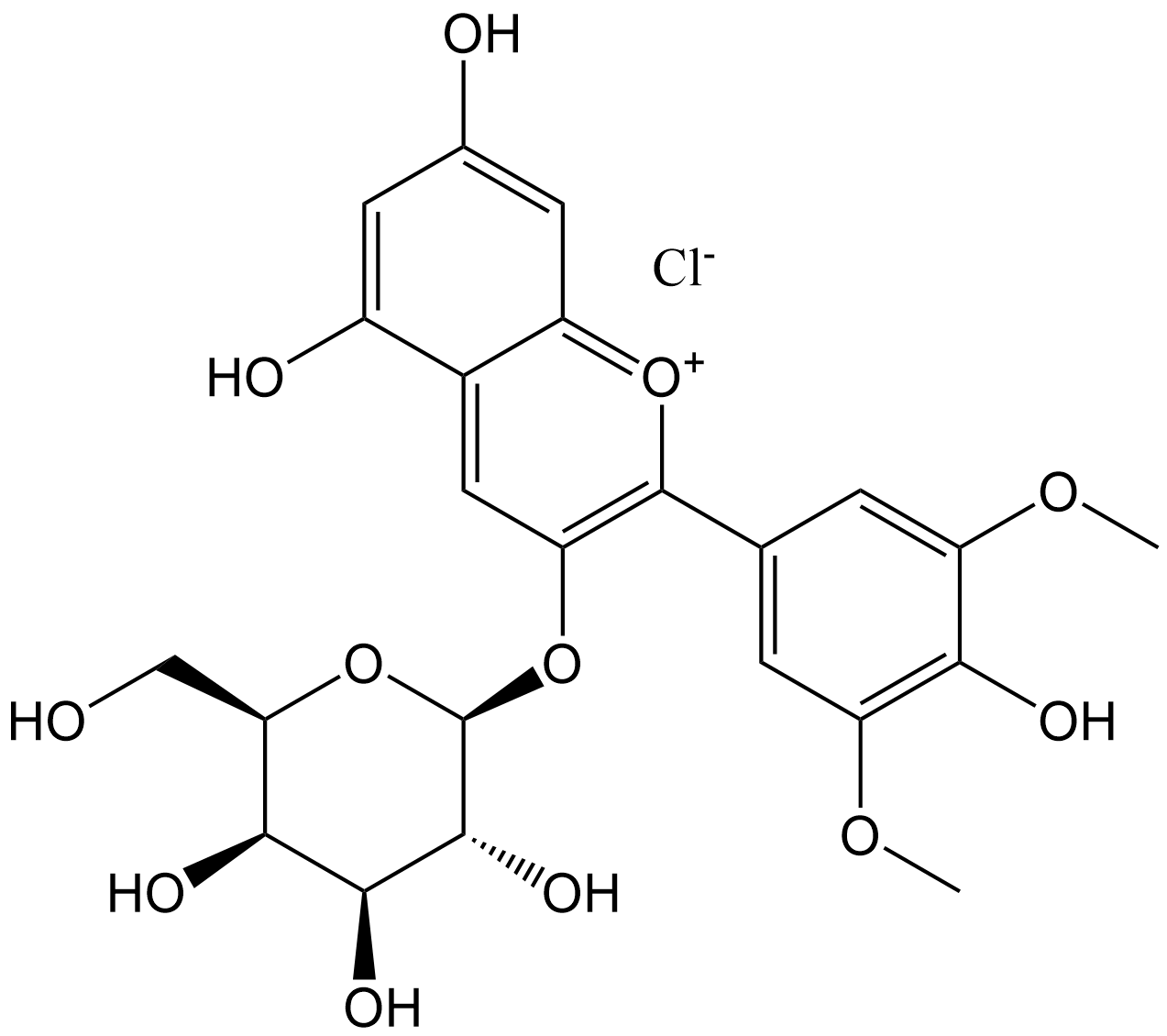 N2876 Malvidin 3-galactoside chlorideSummary: A natural anthocyanin
 -
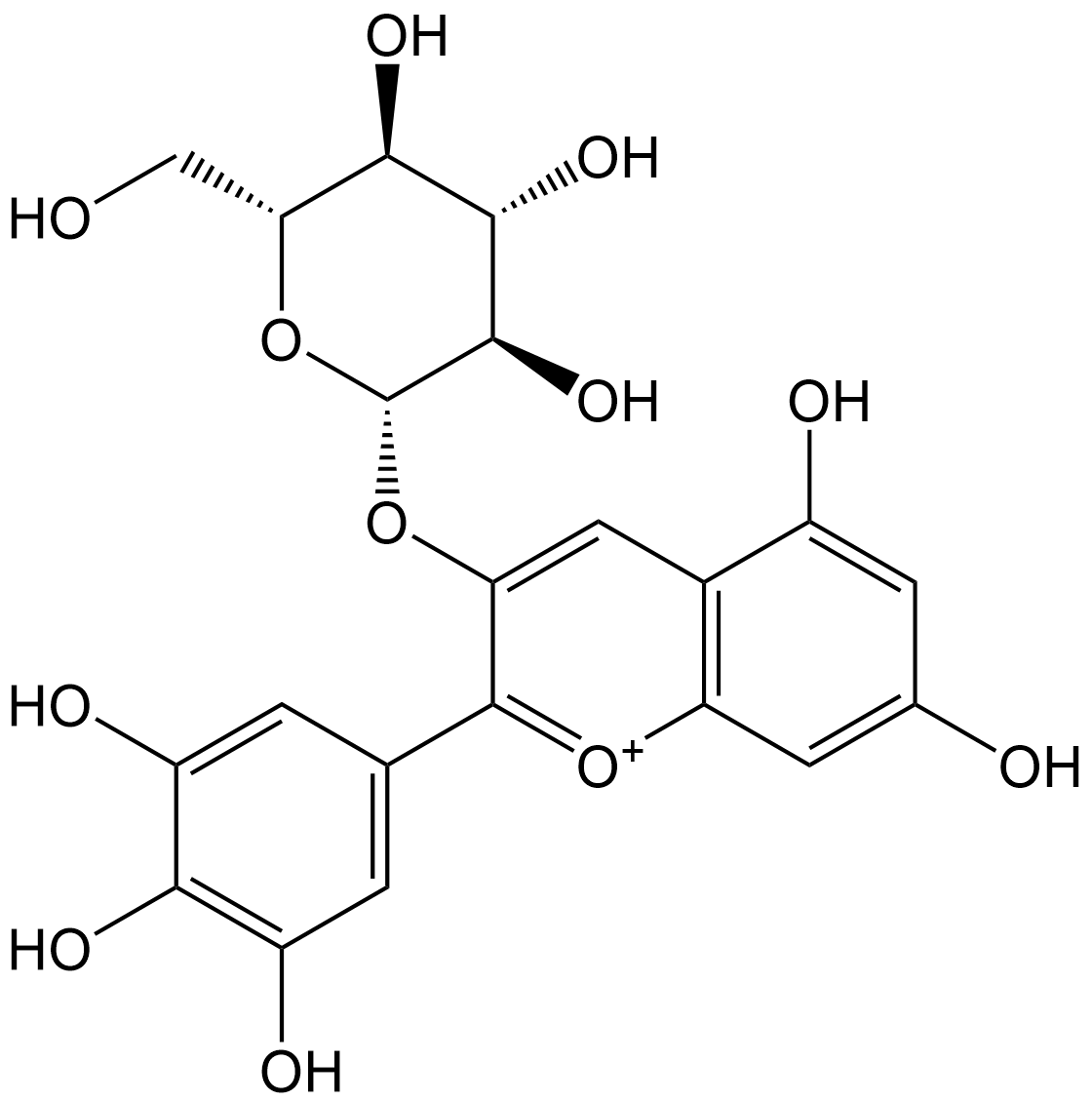 N2877 Delphinidin-3-B-D-glucosideSummary: A natural anthocyanin
 -
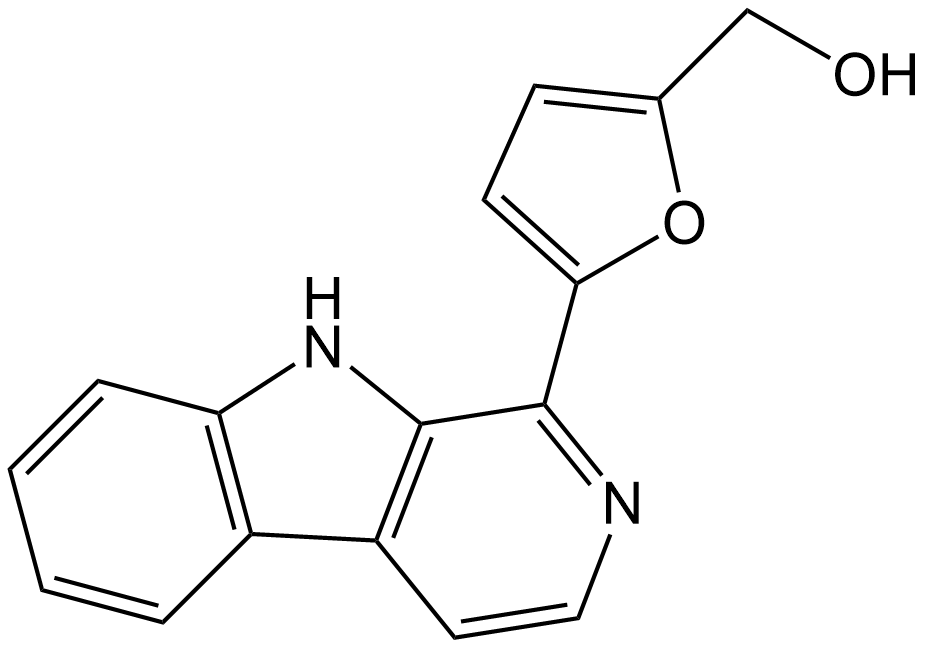 N2880 PerlolyrineSummary: A natural β-carboline compound
 -
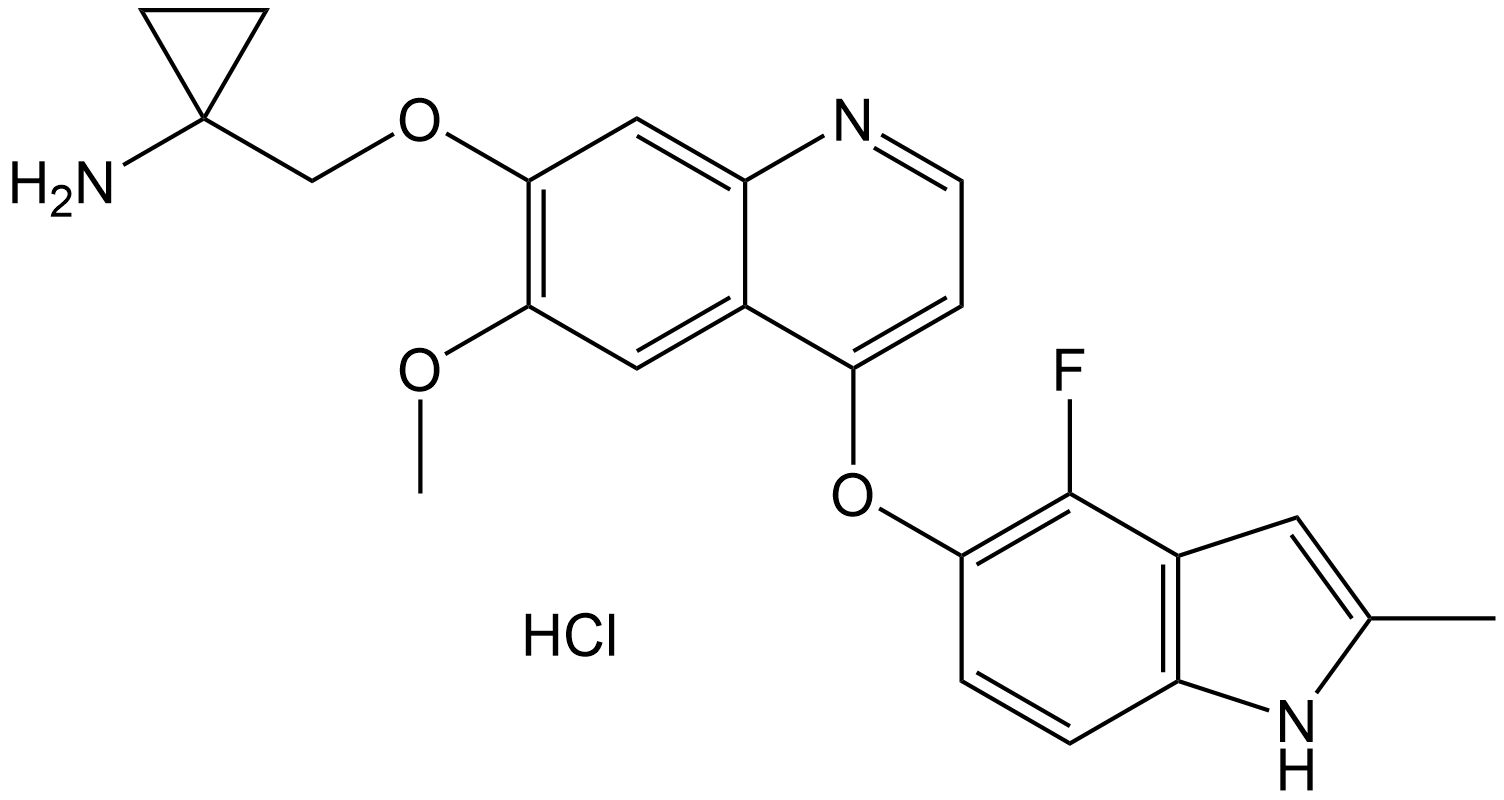 C8688 Anlotinib (hydrochloride)Summary: A tyrosine kinase inhibitor