


Cancer Biology

Cancer remains one of the leading causes of morbidity and mortality worldwide. A diverse array of chemical and biological compounds has been developed to target cancer cells through various mechanisms, ranging from direct cytotoxicity to modulation of specific molecular pathways.
Traditional chemotherapeutic agents, such as alkylating agents, antimetabolites, topoisomerase inhibitors, and mitotic inhibitors, exert their effects primarily by interfering with DNA replication or cell division, thereby preferentially targeting rapidly proliferating tumor cells. Targeted therapy agents, such as tyrosine kinase inhibitors and proteasome inhibitors, selectively suppress oncogenic signaling pathways, thereby offering enhanced specificity and reduced systemic toxicity. Immunotherapeutic agents, such as immune checkpoint inhibitors, harness the immune system to recognize and eliminate cancer cells. In addition, epigenetic modulators, DNA repair inhibitors, and angiogenesis-targeting compounds constitute novel therapeutic strategies.
-
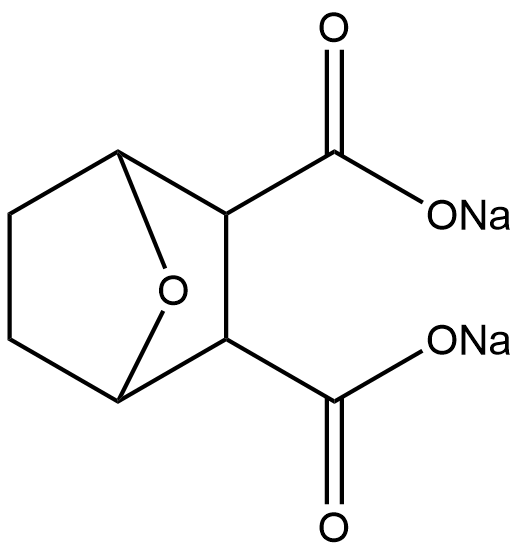 N2881 Demethylcantharidate disodiumSummary: A protein serine/threonine phosphatase (PP1, PP2A, PP2B) inhibitor
 -
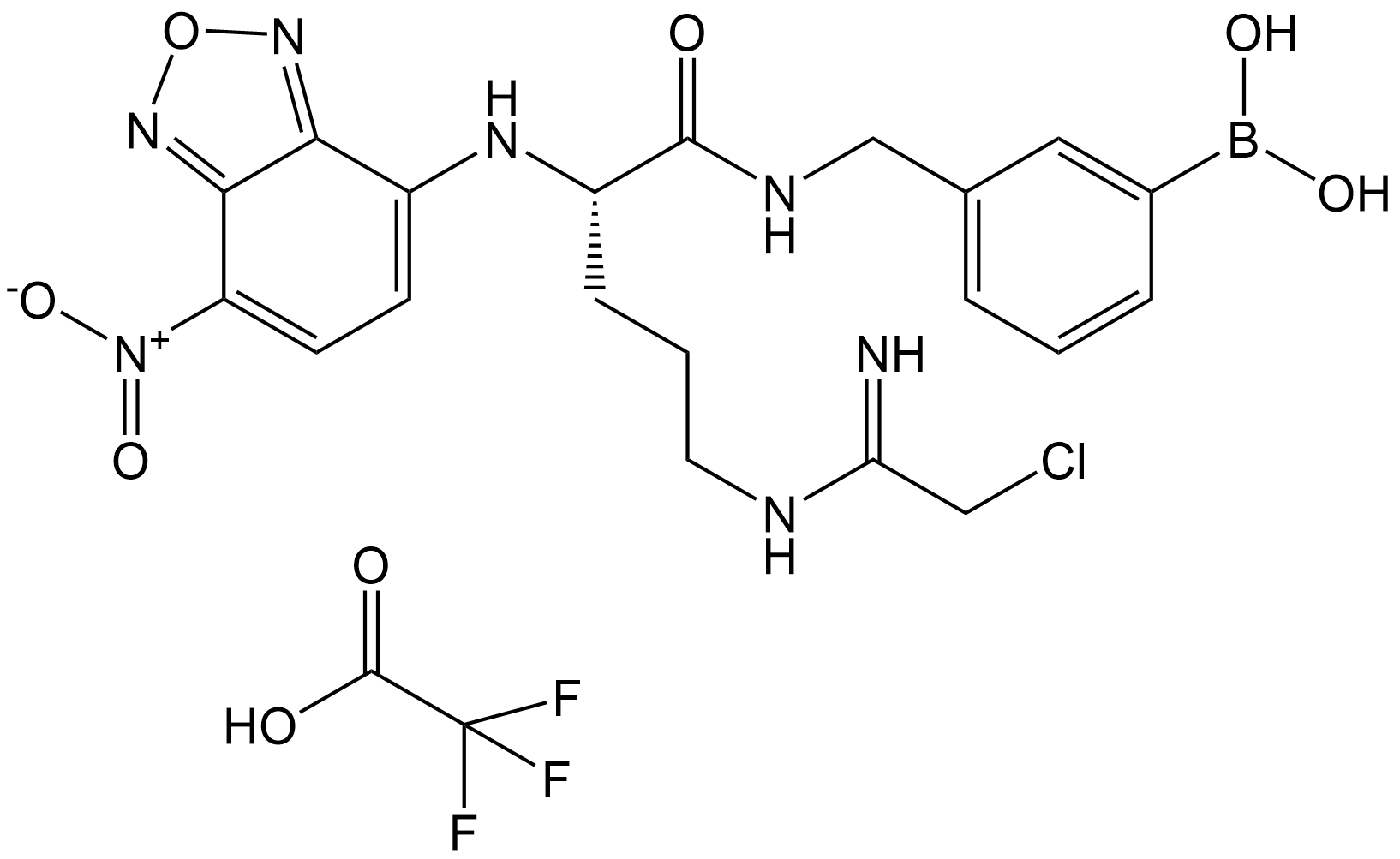 C8757 PAD4-IN-2 TFASummary: A PAD4 inhibitor
 -
 C8147 DaunomycinoneSummary: Daunomycinone (NSC-109351) is a metabolite of Daunomycin.
 -
C8496 Anti-melanoma agent 1
-
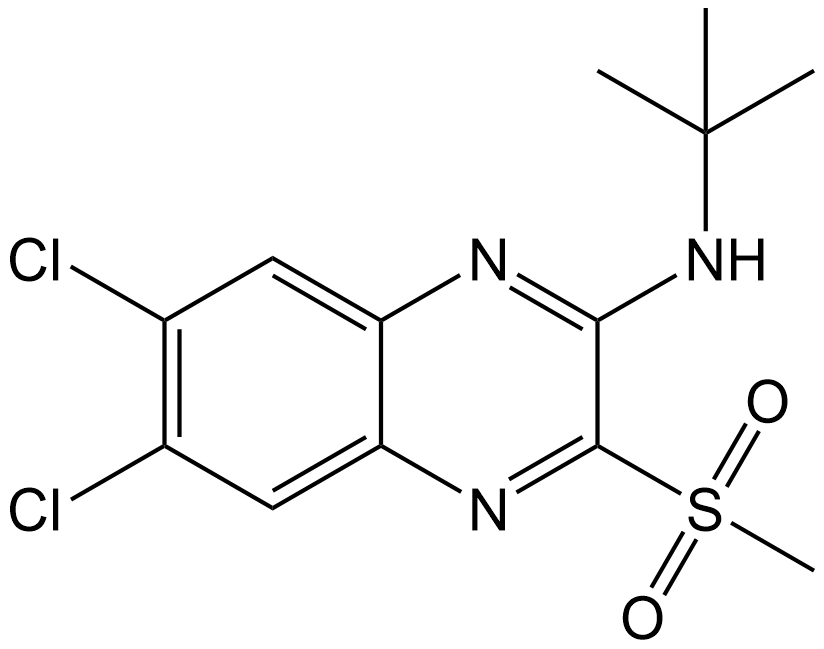 C8808 DMBSummary: An orally active GLP-1R agonist
 -
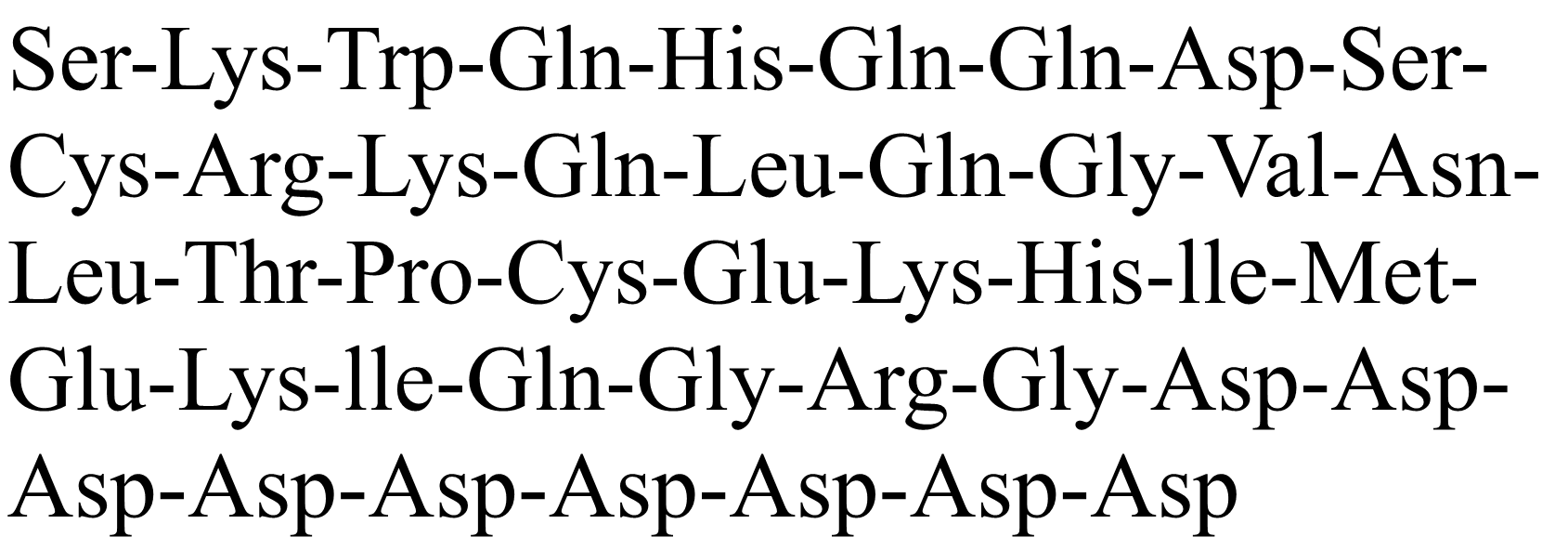 N2964 LunasinSummary: A soybean-derived bioactive peptide, commonly used in basic research experiments related to epigenetic regulation and cancer biology.
 -
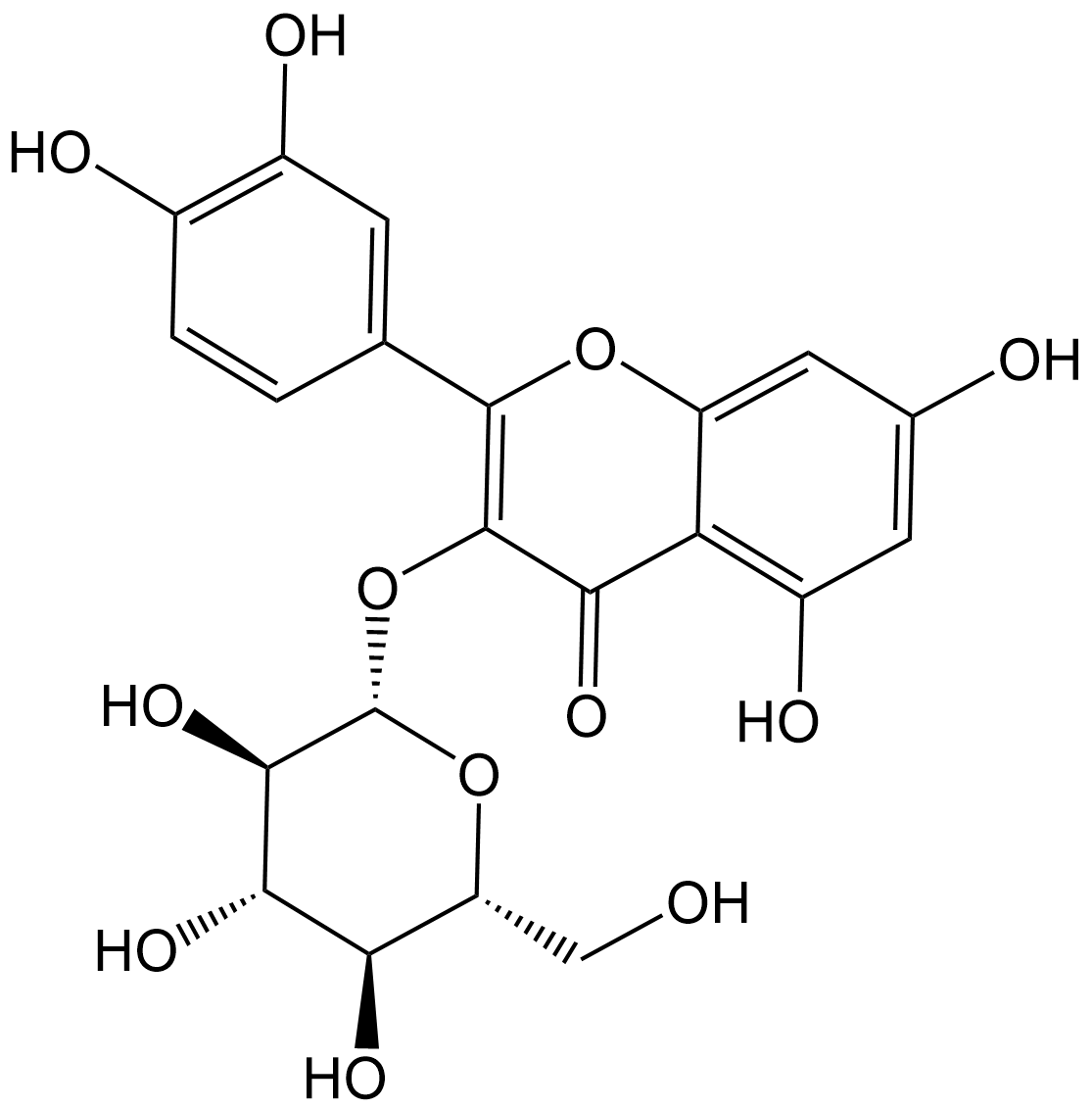 N2895 IsoquercitrinSummary: A natural polyphenolic flavonoid inhibitor of the Wnt/β-catenin pathway.
 -
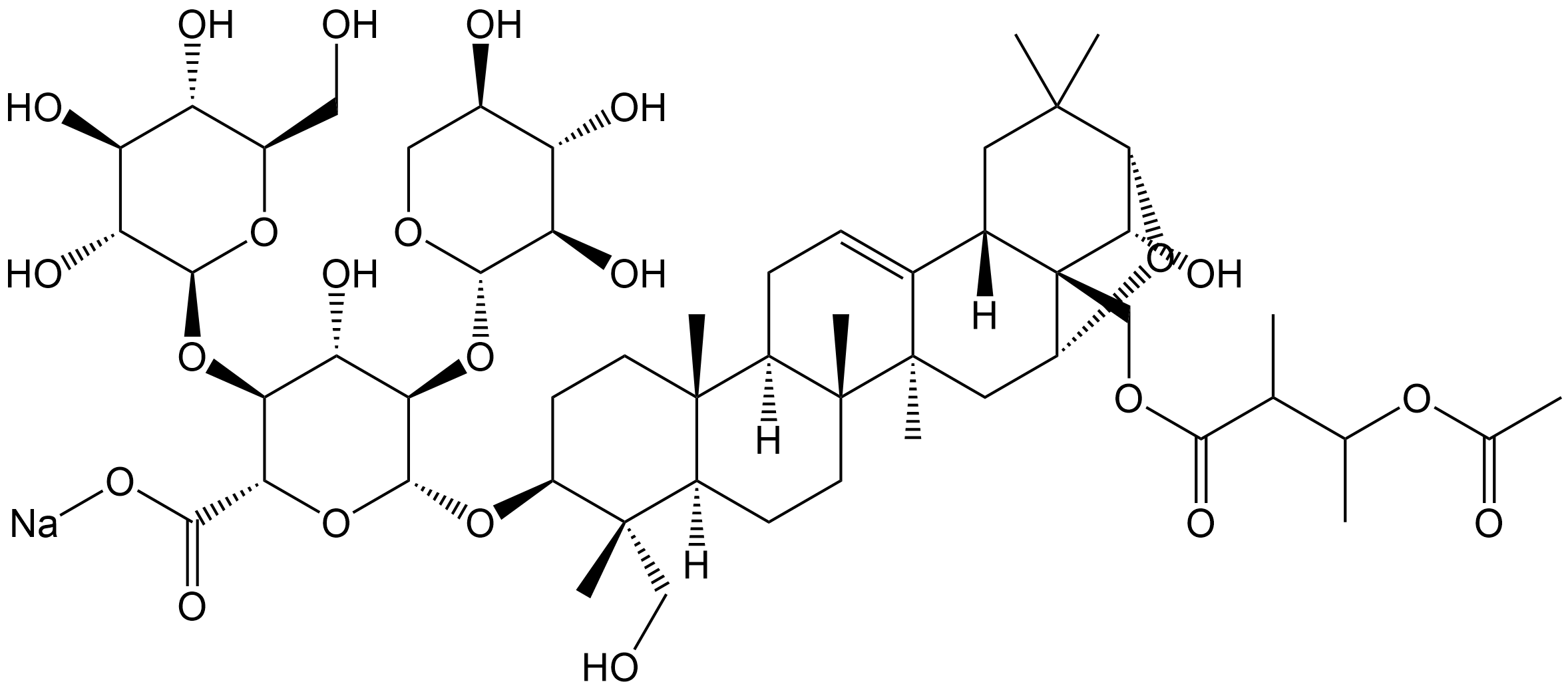 N2896 Sodium aescinateSummary: A triterpenoid saponin compound that regulates the CARMA3/NF-κB signaling pathway.
 -
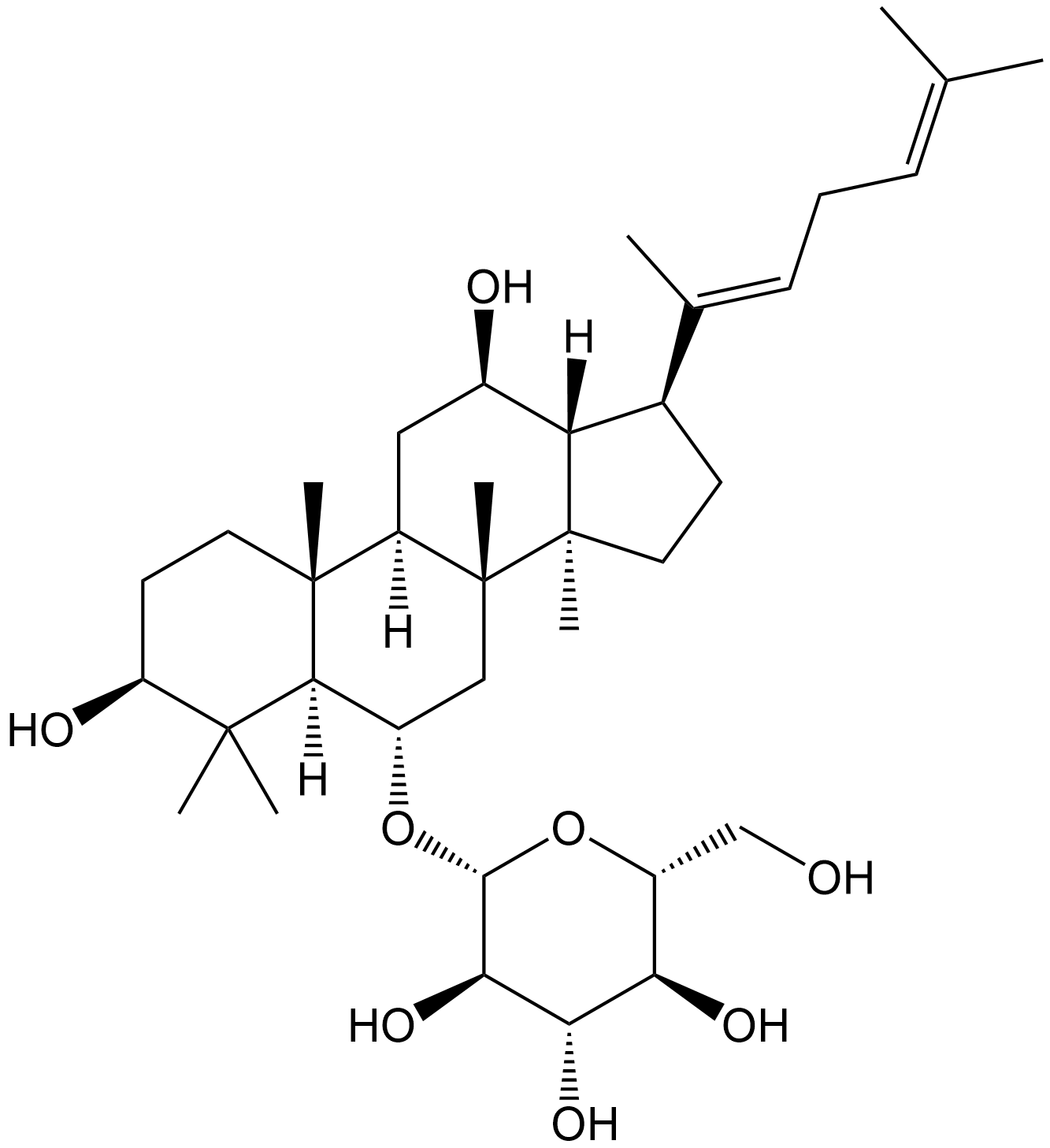 N2900 Ginsenoside Rh4Summary: A rare saponin compound derived from Panax notoginseng.
 -
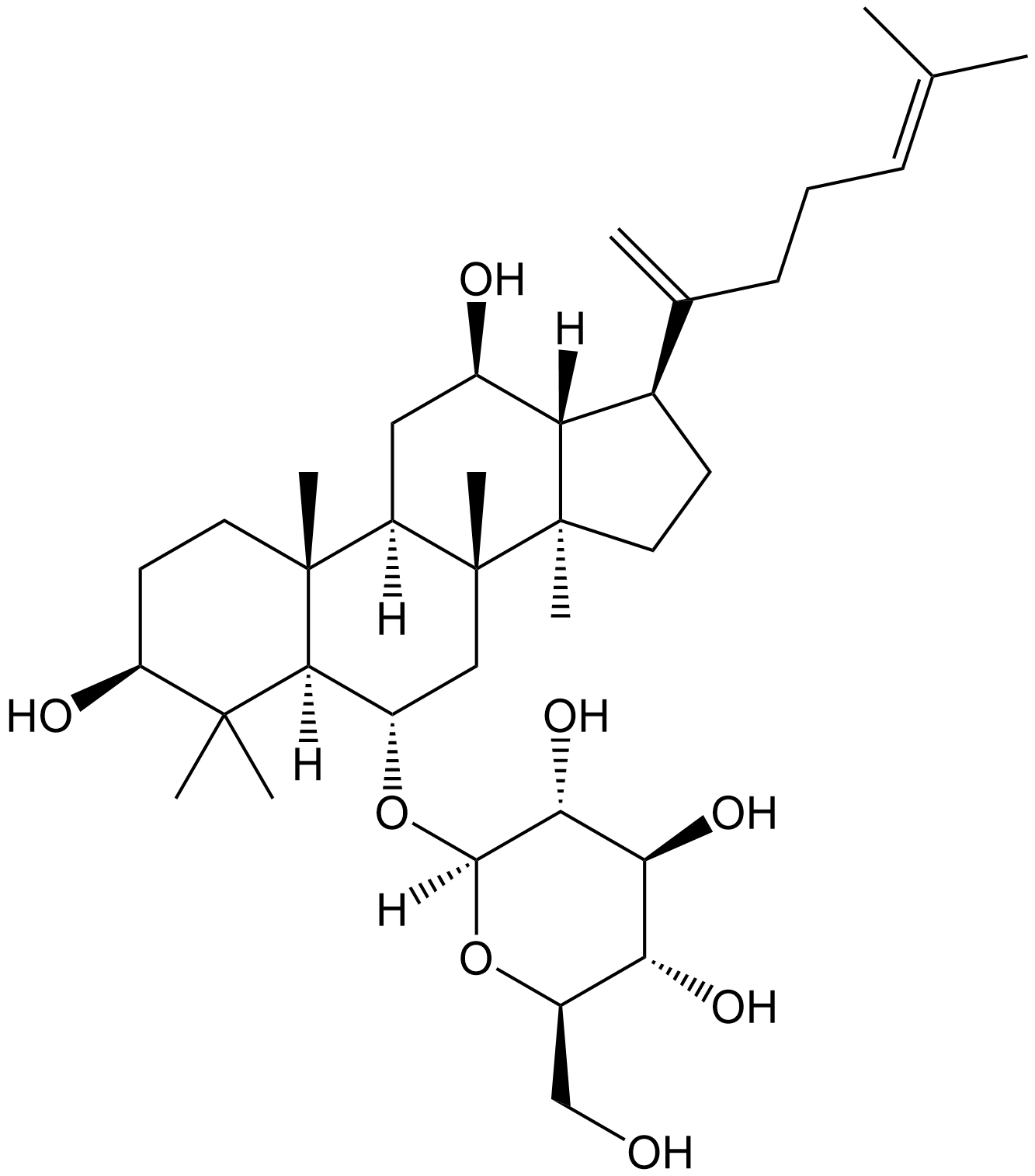 N2901 Ginsenoside Rk3Summary: A saponin NF-κB transcriptional activity inhibitor derived from ginseng root.