


Anti-infection
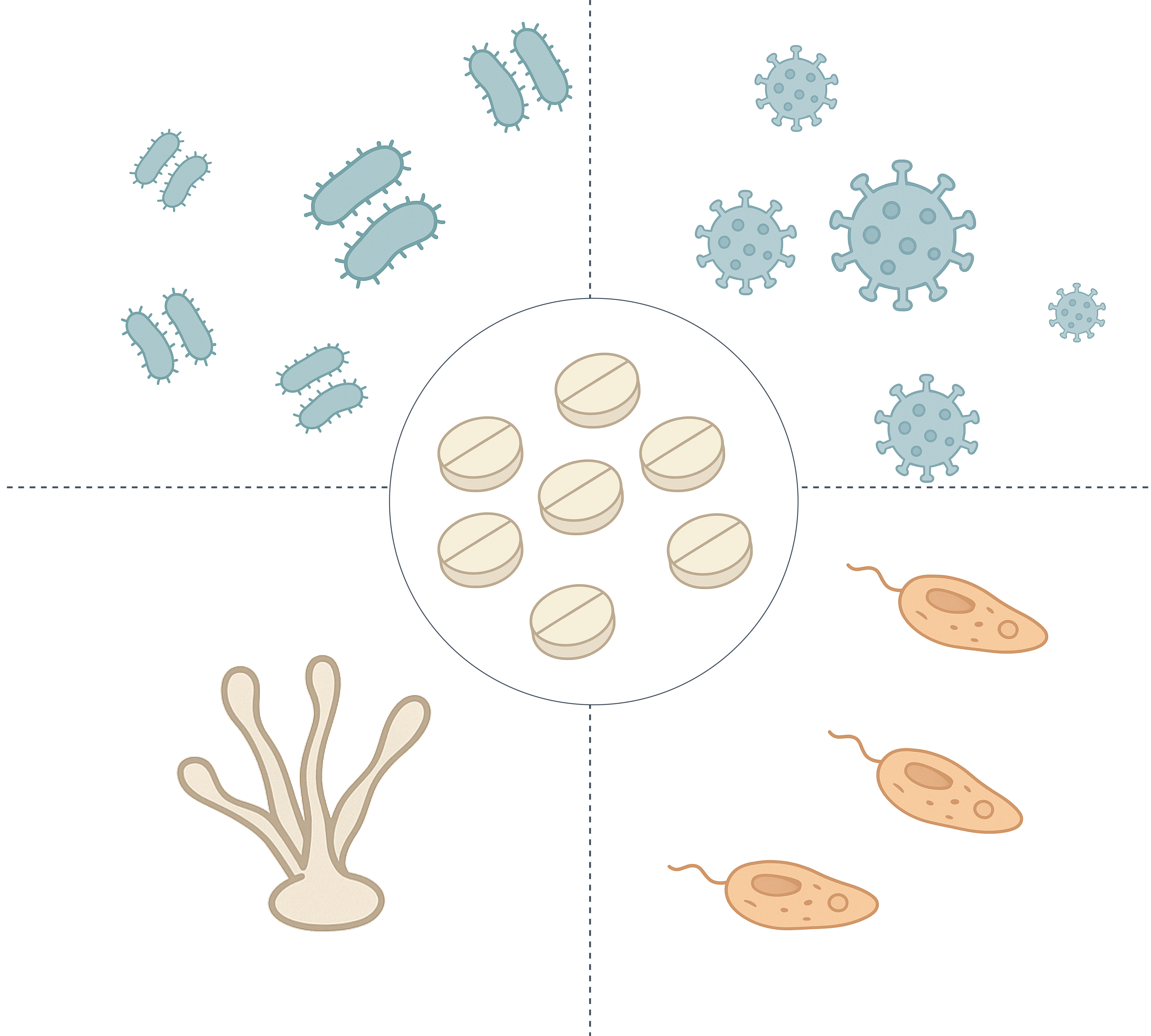
Anti-infectives are agents that eliminate or inhibit the spread of infectious organisms, encompassing antibiotics, antifungals, antivirals, and antiprotozoals.
Antibiotics are a class of antimicrobial agents specifically designed to target bacterial pathogens. They exert their effects by interfering with essential bacterial processes such as cell wall synthesis, protein synthesis, nucleic acid replication, and metabolic pathways, thereby either inhibiting bacterial growth or inducing bacterial death.
Antifungals are antimicrobial agents employed to combat fungal infections (mycoses) in humans and animals. Common antifungal classes include azoles, polyenes, echinocandins, and allylamines, which function by disrupting unique fungal structures or pathways, such as the synthesis or integrity of ergosterol-containing cell membranes and β-glucan-based cell walls, or by interfering with nucleic acid or protein synthesis.
Antivirals are compounds developed to inhibit the replication and spread of viruses within host organisms. Antivirals typically act by blocking viral entry, genome replication, protein processing, or virion assembly and release. Representative examples include nucleoside analogs, protease inhibitors, and neuraminidase inhibitors.
Antiprotozoals are drugs used to treat infections caused by protozoan parasites, including malaria, amebiasis, giardiasis, and trypanosomiasis. They act through a variety of mechanisms, including inhibition of nucleic acid synthesis, interference with mitochondrial function, and disruption of heme detoxification pathways in susceptible parasites.
-
 BA4627 SinigrinSummary: Sinigrin is the major mustard oil glycoside present in cruciferous plants.
 -
BA5798 AtranorinSummary: Atranorin is a secondary metabolite of lichens.
-
BA6665 MiltironeSummary: Miltirone is a natural product in existence.
-
BA8538 PipercideSummary: Pipercide is an amide found in the fruits of the genus Piper.
-
BA8802 BV02Summary: BV02 is an effective inhibitor.
-
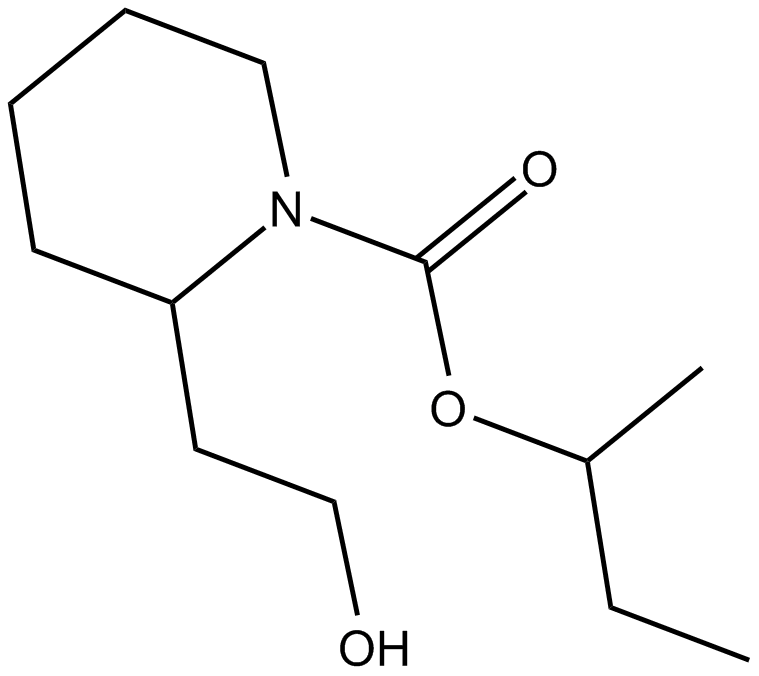 C5300 PicaridinSummary: A broad-spectrum arthropod repellent used to repel mosquitoes and ticks.
 -
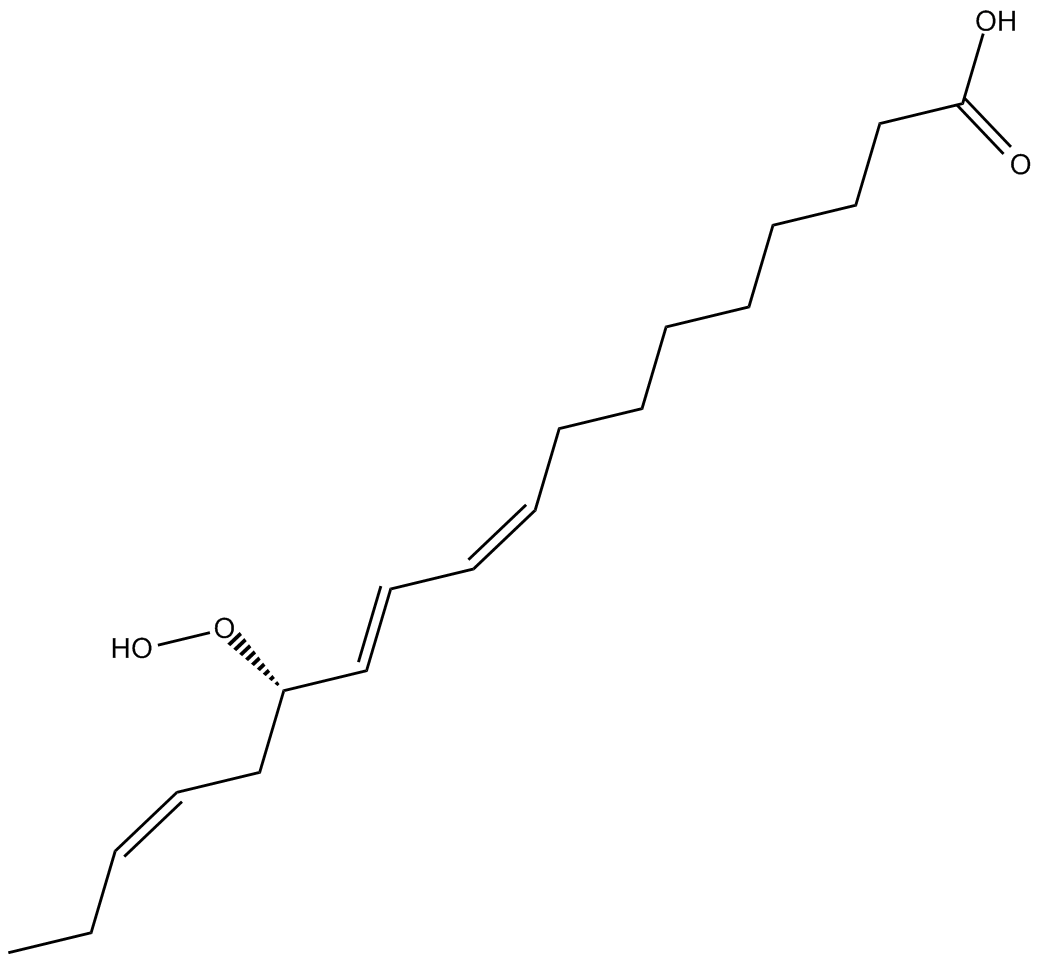 C5493 13(S)-HpOTrESummary: A linolenic acid-derived hydroperoxide that can inhibit plant pathogenic bacteria in a dose-dependent manner.
 -
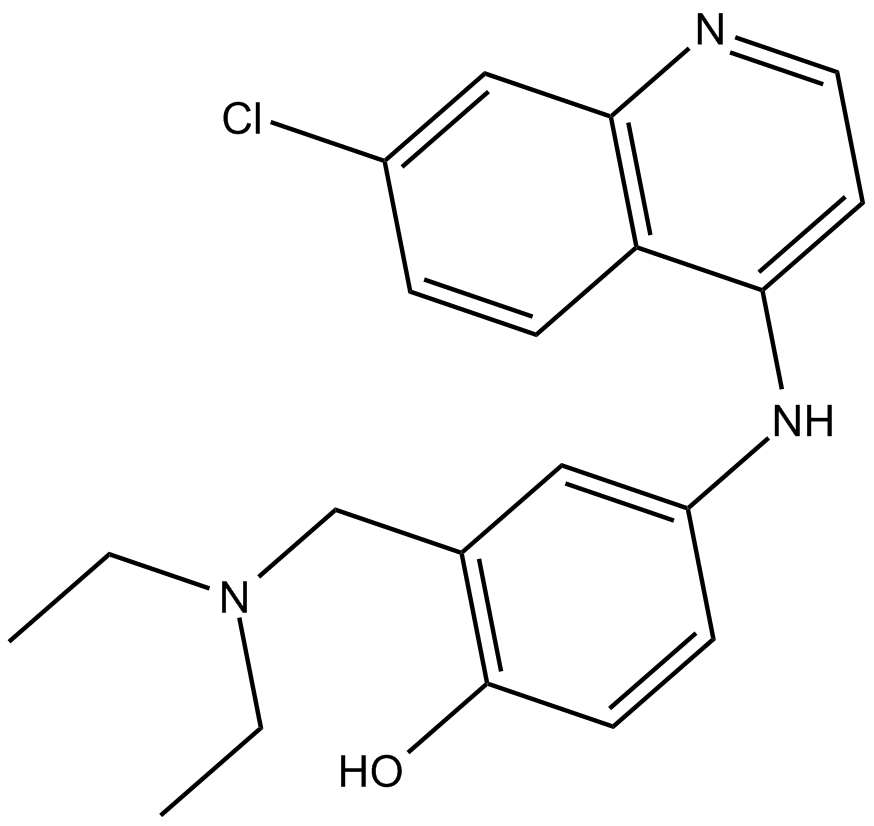 C5650 AmodiaquineSummary: An aminoquinoline antimalarial compound
 -
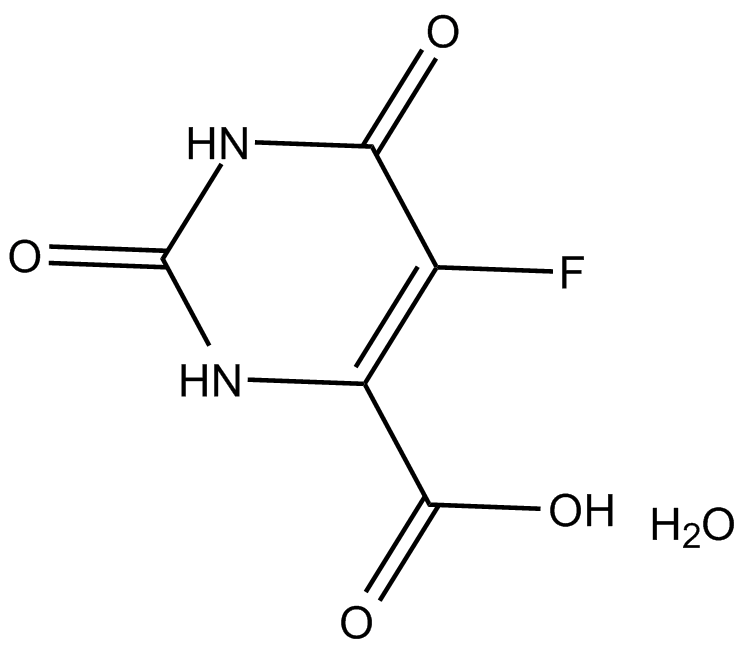 C5684 5-fluoro Orotic Acid (hydrate)Summary: A genetic reagent used to select yeast strains with mutations in the URA3 gene.
 -
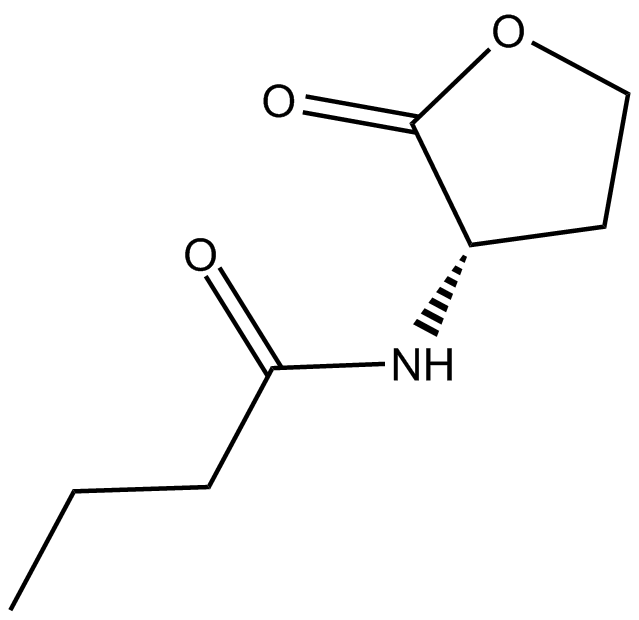 C5727 N-butyryl-L-Homoserine lactoneSummary: A signaling molecule for quorum sensing research, antibacterial biofilms, and ADC synthesis.