


Anti-infection
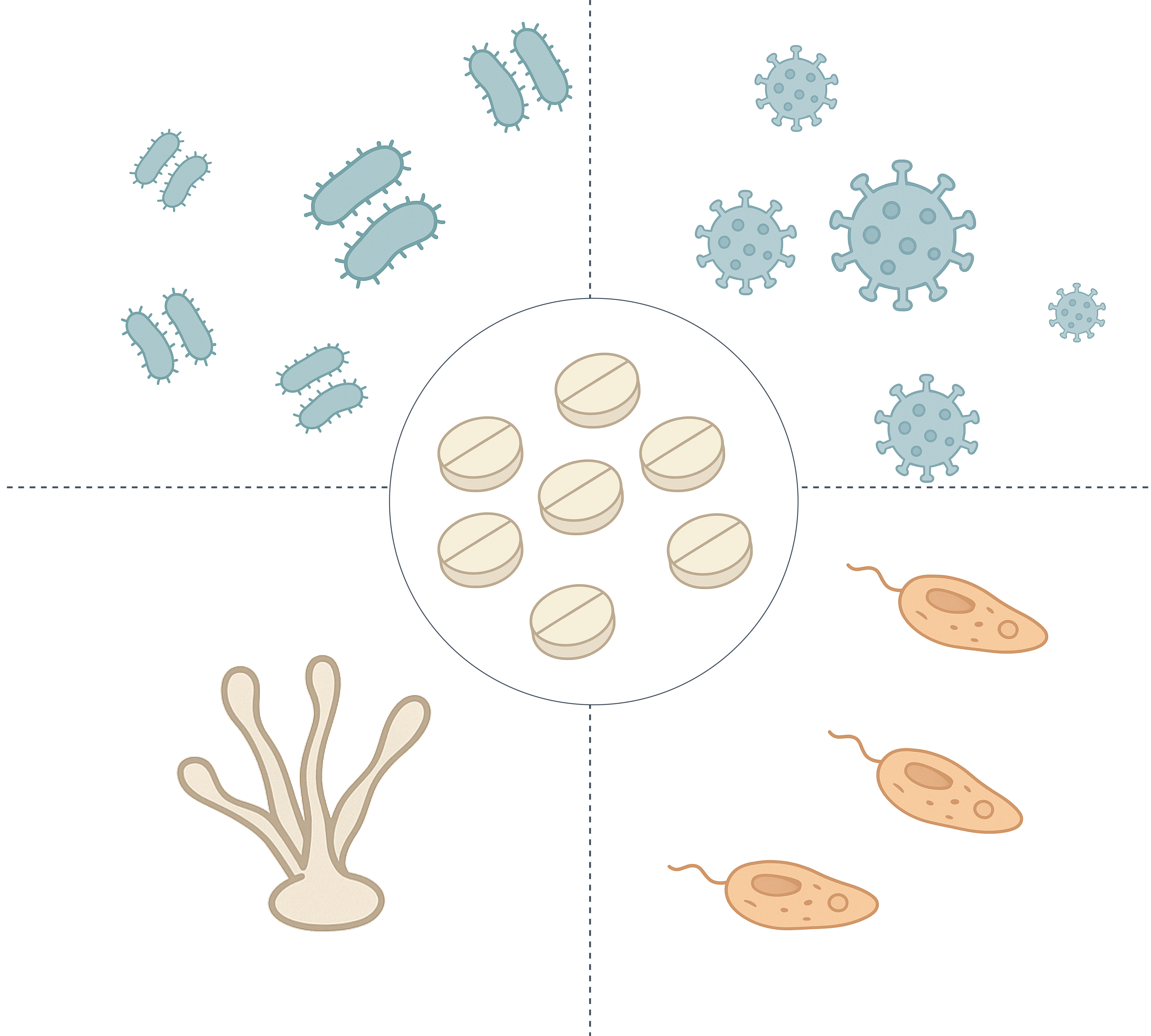
Anti-infectives are agents that eliminate or inhibit the spread of infectious organisms, encompassing antibiotics, antifungals, antivirals, and antiprotozoals.
Antibiotics are a class of antimicrobial agents specifically designed to target bacterial pathogens. They exert their effects by interfering with essential bacterial processes such as cell wall synthesis, protein synthesis, nucleic acid replication, and metabolic pathways, thereby either inhibiting bacterial growth or inducing bacterial death.
Antifungals are antimicrobial agents employed to combat fungal infections (mycoses) in humans and animals. Common antifungal classes include azoles, polyenes, echinocandins, and allylamines, which function by disrupting unique fungal structures or pathways, such as the synthesis or integrity of ergosterol-containing cell membranes and β-glucan-based cell walls, or by interfering with nucleic acid or protein synthesis.
Antivirals are compounds developed to inhibit the replication and spread of viruses within host organisms. Antivirals typically act by blocking viral entry, genome replication, protein processing, or virion assembly and release. Representative examples include nucleoside analogs, protease inhibitors, and neuraminidase inhibitors.
Antiprotozoals are drugs used to treat infections caused by protozoan parasites, including malaria, amebiasis, giardiasis, and trypanosomiasis. They act through a variety of mechanisms, including inhibition of nucleic acid synthesis, interference with mitochondrial function, and disruption of heme detoxification pathways in susceptible parasites.
-
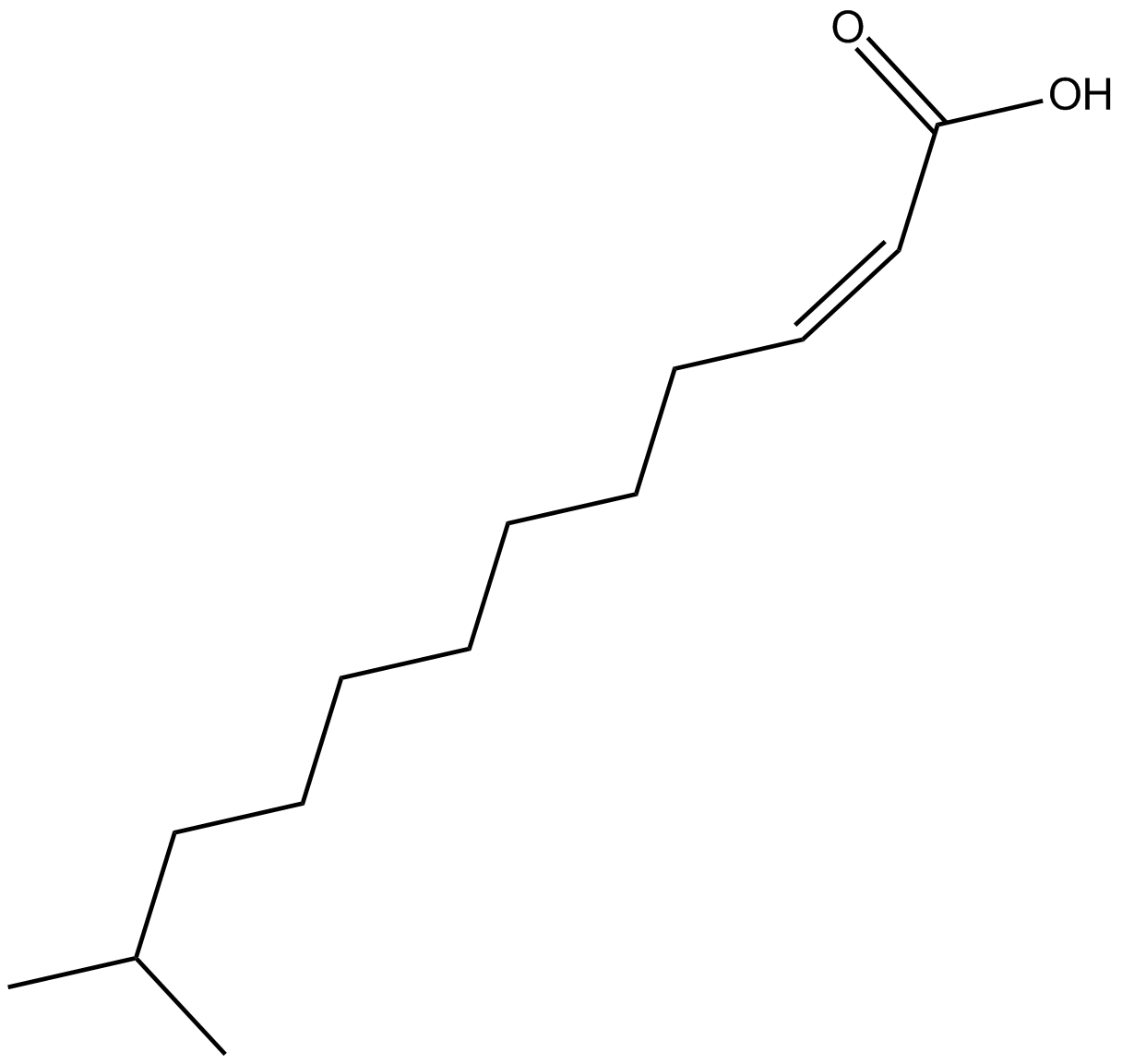 C5836 cis-Δ2-11-methyl-Dodecenoic AcidSummary: A quorum-sensing signaling molecule that regulates microbial virulence and biofilm formation.
 -
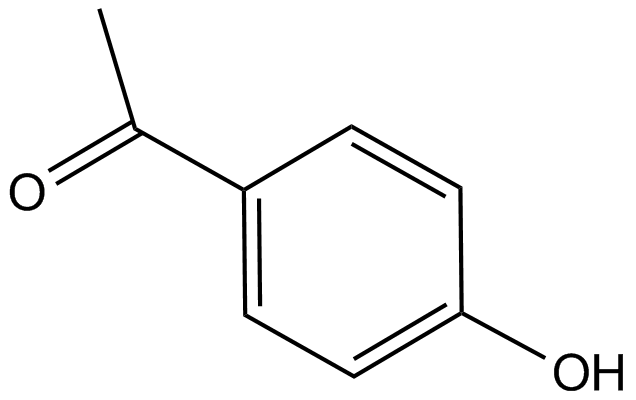 C6121 4'-HydroxyacetophenoneSummary: A compound used for anti-inflammatory, anti-hepatitis B, and inhibition of cancer cell migration.
 -
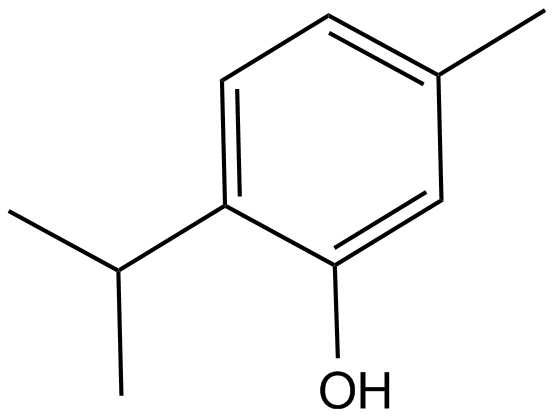 C6149 ThymolSummary: A plant-derived phenolic compound with antibacterial, antifungal, and antioxidant activities.
 -
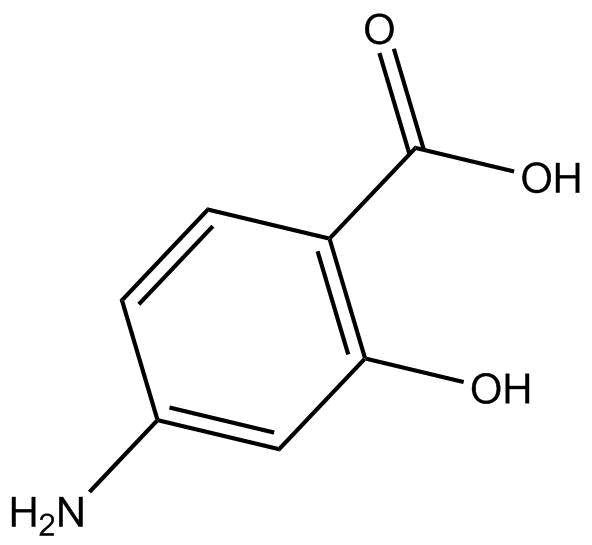 C6187 4-Aminosalicylic acidSummary: An antibiotic for pulmonary tuberculosis research that can be administered orally.
 -
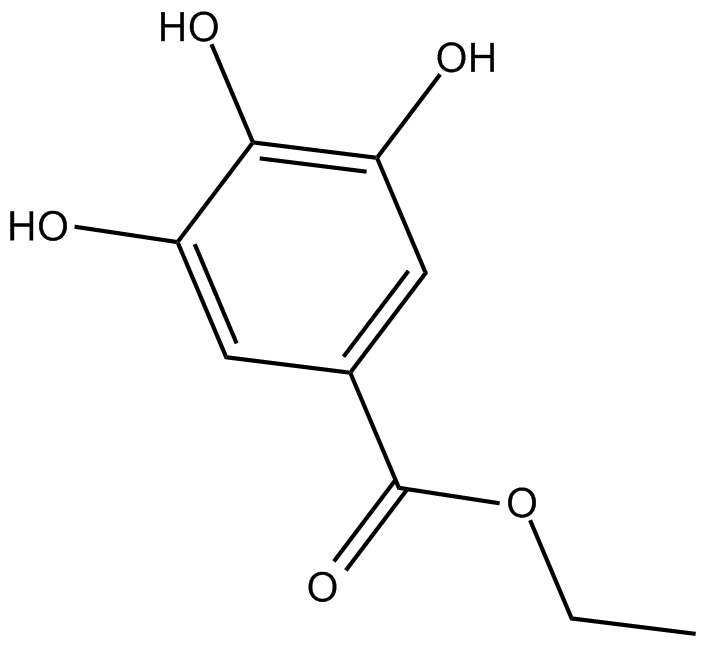 C6276 Ethyl gallateSummary: A non-flavonoid phenolic compound with hydrogen peroxide scavenging activity.
 -
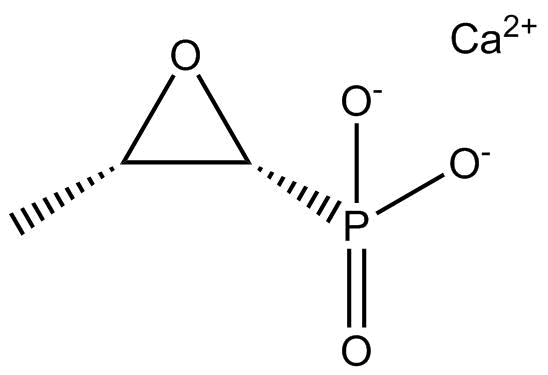 C6534 Fosfomycin calciumSummary: A broad-spectrum antibiotic that can cross the blood-brain barrier, used for research on drug-resistant bacteria.
 -
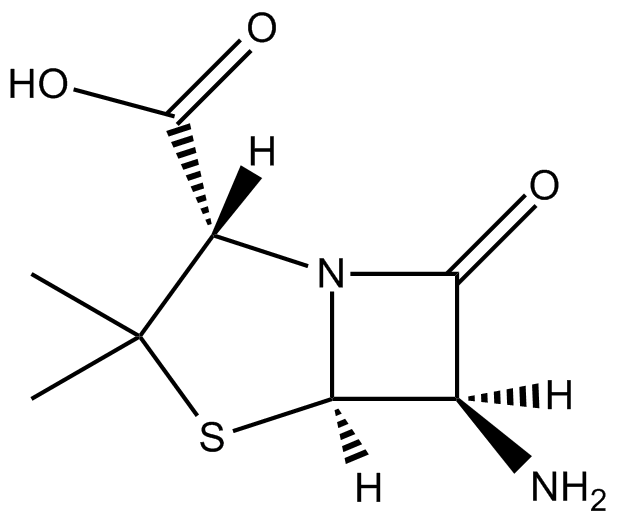 C7125 6-Aminopenicillanic acidSummary: A key core precursor used for the synthesis of β-lactam antibiotics.
 -
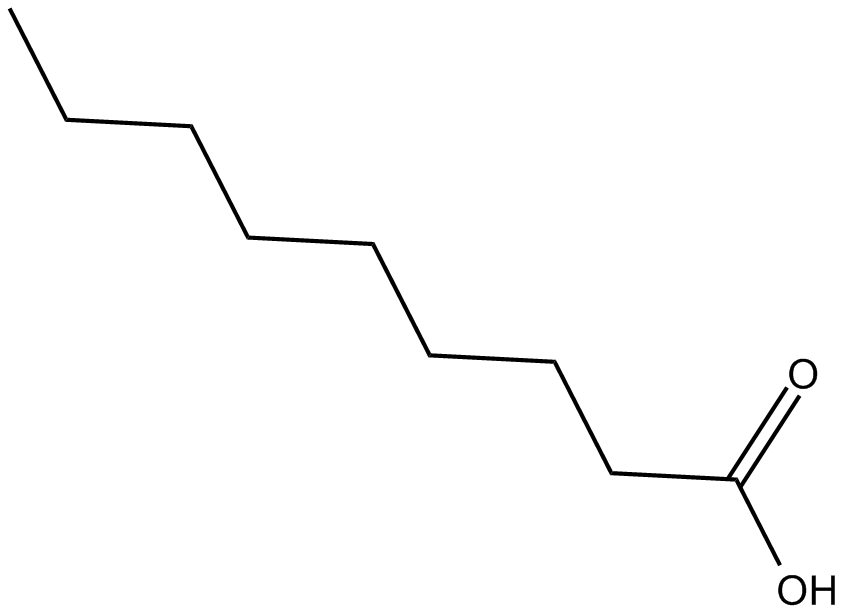 M1324 pelargonate (9:0)Summary: A saturated fatty acid that can reduce bacterial translocation and promote defensin secretion.
 -
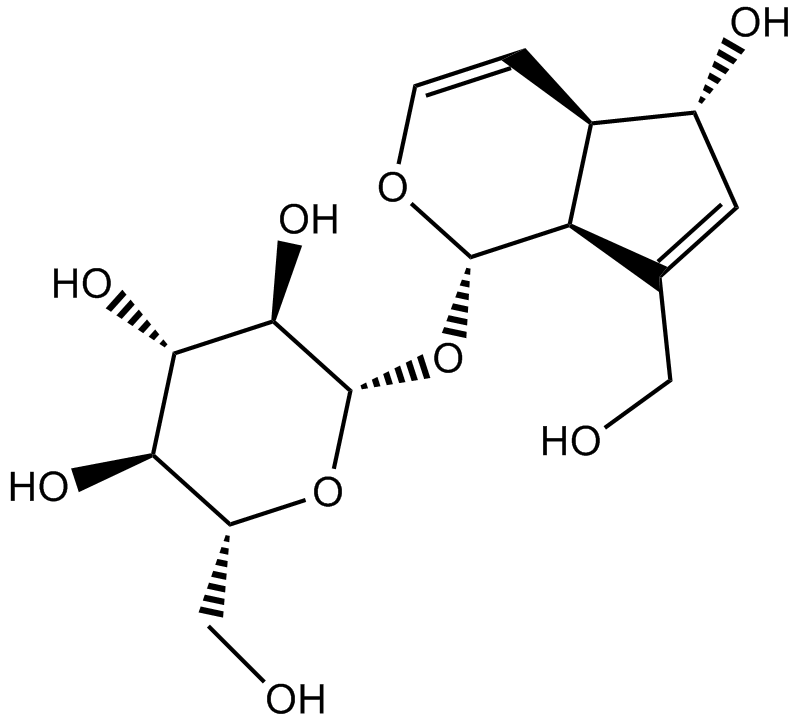 N2758 AucubinSummary: An iridoid glycoside with antioxidant, anti-inflammatory, antibacterial, hepatoprotective, and neuroprotective activities.
 -
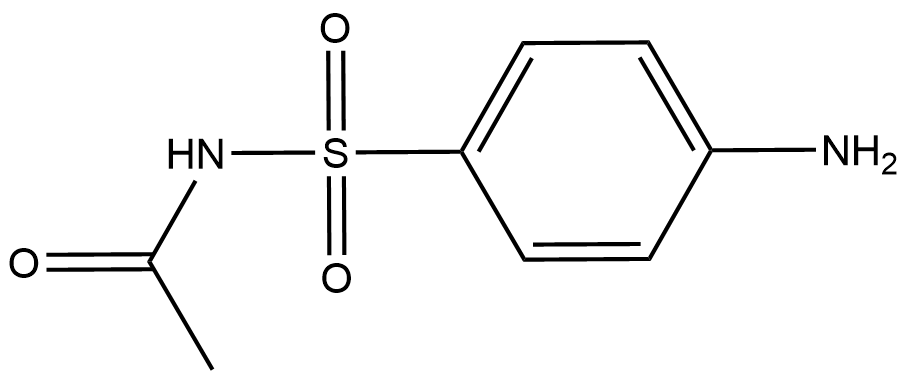 BA1058 SulfacetamideSummary: Sulfacetamide (Sulphacetamide) is a bacteriostatic sulfonamide.