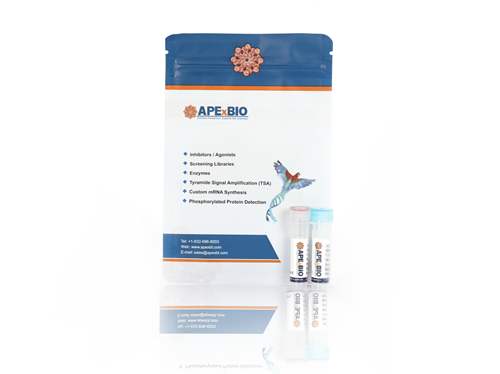
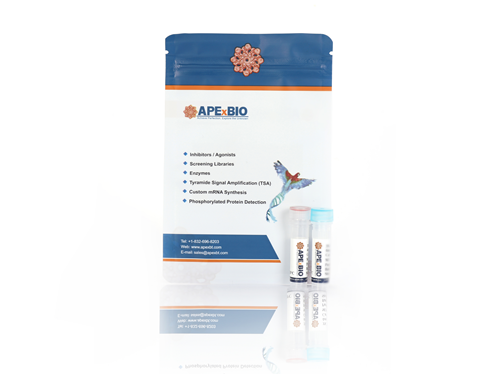
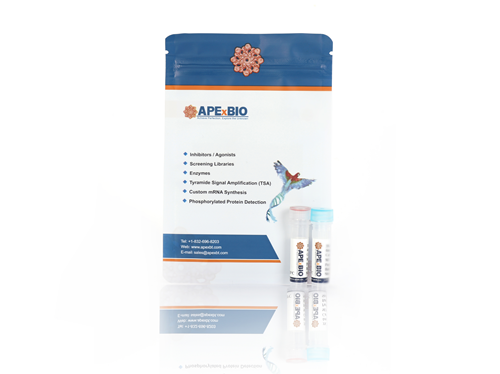
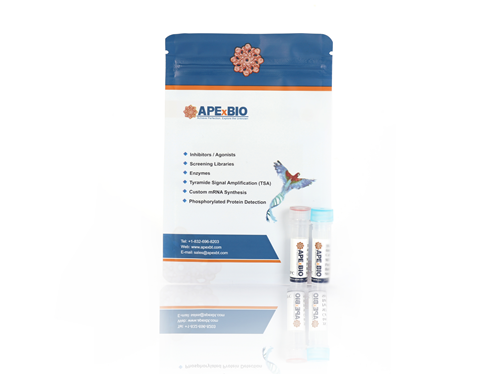
EZ Cap™ Gaussia Luciferase mRNA (m1Ψ)
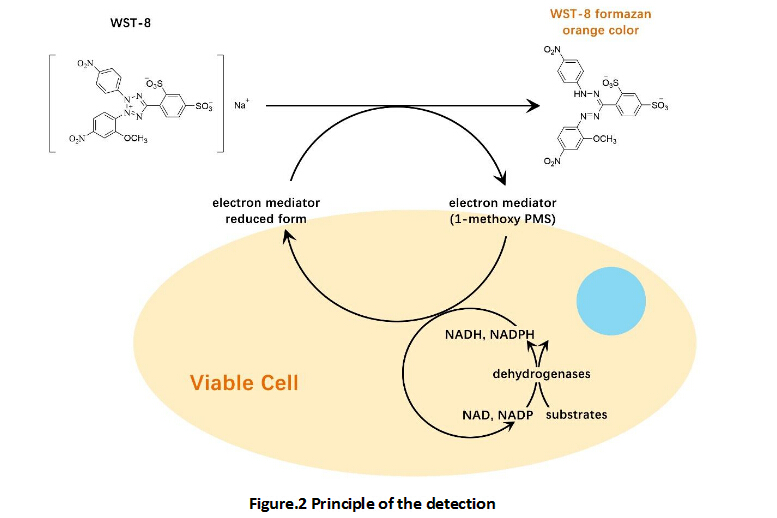
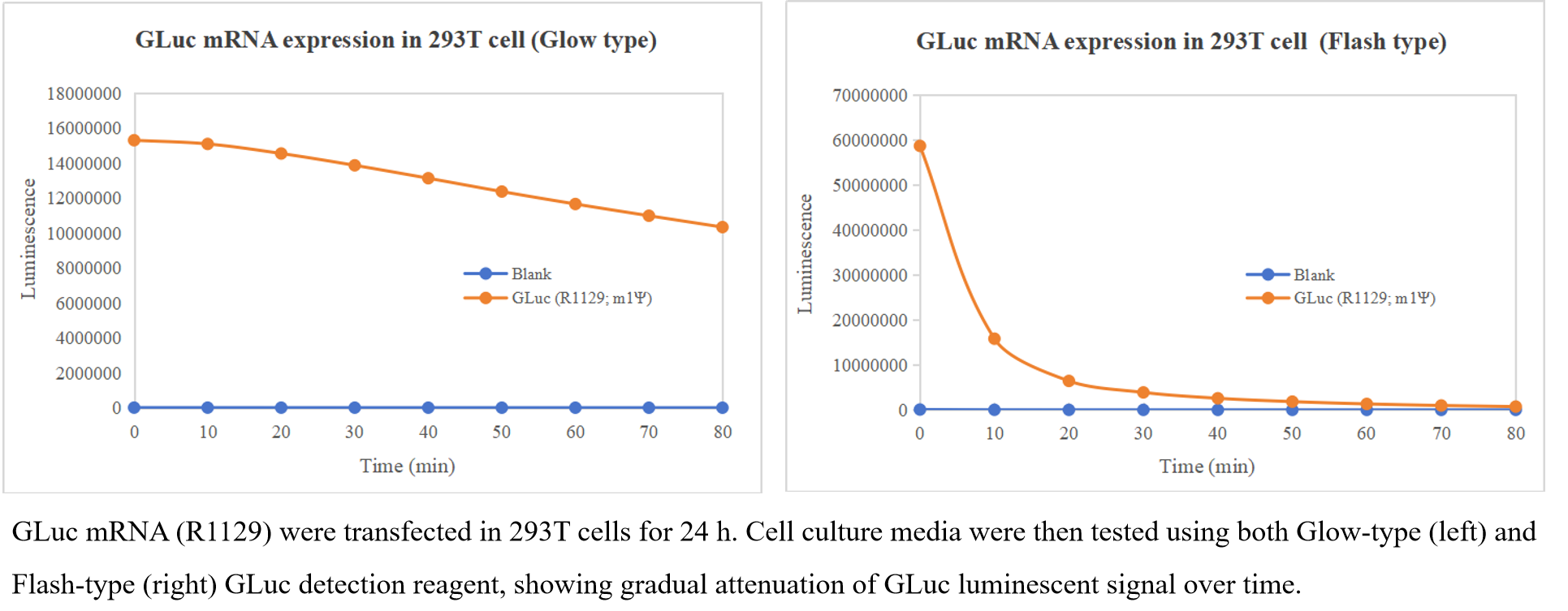
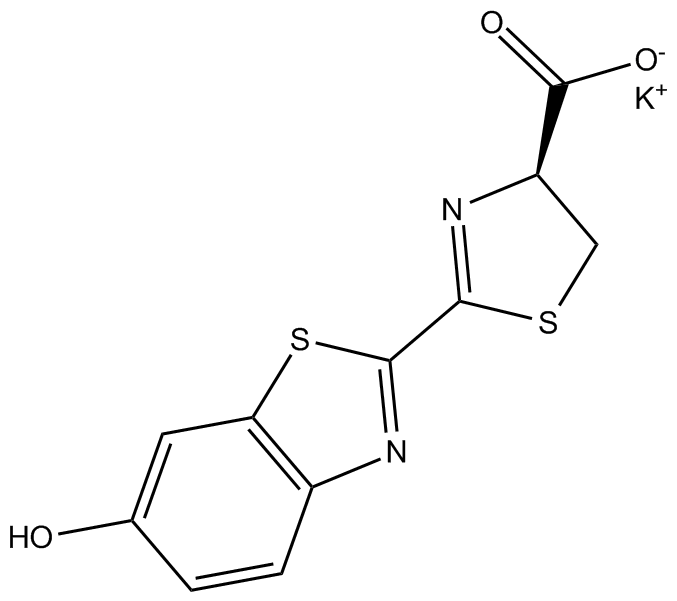
Gaussia Luciferase (GLuc) is a secreted luciferase derived from the deep-sea copepod Gaussia princeps, with a molecular weight of approximately 19 kDa. Its luminescence is ATP-independent, using Coelenterazine as the substrate to catalyze an oxidative decarboxylation reaction, emitting intense blue light at around 480 nm. Its brightness is 200-1000 fold higher than that of firefly or Renilla luciferase. Naturally secreted into the extracellular space, GLuc activity can be measured directly in cell culture supernatants without cell lysis. It is ideal for real-time live-cell monitoring, gene expression assays, in vivo imaging, and drug screening, enabling highly sensitive bioluminescence research both in vitro and in vivo.
Key features:
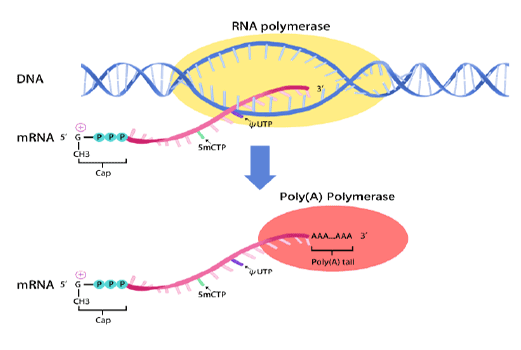
Cap1 Structure: The mRNA incorporates a Cap1 analog at the 5' end, ensuring high translation initiation efficiency, improved stability, and reduced innate immune recognition, leading to stronger and more sustained luciferase expression.
Modified Nucleotides: It contains N1-Methylpseudo-UTP modified nucleotides, which decreases immunogenicity, enhances mRNA stability, and increases translational efficiency, resulting in more reliable and reproducible protein yield.
poly(A) tail: It contains an optimized poly(A) tail of approximately 100 nucleotides. This specific length is engineered to maximize transcript stability by resisting degradation and to synergize with the 5' cap for superior, sustained translation efficiency, ensuring robust protein yield in your applications.
|
mRNA Length |
814 nucleotides |
||
|
Concentration |
~1 mg/mL |
||
|
Buffer |
1 mM Sodium Citrate, pH 6.4 |
Storage |
-40°C or below |
|
General tips |
Please dissolve it on ice and protect from RNase carefully. Avoid repeated freeze/thaw cycles as possible. Don’t vortex. Upon first use, centrifuge the tube softly and aliquot it into several single use portions. Use RNase-free reagents and materials with appropriate RNase-free technique. Don’t add to the media with serum unless mixing with a transfection reagent. |
||
|
Shipping Condition |
ship with dry ice |
||
Related Biological Data