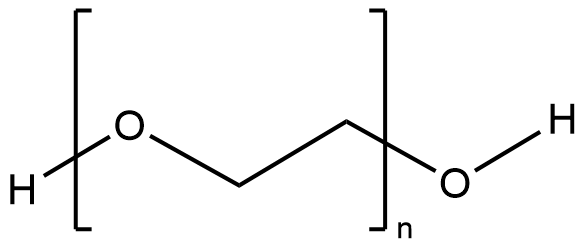
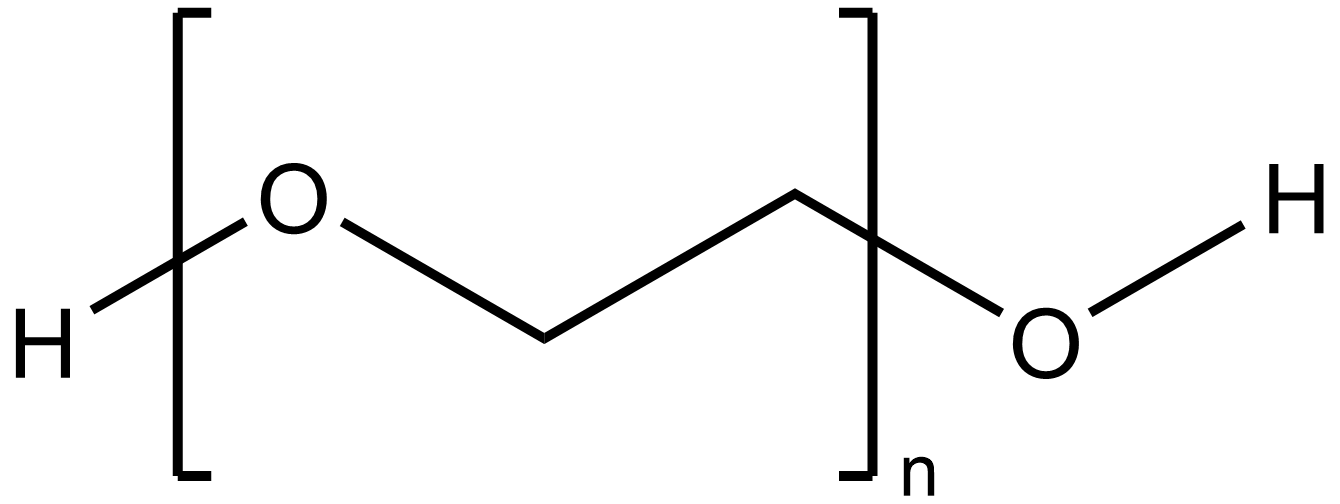
CMC-Na (Viscosity:800-1200 mPa.s)





Carboxymethyl Cellulose Sodium (CAS No.: 9004-32-4) Carboxymethyl Cellulose Sodium (CMC‑Na) is an anionic high-molecular-weight polymer formed by partial carboxymethylation of natural cellulose. It is readily soluble in water, forming a transparent or slightly turbid viscous solution, with a pH close to neutral and good biocompatibility. It has almost no pharmacological activity itself and is mainly used as an excipient and carrier. Its oral toxicity is extremely low, and it has been widely used in pharmaceuticals, food, cosmetics, and other fields. The dry powder is stable at room temperature and should be stored sealed and protected from moisture. Aqueous solutions may be subject to microbial contamination or decreased viscosity after long-term storage, so in experiments they are generally prepared fresh or refrigerated for short-term use.
The core functions of CMC‑Na are thickening, suspension, and adhesion: its long-chain polymer forms a network structure in water, significantly increasing system viscosity and shear-thinning properties, thereby helping insoluble/slightly soluble solid particles disperse uniformly in the aqueous phase and delaying sedimentation, improving the uniformity of oral formulations or gavage suspensions; at the same time, it has certain wetting and adhesive effects on solid surfaces, which can increase the residence time of particles on mucosal surfaces. It should be emphasized that it does not truly “dissolve” hydrophobic small molecules like DMSO, PEG400, or Tween‑80, so strictly speaking it is closer to a suspending agent/carrier rather than a typical solubilizer, and is often used in combination with small amounts of organic solvents or surfactants to improve the administrability of poorly soluble drugs.
In animal experiments, CMC‑Na is most commonly used as an oral/gavage vehicle: typically, a 0.25%–1% (w/v) CMC‑Na aqueous solution or a CMC‑Na+0.5% Tween‑80 suspension system is prepared, and powdered drugs are dispersed by ultrasonication/vortexing and then administered by gavage according to body weight (generally 5–10 mL/kg), ensuring a uniform dose for each administration; if the drug is extremely poorly soluble, it can first be dissolved in a small amount of DMSO/ethanol, then added to the CMC‑Na system to make up the volume. In cell experiments, it is less commonly used alone as a solubilizer, and is more often used to prepare polymer solutions for coatings or sustained-release carriers. Overall, Carboxymethyl Cellulose Sodium is suitable as a safe, inexpensive, and highly reproducible aqueous carrier and thickener, but to truly improve the solubility of hydrophobic small molecules, it still needs to be combined with other solubilization strategies such as DMSO, PEG, and surfactants.
| Storage | Store at room temperature, keep dry and cool |
| Cas No. | 9004-32-4 |
| Formula | C2H4O3.xNa.xUnspecified |
| Synonyms | Sodium carboxymethyl cellulose (Viscosity:800-1200 mPa.s) ; Sodium CMC; Sodium CM-cellulose |
| Shipping Condition | Small Molecules with Blue Ice, Modified Nucleotides with Dry Ice. |
| General tips | We do not recommend long-term storage for the solution, please use it up soon. |