


MAPK/ERK

The mitogen-activated protein kinase (MAPK) is a highly conserved family of serine/threonine kinases that mediate a board range of cellular processes, including proliferation, differentiation, motility, migration, stress response, apoptosis and survival. The activation of MAPK involves signaling pathways consisting of MAPK kinase (i.e. MAPKKK or MEKK) that activates MAPK/ERK (i.e. MAPKK or MEK). A variety of extracellular signals such as mitogens, cytokines, growth factors, and environmental stressors stimulate a phosphorylation-dependent increase in the activity of MAPK.
Activated MAPKs transduce the phosphorylation and activation of MAPK-activated protein kinases (MAPKAPKs), e.g. RSK, MSK, or MNK family, and MK2/3/5. There are three main MAPK families, signal-regulated kinase 1 and 2 (Erk1/2 or p44/42), the c-Jun N-terminal kinases 1-3 (JNK1-3)/ stress activated protein kinases (SAPK1A, 1B, 1C), the p38 isoforms (p38α, β, γ, and δ). ERK signaling is involved in cell division, migration and survival. p38 MAPK and JNK/SAPK pathways are activated by cellular stress. The p38 MAPK pathway regulates cell motility, transcription, and chromatin remodeling. JNK/SAPK signaling affects apoptosis and inflammation. Dysregulation of MAPK pathway results in tumorgenesis and other pathological conditions.
-
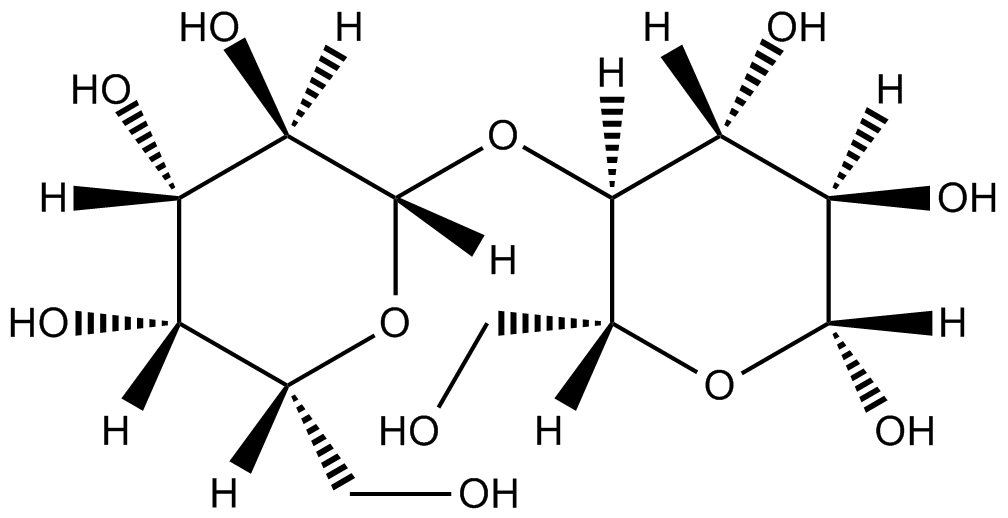 M1201 lactoseSummary: A disaccharide used for tablet preparation, nutritional supplementation, and immune modulation.
 -
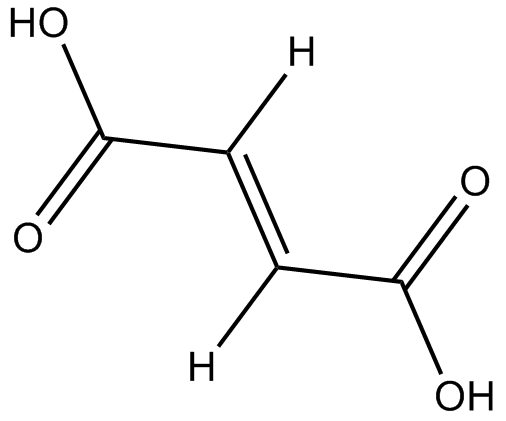 M1278 fumarateSummary: An unsaturated dicarboxylic acid with anti-inflammatory effects, usable for research on pregnancy-induced hypertension.
 -
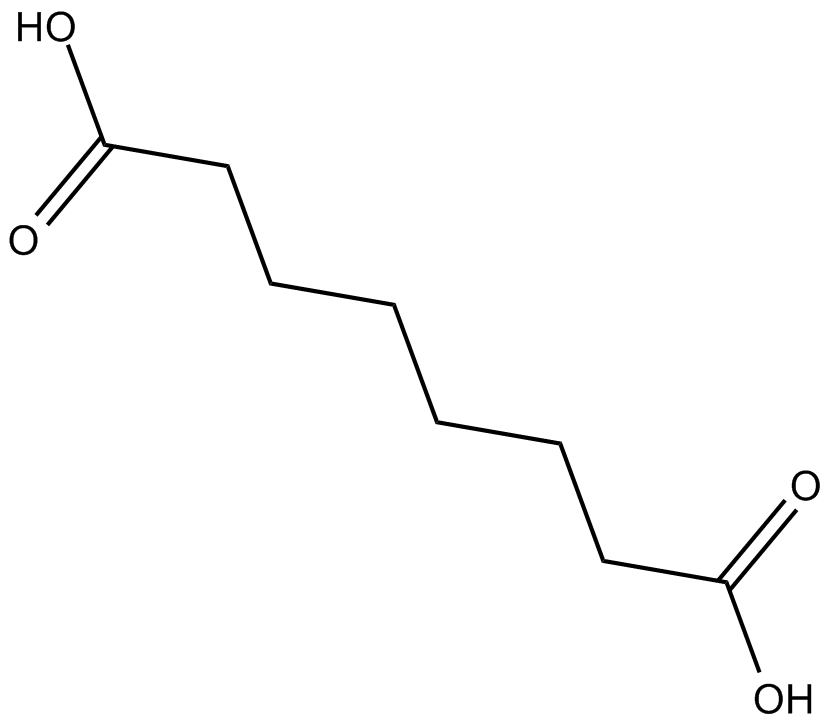 M1327 suberate (octanedioate)Summary: A biomarker associated with abnormalities in fatty acid oxidation and carnitine metabolism.
 -
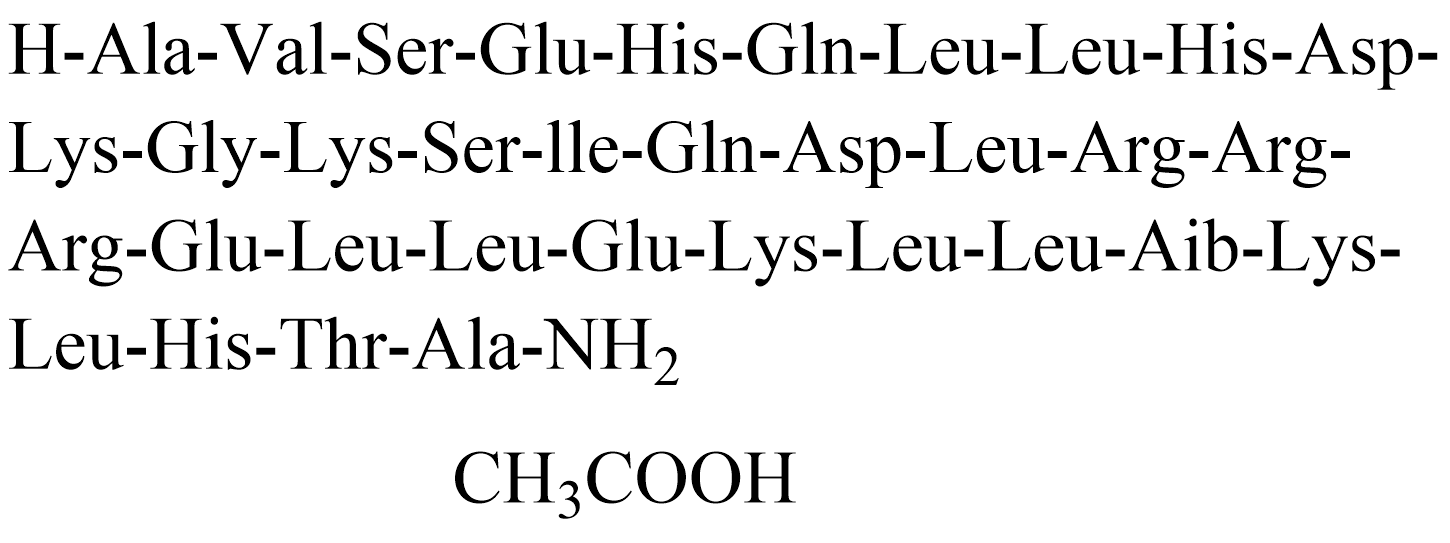 C8816 Abaloparatide acetateSummary: A selective PTHR1 agonist that promotes bone formation and improves cortical bone structure.
 -
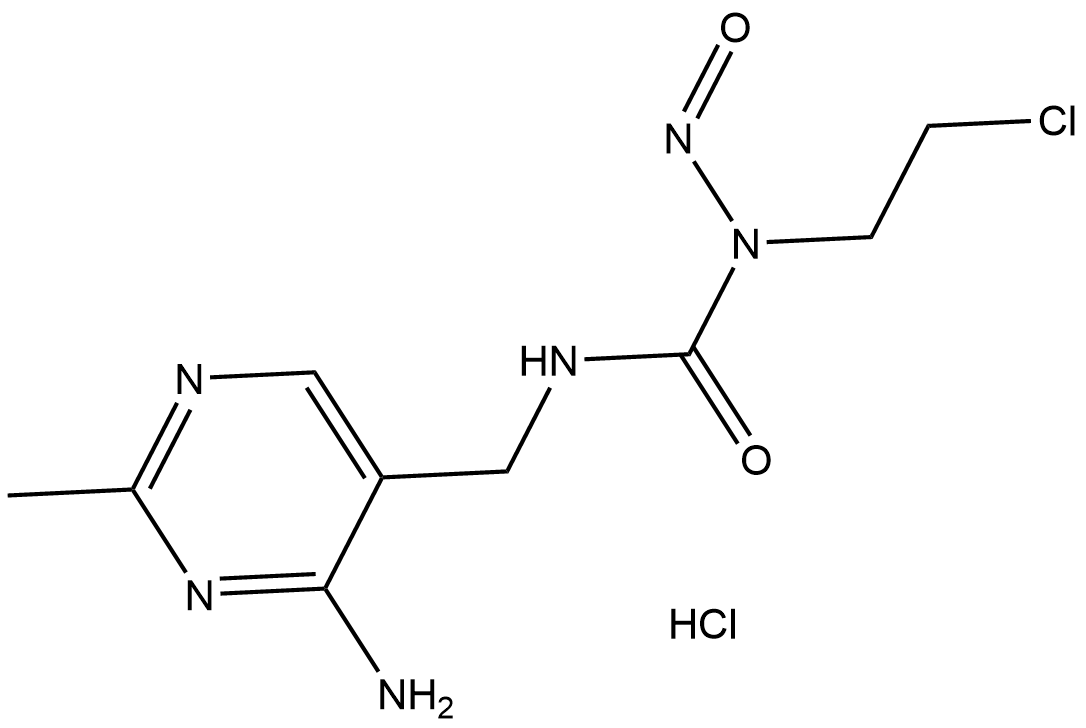 C8863 Nimustine HydrochlorideSummary: Nimustine Hydrochloride is a nitrosourea alkylating agent that induces DNA crosslinking and is widely utilized in cancer biology and DNA damage response research.
 -
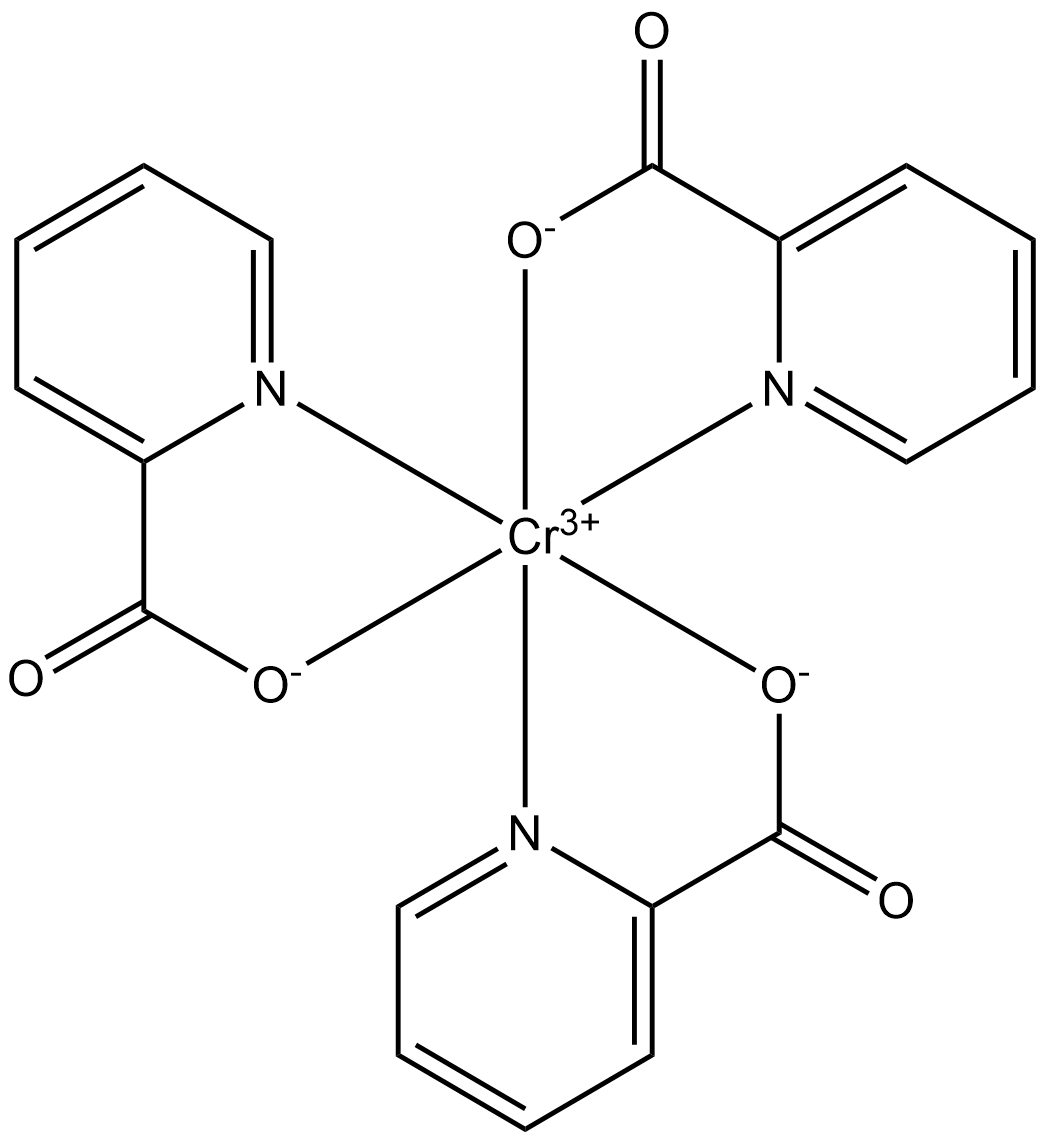 C8905 Chromium picolinateSummary: Chromium picolinate is a trivalent chromium coordination complex modulating insulin-signaling and glucose metabolism pathways, widely utilized in metabolic biochemistry and nutritional research studies.
 -
 C8908 Flurbiprofen AxetilSummary: Flurbiprofen Axetil is a lipophilic prodrug of the nonselective cyclooxygenase inhibitor flurbiprofen, used to investigate prostaglandin-mediated inflammatory signaling in pharmacology research.
 -
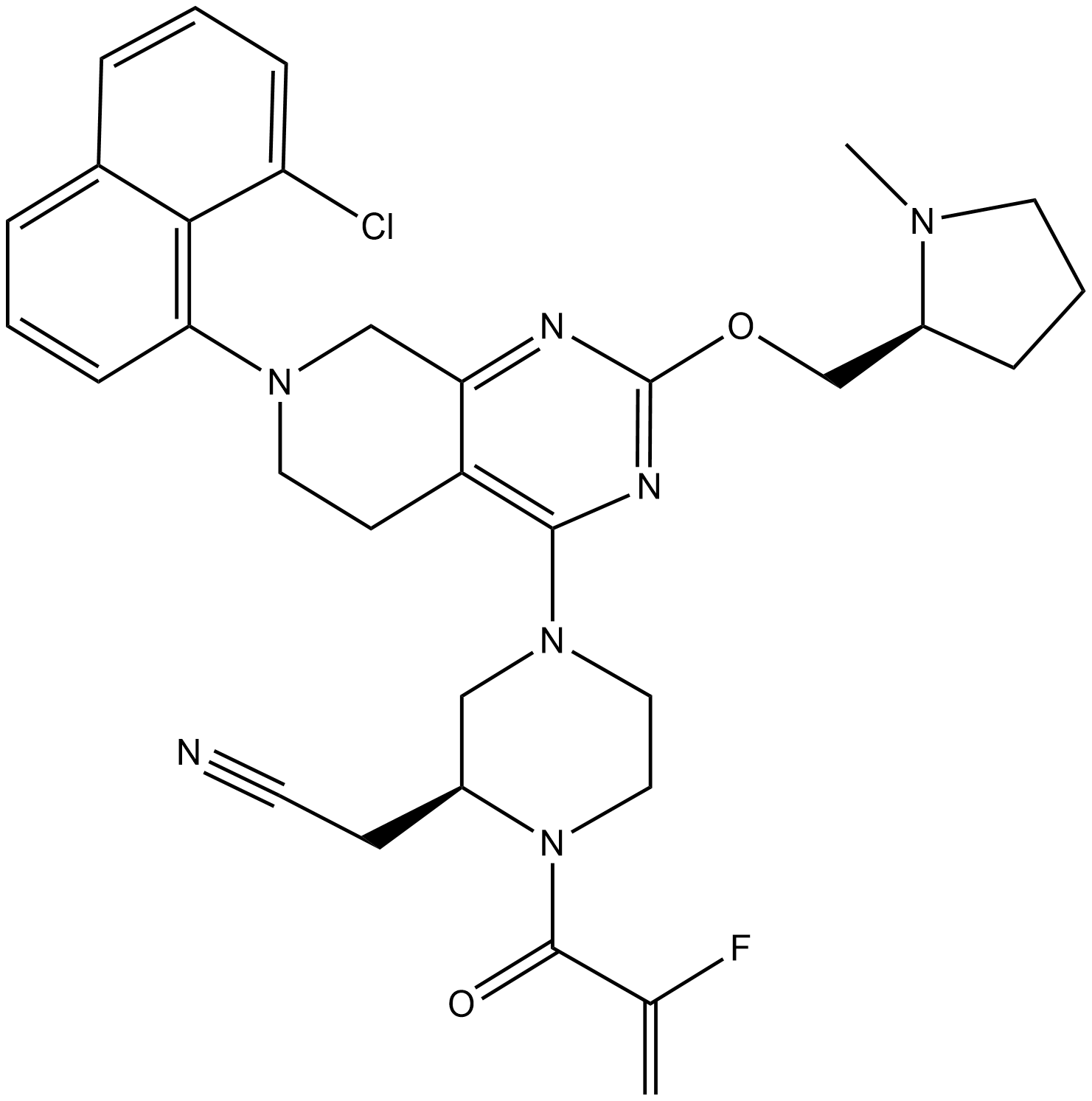 C8981 Adagrasib (MRTX849)Summary: Adagrasib (MRTX849; CAS 2326521-71-3) is a selective covalent KRAS G12C inhibitor targeting RAS/MAPK signaling, widely utilized in oncology and molecular signaling research.
 -
C8999 CefradineSummary: Cefradine is a first-generation cephalosporin β-lactam antibiotic that inhibits bacterial cell wall synthesis and is utilized in microbiology and antimicrobial resistance research.
-
C9004 Cephradine monohydrateSummary: Cephradine monohydrate is a first-generation cephalosporin β-lactam compound that inhibits bacterial cell wall synthesis and is utilized in microbiology and antibiotic resistance research.