


JAK/STAT Signaling
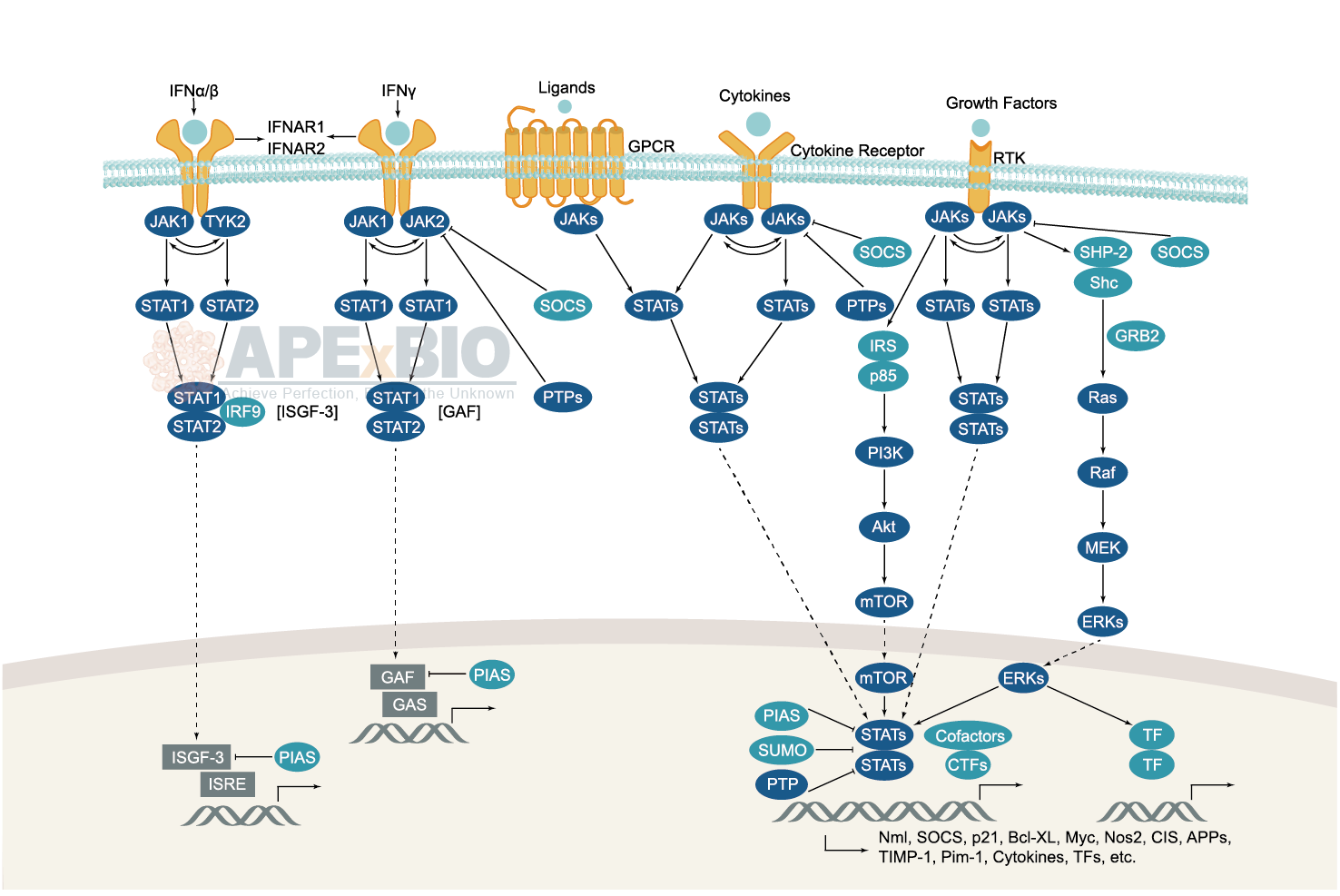
Various ligands including cytokines (e.g. interferons and interleukins), hormones (e.g. erythropoietin and growth hormone) and their cell surface receptors activate JAK proteins, which autophosphorylate, and then phosphorylate the receptor. Subsequently, JAKs phosphorylate a specific tyrosine residue on the STAT protein, promoting dimerization via SH2 domains. The activated STATs form homo-/heterodimers and translocate to the nucleus to trigger target gene transcription. In addition, suppressors of cytokine signaling (SOCS) family inhibit receptor signaling via homologous or heterologous feedback regulation. Dysregulation in JAK/STAT signaling is associated with diseases such as atherosclerosis, immunodeficiencies and cancer.
-
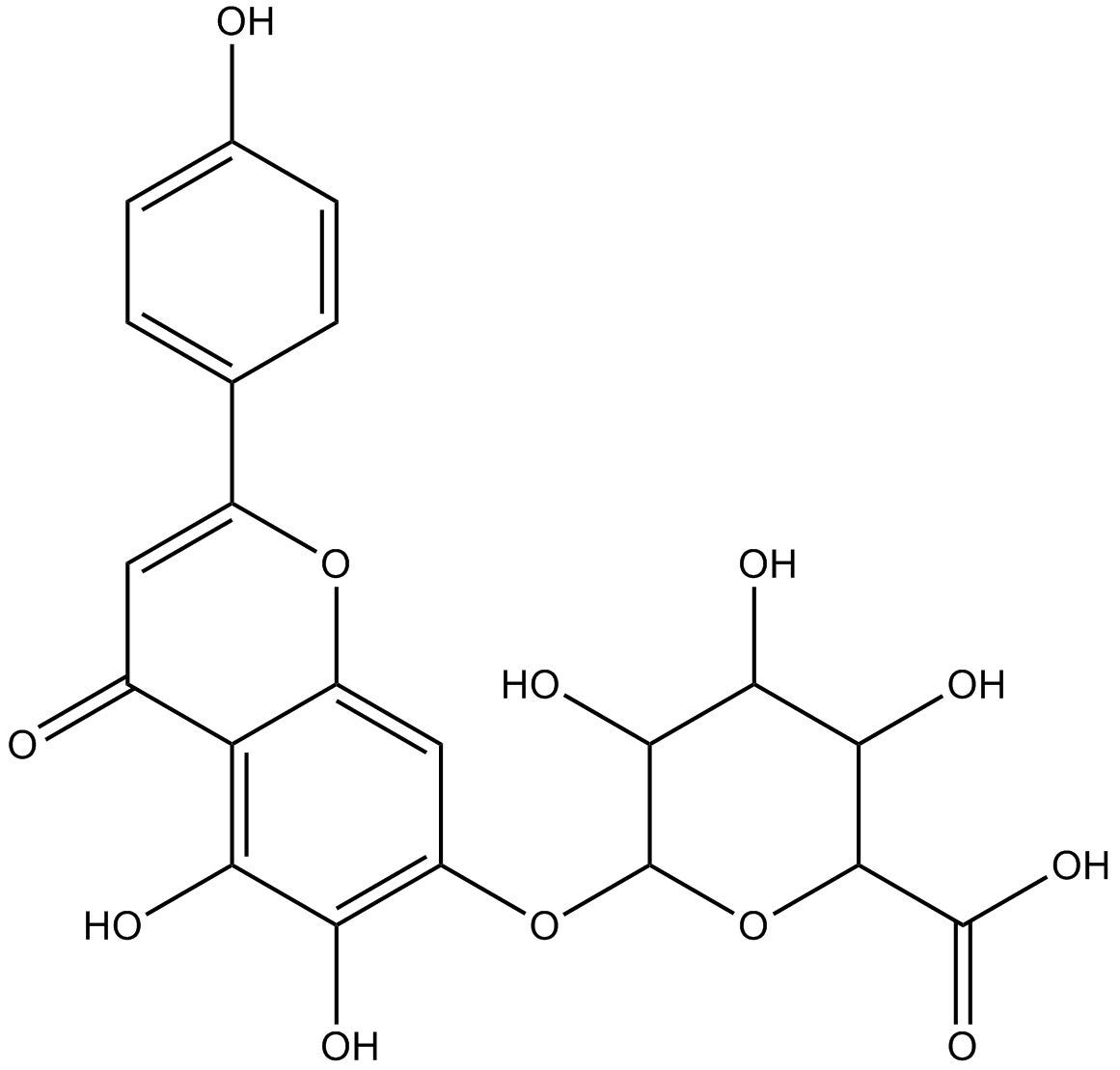 N1753 Scutellarin
 -
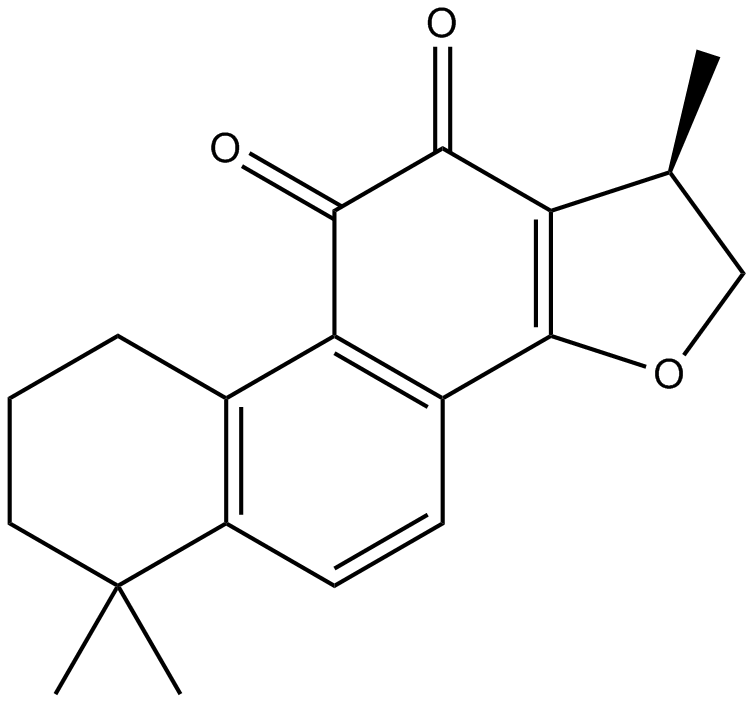 N1843 CryptotanshinoneSummary: STAT3/AChE inhibitor
 -
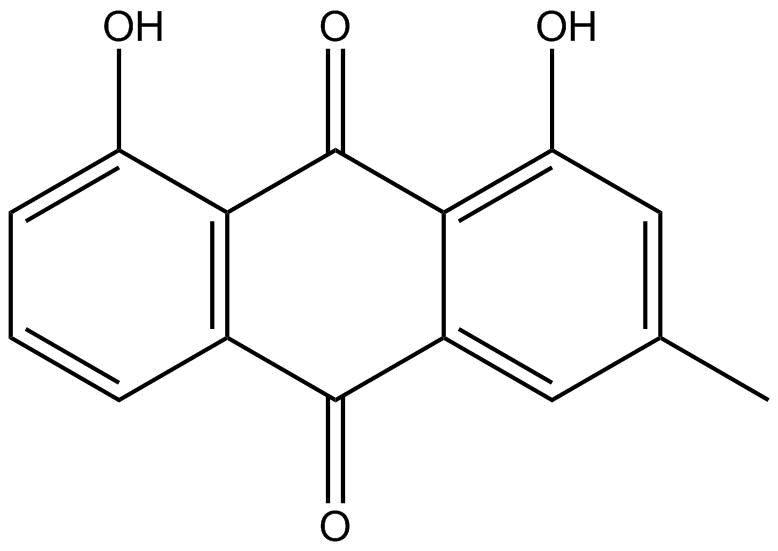 N1852 Chrysophanol
 -
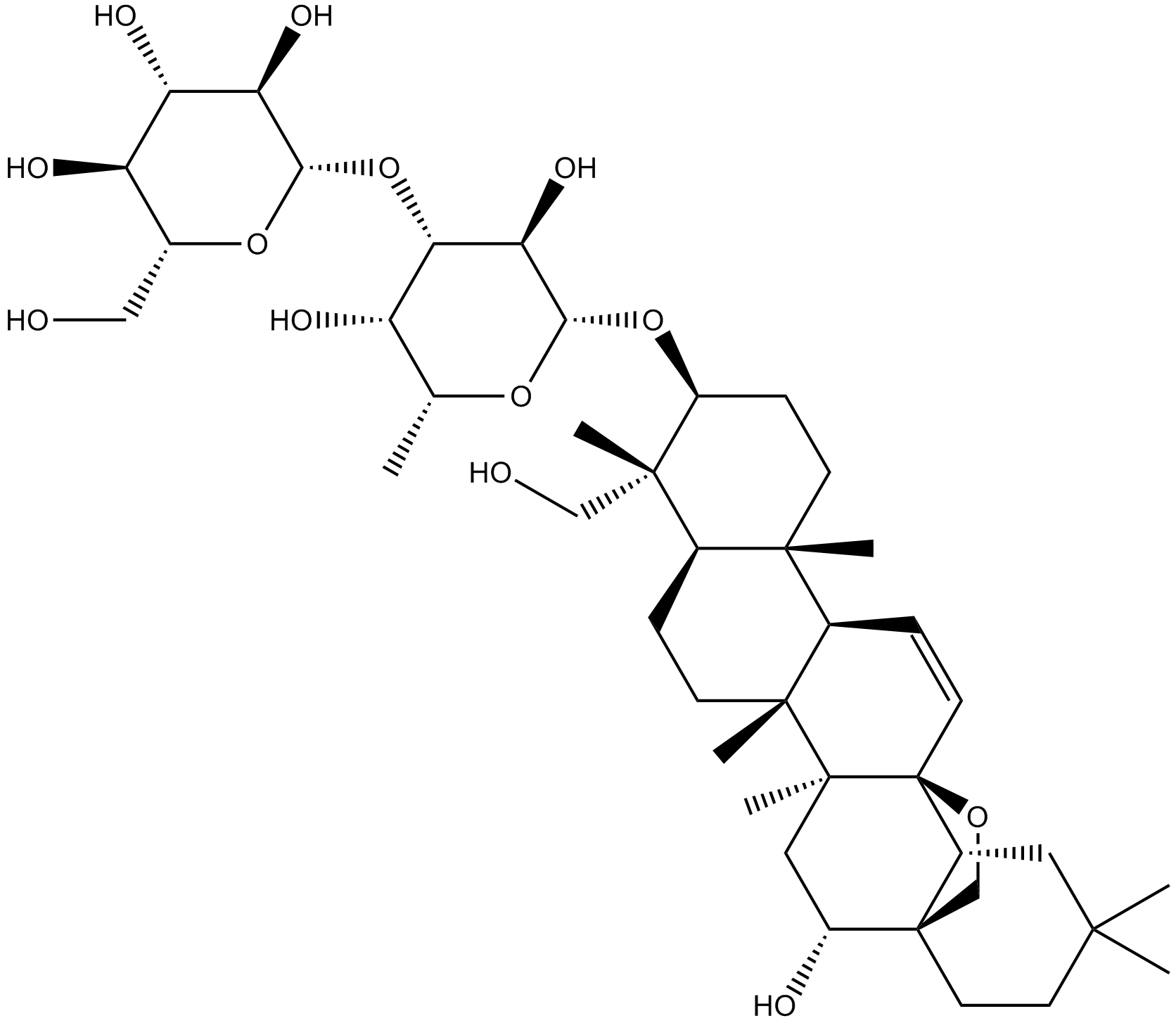 N1887 Saikosaponin D
 -
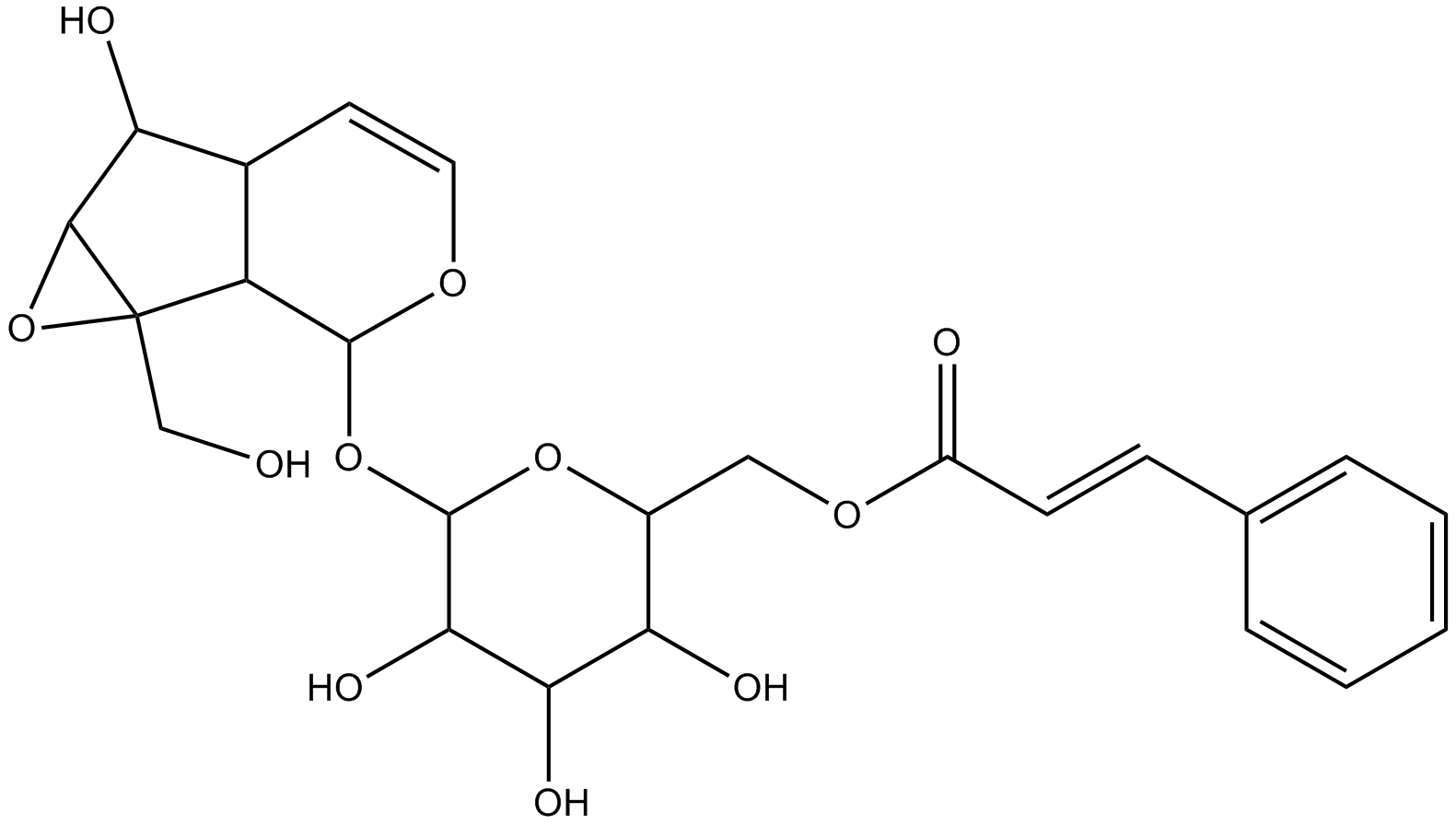 N1909 Picroside I
 -
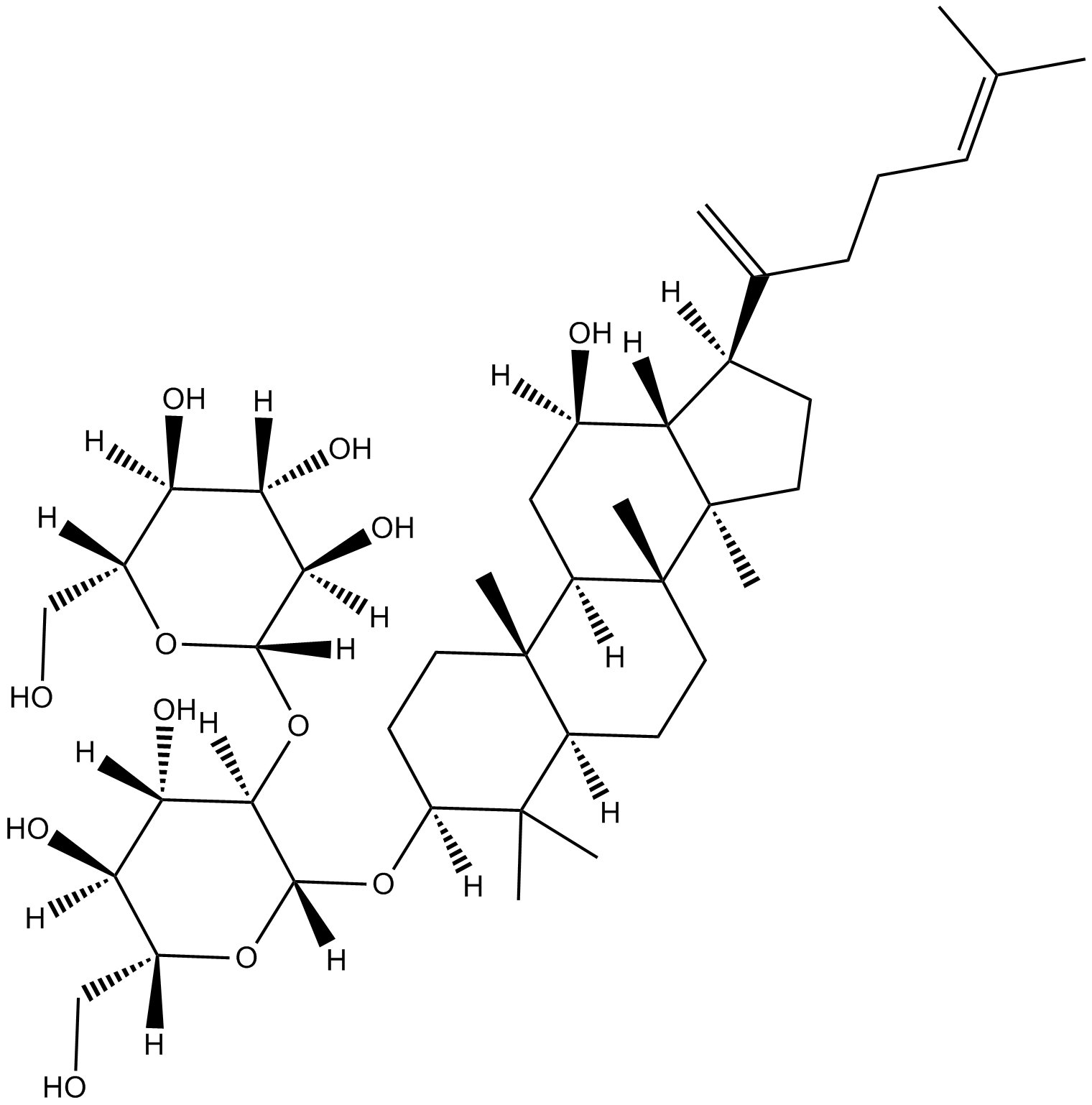 N2097 Ginsenoside Rk1Summary: A natural prodcut, extracted from Panax ginseng C.A.Mey. roots
 -
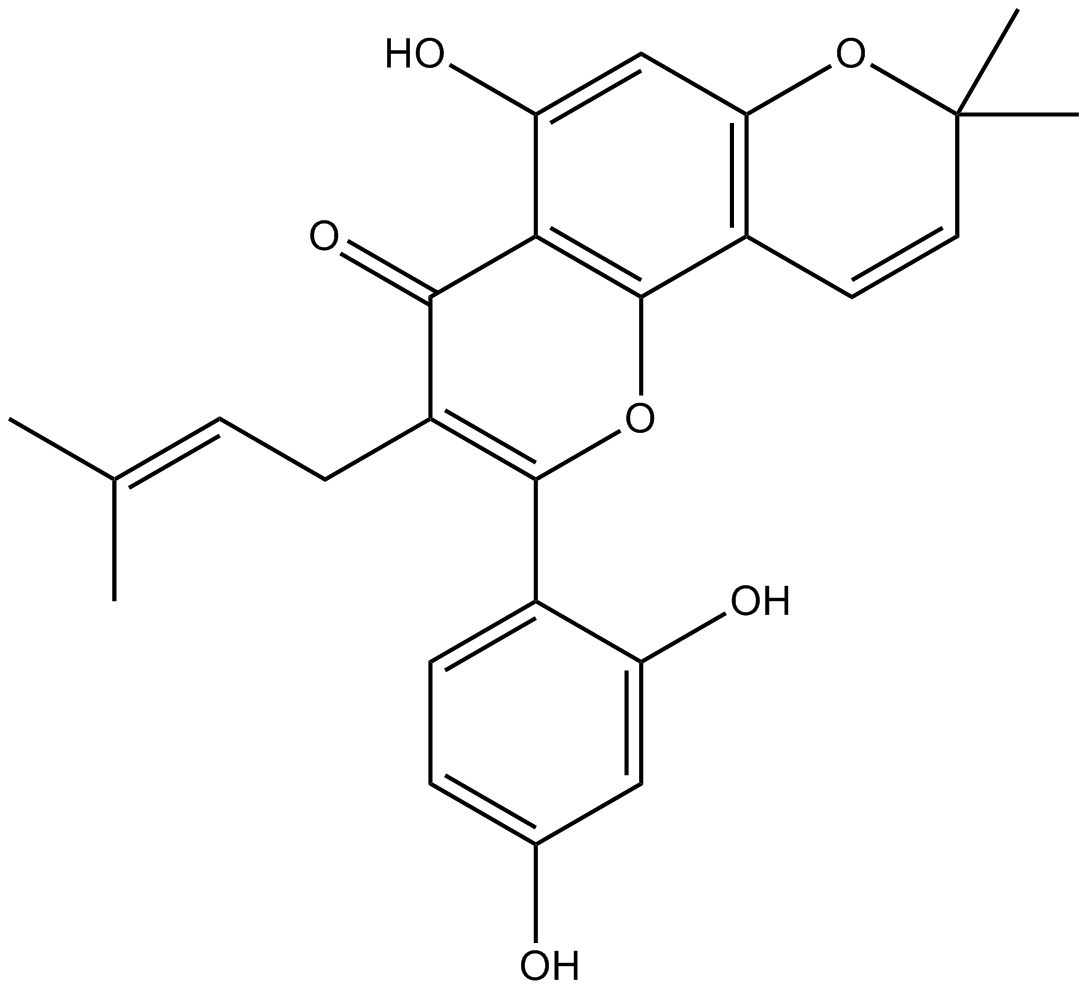 N2266 Morusin
 -
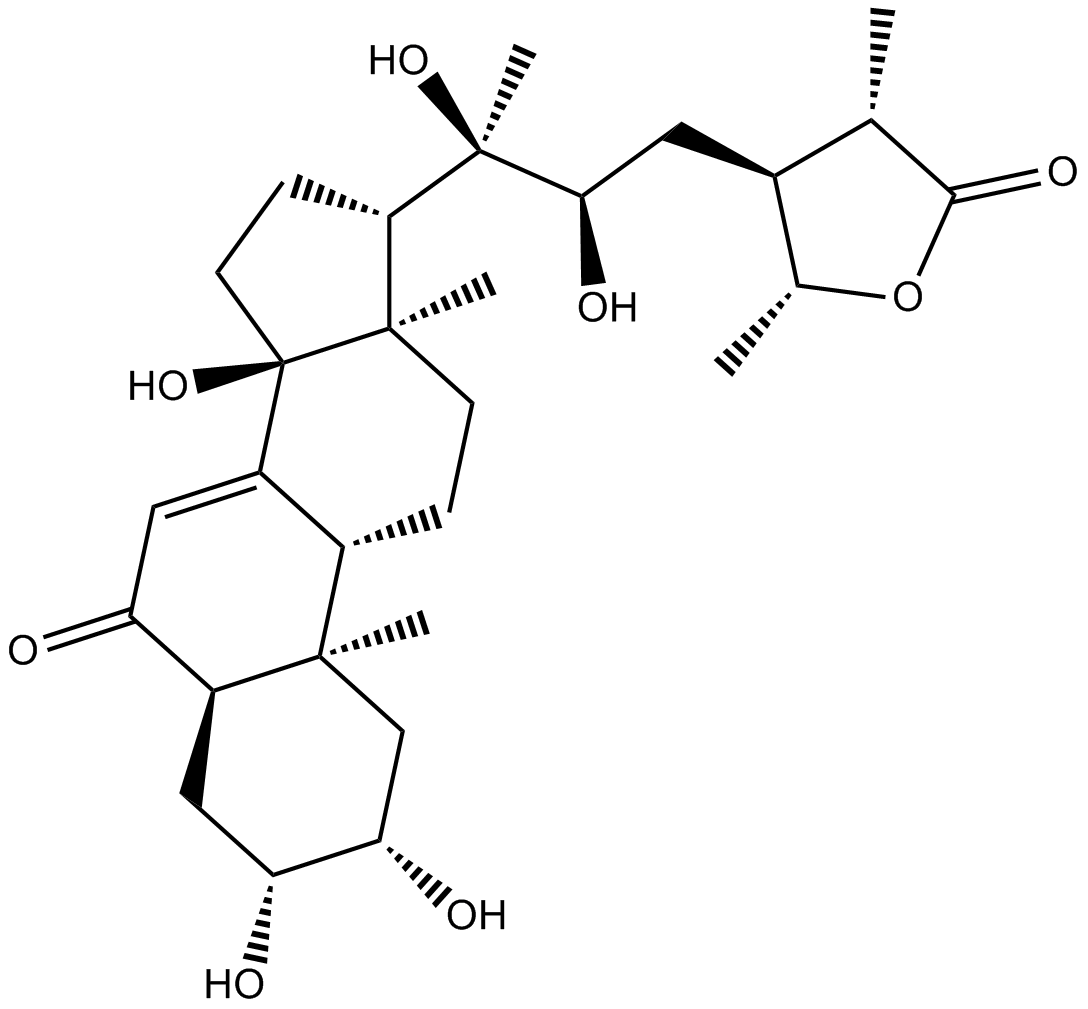 N2179 Cyasterone
 -
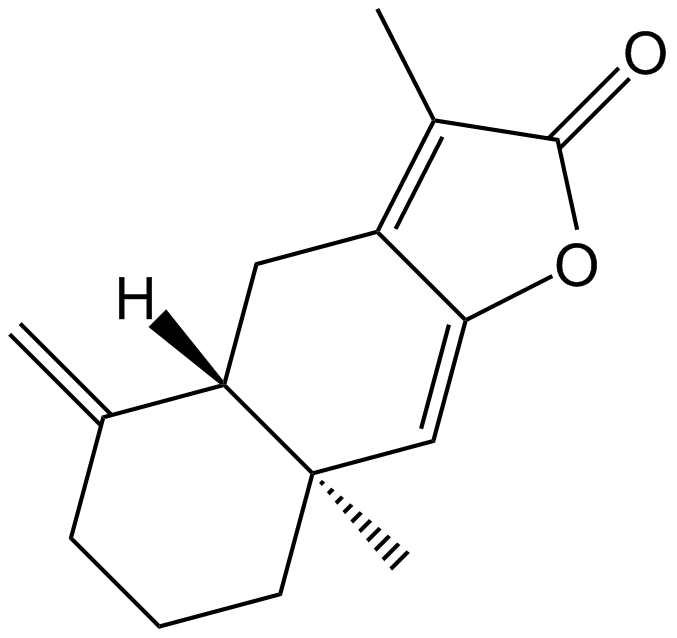 N2541 Atractylenolide I
 -
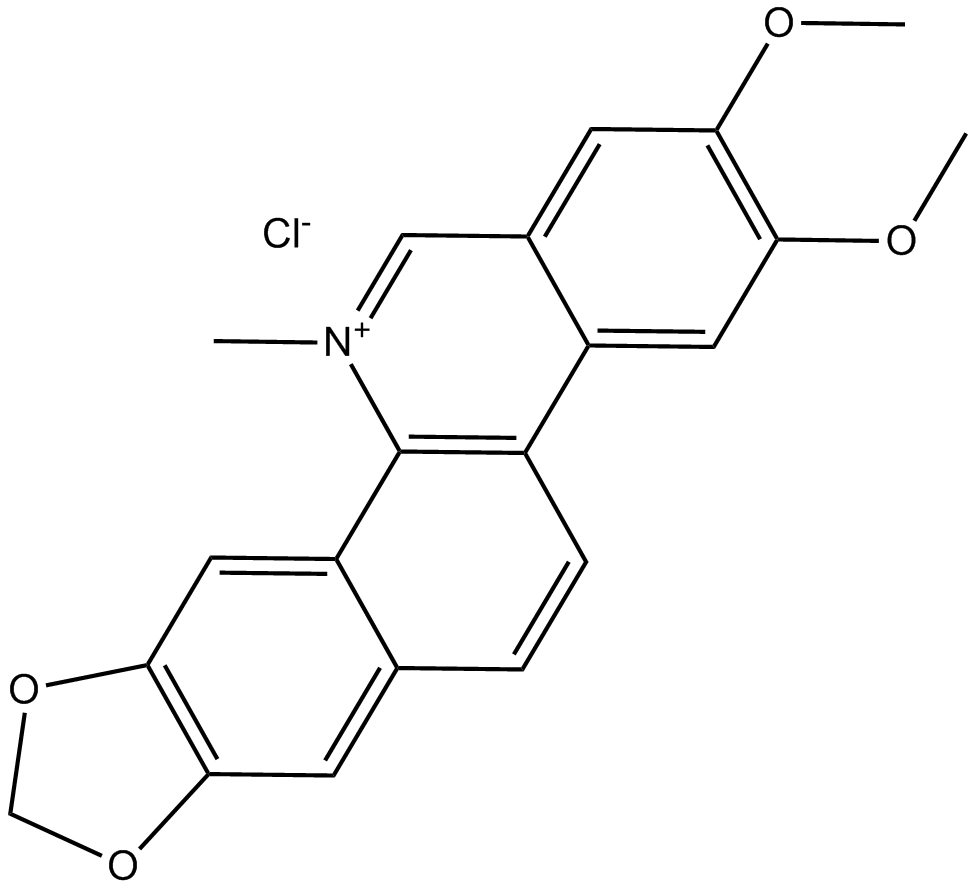 N2626 Nitidine chloride