


JAK/STAT Signaling
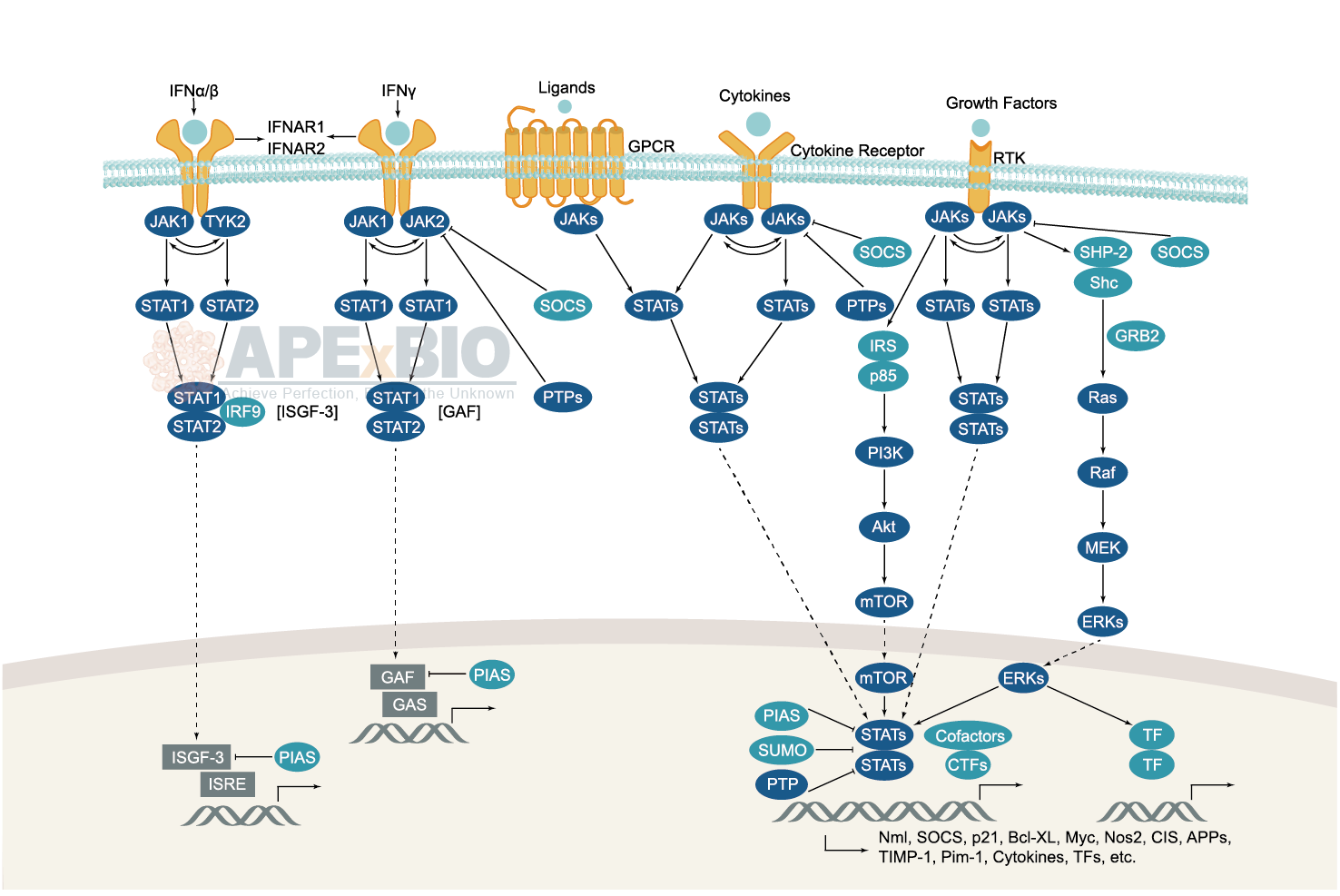
Various ligands including cytokines (e.g. interferons and interleukins), hormones (e.g. erythropoietin and growth hormone) and their cell surface receptors activate JAK proteins, which autophosphorylate, and then phosphorylate the receptor. Subsequently, JAKs phosphorylate a specific tyrosine residue on the STAT protein, promoting dimerization via SH2 domains. The activated STATs form homo-/heterodimers and translocate to the nucleus to trigger target gene transcription. In addition, suppressors of cytokine signaling (SOCS) family inhibit receptor signaling via homologous or heterologous feedback regulation. Dysregulation in JAK/STAT signaling is associated with diseases such as atherosclerosis, immunodeficiencies and cancer.
-
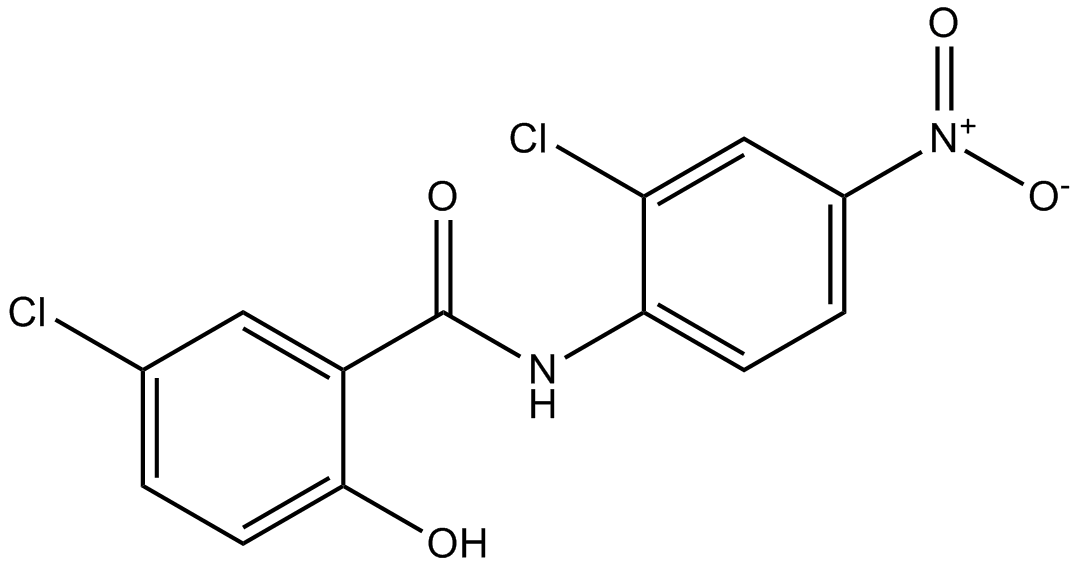 B2283 Niclosamide3 CitationTarget: STATSummary: Inhibitor of the STAT3 signaling pathway
 -
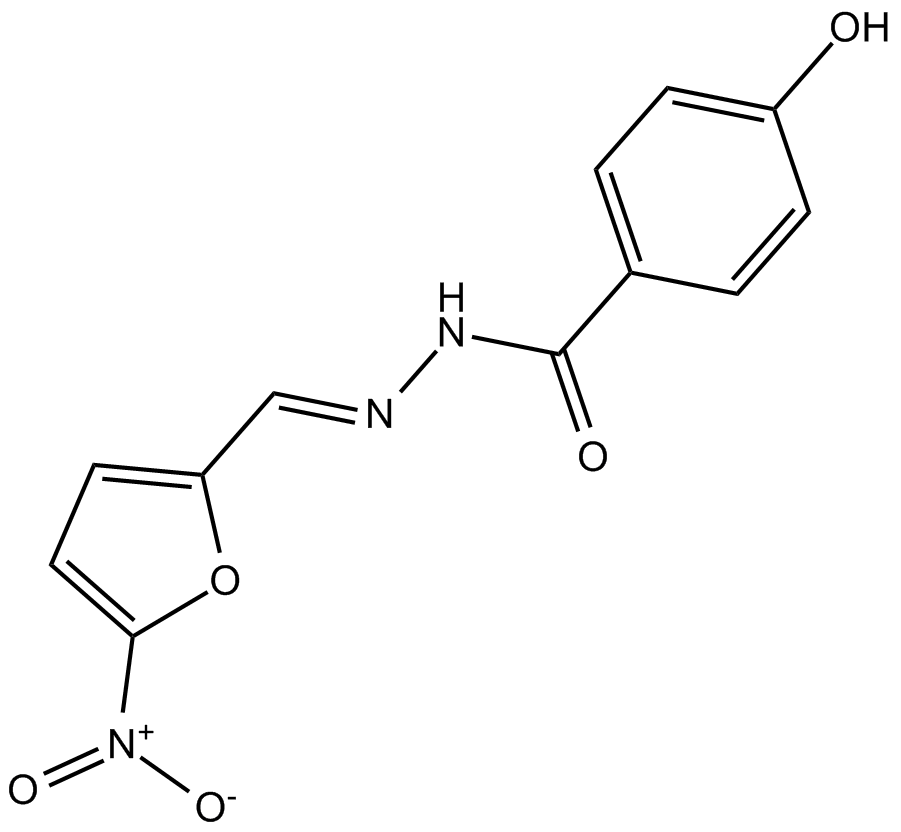 B1799 NifuroxazideTarget: STATSummary: STAT inhibitor
 -
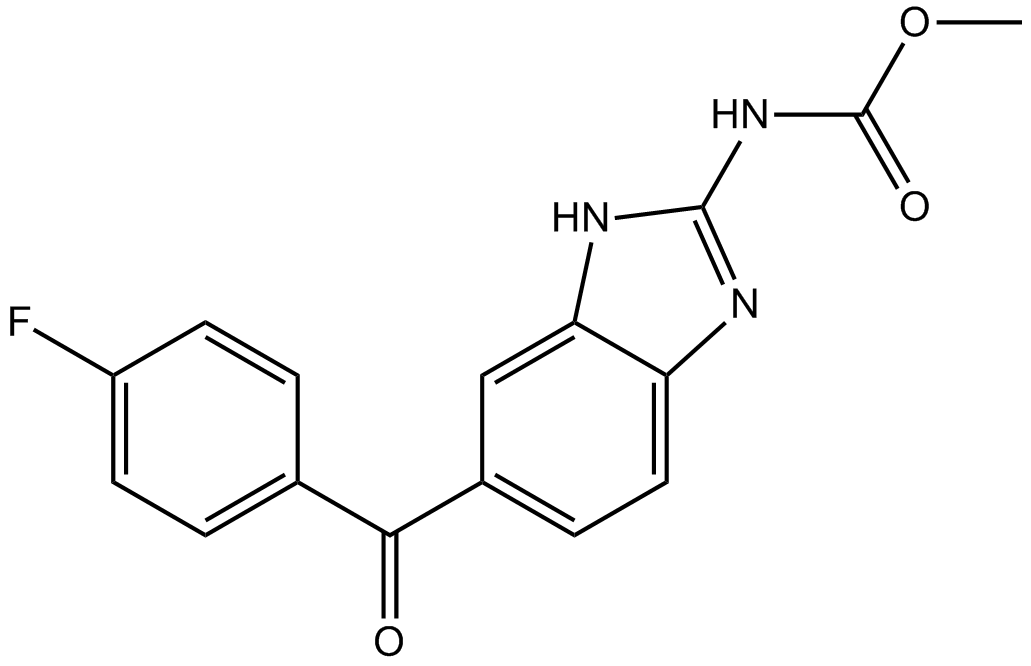 B1759 FlubendazoleSummary: Autophagy activator
 -
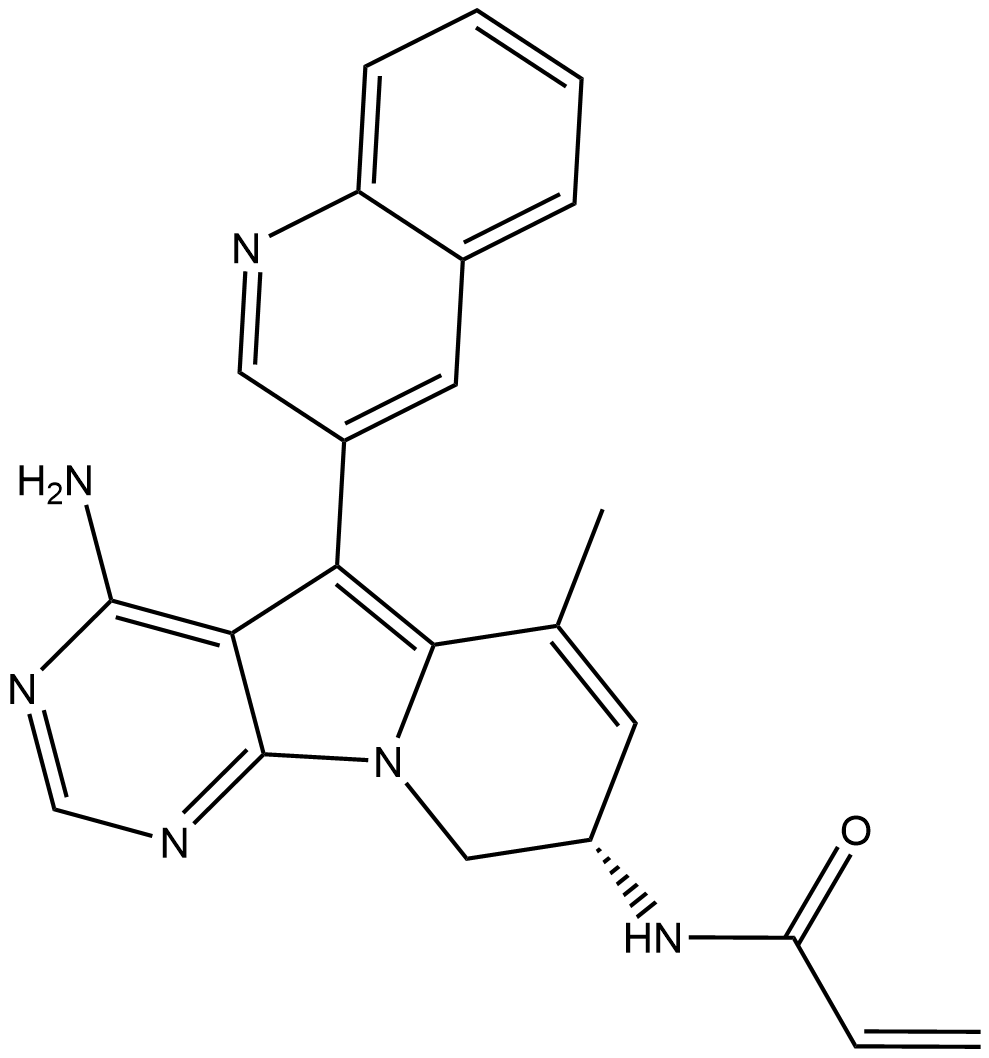 A4683 ZipalertinibSummary: An oral kinase inhibitor that selectively targets the ATP-binding site in the EGFR hinge region
 -
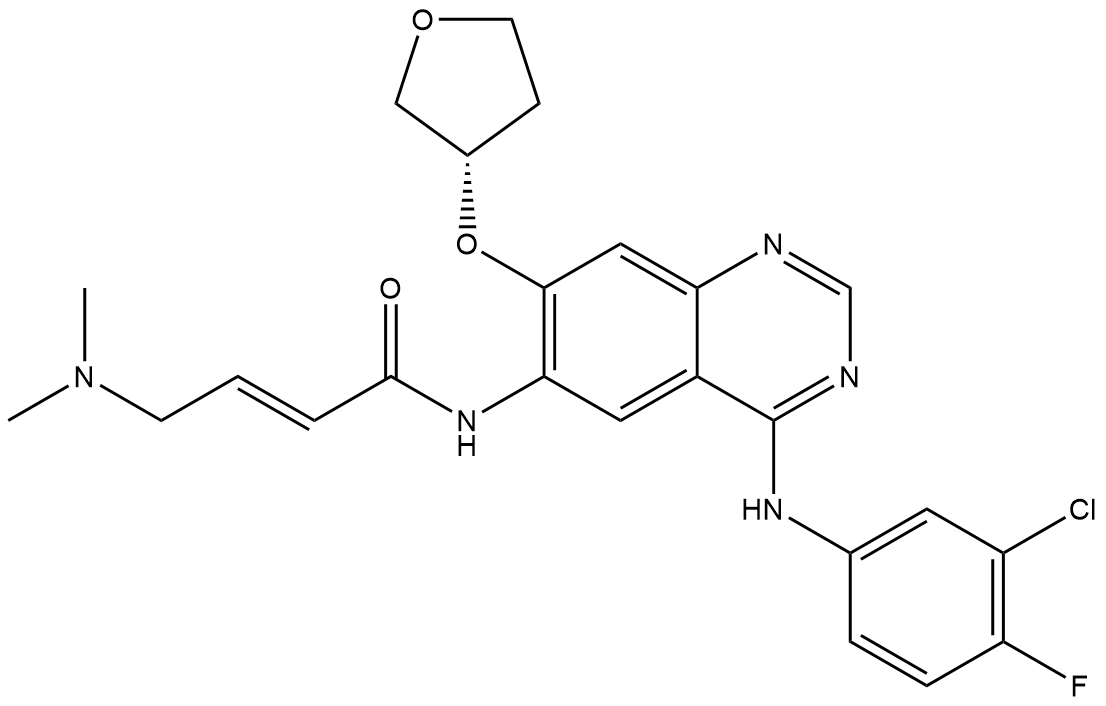 A4746 Afatinib2 CitationSummary: A covalent inhibitor targeting members of the ErbB family
 -
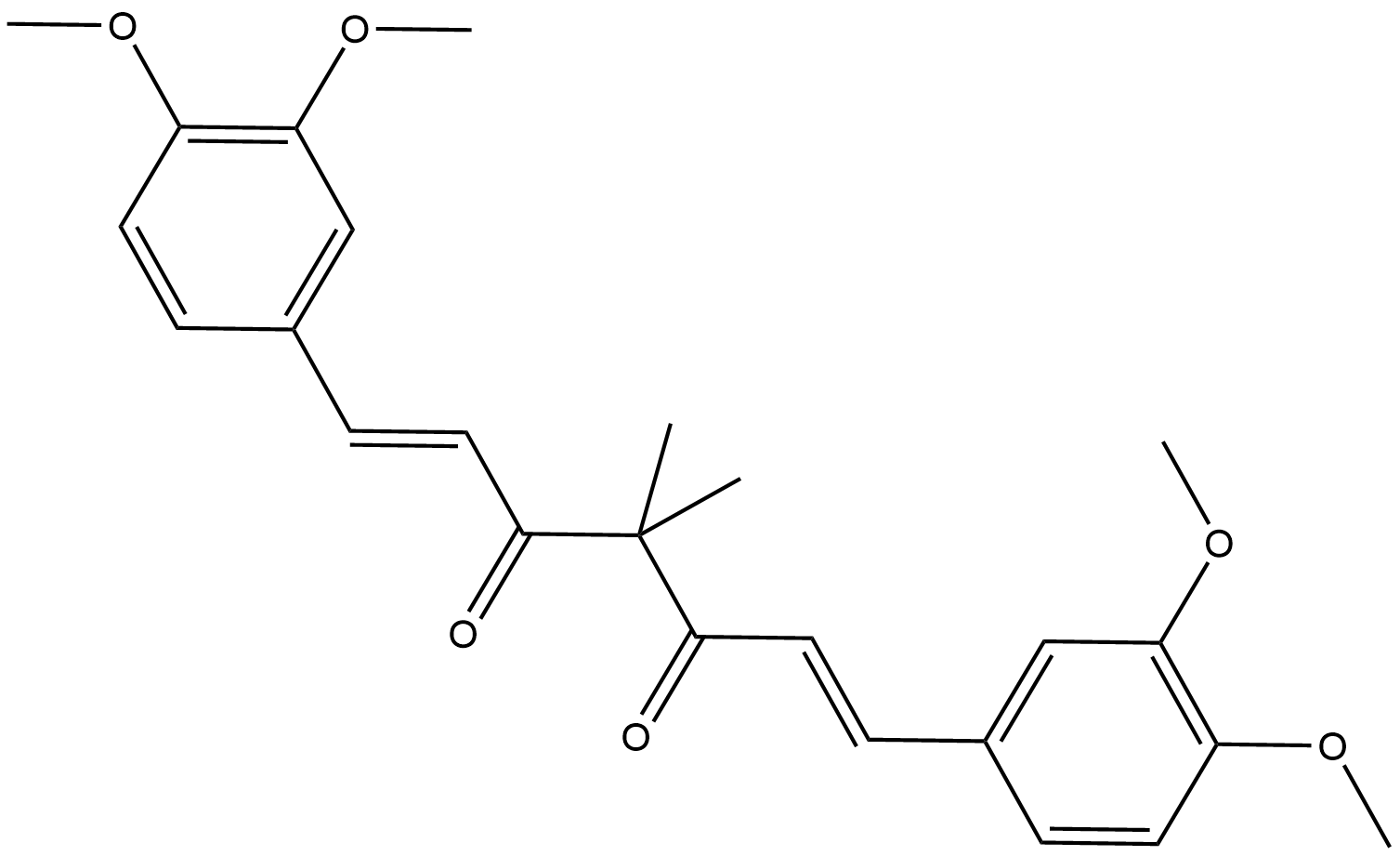 A4768 TetramethylcurcuminSummary: A curcumin derivative that selectively inhibits STAT3 phosphorylation
 -
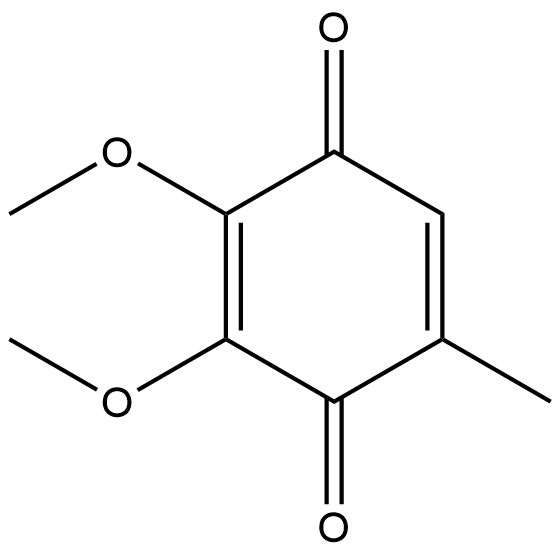 A4783 Coenzyme Q0Summary: A quinone compound that induces apoptosis and autophagy and inhibits angiogenesis
 -
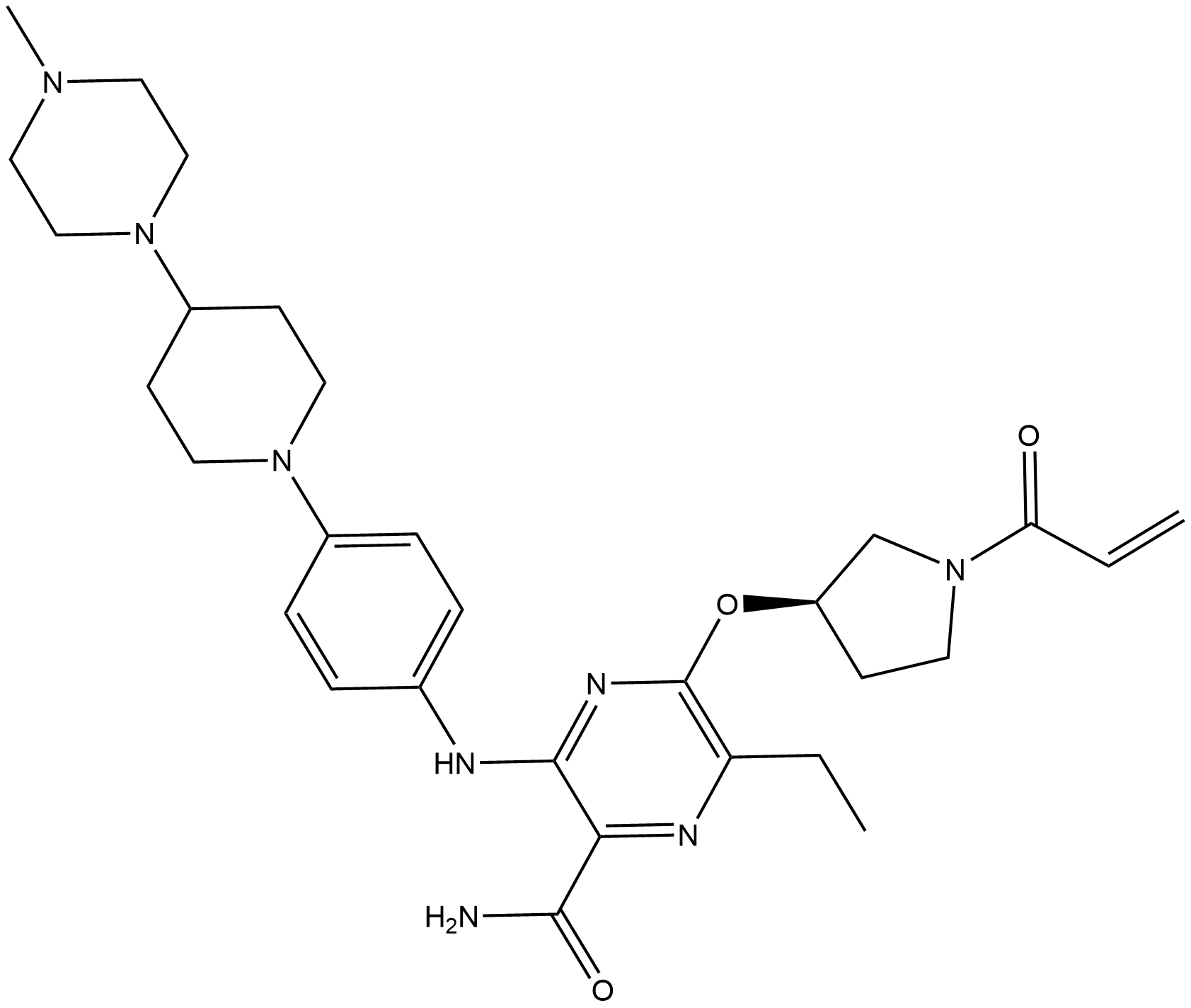 A8969 Naquotinib
 -
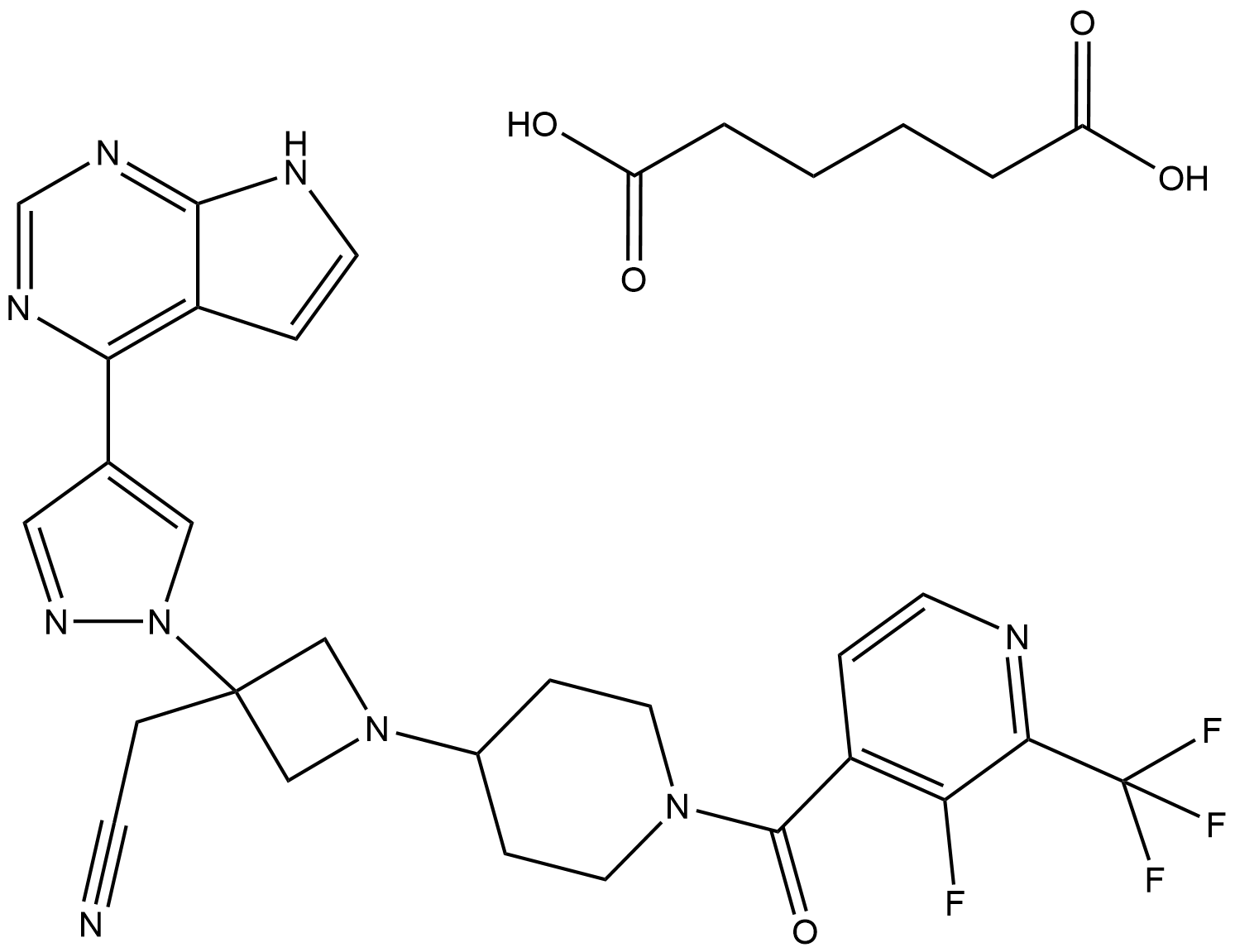 A8970 Itacitinib adipate
 -
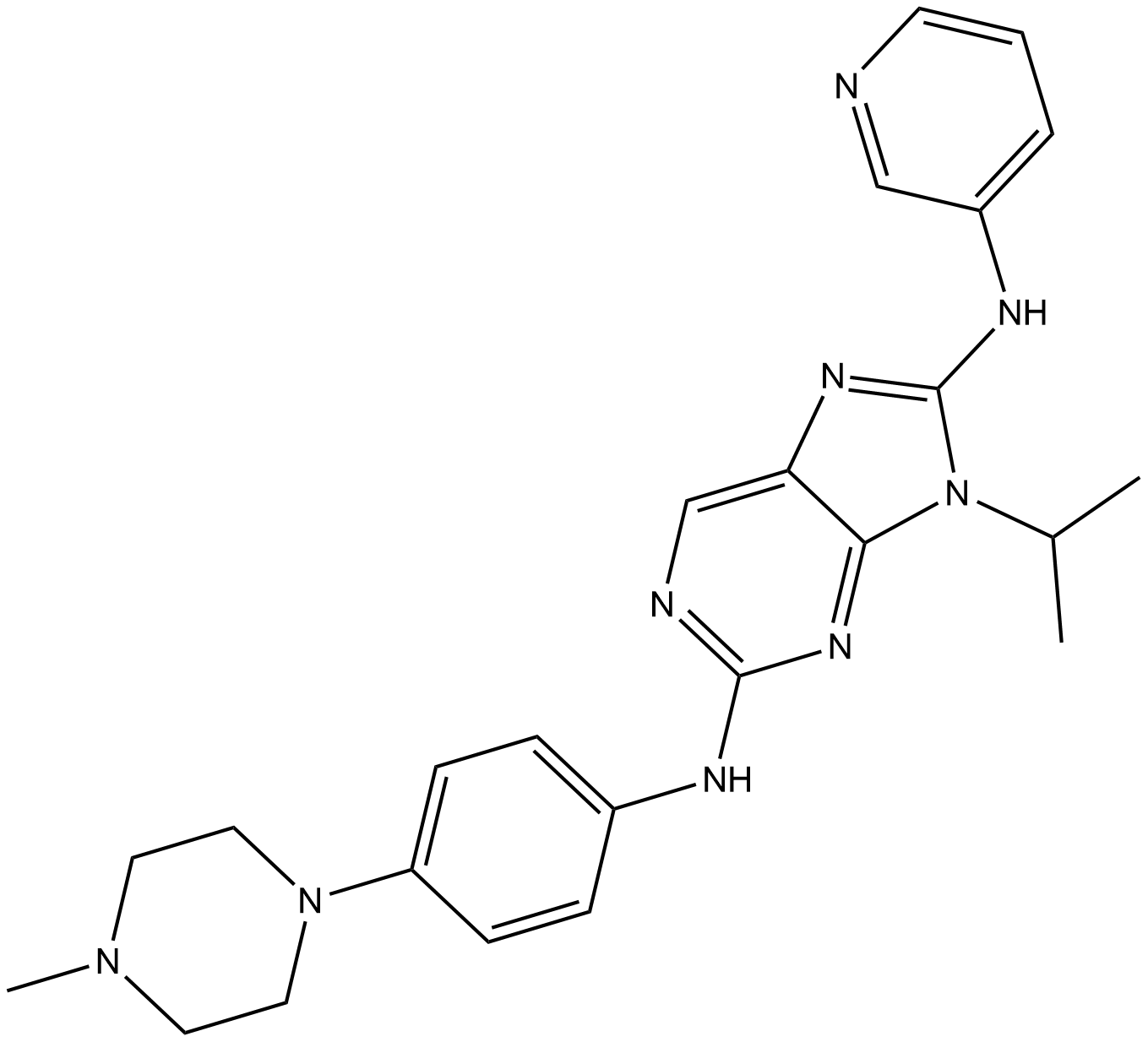 A8971 Ruserontinib