


JAK/STAT Signaling
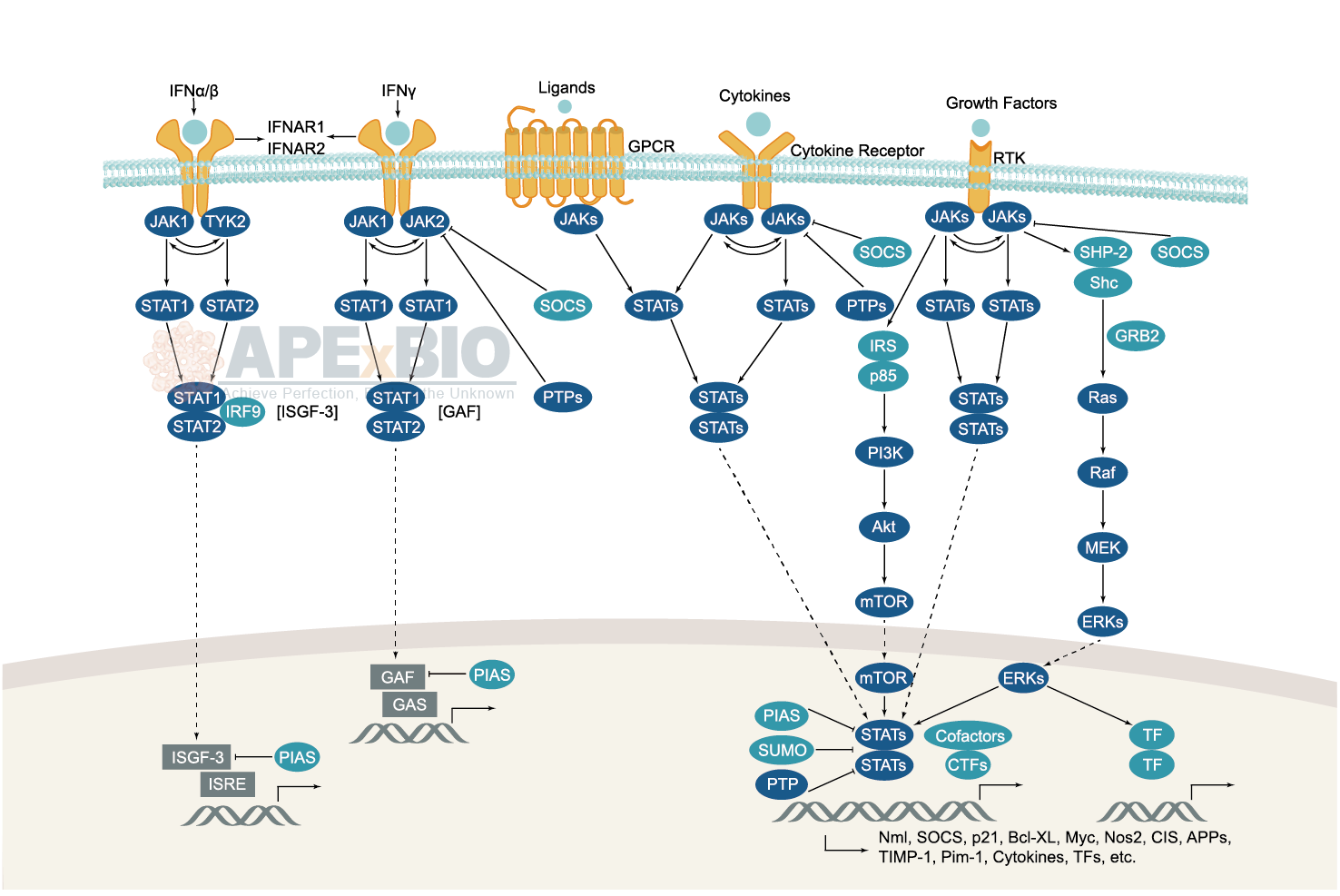
Various ligands including cytokines (e.g. interferons and interleukins), hormones (e.g. erythropoietin and growth hormone) and their cell surface receptors activate JAK proteins, which autophosphorylate, and then phosphorylate the receptor. Subsequently, JAKs phosphorylate a specific tyrosine residue on the STAT protein, promoting dimerization via SH2 domains. The activated STATs form homo-/heterodimers and translocate to the nucleus to trigger target gene transcription. In addition, suppressors of cytokine signaling (SOCS) family inhibit receptor signaling via homologous or heterologous feedback regulation. Dysregulation in JAK/STAT signaling is associated with diseases such as atherosclerosis, immunodeficiencies and cancer.
-
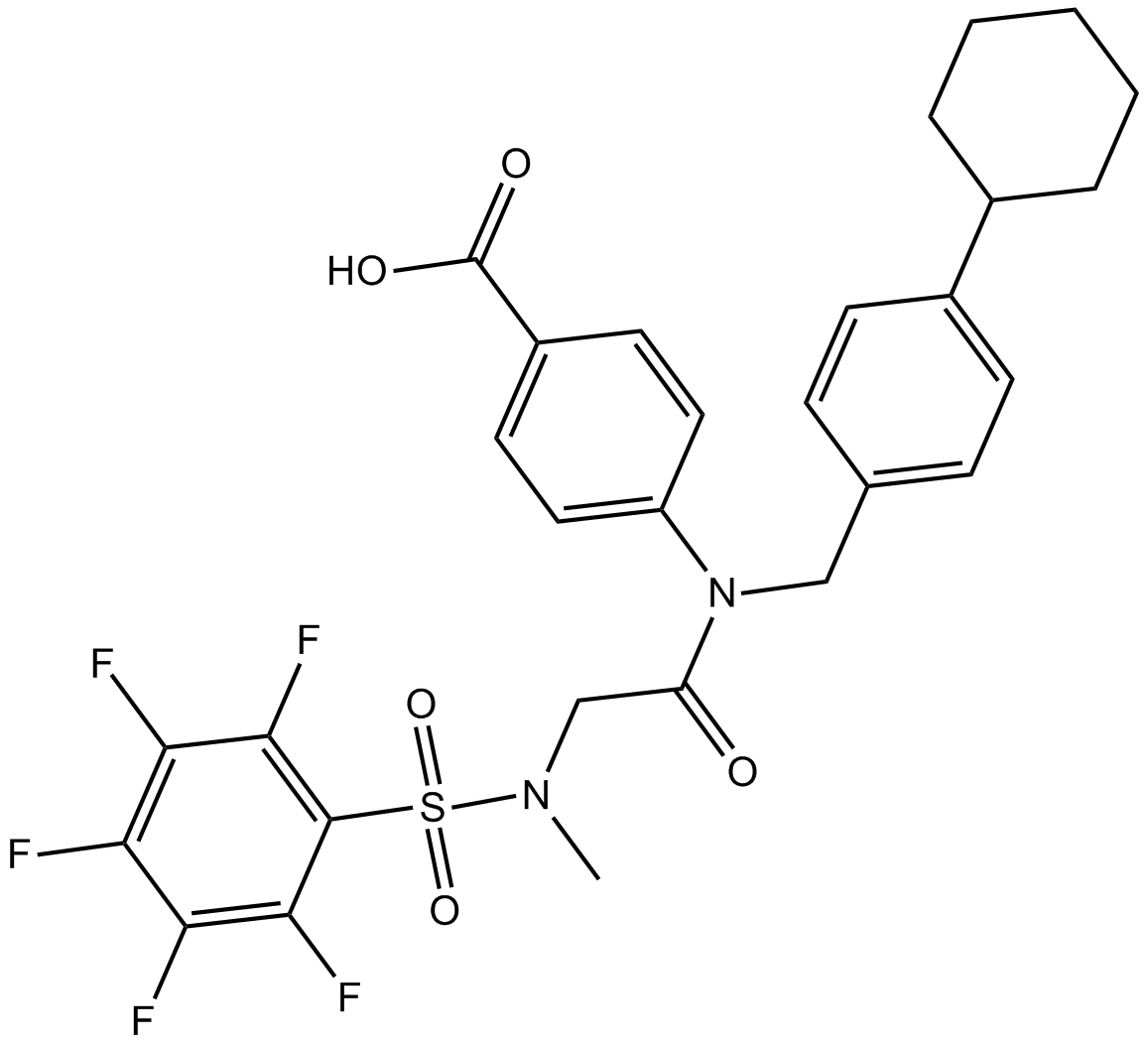 B4789 SH-4-541 CitationTarget: STATSummary: STAT inhibitor, potent
 -
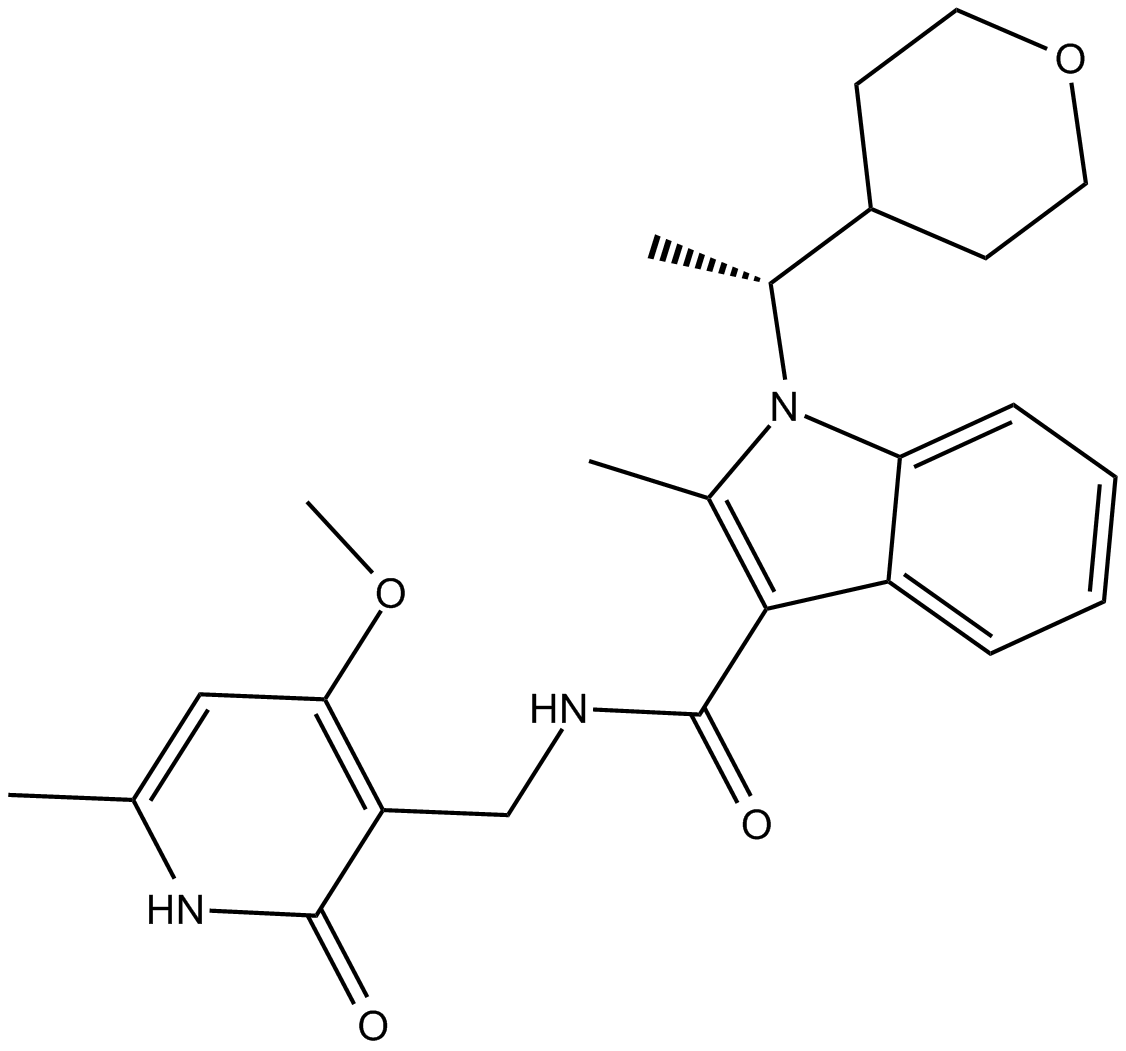 B4836 CPI-360Summary: EZH2 inhibitor
 -
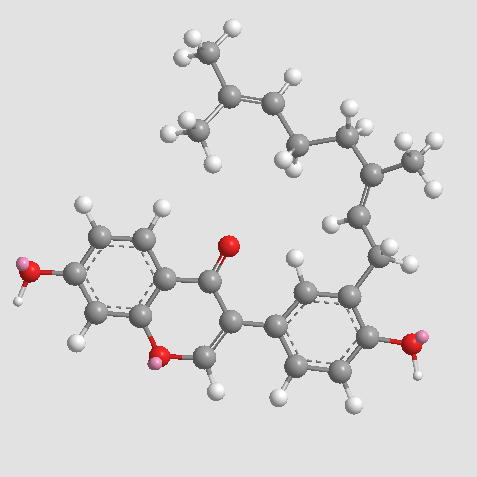 B4913 Corylifol ASummary: STAT3 inhibitor
 -
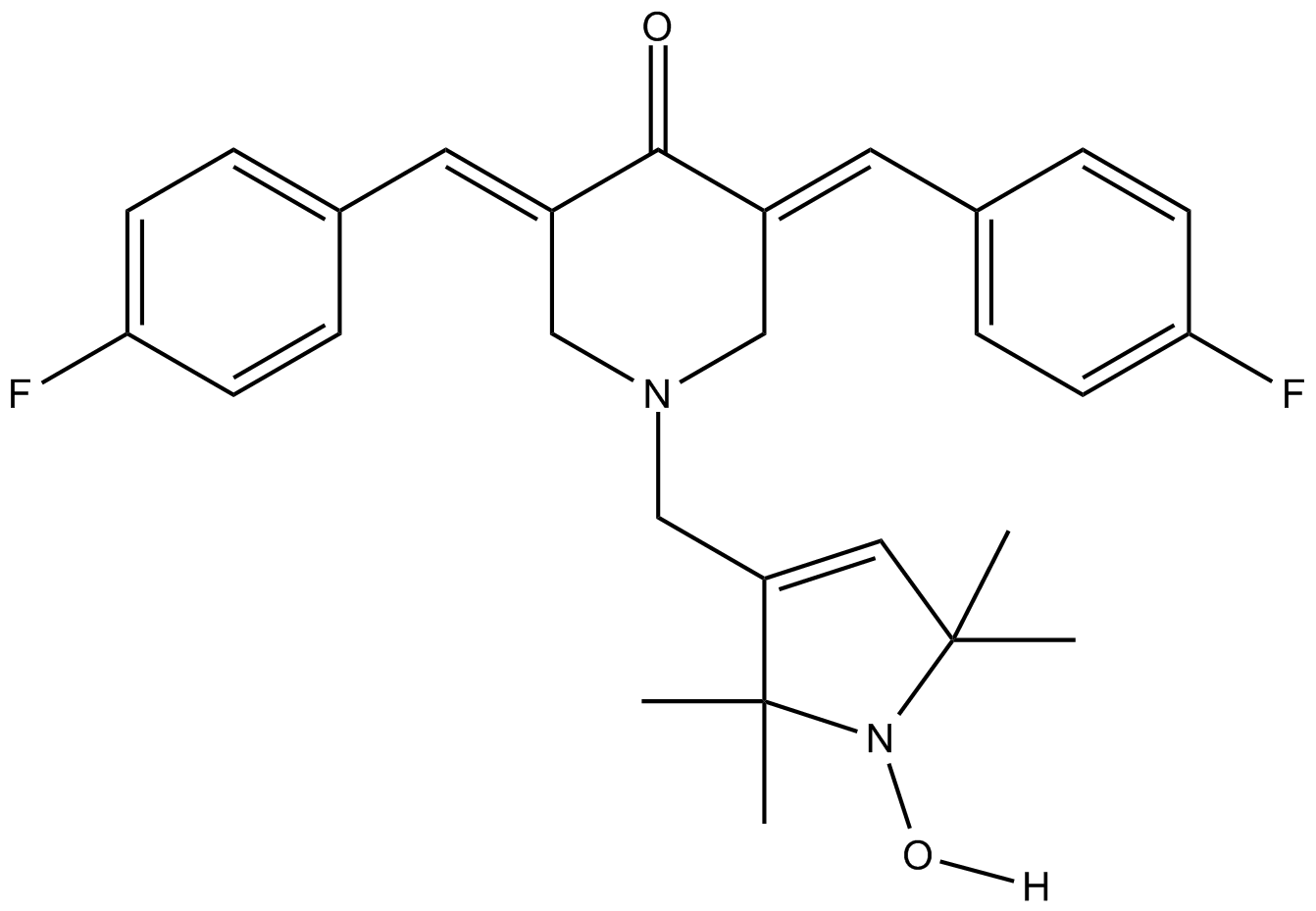 B4970 HO-38671 CitationTarget: STATSummary: STAT3 inhibitor, selective
 -
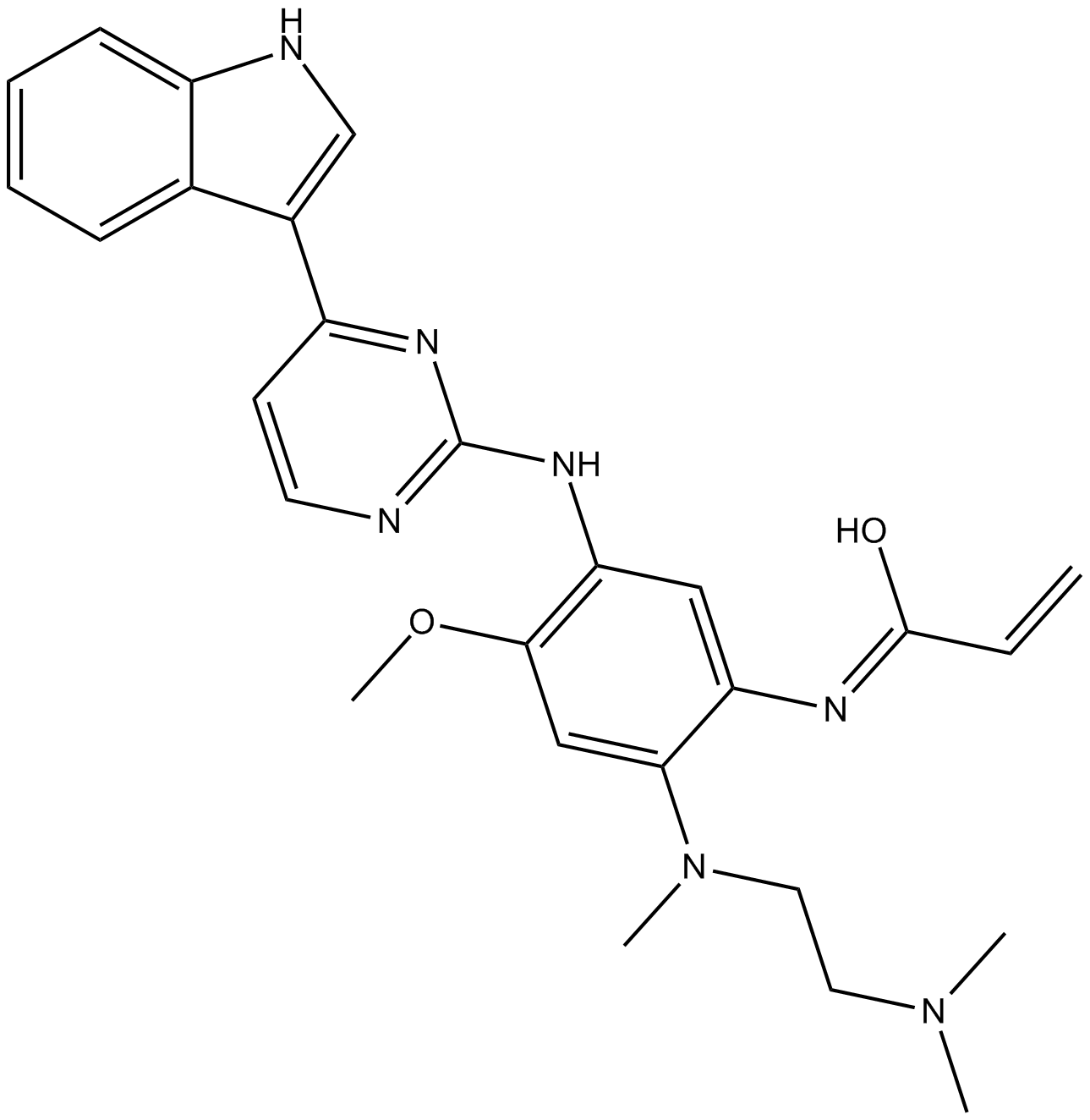 B5836 AZ5104Target: EGFRSummary: EGFR inhibitor
 -
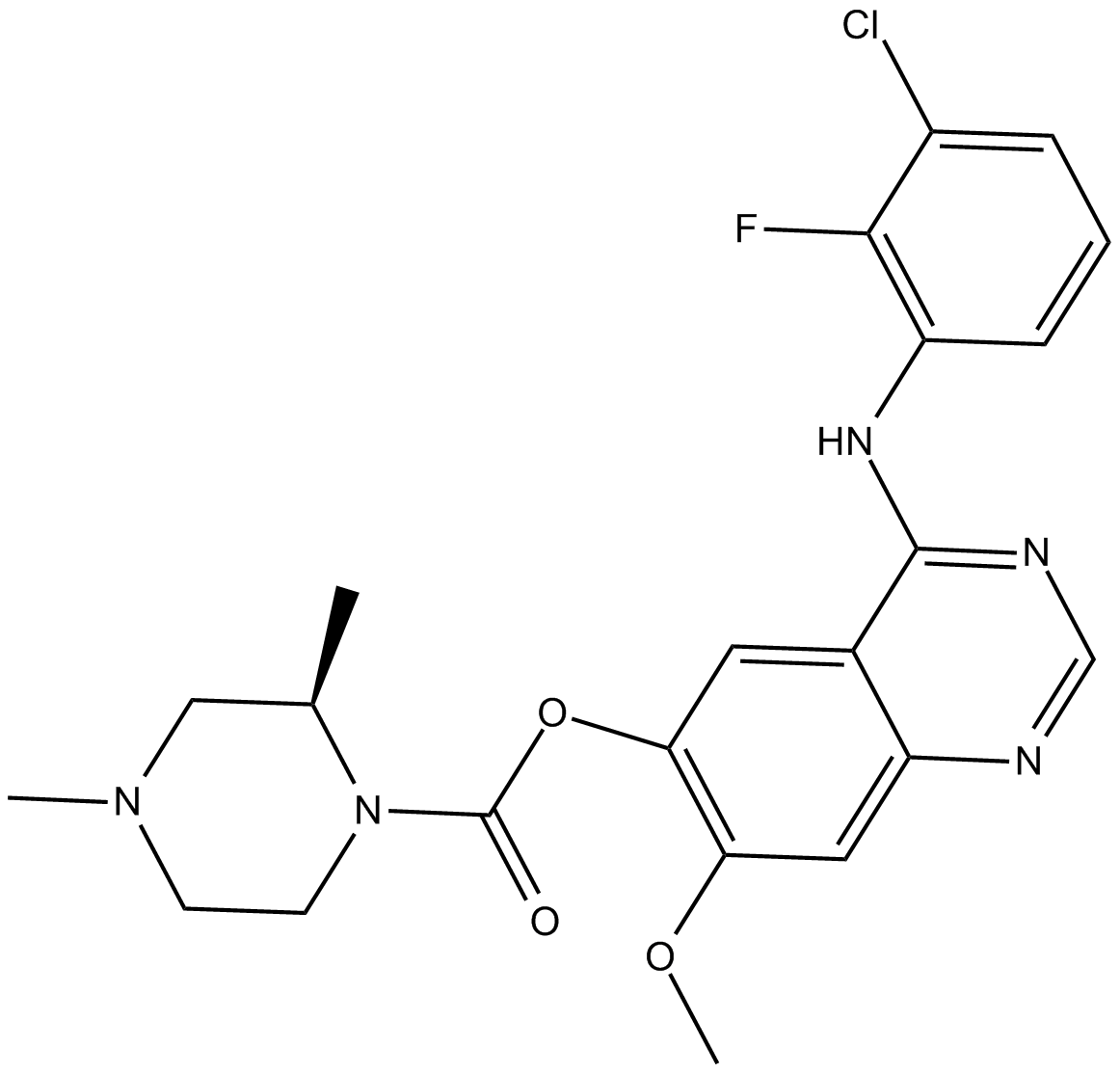 B5962 AZD3759Summary: EGFR inhibitor,oral active
 -
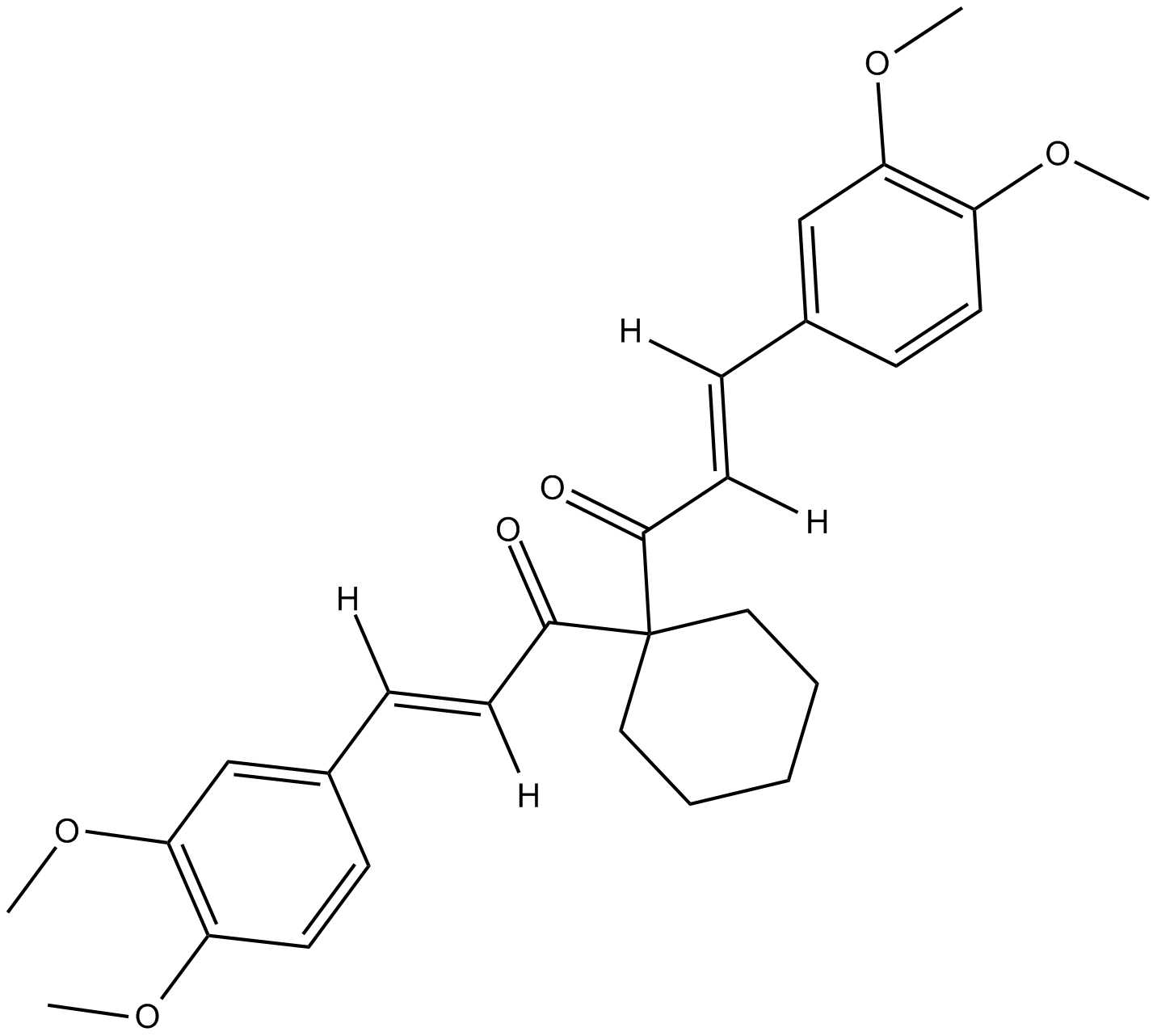 B5999 FLLL32Summary: STAT3 inhibitor
 -
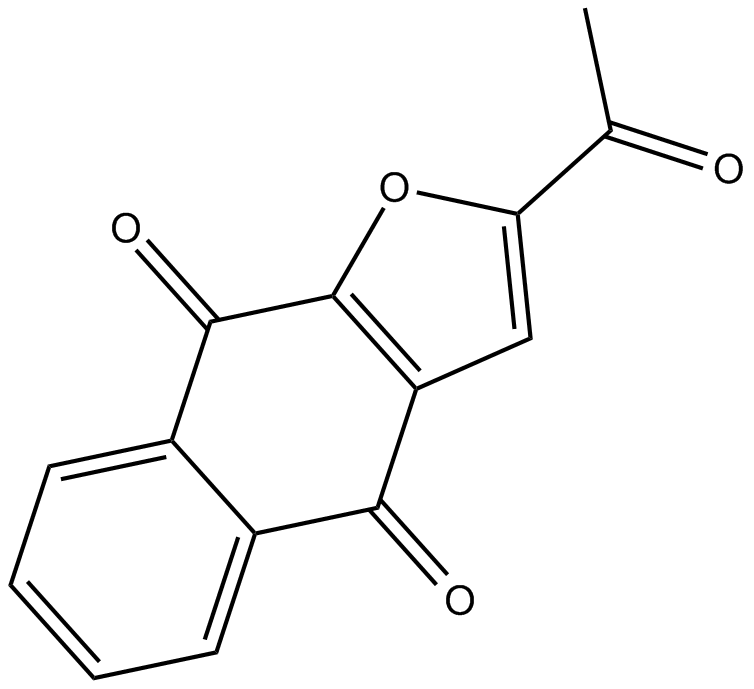 B6029 NapabucasinTarget: STATSummary: STAT3 inhibitor
 -
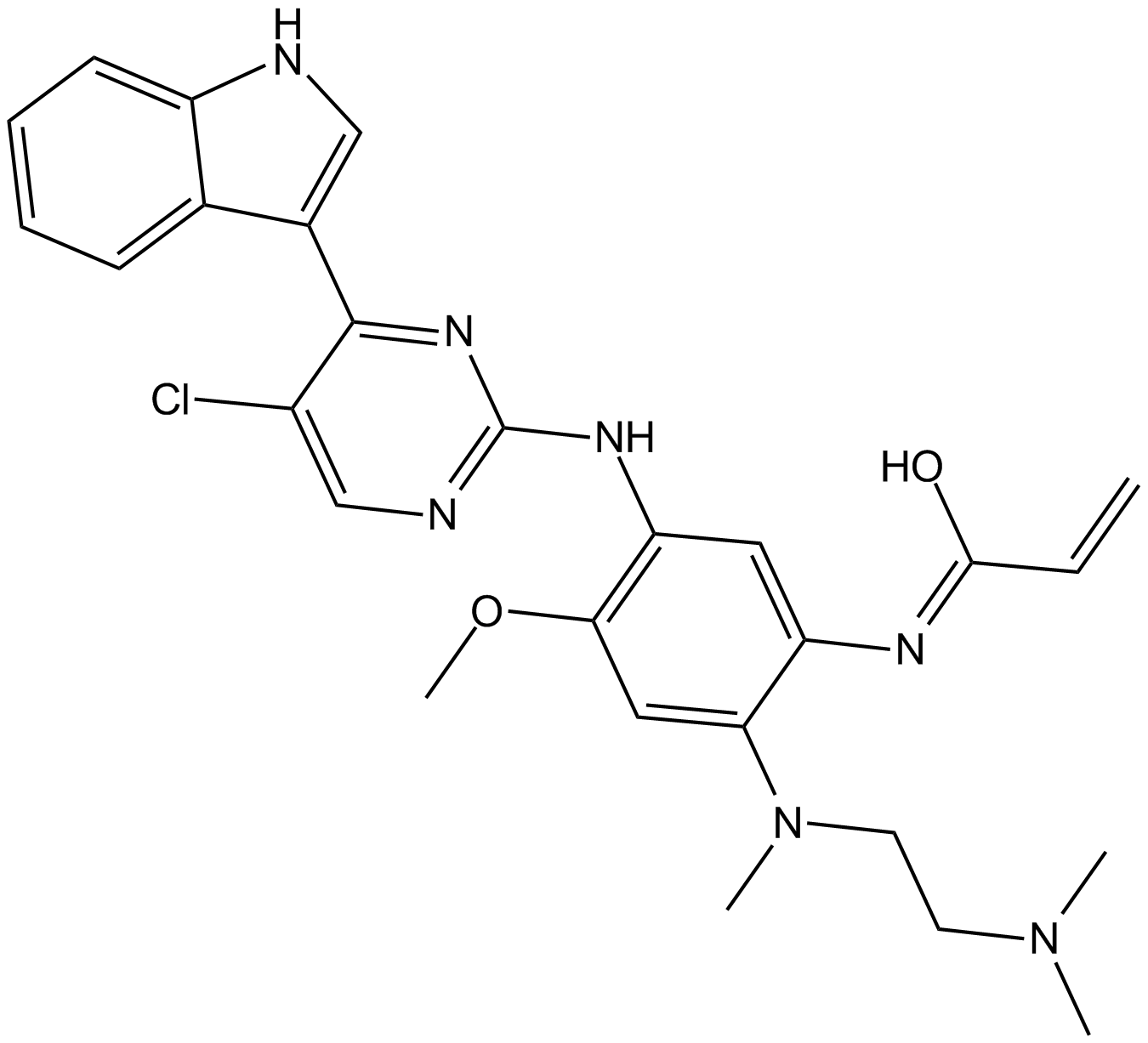 B1103 Mutant EGFR inhibitorSummary: Selective Mutated EGFR inhibitor
 -
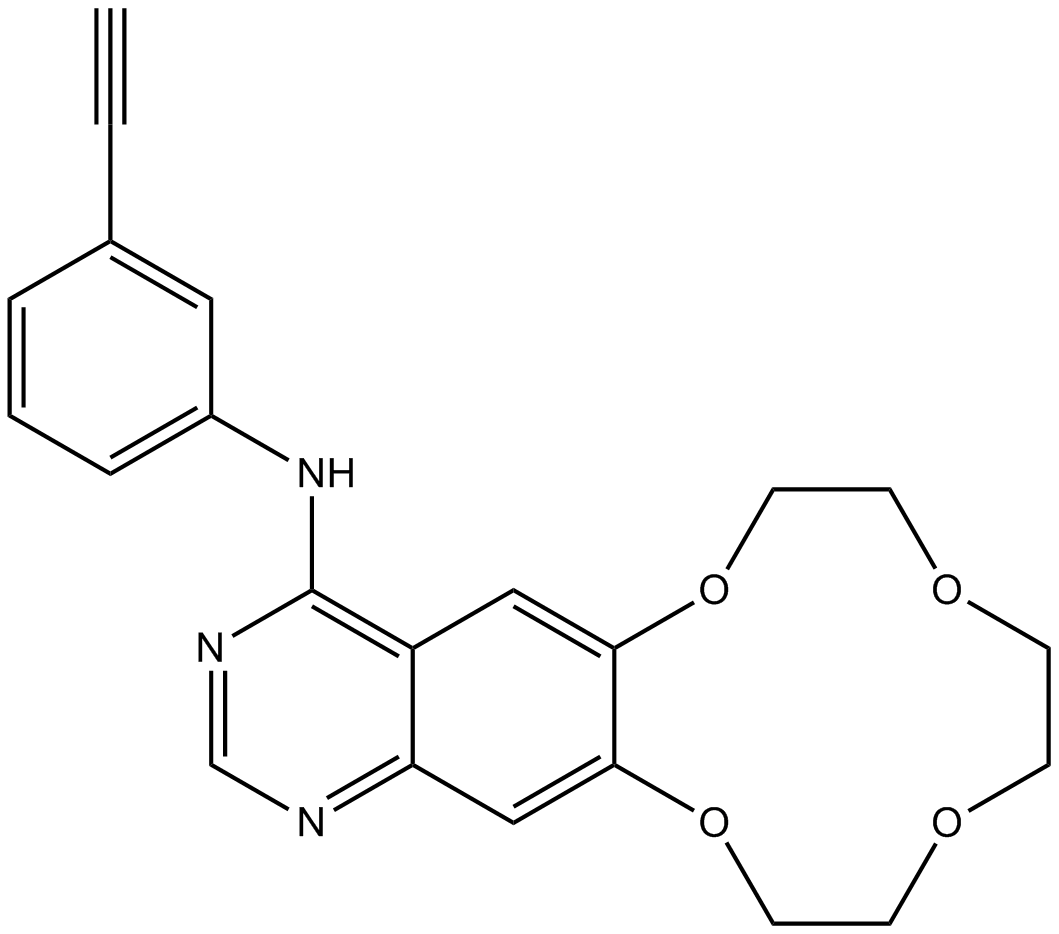 B1496 IcotinibSummary: EGFR tyrosine kinase inhibitor