


JAK/STAT Signaling
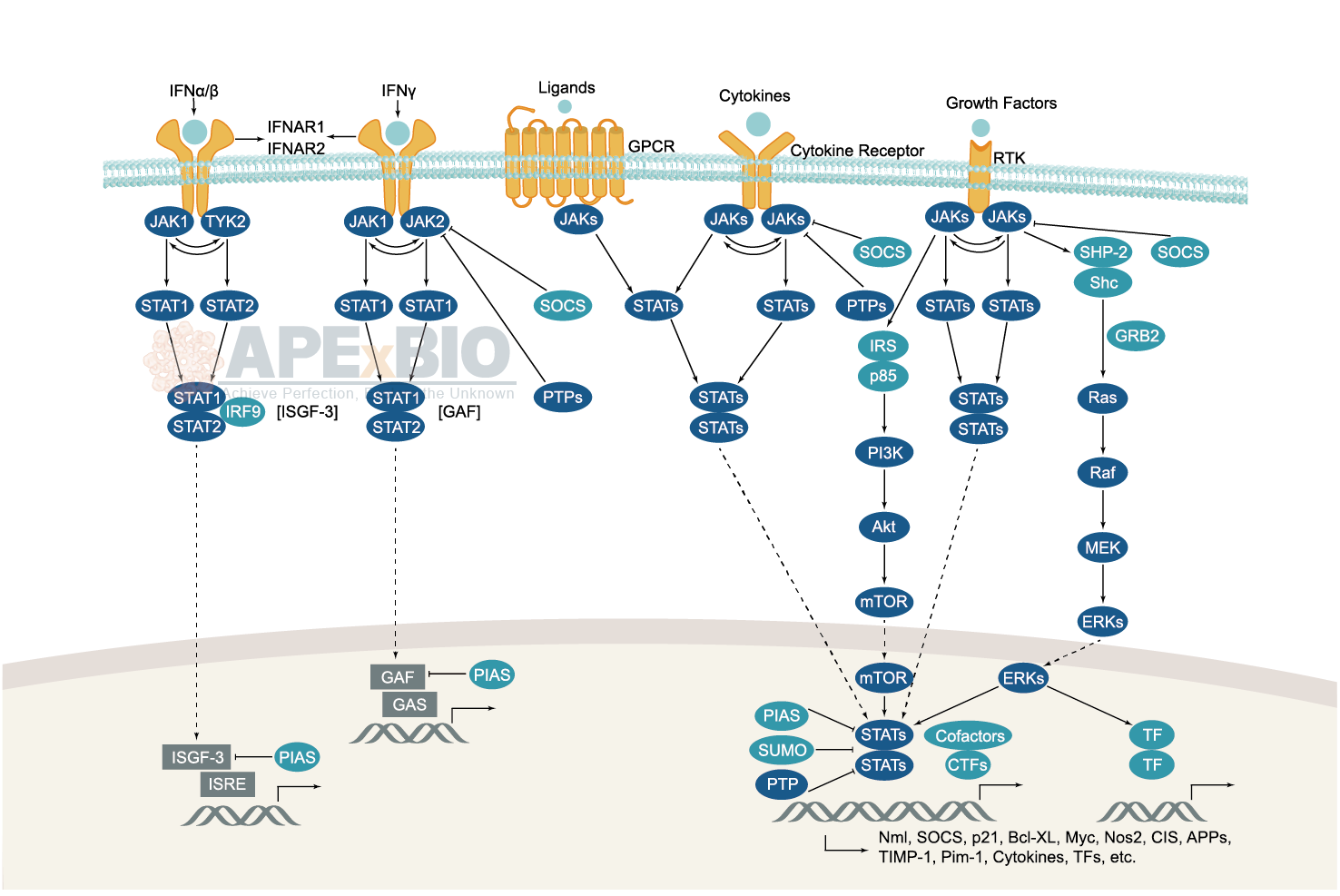
Various ligands including cytokines (e.g. interferons and interleukins), hormones (e.g. erythropoietin and growth hormone) and their cell surface receptors activate JAK proteins, which autophosphorylate, and then phosphorylate the receptor. Subsequently, JAKs phosphorylate a specific tyrosine residue on the STAT protein, promoting dimerization via SH2 domains. The activated STATs form homo-/heterodimers and translocate to the nucleus to trigger target gene transcription. In addition, suppressors of cytokine signaling (SOCS) family inhibit receptor signaling via homologous or heterologous feedback regulation. Dysregulation in JAK/STAT signaling is associated with diseases such as atherosclerosis, immunodeficiencies and cancer.
-
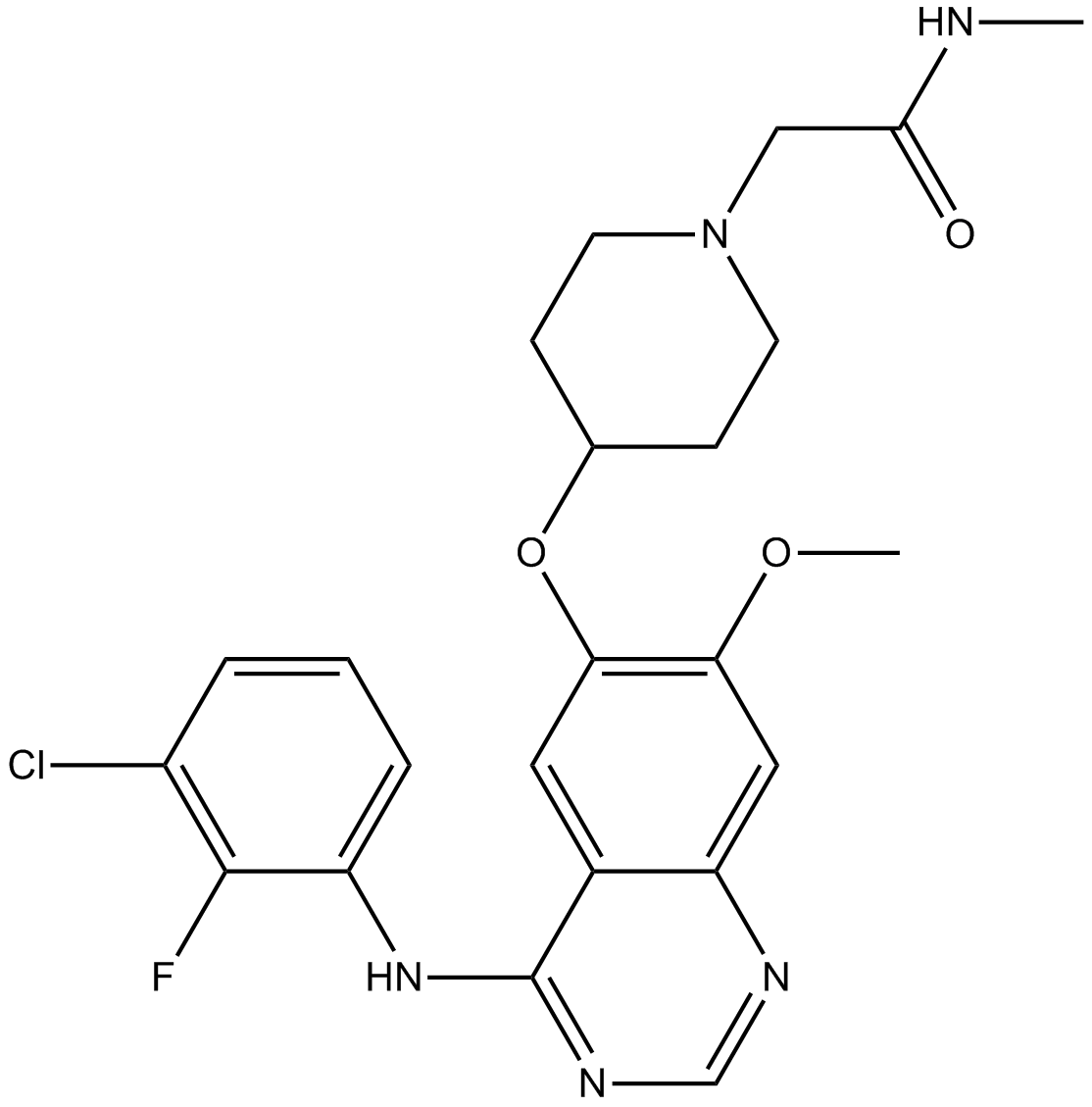 A8375 AZD8931 (Sapitinib)Target: EGFR|ErbBSummary: ErbB inhibitor
 -
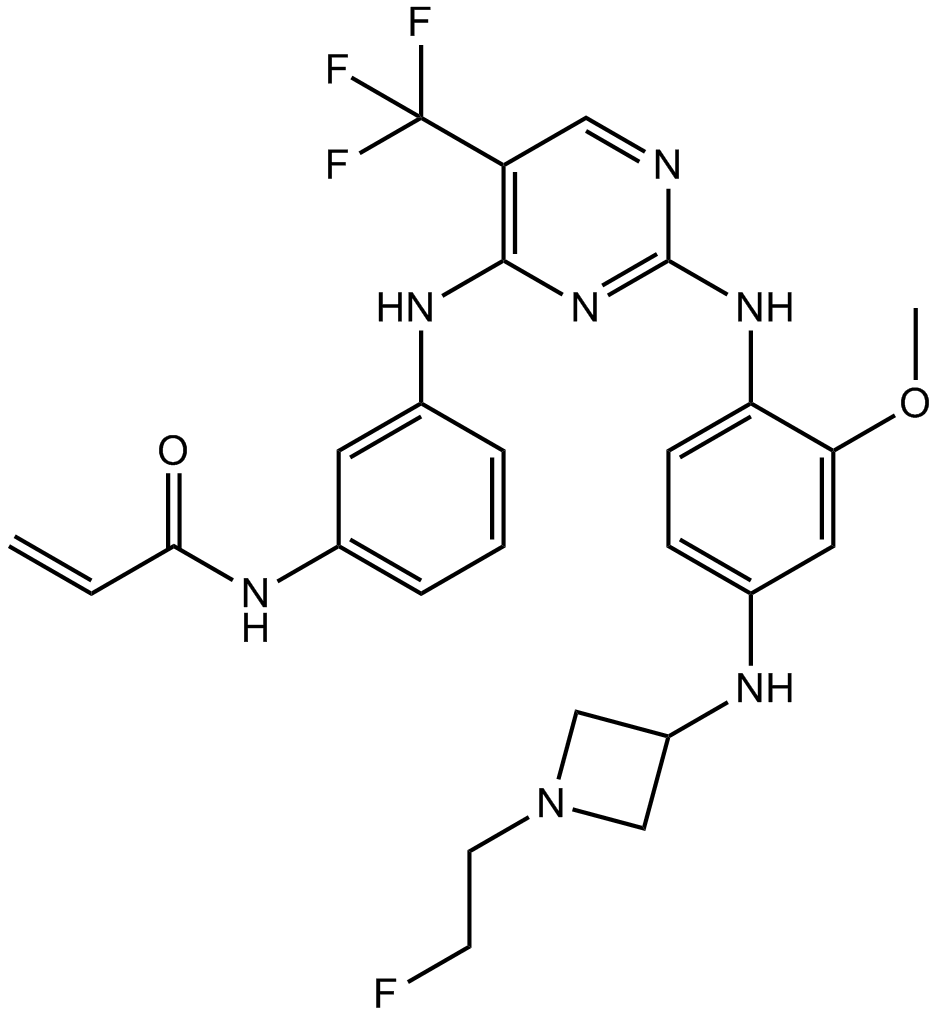 B3227 CNX-2006Summary: mutant-EGFR inhibitor, selective and irreversible
 -
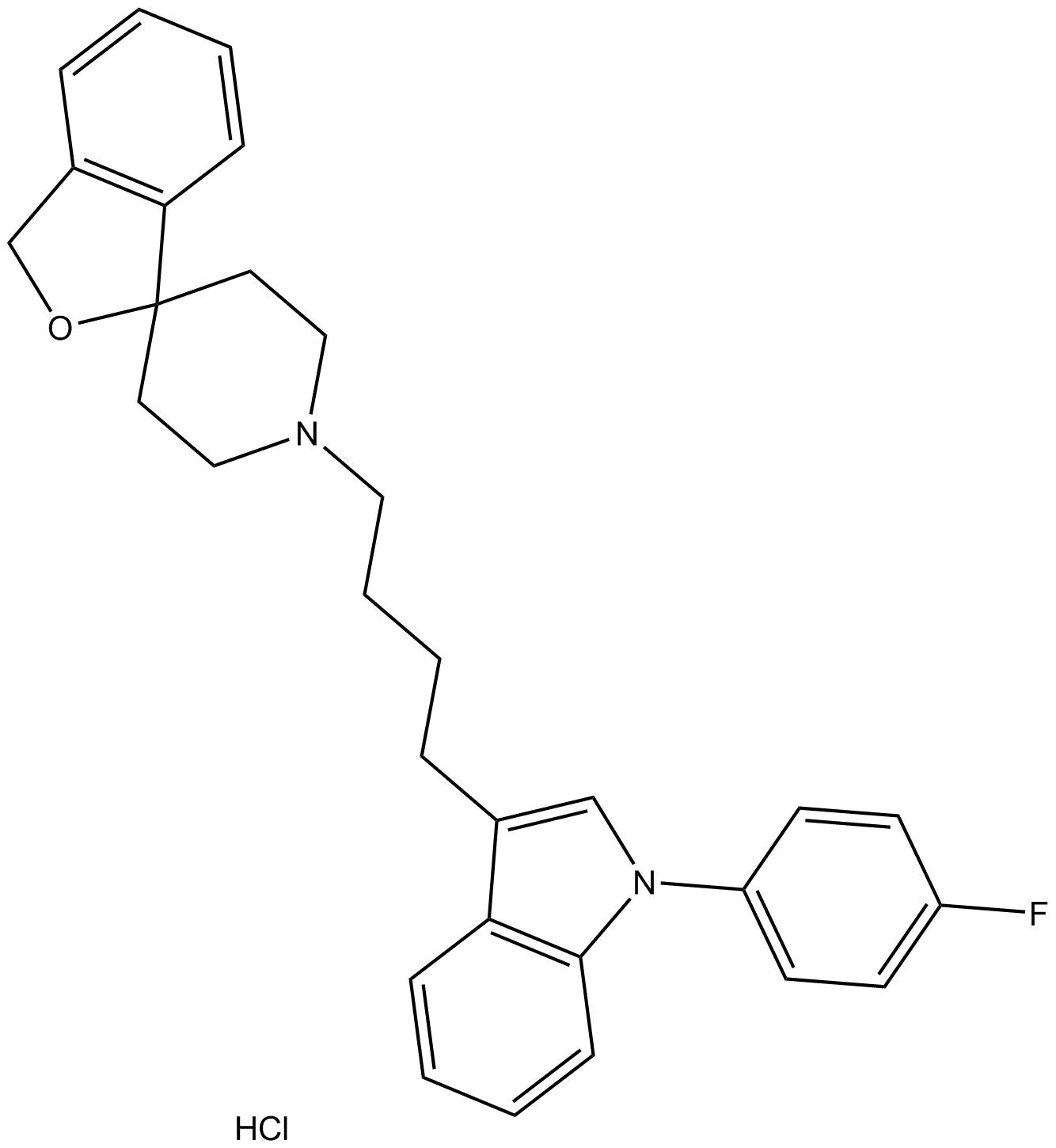 B3259 Siramesine hydrochlorideSummary: A highly selective σ‑2 receptor agonist
 -
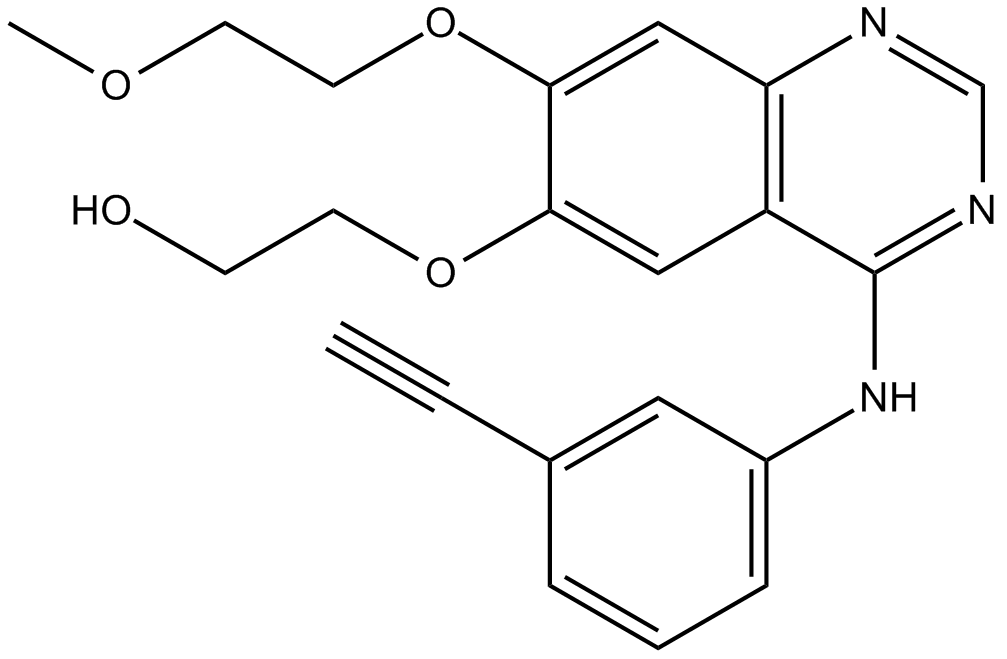 B1495 OSI-420 free baseSummary: EGFR inhibitor
 -
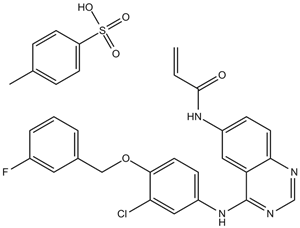 B1020 AST-1306 TsOHSummary: ErbB2 and EGFR inhibitor
 -
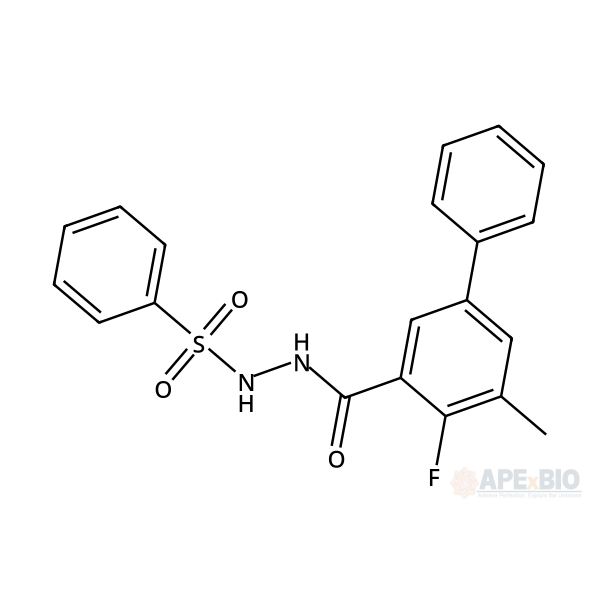 A8779 WM-80141 CitationSummary: Inhibitor for KAT6A (MOZ) and KAT6B (MORF/QKF), anticancer
 -
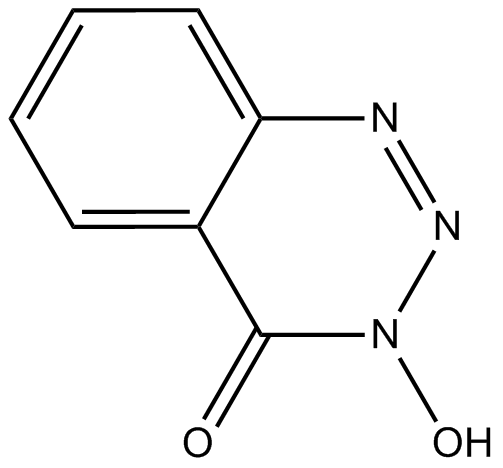 A7026 HOOBt
 -
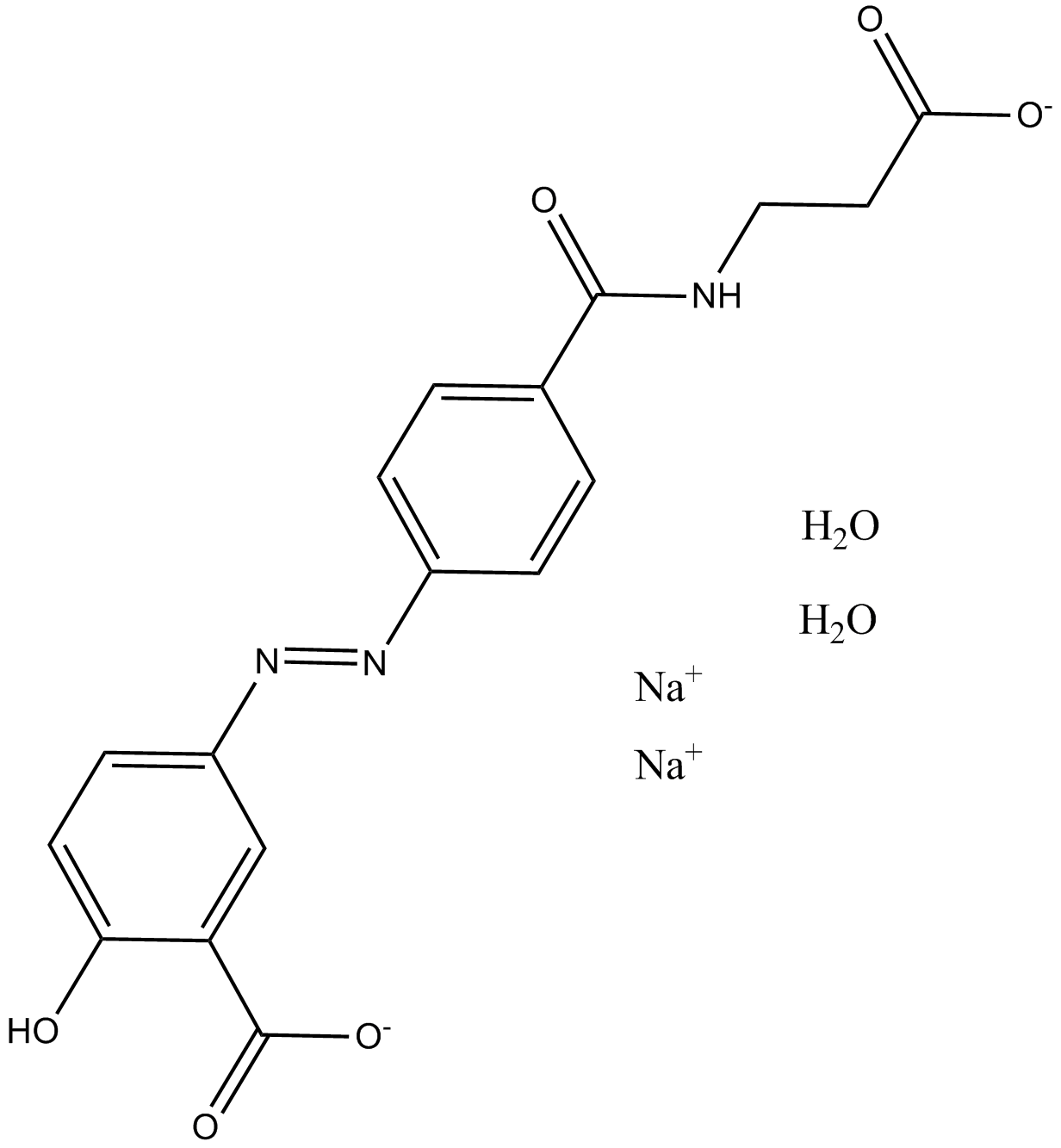 C6459 Balsalazide disodium dihydrateSummary: A prodrug of aminosalicylic acid that exerts local anti-inflammatory effects in the colon
 -
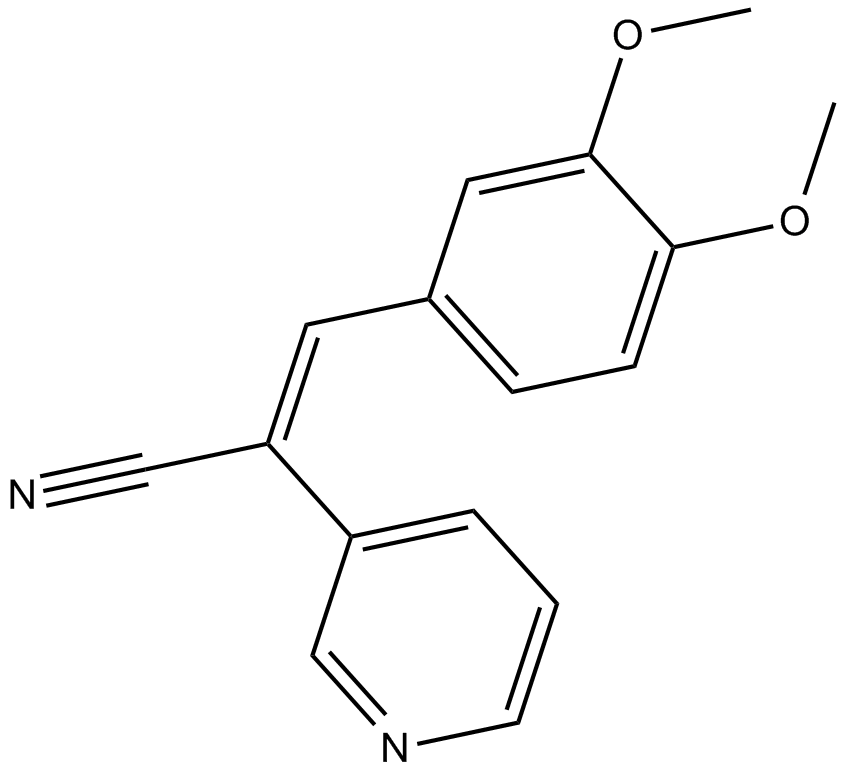 B6115 RG 13022Summary: EGFR tyrosine kinase inhibitor
 -
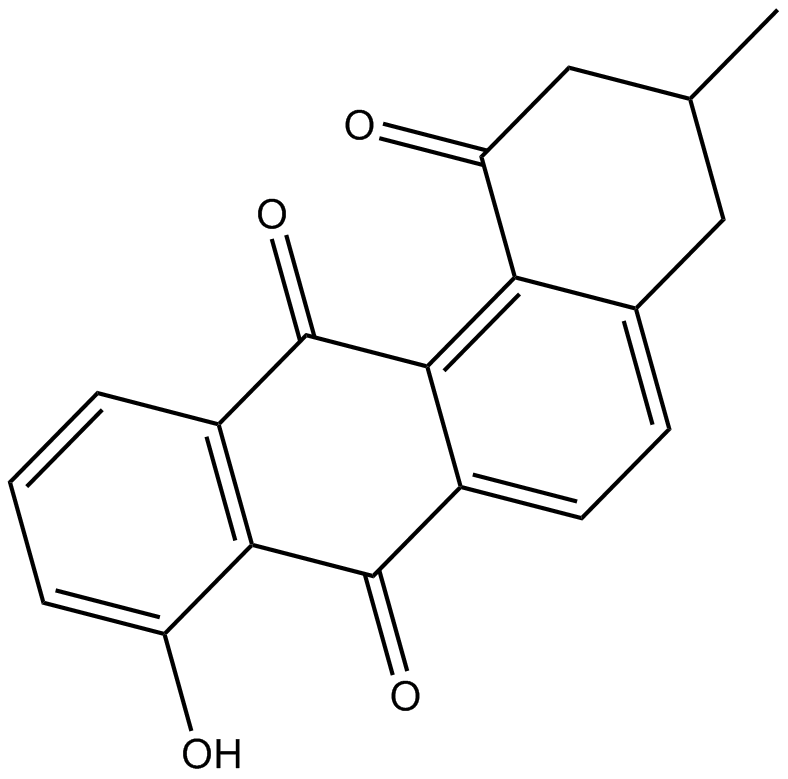 B6175 STA-21Summary: STAT3 inhibitor