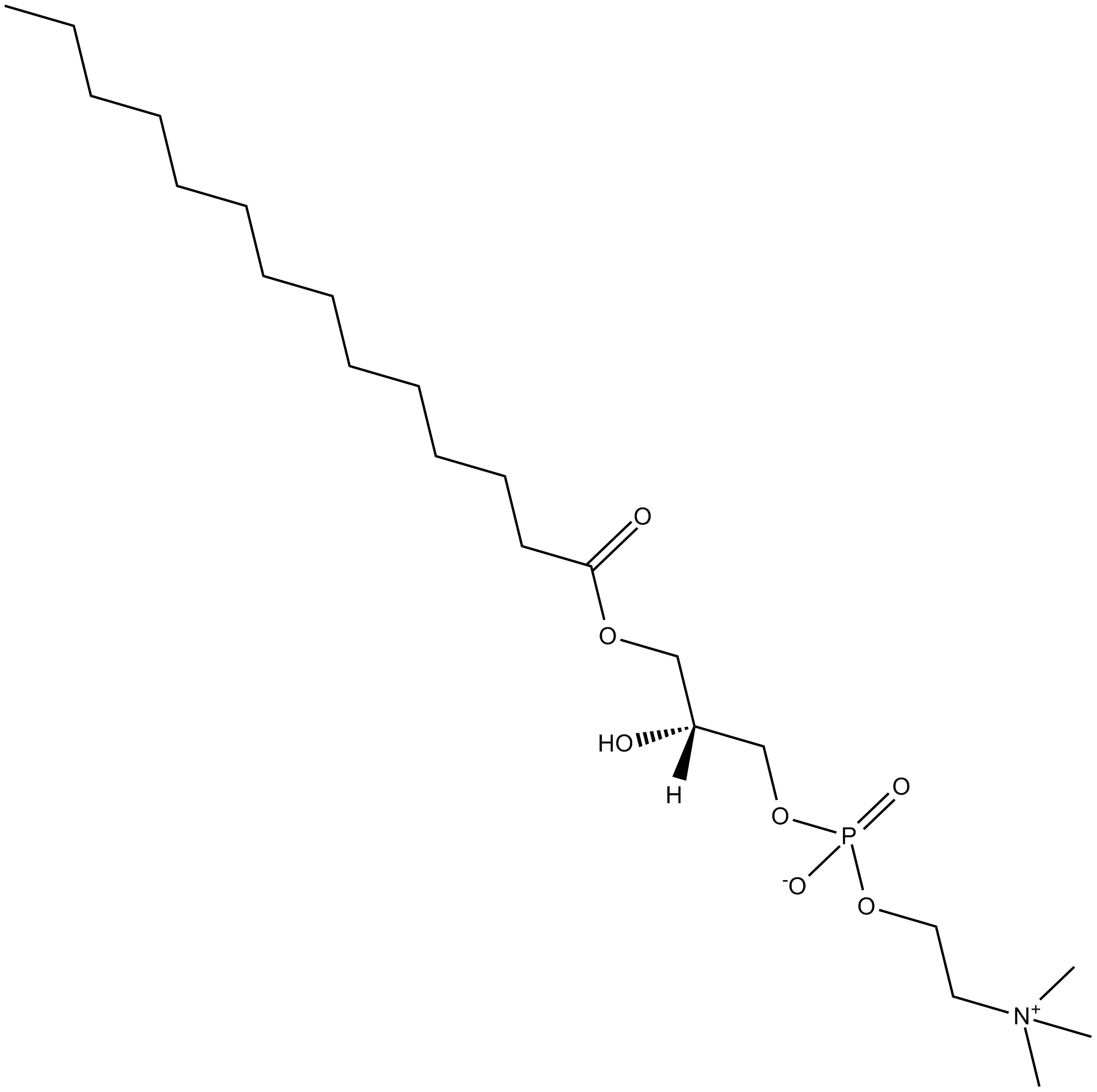
Triglyceride Assay Kit
Triglycerides (TG) are the primary form of stored energy in the body. As the main constituents of adipose tissue and key carriers in lipid transport, their concentration in blood is a critical physiological indicator of lipid metabolism. Accurate quantification of triglycerides is therefore essential for research into metabolic regulation, cardiovascular risk assessment, and the development of therapies for conditions such as hyperlipidemia, obesity, and non-alcoholic fatty liver disease (NAFLD).
The Triglyceride Assay Kit provides a simple, sensitive, and robust method for quantifying triglycerides in serum, plasma, cells, and tissue lysates. The assay leverages a series of enzymatic reactions: triglycerides are first hydrolyzed by Cholesterol Esterase to glycerol and free fatty acids. The glycerol is then sequentially oxidized by glycerol kinase and glycerol-3-phosphate oxidase, generating hydrogen peroxide (H2O2). In the presence of horseradish peroxidase, the generated H2O2 reacts with the Amplex Red probe to produce resorufin, a highly fluorescent red product. The fluorescence intensity or absorbance of resorufin is directly proportional to the triglyceride concentration in the sample.

Figure 1. Typical triglyceride standard curve using colorimetric reading (left) and fluorometric reading (right).
|
Components |
100 Assays |
Storage |
|
TG Assay Buffer |
25 mL |
-20°C |
|
Cholesterol Esterase |
200 μL |
-20°C |
|
Amplex Red |
200 μL |
-20°C away from light |
|
Enzyme Mix |
200 μL |
-20°C |
|
Cofactor |
200 μL |
-20°C away from light |
|
Triglyceride (1 mM) |
300 μL |
-20°C away from light |
|
Shipping: Blue ice Shelf life: 1 year |
||