


T7 RNA Polymerase Mix
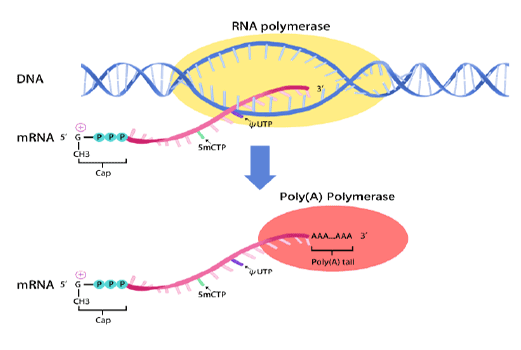
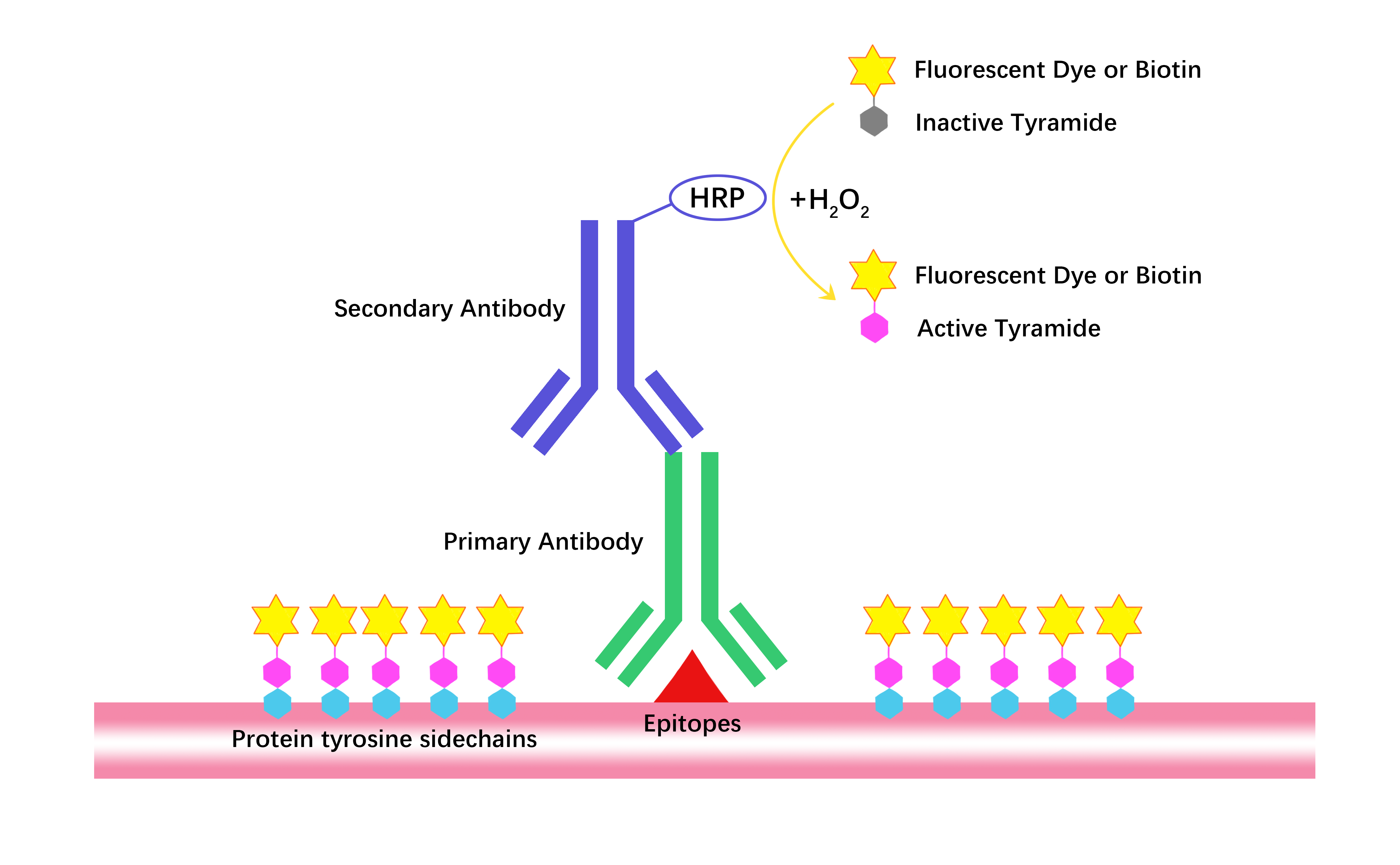
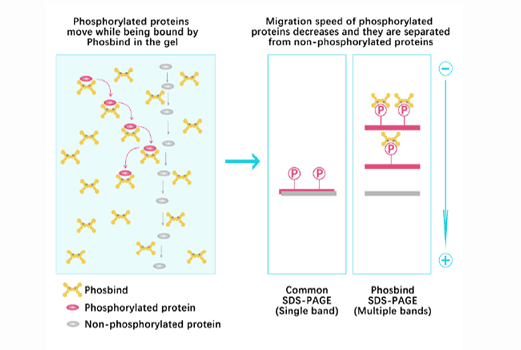
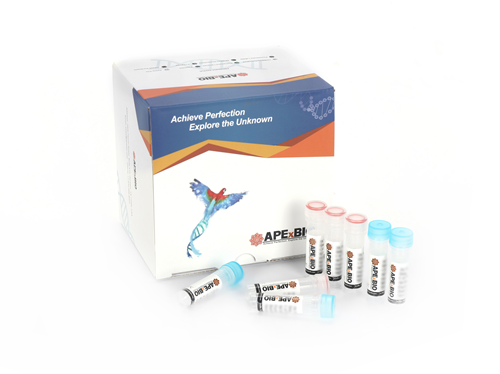
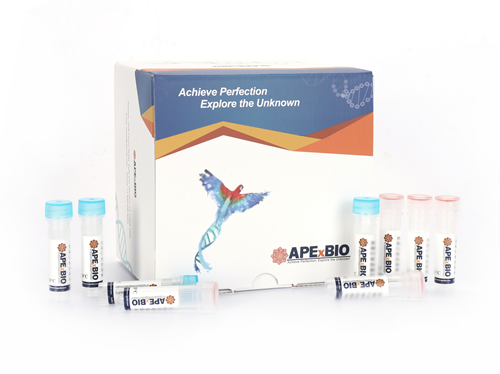
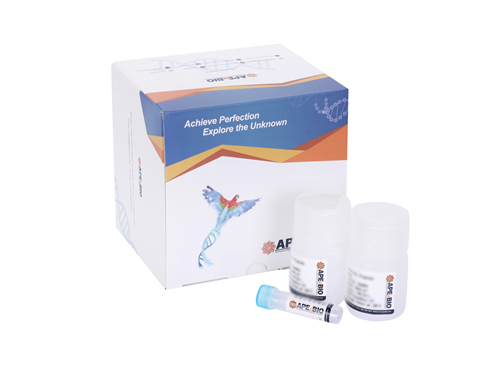
T7 RNA Polymerase Mix is an optimized enzyme blend containing T7 RNA polymerase, pyrophosphatase and other accessory enzymes. It serves as the enzyme and buffer component for the T7 in vitro transcription kit series (e.g., Cat. No. K1401). When combined with NTP substrates, it enables efficient in vitro RNA transcription within a short reaction time. Please refer to the K1401 product manual for detailed operating protocols.
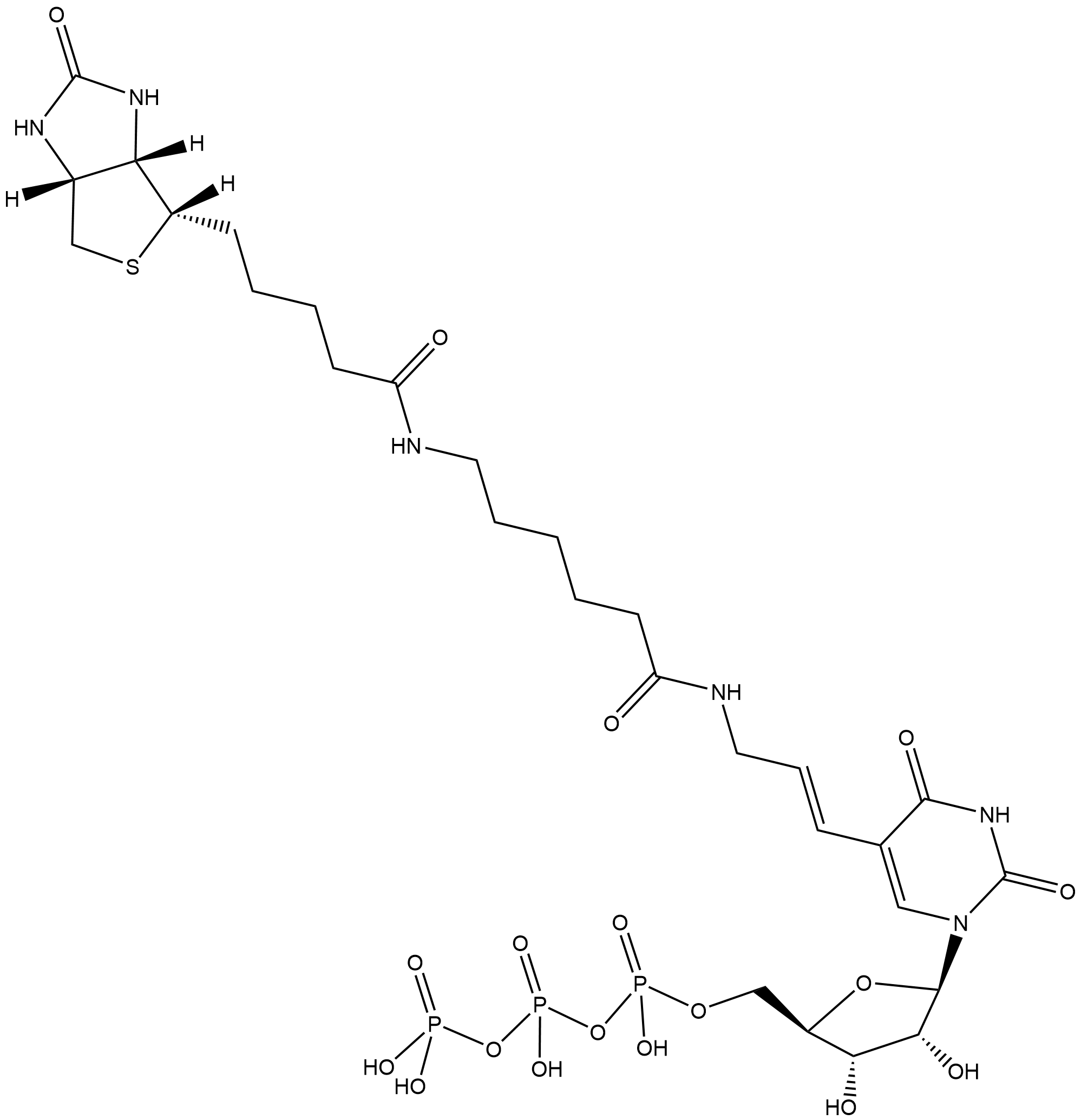
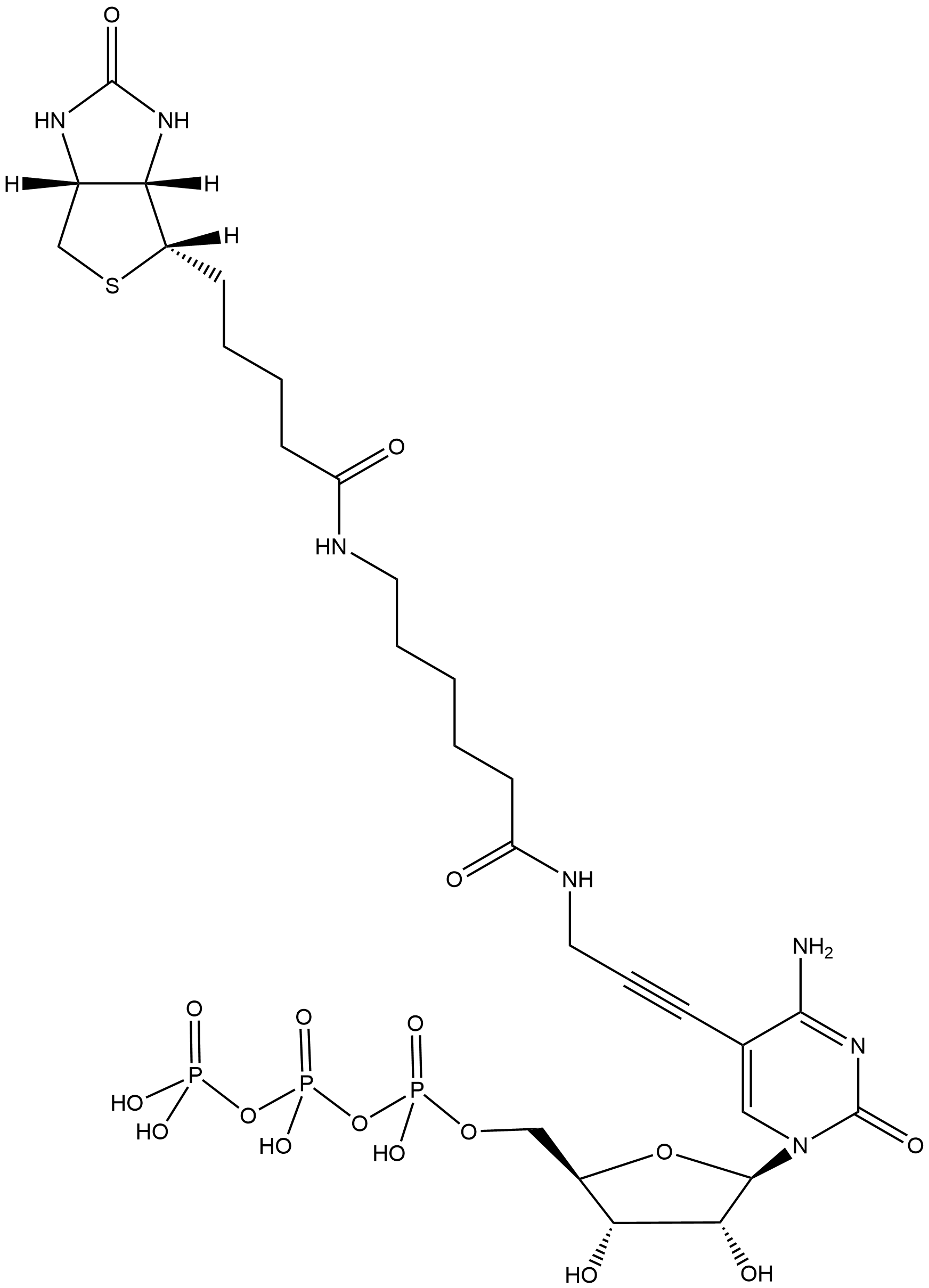
This product is suitable for the high-yield synthesis of RNA transcripts, highly specific radiolabeled RNA probes, and RNA incorporated with modified nucleotides such as capped, dye-labeled or biotinylated nucleotides.
|
Components |
50 μL |
100 μL |
Storage |
|
|
T7 RNA Polymerase Mix |
50 μL |
100 μL |
-20 °C |
|
|
10 × Reaction Buffer |
50 μL |
100 μL |
-20 °C |
|
|
Shipping: Dry Ice Shelf life: 2 years |
|
|||
1. Q: RNA fragment size larger than expected?
A: Possible causes: ① Incomplete linearization of plasmid template; ② 3′-overhang on sense strand; ③ Undenatured secondary structure of RNA.
Verify template construction and switch from agarose gel to denaturing gel for RNA detection.
2. Q: RNA fragment size smaller than expected?
A: Possible causes: ① The template carries intrinsic T7-like termination sequences; ② High GC content induces stable secondary structures; ③ RNase contamination.
Different RNA polymerases recognize distinct terminators; switch polymerase if premature termination occurs. Add SSB protein to improve yields for high-GC templates. Analyze samples via denaturing gel electrophoresis for verification.
3. Q: Smearing bands during electrophoresis?
A: Possible causes: ① RNase contamination during handling; ② RNase contamination of DNA template.
The RNase inhibitor included in kit only blocks trace nuclease. Repurify template DNA, use RNase-free pipette tips and tubes, wear disposable gloves and masks, and prepare all solutions with RNase-free water.
4. Q: Can sequences downstream of poly-T termination site on template be transcribed?
A: Hairpin structures hamper transcription, while poly-T sequence barely affects transcription efficiency.
5. Q: Is double-stranded template mandatory?
A: Only the T7 promoter region needs to be double-stranded.
6. Q: Methods for RNA purification? Any matched spin column kit?
A: Purify with RNA Clean and Concentrator Kit (K1069). Use Oligo (dT)25 Beads (K1306/K1307) for poly(A)-tailed mRNA purification.
7. Q: Available linearization methods for plasmid DNA?
A: Restriction digestion (avoid restriction enzymes generating 3′ overhang); PCR amplification (introduce T7 promoter and polyA sequence via forward/reverse primers if absent in original template).
8. Q: Why choose blunt-end or 5′-overhang restriction enzymes for plasmid linearization?
A: Circular unlinearized plasmid enables endless rolling-circle transcription, leading to heterogeneous RNA products. Improper 3′-overhang linearization causes the same issue.
9. Q: Fuzzy sgRNA bands?
A: ~100 nt single-stranded sgRNA readily forms secondary structure in aqueous solution and shifts in mobility. Quick freezing or formamide denaturing PAGE improves separation.
10. Q: Applicable RNA size range for in vitro transcription kit?
A: From ~100 nt sgRNA up to 10 kb long transcripts.
11. Q: How is the transcription efficiency for long and short RNA fragments?
A: Long transcripts usually produce smeared bands, as RNA polymerase tends to dissociate from long templates; this phenomenon is common across similar commercial kits. Templates shorter than 300 nt inhibit transcription initiation due to insufficient time for polymerase-promoter binding. For short templates, increase template dosage to 2 μg and extend incubation to 16 h overnight.
12. Q: How to improve yield for templates with high-GC or stem-loop secondary structures?
A: Raise reaction temperature; supplement SSB protein for abundant complex structures.
13. Q: How to improve yield when template contains T7-like terminator stem-loops?
A: Reduce incubation temperature.
14. Q: Comparison of common RNA purification methods
A: Phenol/chloroform extraction: Low cost but residual free nucleotides remain.
Spin column: Complete removal of free nucleotides at higher cost.
Gel extraction: Highest homogeneity of final RNA product.
Magnetic bead: Fast operation with >90% recovery efficiency.
15. Q: Low transcription yield troubleshooting
A: (1) For transcripts <300 nt: Increase template input to 2 μg and prolong reaction time.
(2) Positive control template (~1000 bp): Take 5–10 μL aliquot after 2 h incubation for yield test; continue remaining reaction to match experimental incubation duration.
(3) RNA loss varies with different purification protocols.
(4) Repurify DNA template.
(5) Confirm template concentration and integrity.
(6) Test alternative promoters and RNA polymerases.
16. Q: Do NTP or DNase amounts need adjustment when template is increased to 2 μg?
A: NTP dosage remains unchanged. To ensure complete template digestion, increase DNase from 1 μL to 3 μL if required.
17. Q: RNA yield from 0.5 μg control template?
A: The control template is ~1000 bp. With 0.5 μg input, the yield ranges from 50 to 150 μg depending on original or upgraded kit versions.
18. Q: Function of three consecutive GGG downstream of TATA in T7 promoter?
A: The GGG motif improves transcription efficiency.
19. Q: Is RNase inhibitor premixed in the kit components?
A: T7 RNA Polymerase Mix is pre-supplemented with RNase inhibitor and pyrophosphatase. The inhibitor only suppresses trace RNase; strict RNase-free operation is required throughout experiments.
-
-
-
-
-
-
-
-
 K1417 HyperScribe™ T7 High Yield RNA Synthesis Kit (N1-Methylpseudo-UTP)
Starting at $320.00