


Squalane
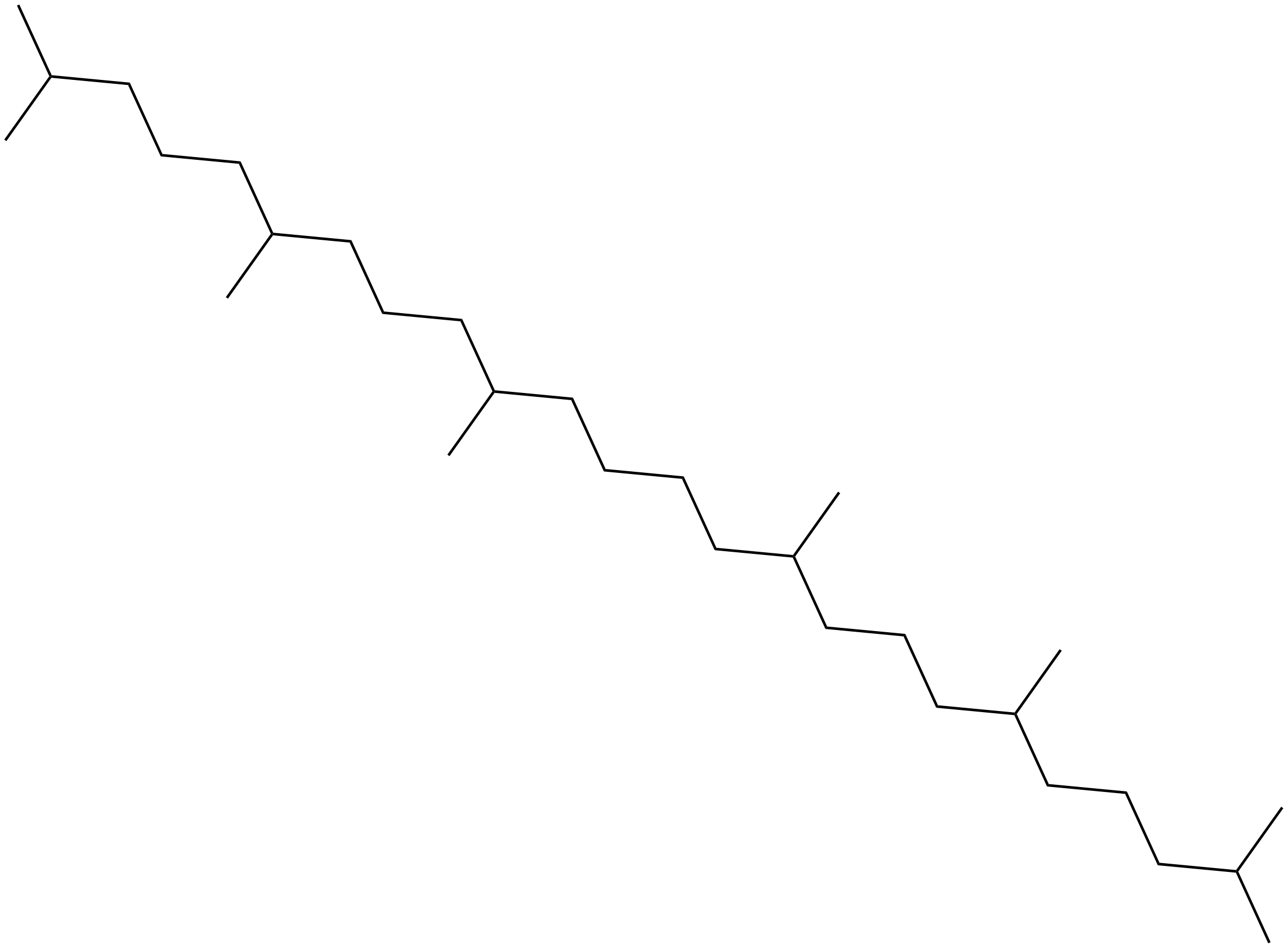
Squalane (CAS No.: 111-01-3) is a saturated triterpenoid lipid and hydrogenated derivative of squalene that occurs in both animal and plant lipid pools, including fish derived oils and selected vegetable oils, and is primarily categorized in biomedical research as a bioactive lipid excipient and membrane relevant metabolic probe for studies of redox biology, lipid homeostasis, and microenvironmental modulation in drug discovery workflows. In mechanistic terms, current evidence indicates that squalane is best described as a pleiotropic lipid modulator rather than a selective high affinity ligand for a single canonical protein target, with reported biological effects commonly interpreted through regulation of oxidative stress burden, attenuation of lipid peroxidation processes, and indirect influence on inflammation associated signaling networks such as redox sensitive transcriptional programs, while direct pathway level target assignment remains limited and context dependent. Published research descriptions of anticancer related and antioxidant associated activity are generally qualitative or model specific, and where quantitative parameters are not consistently established for this molecule, in vitro responses are typically discussed within broad concentration windows from micromolar to higher exposure ranges depending on assay format, cell type, formulation strategy, and readout sensitivity, rather than by universally accepted potency constants. In laboratory practice, squalane is frequently incorporated into cell based systems to evaluate lipid mediated cytoprotection against experimentally induced oxidative injury, to examine membrane associated transport or stress adaptation phenomena, and to support formulation focused screening platforms, and it is also used in exploratory animal studies of lipid metabolism and inflammation biology with dose selection determined by protocol specific objectives, exposure duration, and vehicle compatibility. The concentrations or doses used in experiments typically depend on specific experimental designs and research objectives, and the compound is therefore most appropriately positioned as a research use lipid tool for mechanistic investigation and preclinical assay development rather than as a clinically directed agent.
| Storage | -20°C for 2 years |
| M.Wt | 422.81 |
| Cas No. | 111-01-3 |
| Formula | C30H62 |
| Chemical Name | 2,6,10,15,19,23-hexamethyltetracosane |
| Canonical SMILES | CC(C)CCCC(C)CCCC(C)CCCCC(C)CCCC(C)CCCC(C)C |
| Shipping Condition | Small Molecules with Blue Ice, Modified Nucleotides with Dry Ice. |
| General tips | We do not recommend long-term storage for the solution, please use it up soon. |