


Ribose
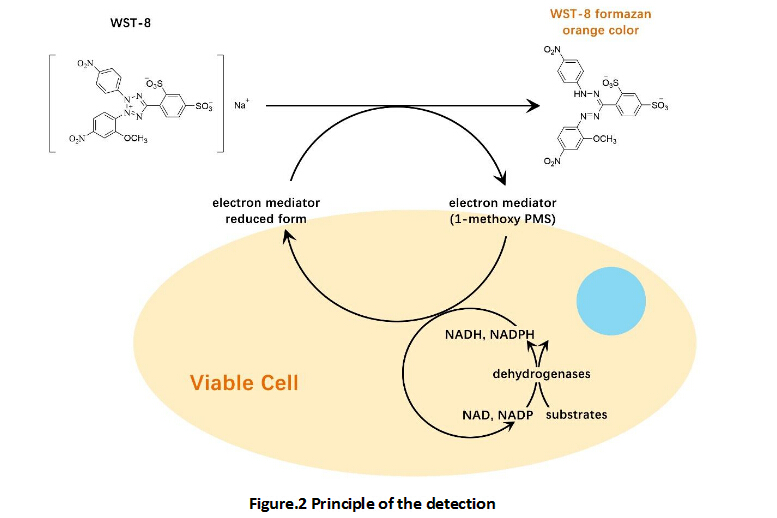
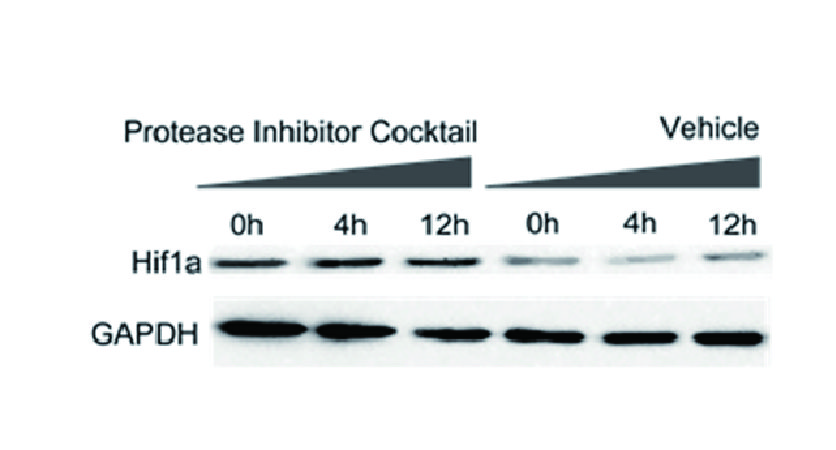
Ribose (CAS No.: 24259-59-4) is a non-naturally occurring pentose that serves as a key chiral building block in the synthesis of L-nucleoside analogues, a class of compounds extensively investigated in antiviral and anticancer drug discovery. As a stereochemically defined sugar precursor, it enables the construction of nucleoside derivatives with altered biological properties, thereby facilitating the exploration of structure–activity relationships in nucleic acid metabolism and enzyme recognition processes. In experimental systems, L-ribose-derived compounds have been associated with modulation of enzymatic activities involved in nucleotide biosynthesis and can influence signaling pathways related to cellular proliferation and viral replication through their incorporation into nucleoside analog frameworks. These analogues often exhibit bioactivity in the nanomolar to micromolar range in biochemical and cell-based assays, depending on the specific structural modifications introduced. Ribose is therefore widely utilized in medicinal chemistry, chemical biology, and pharmacological research, particularly in the development and screening of novel nucleoside-based inhibitors. Its application spans in vitro enzymatic assays, cell culture models, and preclinical evaluation pipelines, where experimental concentrations or dosing regimens are determined according to specific study designs and research objectives.
| Physical Appearance | A solid |
| Storage | -20°C |
| M.Wt | 150.13 |
| Cas No. | 24259-59-4 |
| Formula | C5H10O5 |
| Solubility | ≥25.95 mg/mL in EtOH; ≥38.4 mg/mL in H2O; ≥43.9 mg/mL in DMSO |
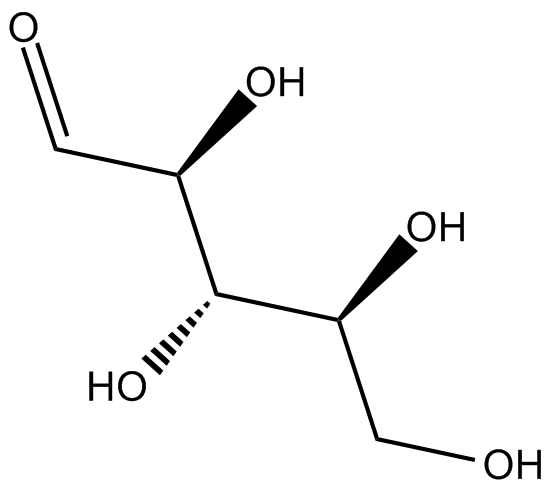
| Chemical Name | (2S,3S,4S)-2,3,4,5-tetrahydroxypentanal |
| Canonical SMILES | OC[C@H](O)[C@H](O)[C@H](O)C=O |
| Shipping Condition | Small Molecules with Blue Ice, Modified Nucleotides with Dry Ice. |
| General tips | We do not recommend long-term storage for the solution, please use it up soon. |