


Recombinant Porcine GM-CSF, Tag Free
Granulocyte-macrophage colony-stimulating factor (GM-CSF) is secreted by various cell types (including activated T cells, B cells, macrophages, mast cells, endothelial cells, and fibroblasts) upon cytokine or immune and inflammatory stimulation. It was initially described as a growth factor that supports in vitro colony formation of granulocyte-macrophage progenitors and has the function of stimulating the growth and differentiation of hematopoietic progenitor cells from different lineages. GM-CSF has also been reported to have functional effects on non-hematopoietic cells and to induce migration and proliferation of human endothelial cells. In addition, it can stimulate the proliferation of various tumor cell lines, including osteosarcoma, carcinoma, and adenocarcinoma cell lines. GM-CSF is used as a drug to stimulate white blood cell production after chemotherapy, and has recently been evaluated in clinical trials for its potential as a vaccine adjuvant in HIV-infected patients.
| Gene ID | 397208 |
| Accession # | Q29118 |
| Alternate Names | CSF2, Colony stimulating factor 2, Granulocyte/macrophage colony-stimulating factor, CSF-α, Pluripoietin-α, MGI-1GM |
| Source | E.coli |
| Protein sequence | - |
| M.Wt | - |
| Appearance | Solution protein |
| Stability & Storage | Avoid repeated freeze-thaw cycles. It is recommended that the protein be aliquoted for optimal storage. -3 years from date of receipt, -20 to -70°C as supplied. |
| Concentration | 1 mg/mL |
| Formulation | Supplied as a 0.2 μm filtered solution in PBS, pH7.4. |
| Reconstitution | We recommend that this vial be briefly centrifuged prior to opening to bring the contents to the bottom. This solution can be diluted into other aqueous buffers. |
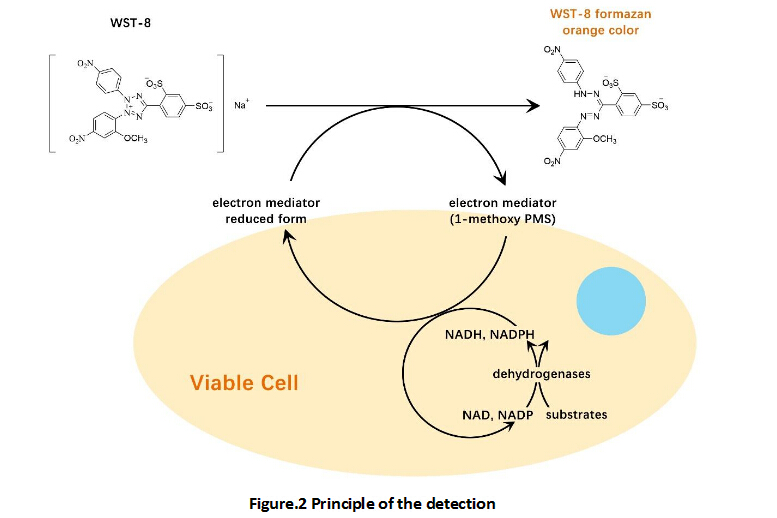
| Biological Activity | Fully biologically active as determined by a cell proliferation assay using TF-1 human erythroleukemic cells. The EC50 for this effect is 0.2 ng/mL. |
| Shipping Condition | Shipping with dry ice. |
| Handling | Centrifuge the vial prior to opening. |
| Usage | For Research Use Only! Not to be used in humans. |