Pamabrom
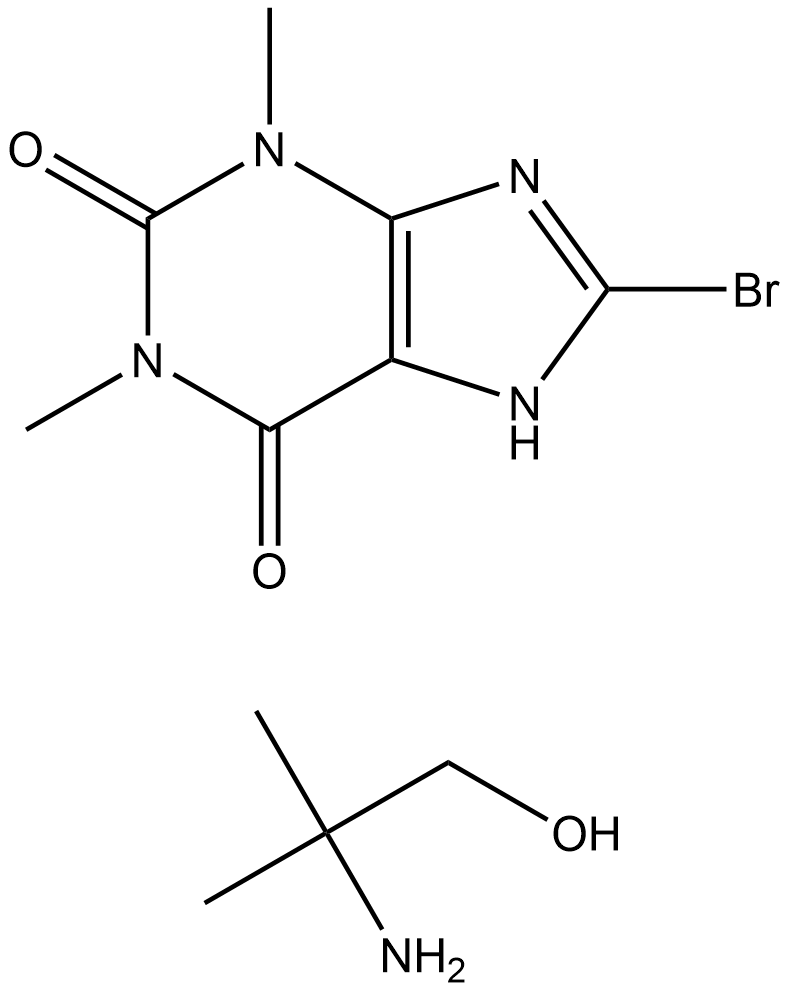
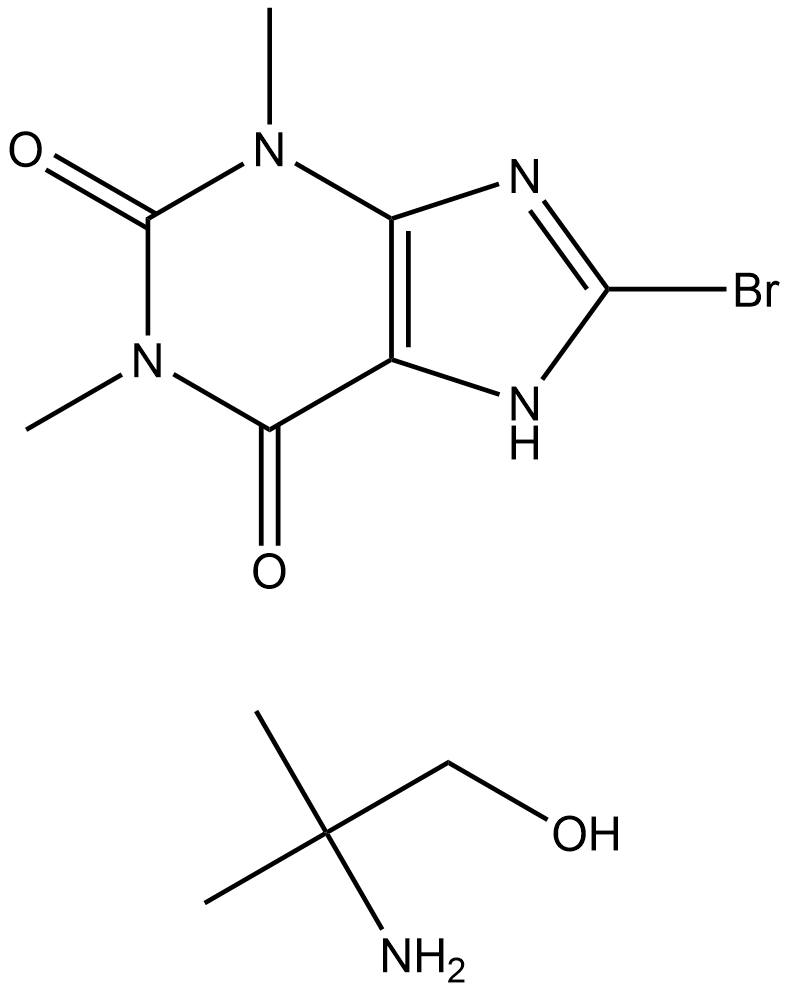
Pamabrom (CAS No.: 606-04-2) is a small molecule synthetic diuretic research compound broadly classified within pharmacology focused on fluid balance modulation and peripheral nociceptive signaling, and in biomedical investigation it is commonly positioned as a tool substance for studying mechanisms linked to transient water retention phenotypes and menstruation associated discomfort models under nonclinical conditions; available mechanistic reports indicate functional involvement of an opioid receptor NO cGMP potassium channel axis, in which receptor activation is proposed to promote nitric oxide signaling and downstream cyclic guanosine monophosphate dependent modulation of potassium channel activity, thereby supporting pathway level interrogation of neurohumoral and peripheral response circuits, while its primary research category remains diuretic and symptom biology modeling rather than disease modifying intervention; because robust standardized potency datasets such as validated IC50 or EC50 values are limited in openly reported modern assay panels for this compound, activity is generally treated as context dependent and is typically explored across broad screening windows that may span nanomolar to micromolar testing ranges during early profiling before protocol specific refinement; in practical laboratory use, Pamabrom is applied in exploratory cell based assays, mechanistic pathway studies, and selected animal model paradigms designed to evaluate fluid regulation, inflammatory discomfort correlates, or target pathway perturbation, with concentrations or doses used in experiments typically depending on specific experimental designs, model systems, and research objectives, and the material is supplied and handled strictly for research use settings with appropriate analytical verification and controlled experimental interpretation.
| Storage | -20°C for 3 years |
| M.Wt | 348.20 |
| Cas No. | 606-04-2 |
| Formula | C11H18BrN5O3 |
| Solubility | ≥32.5 mg/mL in DMSO; ≥8.28 mg/mL in EtOH; ≥16.45 mg/mL in H2O |
| Chemical Name | 8-bromo-1,3-dimethyl-3,7-dihydro-1H-purine-2,6-dione--2-amino-2-methylpropan-1-ol (1/1) |
| Canonical SMILES | O=C1C=2NC(Br)=NC2N(C(=O)N1C)C.OCC(N)(C)C |
| Shipping Condition | Small Molecules with Blue Ice, Modified Nucleotides with Dry Ice. |
| General tips | We do not recommend long-term storage for the solution, please use it up soon. |
Quality Control & MSDS
- View current batch:
Chemical structure