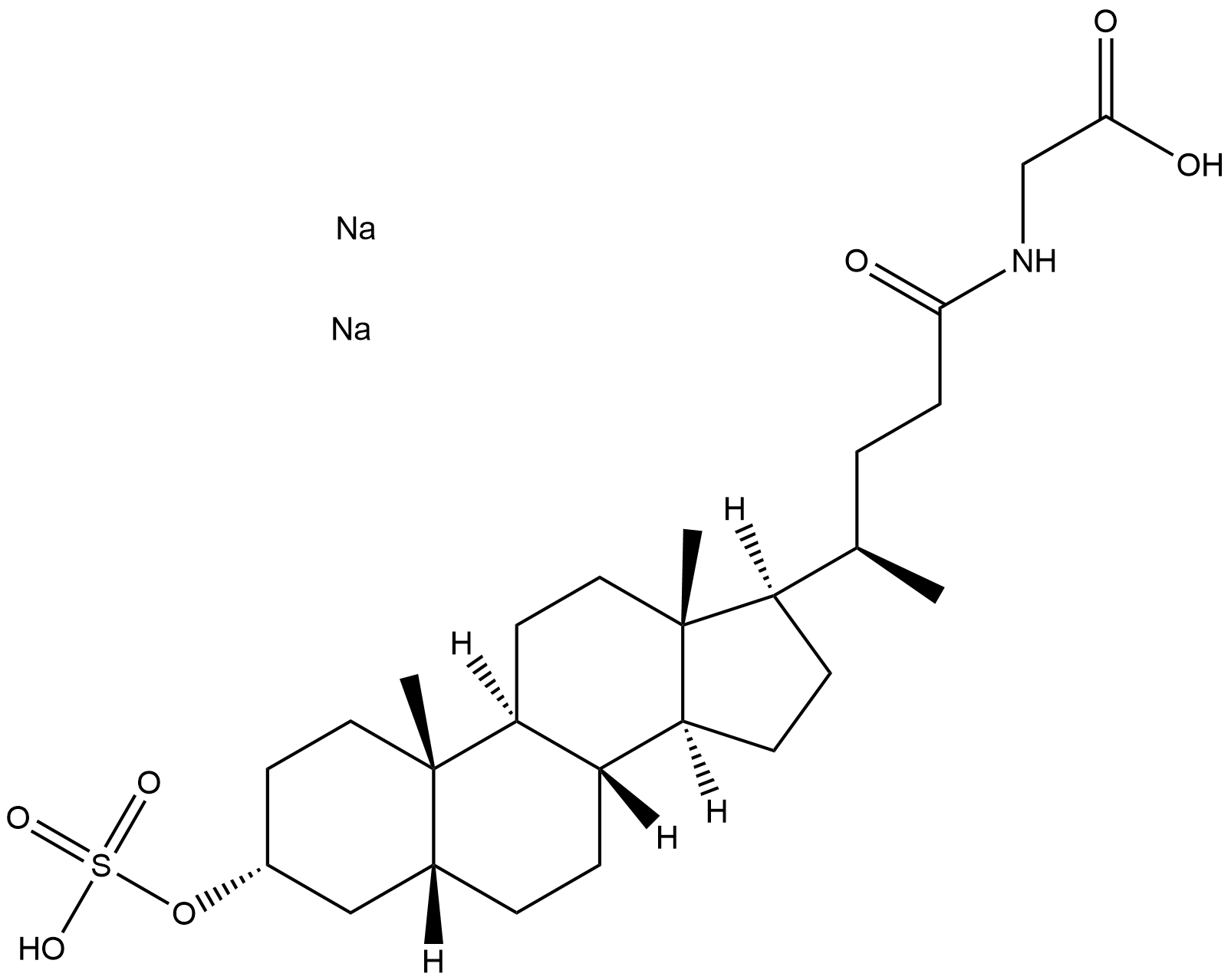
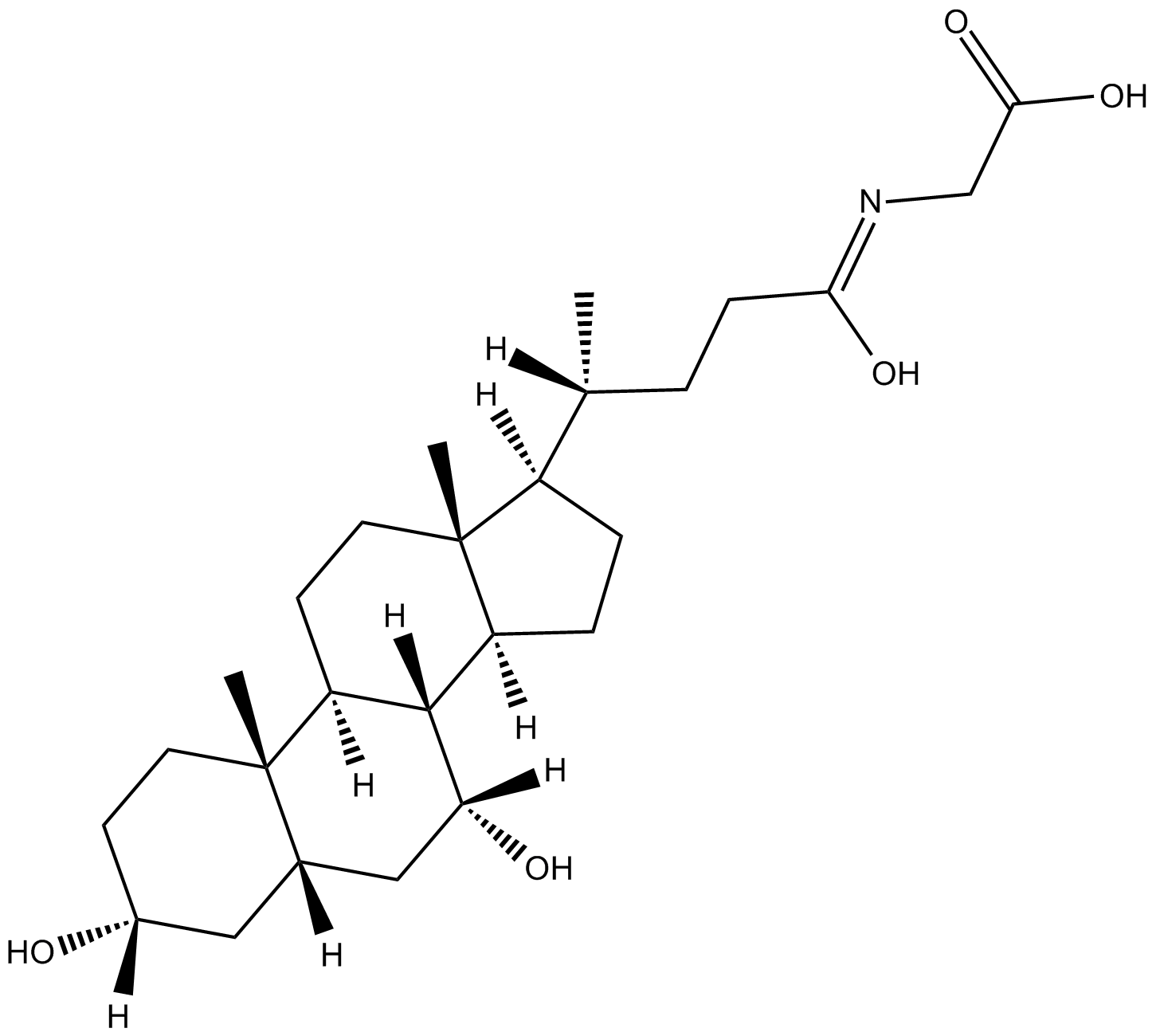
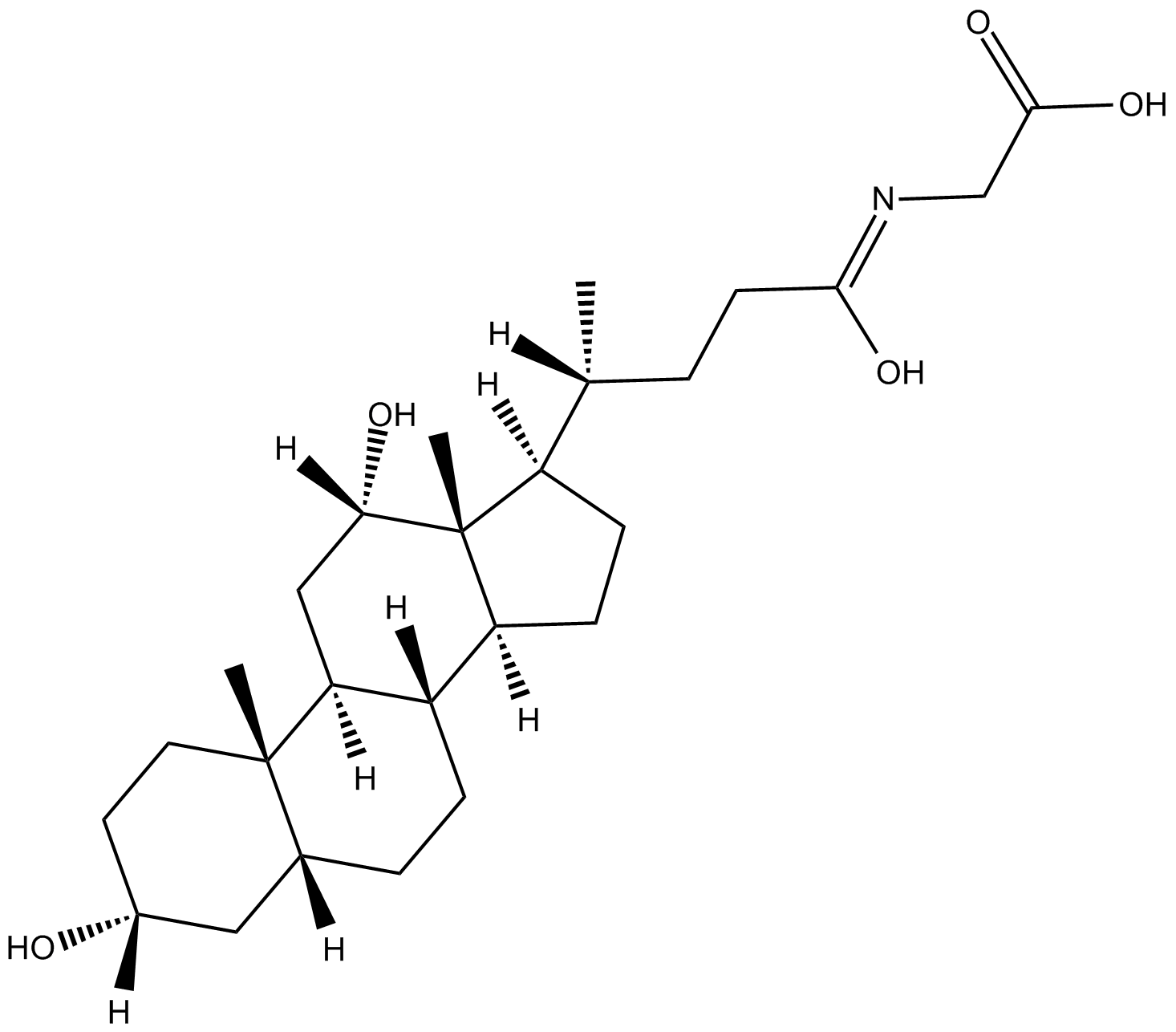
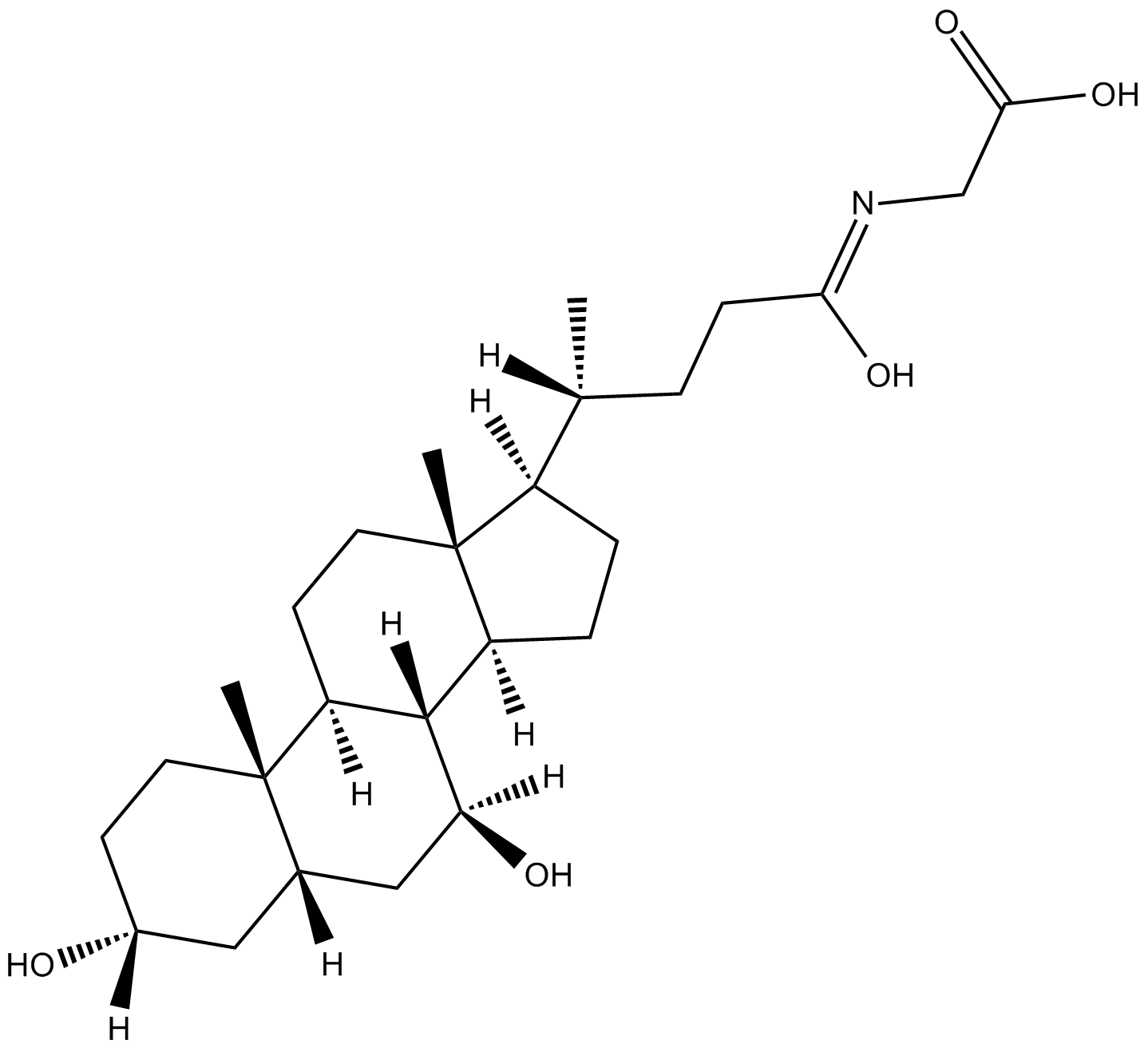
Glycochenodeoxycholic Acid (sodium salt)
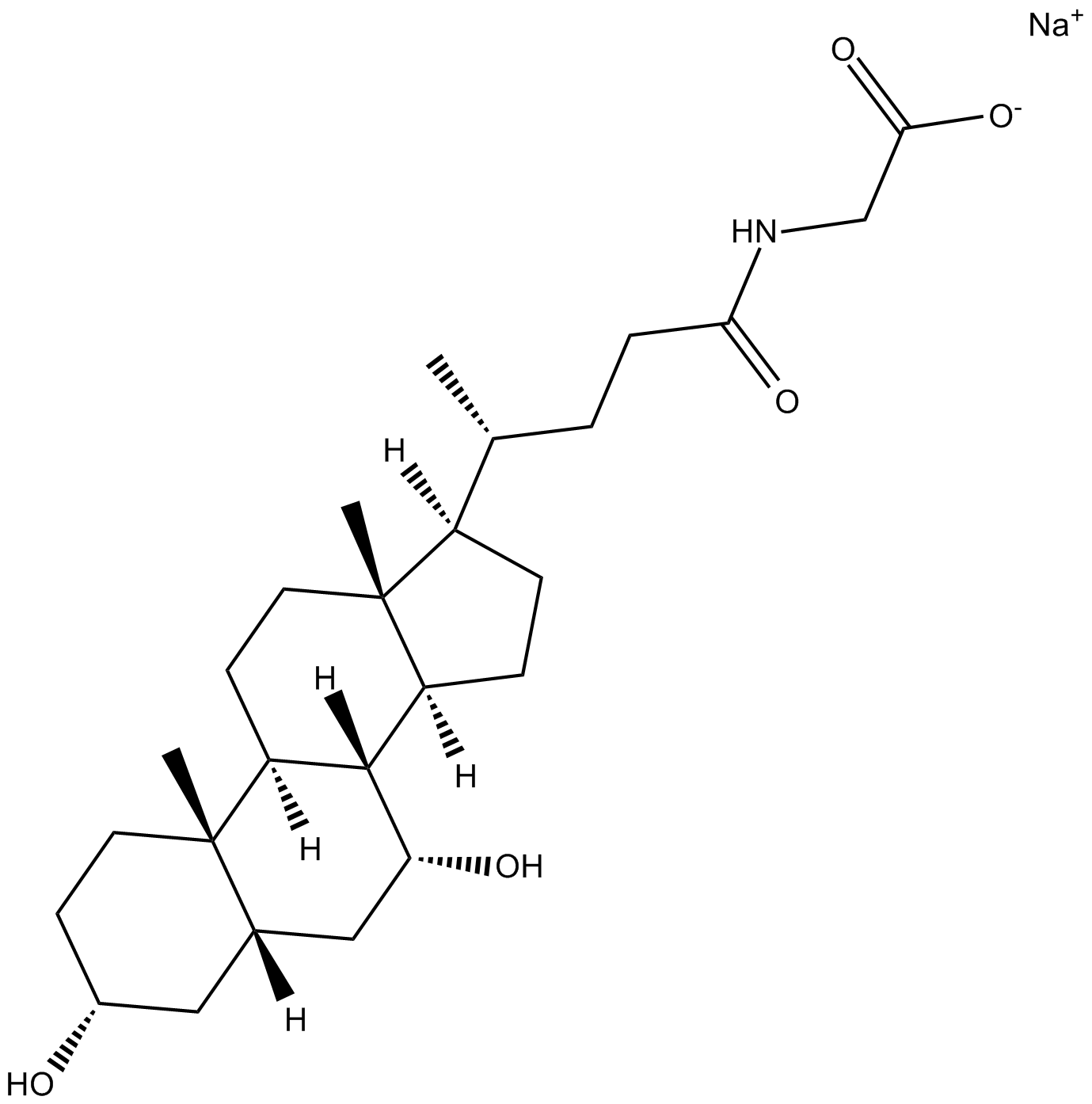
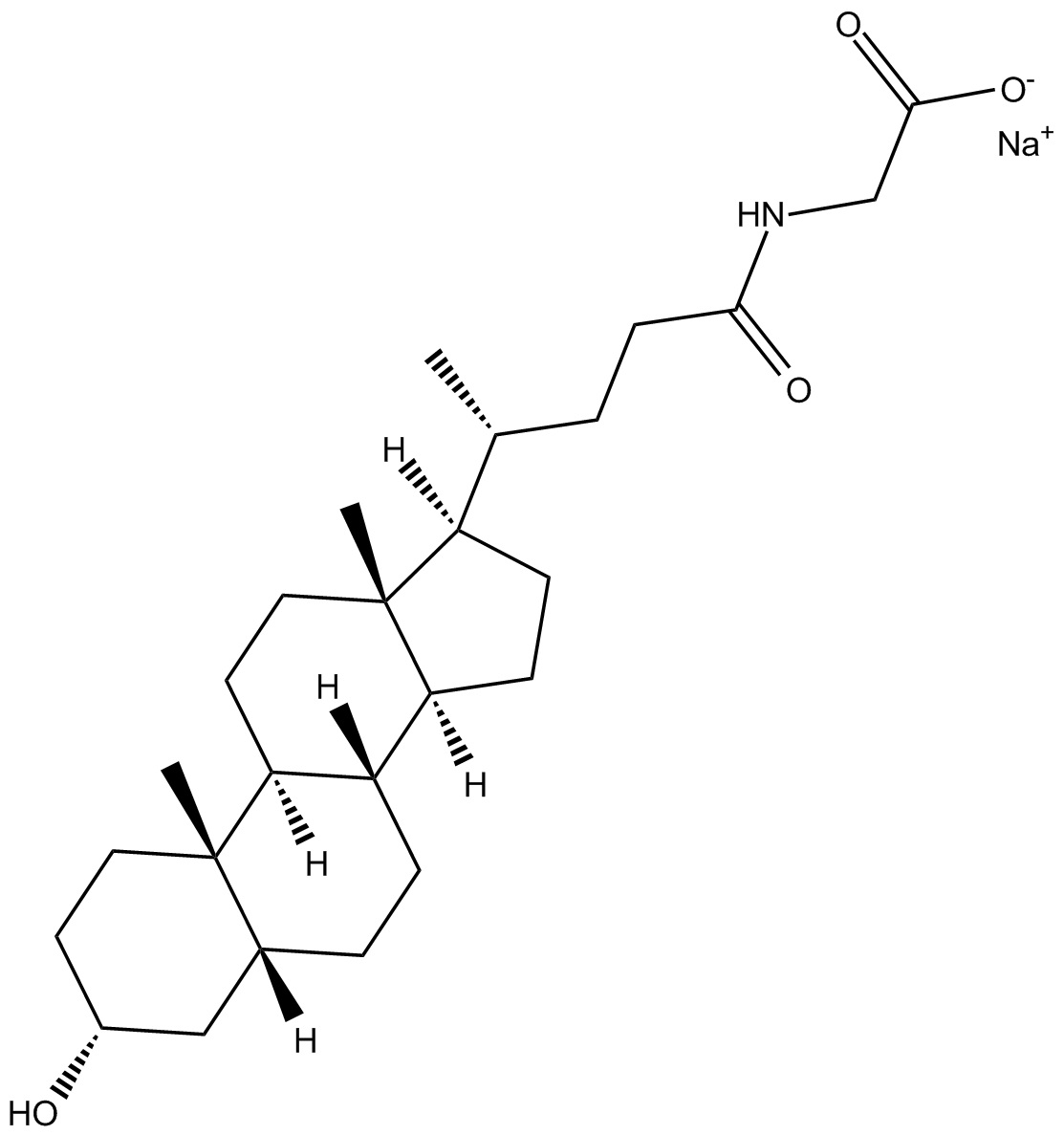
Glycochenodeoxycholic Acid (sodium salt) (CAS No.: 16564-43-5) is a conjugated bile salt derived from chenodeoxycholic acid and glycine that serves as an important biochemical tool for investigating bile acid metabolism, hepatocellular stress responses, and liver disease–related signaling pathways. As an endogenous amphipathic molecule with detergent-like properties, it is widely utilized in biochemical and cellular studies to model bile acid–induced cytotoxicity and membrane perturbation. Mechanistically, this compound disrupts lysosomal homeostasis by inhibiting lysosomal proteolysis and elevating lysosomal pH, leading to impaired autophagosome formation and consequent induction of apoptosis in hepatocytes. In addition, it has been shown to activate STAT3 signaling, thereby promoting stemness-associated phenotypes and chemoresistance in hepatocellular carcinoma cell models. These activities position Glycochenodeoxycholic Acid (sodium salt) as a valuable reagent for studying autophagy-lysosome dynamics, apoptosis pathways, and oncogenic signaling in liver-related systems. In vitro studies typically employ concentrations in the low micromolar to higher micromolar range depending on cell type and experimental endpoints, while in vivo or translational models may adjust dosing based on specific study designs. This compound is commonly applied in research focused on cholestasis, hepatocellular carcinoma, and biliary disorders, as well as in drug discovery efforts aimed at modulating bile acid–associated signaling and cellular stress mechanisms.
| Physical Appearance | A crystalline solid |
| Storage | -20°C |
| M.Wt | 471.61 |
| Cas No. | 16564-43-5 |
| Formula | C26H42NNaO5 |
| Solubility | ≥26.2 mg/mL in H2O; ≥8.14 mg/mL in DMSO; ≥9.94 mg/mL in EtOH |
| Chemical Name | sodium 2-((R)-4-((3R,5S,7R,8R,9S,10S,13R,14S,17R)-3,7-dihydroxy-10,13-dimethylhexadecahydro-1H-cyclopenta[a]phenanthren-17-yl)pentanamido)acetate |
| Canonical SMILES | O[C@@H]1CC[C@@]2(C)[C@@](C[C@@H](O)[C@]3([H])[C@]2([H])CC[C@@]4(C)[C@@]3([H])CC[C@]4([H])[C@H](C)CCC(NCC([O-])=O)=O)([H])C1.[Na+] |
| Shipping Condition | Small Molecules with Blue Ice, Modified Nucleotides with Dry Ice. |
| General tips | We do not recommend long-term storage for the solution, please use it up soon. |