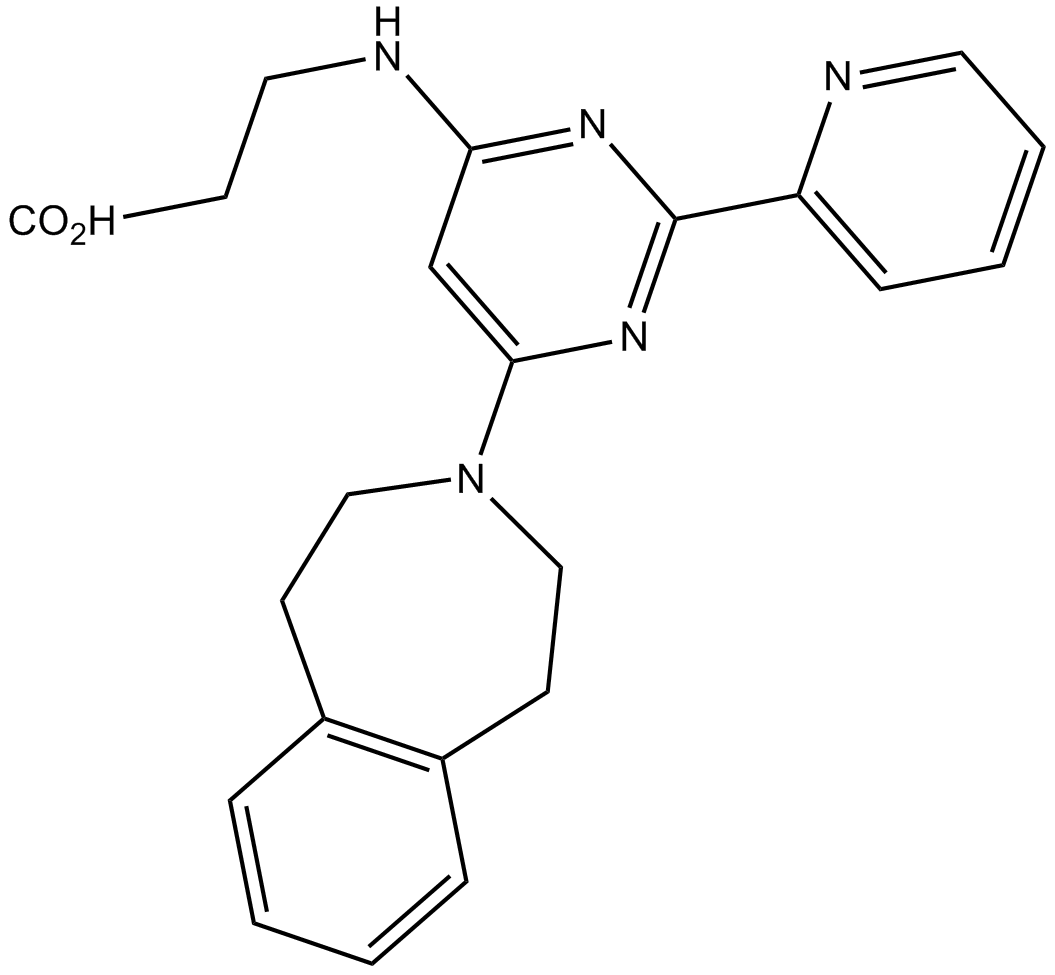
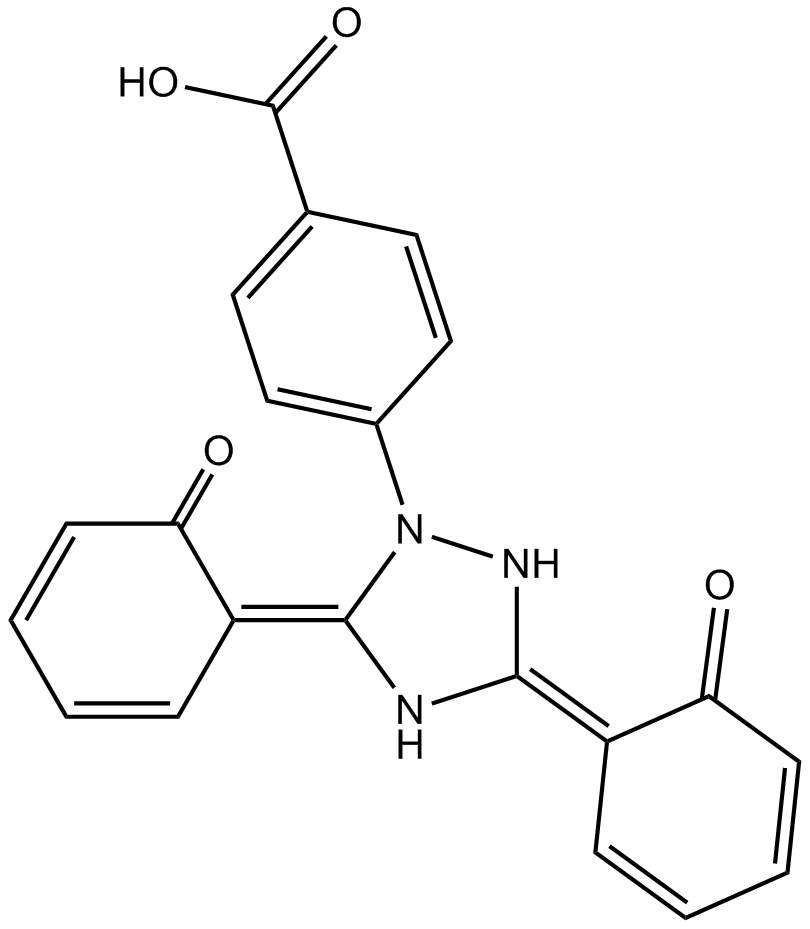
FerroOrange (Fe²⁺ indicator)
Catalog No.
C8004
FerroOrange (Fe²⁺ indicator) is a fluorescent probe for detecting ferrous ions Fe²⁺ in living cells.
Featured Products





FerroOrange (Fe²⁺ indicator) is a fluorescent probe for detecting ferrous ions (Fe²⁺) in live cells and is not suitable for use in dead cells. It has an maximum excitation wavelength of 543 nm and an maximum emission wavelength of 580 nm.The increase in fluorescence intensity after FerroOrange reacts with Fe²⁺ is irreversible and can be detected by fluorescence microscopy, fluorescence microplate reader, flow cytometer, etc. Iron is one of the most abundant transition metal elements in organisms and is involved in a variety of physiological processes.

Figure 1: Staining of Hela cells treated with ferrous ammonium sulfate
- 1. Caihong Wang, Shutong Yang, et al. "Targeting the Fra2/LCN2 Axis Attenuates PM2. 5-aggravated Asthma by Suppressing M2 Macrophage Ferroptosis." Redox Biol. 2026 Jul:94:104235. PMID: 42214888
- 2. Na Liu, Aini Peng, Bo Peng. "Downregulating Cdk5 reverses hippocampal neuron ferroptosis by regulating the AMP-activated protein kinase pathway and “M1” polarized microglia." J Neuropathol Exp Neurol. 2025 Aug 19:nlaf092. PMID: 40829042
- 3. Bo-Wen Duan, Yan-Jun Liua, He-Yuan Hong. "Homeostatic remodeling platform for reprogramming Iron Intraspatial orientation to reverse liver fibrosis." Available online 15 August 2025, 114117
| Storage | This product should be stored at -20°C away from light and moisture. Stable for 1 year. |
| Shipping Condition | Small Molecules with Blue Ice, Modified Nucleotides with Dry Ice. |
| General tips | We do not recommend long-term storage for the solution, please use it up soon. |
Related Products