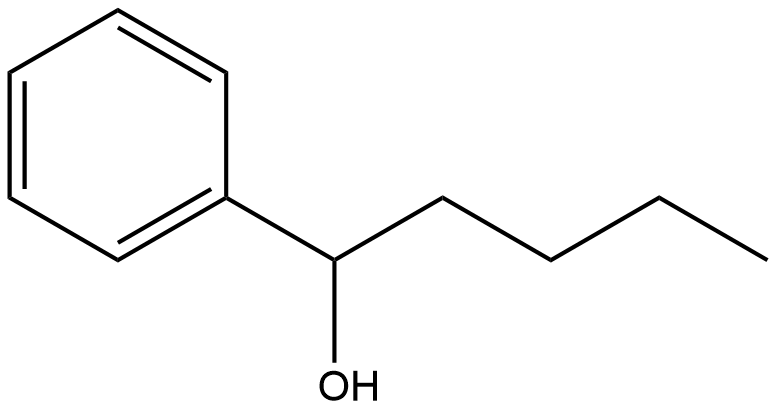
Fenipentol
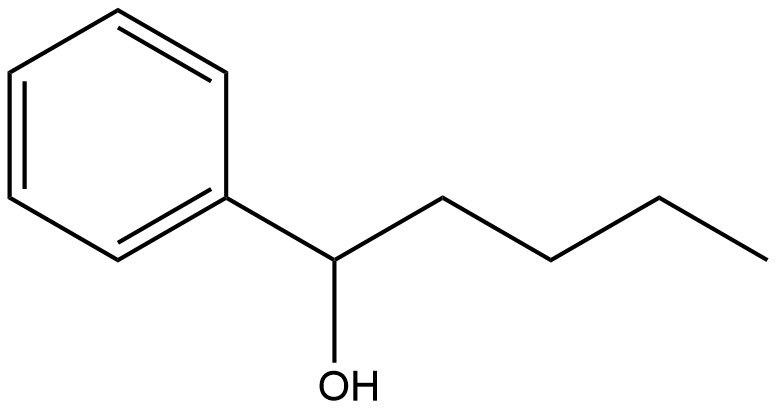





Fenipentol (CAS No. 583-03-9) is an active component isolated from the cortex of Ligusticum chuanxiong Hort and its natural products. Its core targets include estrogen receptor α (ESR1, with a molecular docking binding affinity of -4.75 kcal/mol), as well as regulatory targets associated with intestinal, hepatobiliary secretion; it may also be involved in the regulation of inflammation- and metabolism-related signaling pathways. Its biological activity relies on the synergistic effects with other components and the physiological responses mediated by target binding. Most relevant studies have utilized it in the form of Ligusticum chuanxiong extracts (e.g., 0.5 g of powder processed by solid-phase microextraction), with the concentration depending on the natural content of this component in the extract. In animal toxicity tests, the no-observed-adverse-effect level (NOAEL) for oral administration in rats over a 13-week period was determined to be 10 mg/kg/day.
In terms of clinical application, Fenipentol was once used as a bile acid secretion promoter via duodenal intubation. This administration method could increase the volume of pancreatobiliary fluid by 292%–722% and enhance lipase activity by 5-fold. Additionally, it can be used as an adjuvant therapy for coronary heart disease. Its safety profile is based on traditional application and animal experimental data, with no reported adverse reactions specifically attributed to the pure compound alone. Only reversible effects such as slowed weight gain and mild proteinuria were observed in rats treated with a high dose of 160 mg/kg/day.
References:
[1] Li Y, Yang W, Li W, Wu T. Unveiling differential mechanisms of chuanxiong cortex and pith in the treatment of coronary heart disease using SPME-GC×GC-MS and network pharmacology. J Pharm Biomed Anal. 2023 Sep 20;234:115540. doi: 10.1016/j.jpba.2023.115540. Epub 2023 Jun 21. PMID: 37418871.
[2] Ford GP, Gopal T, Gaunt IF. Short-term-toxicity of 4-methyl-1-phenylpentan-2-ol in rats. Food Chem Toxicol. 1983 Aug;21(4):441-7. doi: 10.1016/0278-6915(83)90100-x. PMID: 6194084.
| Physical Appearance | A liquid |
| Storage | 4°C, desiccated and protect from light |
| M.Wt | 164.24 |
| Cas No. | 583-03-9 |
| Formula | C11H16O |
| Synonyms | 1-Phenyl-1-pentanol |
| Solubility | ≥32 mg/mL in DMSO; ≥16.4 mg/mL in EtOH; ≥31.8 mg/mL in H2O |
| Chemical Name | 1-phenylpentan-1-ol |
| Canonical SMILES | OC(C=1C=CC=CC1)CCCC |
| Shipping Condition | Small Molecules with Blue Ice, Modified Nucleotides with Dry Ice. |
| General tips | We do not recommend long-term storage for the solution, please use it up soon. |
Quality Control & MSDS
- View current batch:
Chemical structure