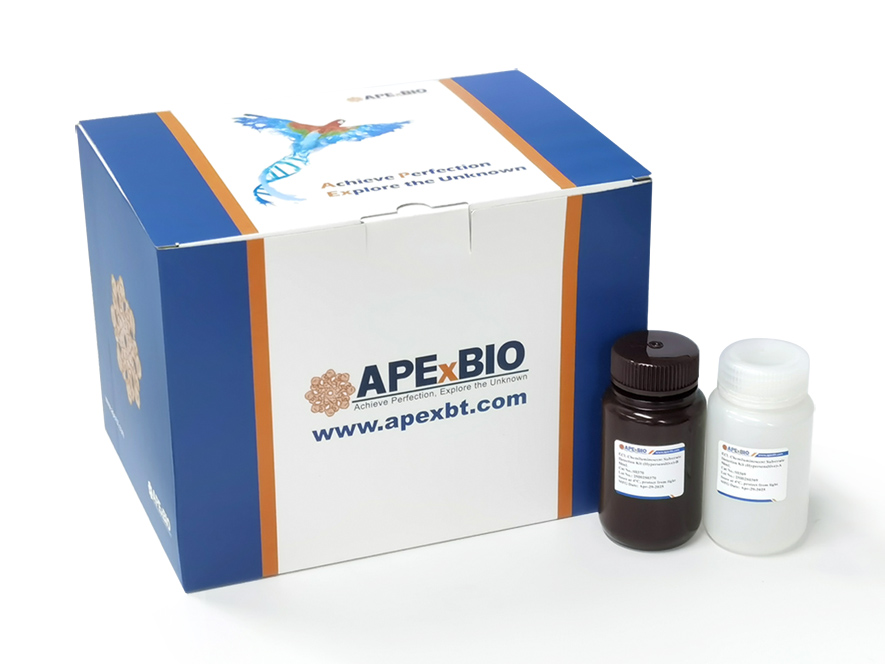
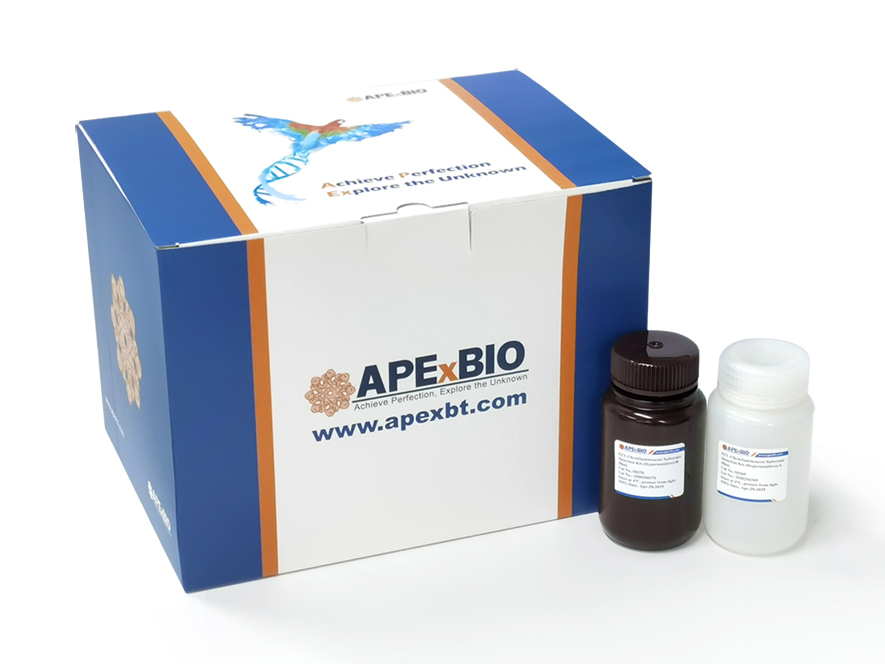
ECL Chemiluminescent Substrate Detection Kit (Enhanced)
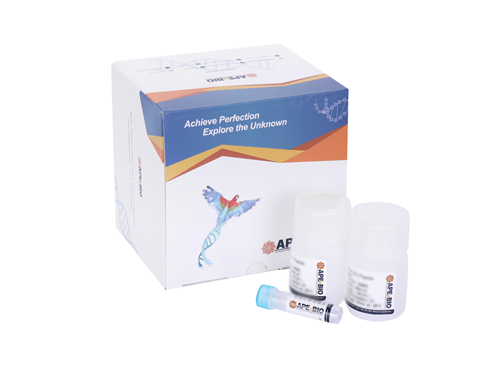
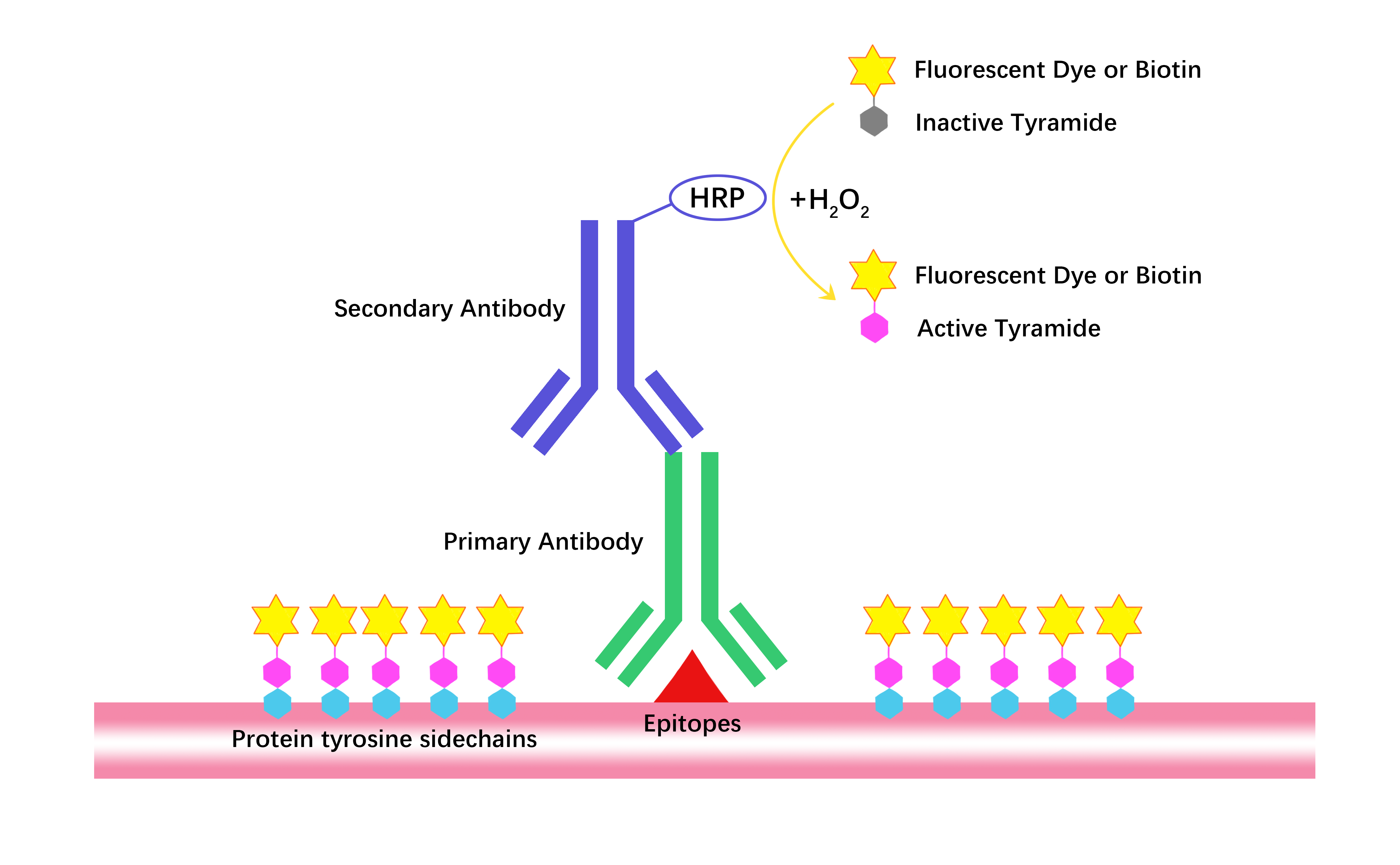
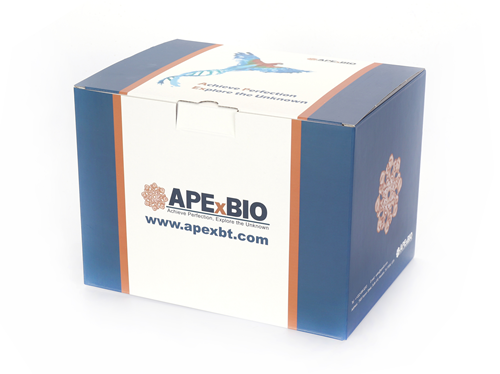
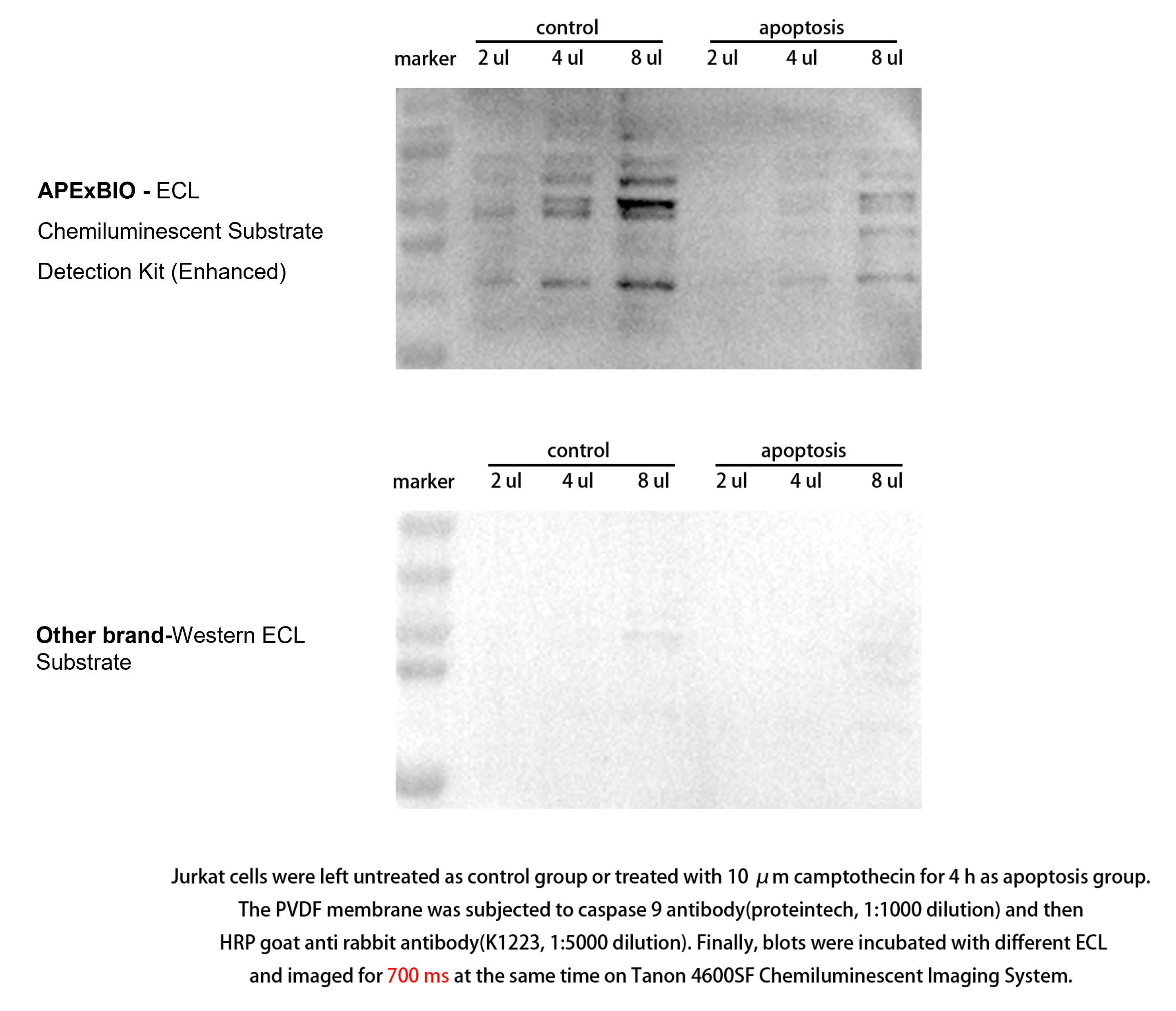
The ECL Chemiluminescent Substrate Detection Kit (Enhanced) is used to detect antibodies directly or indirectly labeled with horseradish peroxidase HRP and their associated antigens, enabling low-picogram (HRP) western blot detection. Its sensitivity, luminescence time, and background are all significantly excellent.
It has the following characteristics:
(1) Simple and easy to use: It can replace ECL luminescent substrates from other companies, and the operation steps do not need to be specially optimized.
(2) Higher sensitivity: it can detect low-picogram proteins.
(3) Longer signal duration: The optical signal lasts up to 5 hours.
(4) More imaging methods: suitable for X-ray film, CCD or laser imager.
- 1. Yiwei Xie, Zixuan Chen, et al. "In vitro assessment of the osteotoxic potential of diuron in human BMSCs." Toxicol Appl Pharmacol. 2026 Jun 26:514:117928. PMID: 42361913
- 2. Kai Meng, Yu Zhang, et al. "Integrated experimental and network pharmacology analyses reveal inhibitory effects of albiflorin on renal cell carcinoma cells." Naunyn Schmiedebergs Arch Pharmacol. 2026 May 27. PMID: 42201344
- 3. Shuang Chen, Ningjing Zhang, et al. "A novel small molecule inhibitor targeting KHSRP methylation suppresses colon cancer progression." Acta Pharmaceutica Sinica B Available online 18 June 2026
- 4. Yilu Li, Wenhui Yang, et al. "Ectomesenchymal Stem Cell Transplantation Induces Microglial Polarization and Anti-inflammatory IL-10 Secretion via NF-κB and MAPK Pathways to Mitigate Brain Injury Post-cerebral Hemorrhage." Neurochem Res. 2025 Dec 20;51(1):20. PMID: 41420699
- 5. Zixuan Chen, Yu Zhang, et al. "Gingerenone A inhibits LDHA-mediated glycolysis and restores sunitinib sensitivity in renal cell carcinoma." Biochem Pharmacol. 2025 Nov 26:117563. PMID: 41314434
- 6. Zixuan Chen, Zongrun Sun, et al. "Mechanistic insights into Diuron-induced acute renal injury: Integration of network toxicology and experimental validation." Ecotoxicol Environ Saf. 2025 Oct 18:305:119261. PMID: 41110308
- 7. Zixuan Chen, Weiyuan Li, et al. "Chrysin enhances sunitinib sensitivity in renal cell carcinoma by inducing ferroptosis via targeting PI3K/Akt/GPX4 pathway." Toxicol Appl Pharmacol. 2025 Aug 21:117531. PMID: 40848919
- 8. Zhipeng Qi, Wei Li, et al. "The Single and Combined Effects of Decabromodiphenyl Ethane and Mixed Microplastics on Male Mice Reproductive Toxicity." Biol Reprod. 2025 May 31:ioaf121. PMID: 40448585
- 9. Zixuan Chen, Xing Jia, et al. "A novel peptide TCL6148 induces ferroptosis via the GOT1/GPX4 pathway to enhance sunitinib sensitivity in renal cell carcinoma." Int J Biol Macromol. 2025 Jun:313:144242. PMID: 40379184
- 10. Zixuan Chen, Chengtao Han, et al. "2‐Undecanone induces ferroptosis via the STAT3/GPX4 pathway to enhance sensitivity of renal cell carcinoma to sunitinib." Biofactors. 2025 Mar-Apr;51(2):e70016. PMID: 40200786
- 11. Lei Song, Jianfeng Xue, et al. "Muscle-specific PGC-1α modulates mitochondrial oxidative stress in aged sarcopenia through regulating Nrf2." Exp Gerontol. 2024 Aug:193:112468. PMID: 38801840
- 12. Yimin Fu, Lei Tao, et al. "PGC-1α participates in regulating mitochondrial function in aged sarcopenia through effects on the Sestrin2-mediated mTORC1 pathway." Exp Gerontol. 2024 Jun 1:190:112428. PMID: 38604253
- 13. Jianfeng Xu, Zhenyu Yu, et al. "Angiotensin-(1–7) suppresses airway inflammation and airway remodeling via inhibiting ATG5 in allergic asthma." BMC Pulm Med. 2023 Nov 2;23(1):422. PMID: 37919667
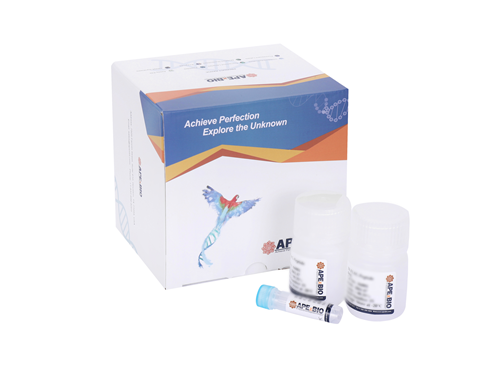
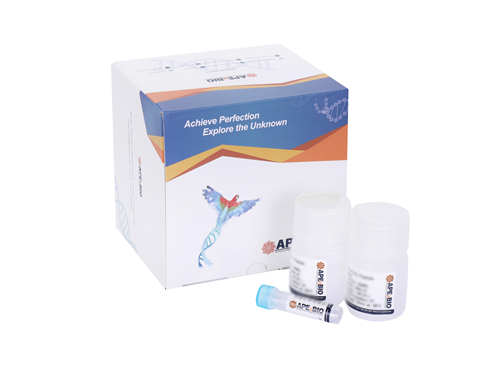
| Components | 100 mL | 500 mL |
| ECL Chemiluminescent Substrate Detection Kit (Enhanced)-A | 50 mL | 250 mL |
| ECL Chemiluminescent Substrate Detection Kit (Enhanced)-B | 50 mL | 250 mL |
Store the components dry at 4 °C and protect from light for 12 months. | ||
1. What causes an inverted image on the film, i.e., black background with white bands?
A: This is usually caused by an excessive amount of HRP in the system, which rapidly depletes the substrate. It is recommended to dilute the HRP-conjugated secondary antibody at least 10-fold to effectively resolve this issue.
2. What causes brown or yellow bands on the membrane?
A: This phenomenon is often related to suboptimal chemiluminescent development conditions, such as overly long substrate incubation or exposure times, or substrate degradation/precipitation under light. Shortening the development/exposure time and optimizing the detection conditions can alleviate this issue.
3. If the chemiluminescent signal lasts less than 8 hours, what could be the reason?
A: An excessively short signal duration is usually caused by too much HRP in the system, which rapidly depletes the substrate and leads to quick signal decay. The solution is to dilute the HRP-conjugated secondary antibody at least 10-fold.
4. If the signal is weak or absent, what are the possible causes and how can this be resolved?
A: Common causes and corresponding solutions include:
· Excessive HRP in the system (substrate depleted quickly, signal decays rapidly): dilute the HRP-conjugated secondary antibody at least 10-fold.
· Insufficient amount of antigen or antibody: increase the concentration of antigen or antibody accordingly.
· Low protein transfer efficiency: optimize transfer conditions (e.g., transfer time, current/voltage, buffer composition).
· Reduced HRP or substrate activity: perform activity testing to confirm and replace inactivated reagents.
5. If the background is too high, what are the possible causes and how can this be resolved?
A: Common causes of high background and corresponding solutions include:
· Excessive HRP in the system: dilute the HRP-conjugated secondary antibody at least 10-fold.
· Insufficient blocking: optimize blocking conditions, such as extending blocking time, adjusting blocking temperature, or shaking speed.
· Inappropriate blocking reagent: try different blocking reagents, such as non-fat dry milk, BSA, or serum.
· Inadequate washing: increase the number of washes, extend washing time, or increase the volume of wash buffer.
· Overexposure of the film: shorten the exposure time and, if necessary, use a background-reduction reagent.
· Excessive antigen or antibody concentration: reduce the amount of antigen or antibody accordingly.
6. What causes spots within the protein bands, and how can this be resolved?
A: Common causes and corresponding solutions include:
· Uneven or inefficient protein transfer: optimize the transfer procedure, e.g., check transfer voltage, time, and buffer composition to ensure uniform transfer.
· Uneven membrane hydration: fully equilibrate/hydrate the membrane according to the manufacturer's instructions to avoid local dryness or insufficient hydration.
· Air bubbles between the film and membrane: carefully remove any bubbles before exposure to ensure close contact between the membrane and film.
7. What causes speckled background on the film, and how can this be resolved?
A: Speckled background is usually caused by aggregates present in the HRP-conjugated secondary antibody solution. The solution is to filter the secondary antibody working solution through a 0.2 µm filter before use to remove aggregates.
8. What causes non-specific bands, and how can this be resolved?
A: Common causes and corresponding solutions include:
· Excessive HRP in the system: dilute the HRP-conjugated secondary antibody at least 10-fold to reduce non-specific binding signals.
· SDS-induced non-specific protein binding: avoid using SDS during the detection steps (antibody incubation and chemiluminescent detection).
9. How can the activity of the HRP/substrate system be tested?
A: The activity can be tested as follows:
· In a darkroom, prepare 1–2 mL of substrate working solution in a clean test tube.
· Turn off the lights.
· Add 1 µL of undiluted HRP-conjugated secondary antibody working solution.
Expected result: If the system is active, the solution should immediately emit blue light, and the blue signal will gradually fade over the next few minutes.