


Dimethyl succinate
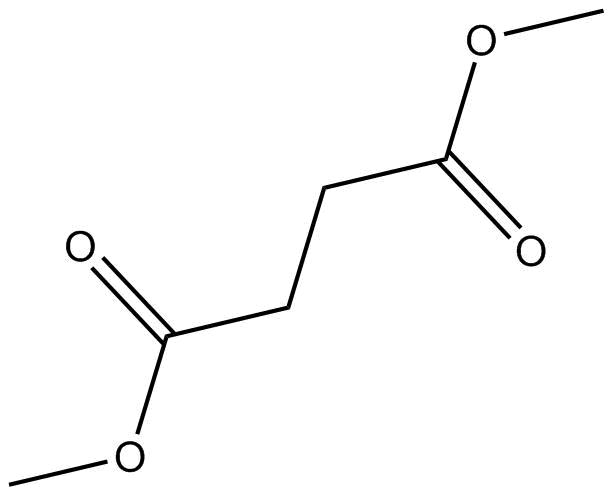
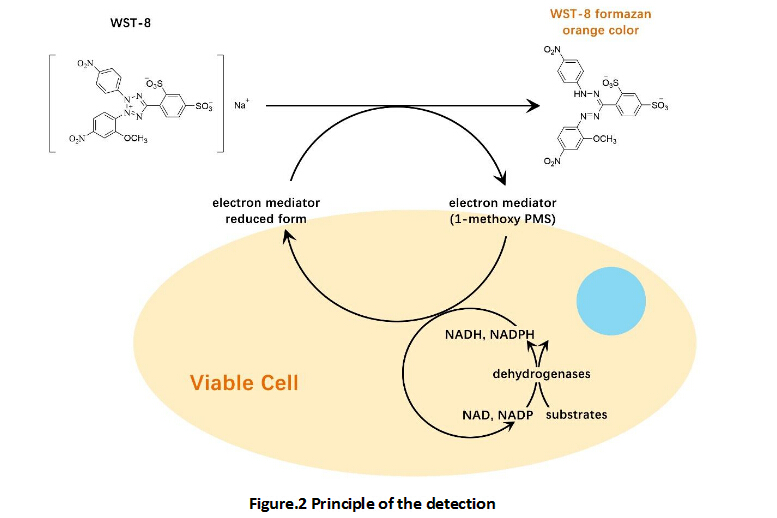
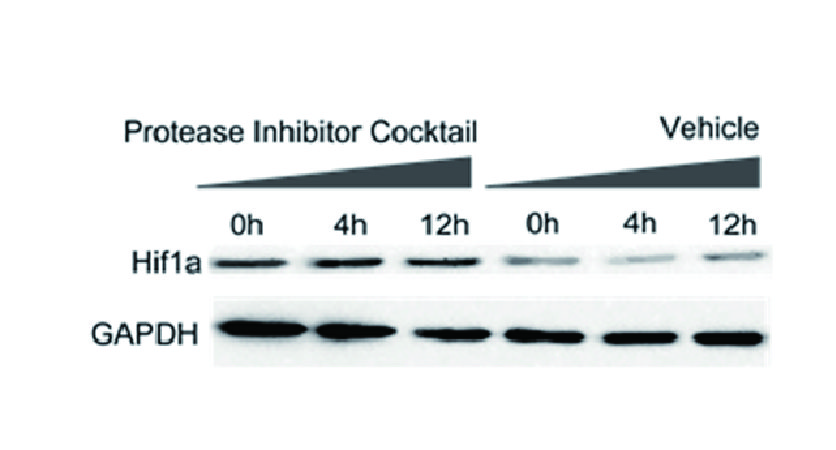
Dimethyl succinate (CAS No.: 106-65-0) is a cell-permeable ester derivative of succinate widely utilized as a biochemical tool in life sciences research to investigate mitochondrial metabolism and associated signaling pathways. As a succinate analogue, it elevates intracellular succinate levels and perturbs tricarboxylic acid cycle dynamics, thereby modulating metabolic flux, reducing protein synthesis, and impairing myogenic differentiation in cellular systems. It has also been shown to influence cellular bioenergetics by decreasing maximal respiration and reserve capacity, and to induce apoptosis under certain experimental conditions, highlighting its utility in studies of metabolic stress and cell fate regulation. Additionally, Dimethyl succinate has been employed in neurological research models to explore mechanisms related to synaptic function and degeneration. Its biological activity is typically observed in the micromolar concentration range in vitro, although effective concentrations vary depending on cell type and assay conditions. This compound is suitable for applications in metabolic pathway analysis, enzyme activity modulation studies, and phenotypic screening in cell-based and preclinical models, where dosing regimens are determined by specific experimental objectives.
| Physical Appearance | A liquid |
| Storage | -20°C |
| M.Wt | 146.14 |
| Cas No. | 106-65-0 |
| Formula | C6H10O4 |
| Solubility | ≥24.4 mg/mL in H2O; ≥43.1 mg/mL in EtOH; ≥57.7 mg/mL in DMSO |
| Chemical Name | dimethyl succinate |
| Canonical SMILES | COC(CCC(OC)=O)=O |
| Shipping Condition | Small Molecules with Blue Ice, Modified Nucleotides with Dry Ice. |
| General tips | We do not recommend long-term storage for the solution, please use it up soon. |