


C2 carnitine
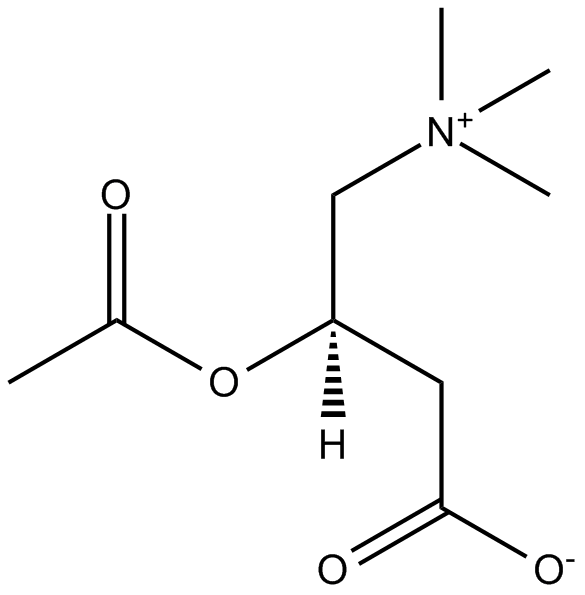
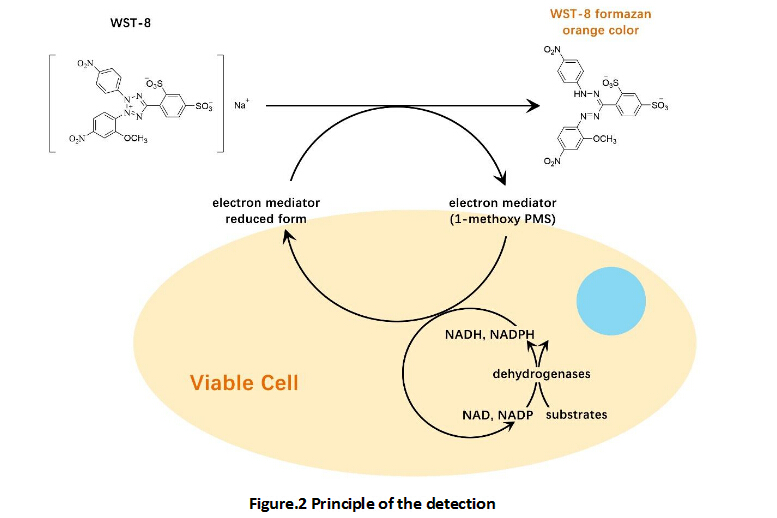
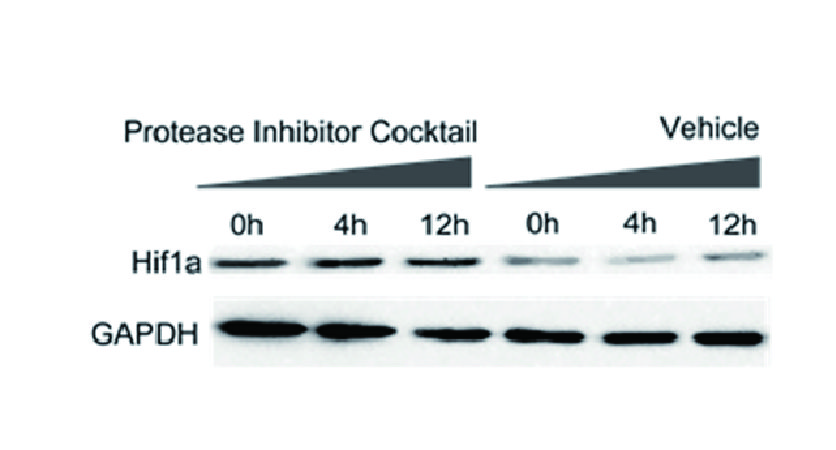
C2 carnitine (CAS No.: 3040-38-8) is an acetylated derivative of L-carnitine that functions as a small-molecule modulator of cellular energy metabolism and is widely utilized in neuroscience and metabolic research. This compound readily crosses the blood–brain barrier and is transported into cells via organic cation transporters such as OCTN2, enabling its investigation in central nervous system models. Mechanistically, C2 carnitine serves as an acetyl group donor that participates in mitochondrial fatty acid β-oxidation, supports acetylcholine biosynthesis, modulates mitochondrial function, and attenuates oxidative stress, collectively contributing to enhanced neuronal energy homeostasis and synaptic plasticity. These properties have made it a valuable tool in studies of neuroinflammation, neurodegenerative disease mechanisms, and metabolic dysfunction, where it is frequently applied in cell-based assays and animal models to probe mitochondrial integrity, redox balance, and neurotransmitter regulation. While specific binding affinities or inhibitory constants are not typically defined for this endogenous metabolite, its biological effects are commonly observed in the micromolar concentration range in vitro, with experimental dosing in vivo varying according to study design.
| Physical Appearance | A solid |
| Storage | -20°C |
| M.Wt | 203.24 |
| Cas No. | 3040-38-8 |
| Formula | C9H17NO4 |
| Solubility | Soluble in DMSO |
| Chemical Name | (R)-3-acetoxy-4-(trimethylammonio)butanoate |
| Canonical SMILES | CC(O[C@](C[N+](C)(C)C)([H])CC([O-])=O)=O |
| Shipping Condition | Small Molecules with Blue Ice, Modified Nucleotides with Dry Ice. |
| General tips | We do not recommend long-term storage for the solution, please use it up soon. |