


Buformin (hydrochloride)
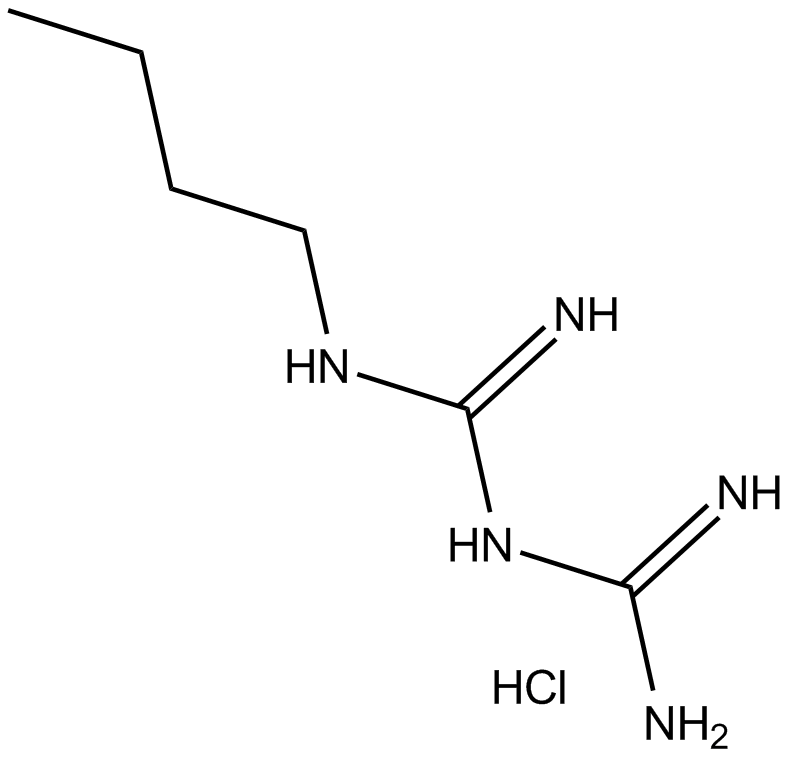
Buformin (hydrochloride) (CAS No.: 1190-53-0) is an orally active biguanide compound widely utilized in metabolic and oncology research as a pharmacological activator of AMP-activated protein kinase (AMPK), a central regulator of cellular energy homeostasis. By stimulating AMPK signaling, buformin suppresses hepatic gluconeogenesis and reduces endogenous glucose production, thereby lowering blood glucose levels and providing a mechanistic basis for its classification as an antidiabetic agent. In addition to its metabolic effects, buformin has demonstrated anti-proliferative activity in cancer-related studies, with evidence suggesting modulation of metabolic stress pathways and inhibition of tumor cell growth in models such as cervical and breast cancer. Its activity is generally observed in the low micromolar to micromolar concentration range in vitro, consistent with other biguanide analogs, although experimental conditions can influence potency. Buformin is commonly employed in cell-based assays and in vivo models to investigate metabolic reprogramming, AMPK-dependent signaling cascades, and the interplay between energy metabolism and disease progression, with dosing and concentration parameters varying according to specific experimental designs and research objectives.
| Physical Appearance | A crystalline solid |
| Storage | -20°C |
| M.Wt | 193.68 |
| Cas No. | 1190-53-0 |
| Formula | C6H16ClN5 |
| Synonyms | N-butyl Biguanide |
| Solubility | ≤1mg/ml in PBS(pH7.2) |
| Chemical Name | A name could not be generated for this structure. |
| Canonical SMILES | NC(NC(NCCCC)=N)=N.Cl |
| Shipping Condition | Small Molecules with Blue Ice, Modified Nucleotides with Dry Ice. |
| General tips | We do not recommend long-term storage for the solution, please use it up soon. |