


Brassinin
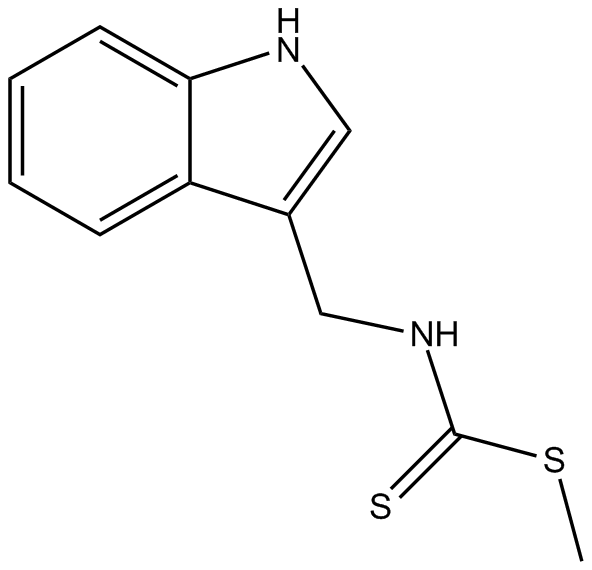
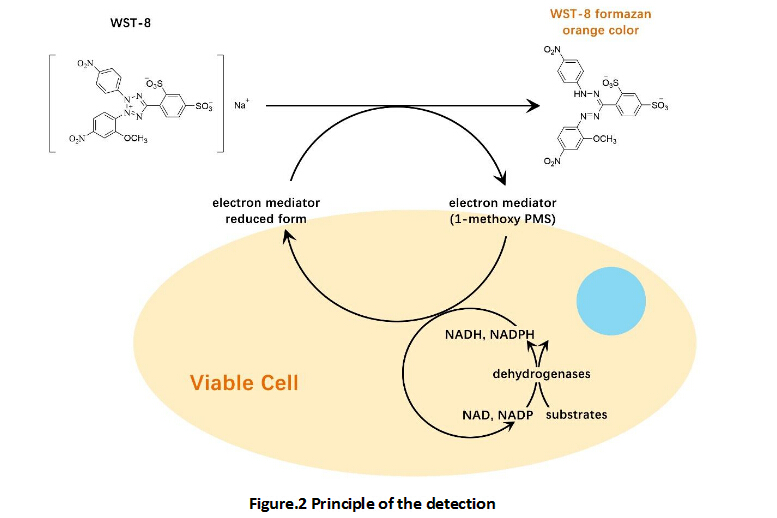
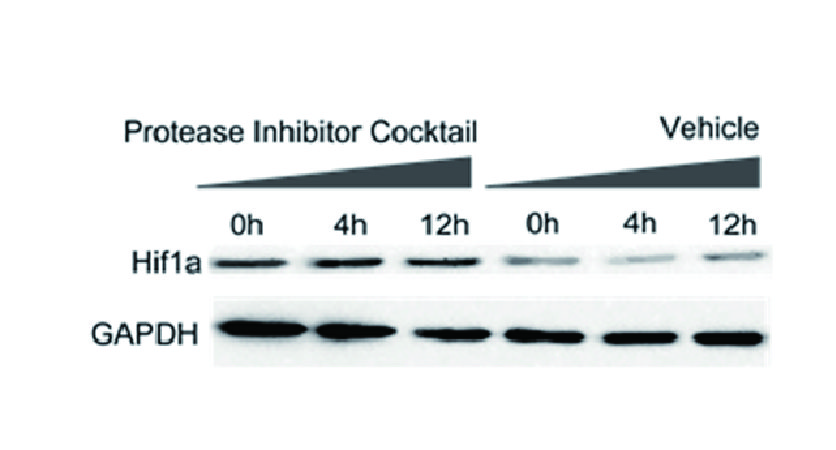
Brassinin (CAS No.: 105748-59-2) is a naturally occurring indole-based phytoalexin metabolite predominantly derived from cruciferous plants such as Brassica species, and is widely utilized in studies of cell signaling and cancer biology. As a bioactive secondary metabolite, Brassinin has been shown to modulate multiple signaling pathways, including PI3K/Akt, NF-κB, and Wnt cascades, thereby influencing key cellular processes such as proliferation, apoptosis, autophagy, and migration in tumor cells. Its activity is generally observed in the nanomolar to micromolar range in vitro, depending on the cellular context and assay conditions. Brassinin is frequently employed as a tool compound to investigate mechanisms of cancer chemoprevention, as well as anti-inflammatory responses, with ongoing efforts to delineate its direct molecular targets and pathway interactions. In experimental settings, it is commonly applied in cultured cell models and preclinical systems to evaluate pathway modulation and therapeutic potential, with concentrations or dosing regimens adjusted according to specific experimental designs and research objectives.
| Physical Appearance | A solid |
| Storage | -20°C |
| M.Wt | 236.36 |
| Cas No. | 105748-59-2 |
| Formula | C11H12N2S2 |
| Synonyms | BSN |
| Solubility | insoluble in H2O; ≥13.38 mg/mL in DMSO; ≥33.13 mg/mL in EtOH |
| Chemical Name | methyl ((1H-indol-3-yl)methyl)carbamodithioate |
| Canonical SMILES | S=C(SC)NCC1=CNC2=CC=CC=C21 |
| Shipping Condition | Small Molecules with Blue Ice, Modified Nucleotides with Dry Ice. |
| General tips | We do not recommend long-term storage for the solution, please use it up soon. |