Bisphenol A
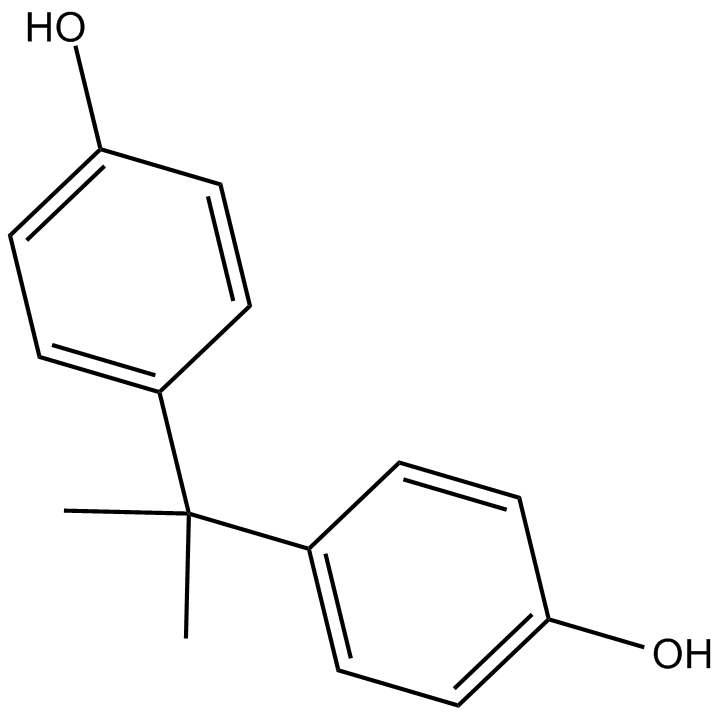
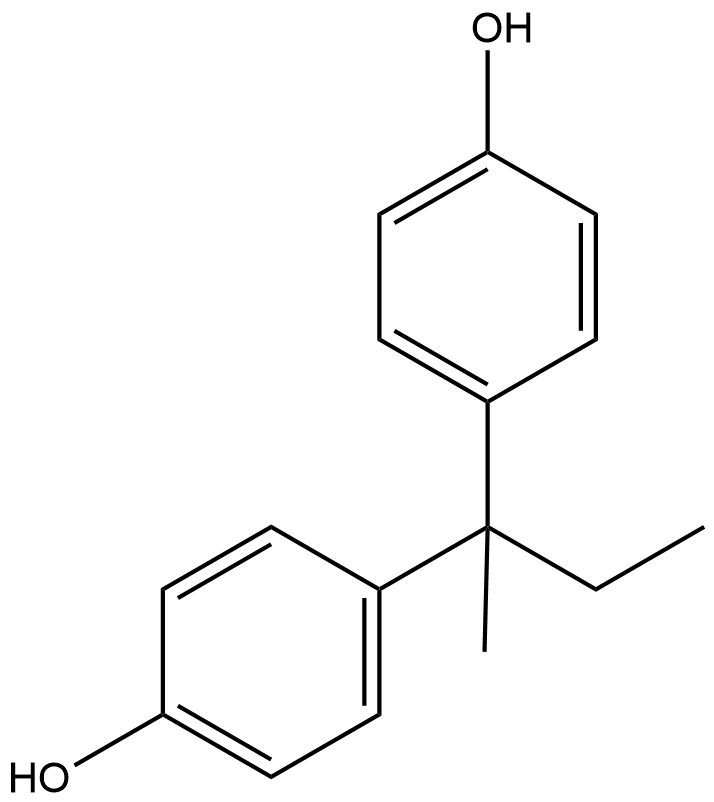
Bisphenol A (CAS No.: 80-05-7) is a synthetic phenolic compound belonging to the bisphenol class of methylenediphenols, extensively utilized as a monomer in the manufacture of polycarbonate plastics and epoxy resins and widely studied in biomedical research as a prototypical endocrine-disrupting chemical. It exhibits estrogenic and anti-androgenic activities through interactions with nuclear hormone receptors, including estrogen receptors and related signaling pathways, and can modulate downstream transcriptional programs involved in cell proliferation, differentiation, and metabolic regulation. In vitro studies demonstrate that Bisphenol A can alter cellular signaling cascades such as oxidative stress responses, inflammatory pathways, and mitochondrial function, with biological activity often observed across nanomolar to micromolar concentration ranges depending on the assay system. It is commonly employed in cell-based and animal model investigations to examine mechanisms of endocrine disruption, reproductive and developmental toxicity, and metabolic dysregulation, as well as to evaluate environmental toxicology and chemical safety profiles. Experimental concentrations or dosing regimens vary according to specific study designs and endpoints, making this compound a valuable reference tool for probing hormone-mediated signaling and assessing the biological impact of environmental contaminants in drug discovery and toxicological research contexts.
| Physical Appearance | Solid |
| Storage | -20°C |
| M.Wt | 228.29 |
| Cas No. | 80-05-7 |
| Formula | C15H16O2 |
| Solubility | insoluble in H2O; ≥14.33 mg/mL in DMSO; ≥21 mg/mL in EtOH |
| Chemical Name | 4,4'-(propane-2,2-diyl)diphenol |
| Canonical SMILES | OC1=CC=C(C(C)(C)C2=CC=C(O)C=C2)C=C1 |
| Shipping Condition | Small Molecules with Blue Ice, Modified Nucleotides with Dry Ice. |
| General tips | We do not recommend long-term storage for the solution, please use it up soon. |