


TGF-β/Smad Signaling
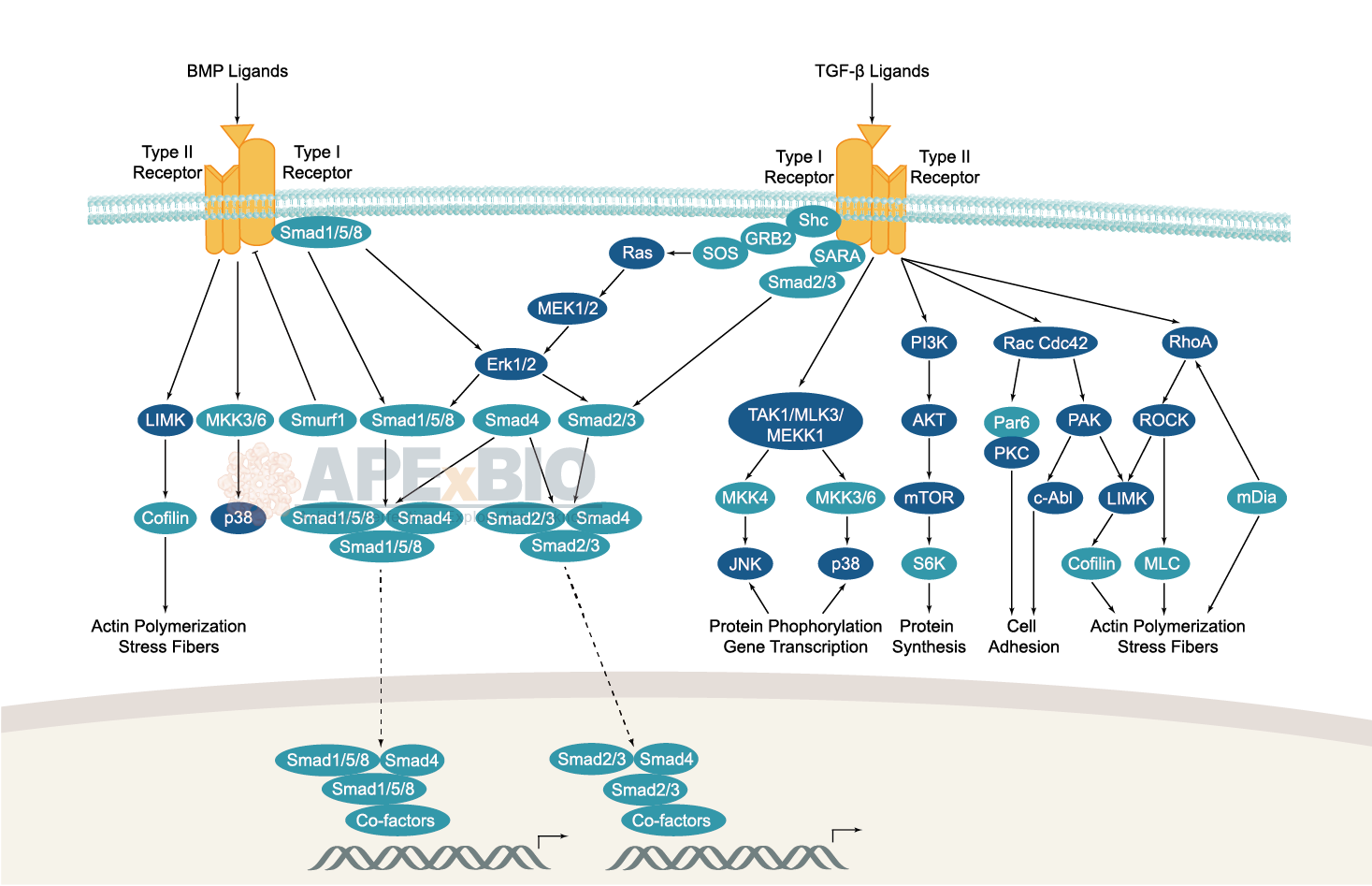
The TGF-β family is generally classified into two sub-families, TGF-β ligands, and bone morphogenic protein (BMP) ligands. In canonical signaling, receptor activation lead to phosphorylation of a group of transcription factors called Smads. TGF-β ligands bind to type II receptors (TGF-β II) which recruit and phosphorylate type I receptor (TGF-β I) on serine/threonine residues. The TGF-β I then recruits and phosphorylates a receptor regulated Smad (R-Smad). The R-Smad binds to the common Smad (Co-Smad) and forms a heterodimeric complex. This complex then translocates into the cell nucleus where it binds with nuclear co-factors to regulate the transcription of various target genes. Dysregulation of TGF-β/Smad signaling pathway is associated with a number of pathological conditions including fibrosis, cancer, immunodeficiency, diabetes and cardiovascular diseases etc.
-
 BA2805 DecursinSummary: Decursin ((+)-Decursin) is a potent antitumor agent.
 -
BA2859 BJE6-106Summary: BJE6-106 (B106) is a potent and selective inhibitor.
-
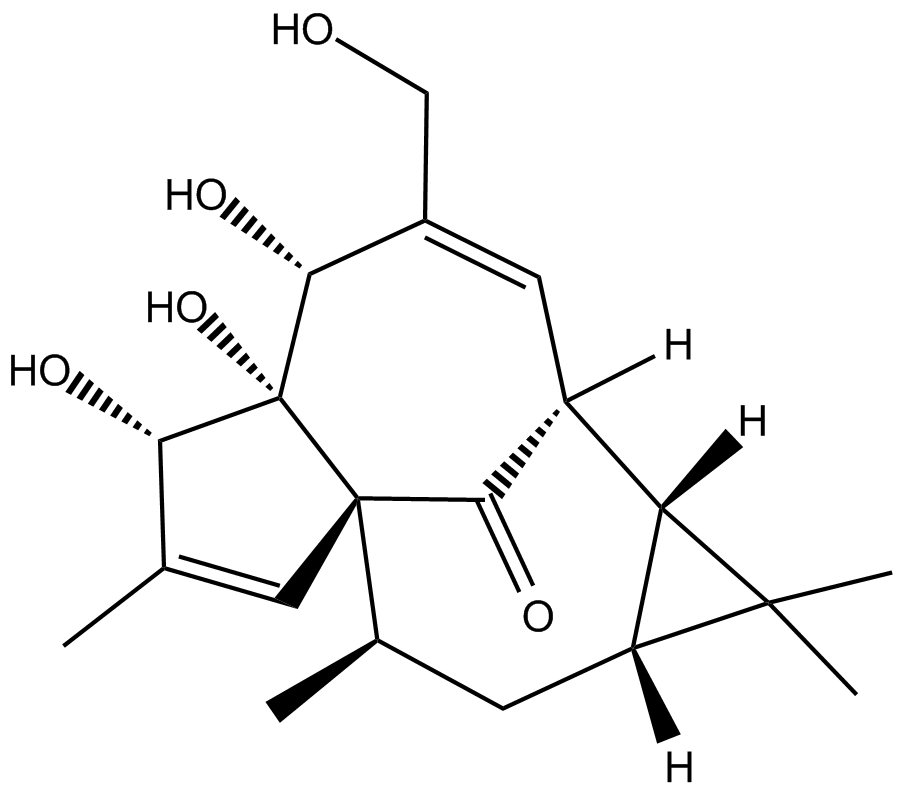 C5222 IngenolSummary: A compound that activates PKC and is used for anti-tumor research.
 -
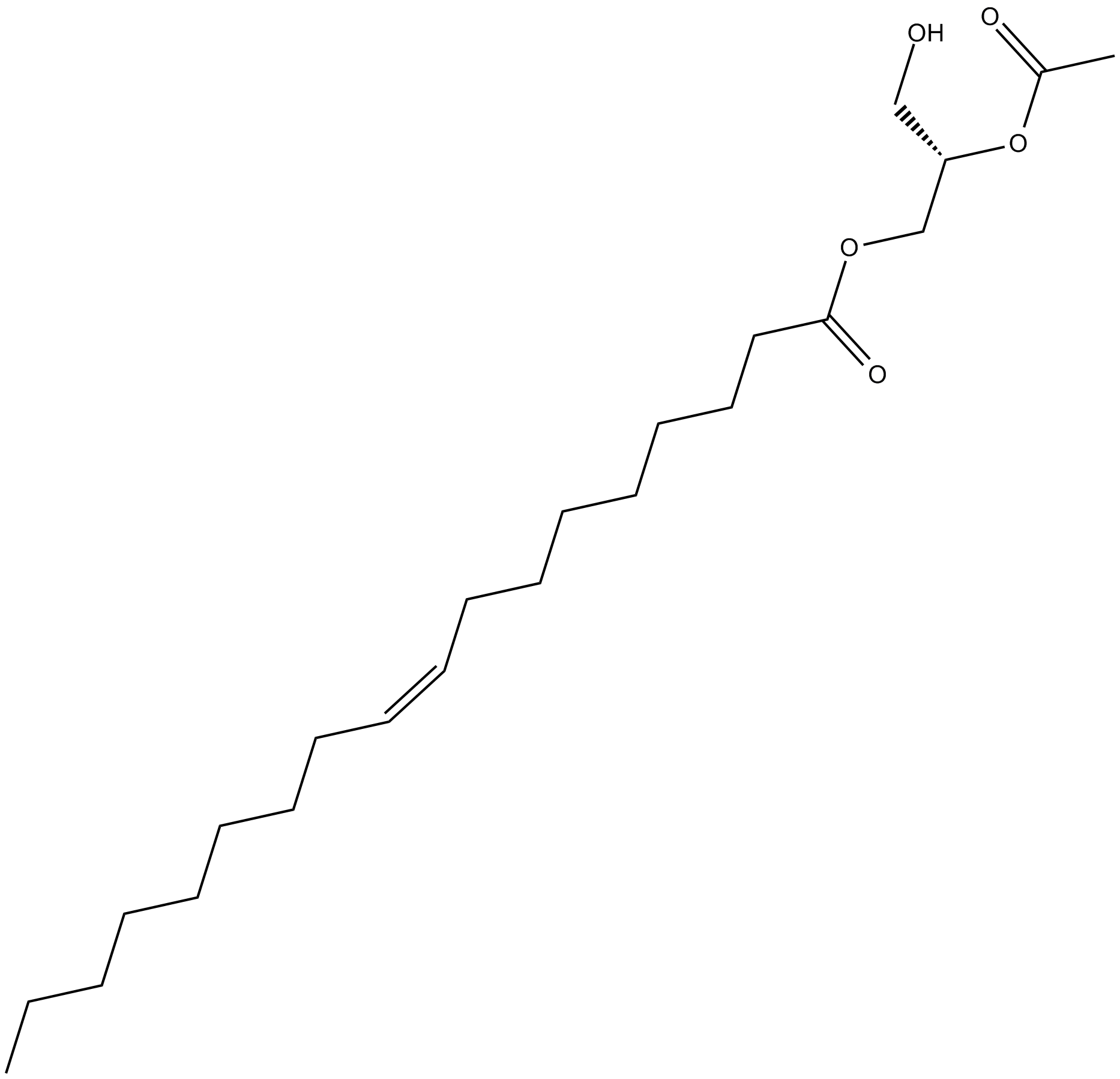 C5393 1-Oleoyl-2-acetyl-sn-glycerolSummary: A cell-permeable analog of DAG
 -
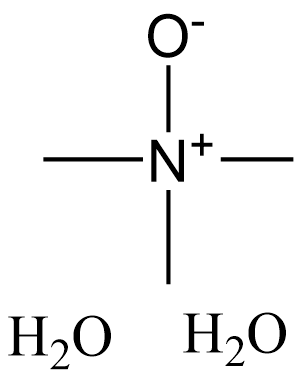 N2891 Trimethylamine oxide dihydrateSummary: ROS/NLRP3 activator; TGF-β/Smad2 signaling pathway activator
 -
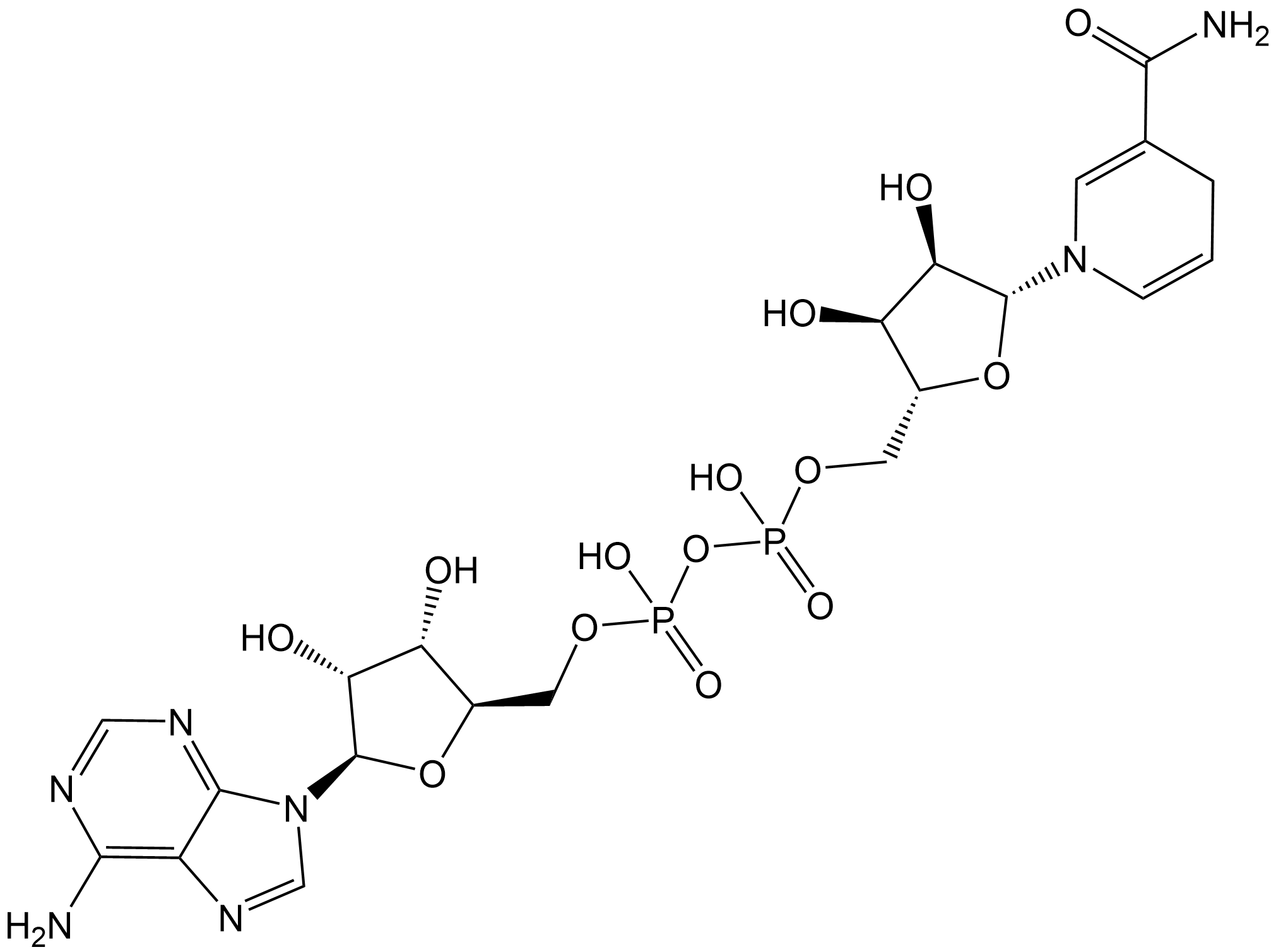 C8749 NADHSummary: Reduced-form coenzymes, whose core biological function is to participate in energy metabolism processes such as glycolysis, the tricarboxylic acid (TCA) cycle, and the mitochondrial electron transport chain.
 -
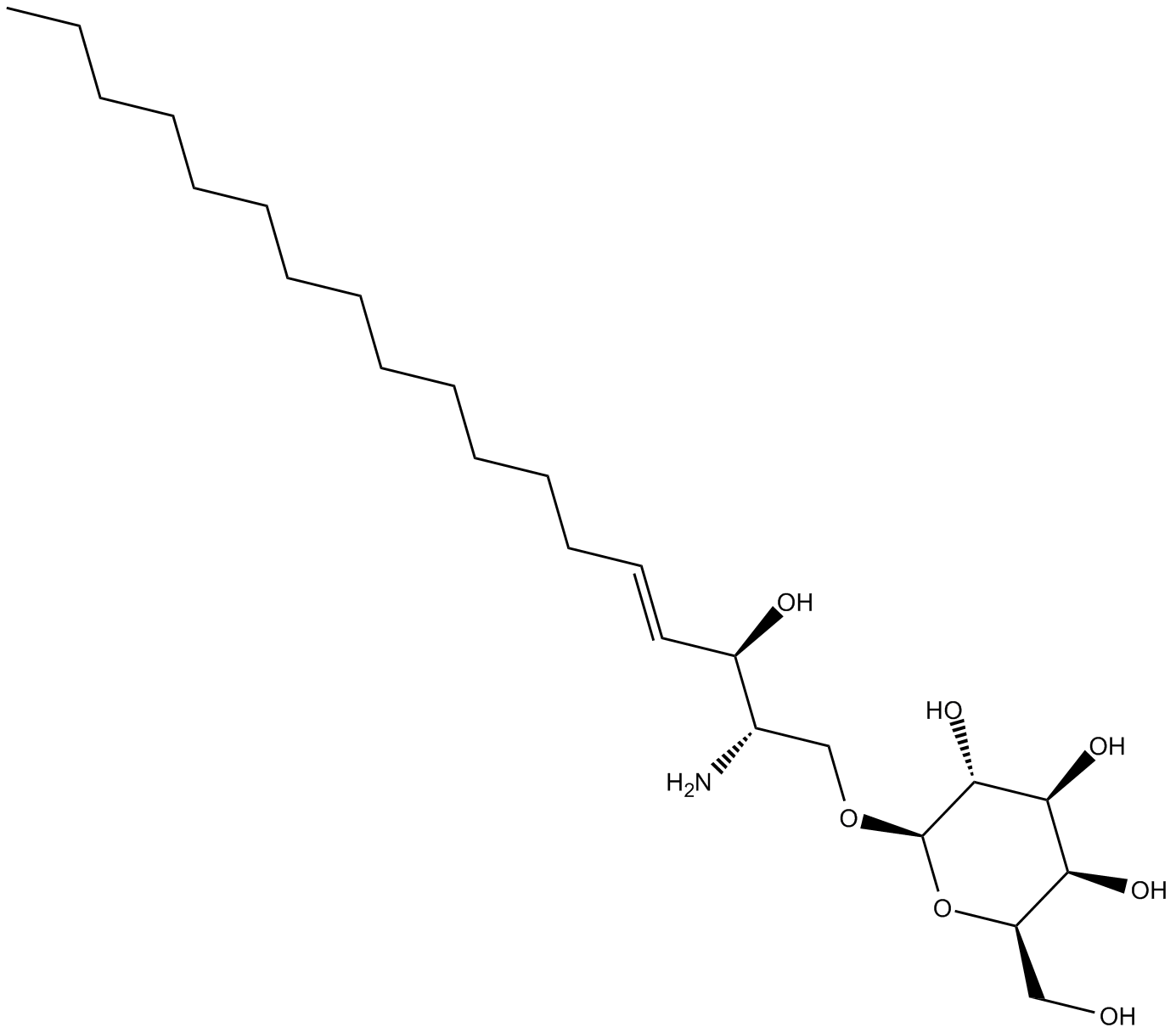 C3371 PsychosineSummary: A natural substrate of GALC, induces apoptosis and inhibits PKC activity.
 -
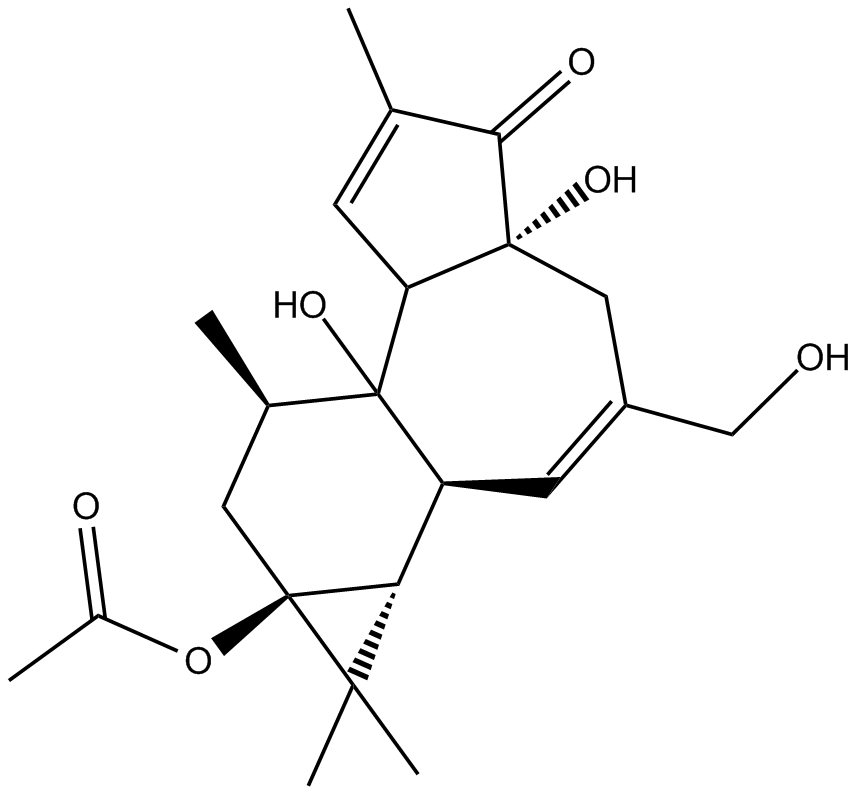 C4359 ProstratinSummary: PKC activator
 -
C8575 Bisindolylmaleimide III
-
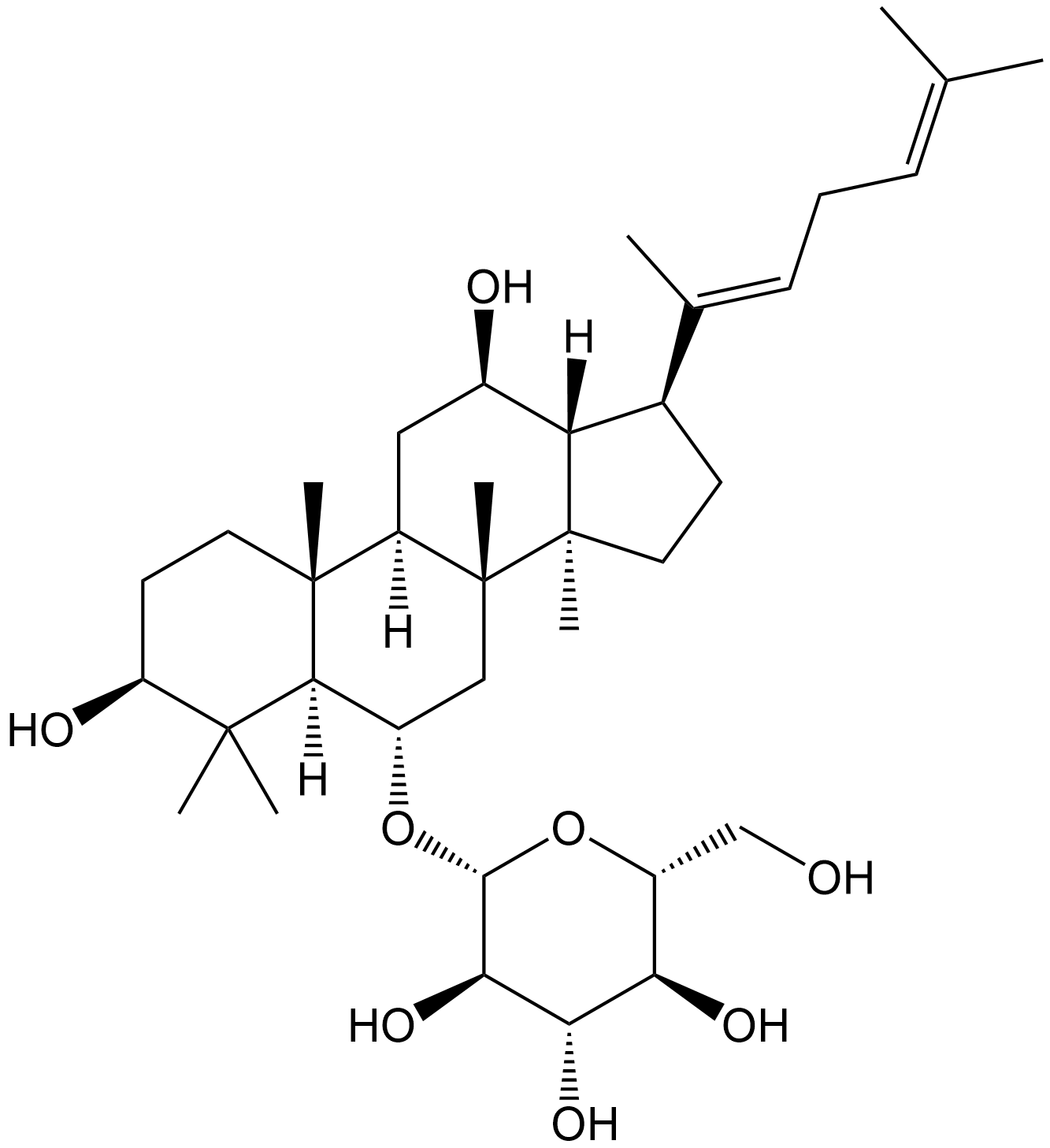 N2900 Ginsenoside Rh4Summary: A rare saponin compound derived from Panax notoginseng.