


Metabolism
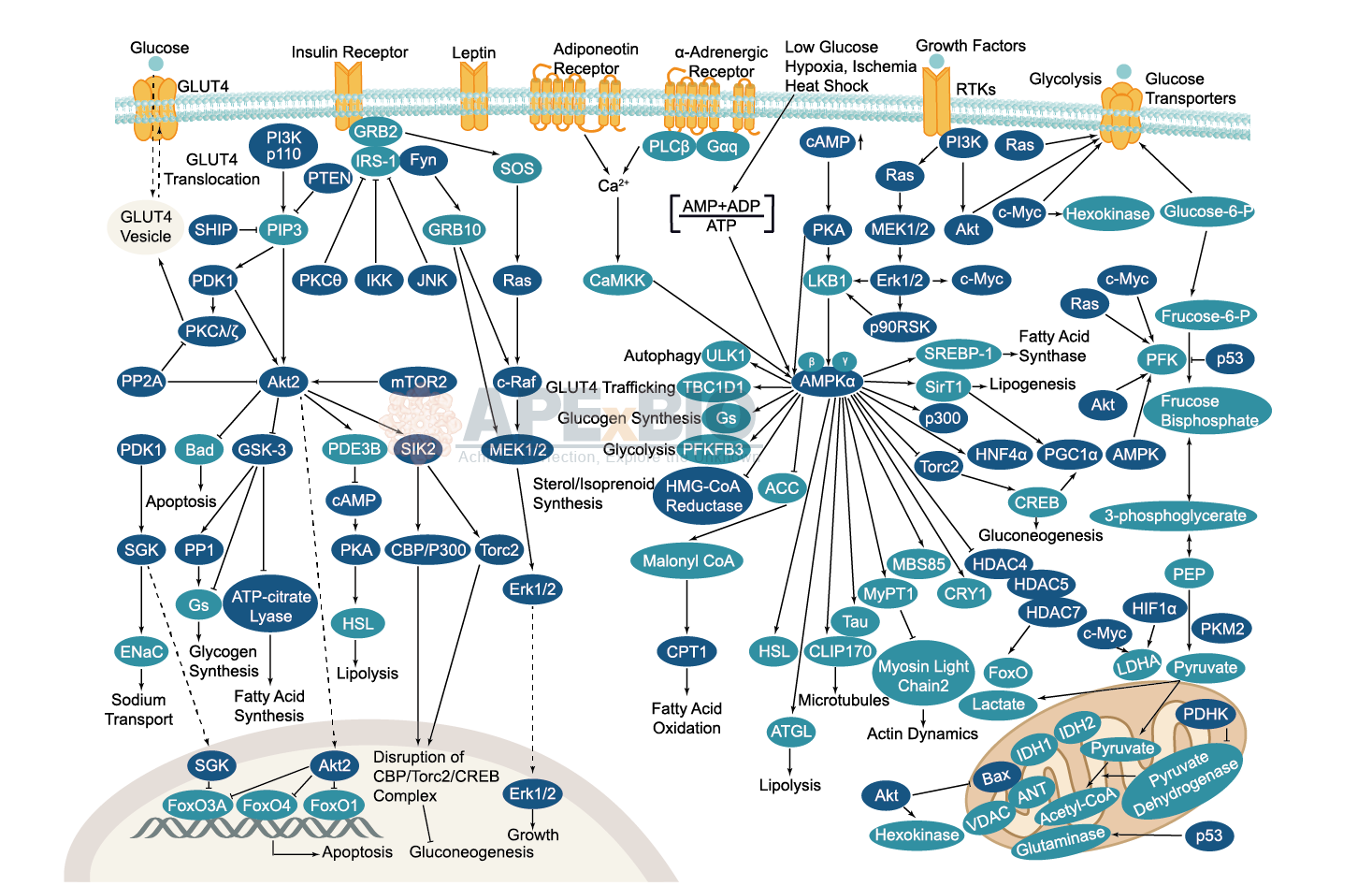
Serine/threonine kinase AMPK upregulates glucose uptake by promoting the expression and function of glucose transporters. AMPK is activated by increased AMP/ATP ratio, resulting from cellular and environmental stress, e.g. low glucose, heat shock, hypoxia and ischemia. AMPK activation positively modulates signaling transductions that refill ATP levels. Moreover, it also stimulates catabolic processes such as fatty acid oxidation and glycolysis through inhibition of ACC and activation of PFK2. AMPK negatively regulates various proteins which are important to ATP-consuming mechanisms, e.g. mTORC2, glycogen synthase, SREBP-1, and TSC2, causing the downregulation/inhibition of gluconeogenesis and glycogen, lipid and protein synthesis.
-
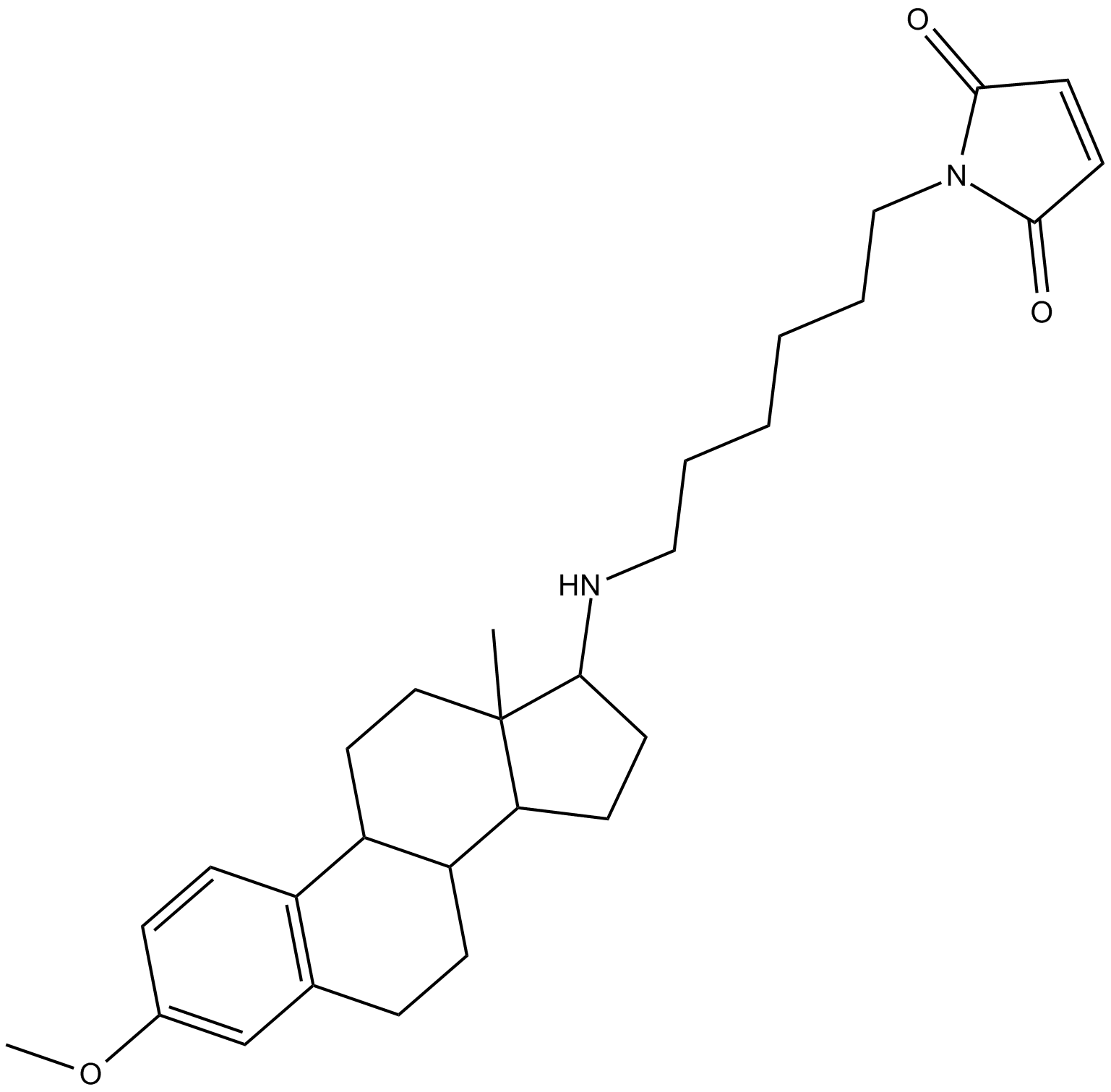 B3422 U-731221 CitationTarget: PC-PLCSummary: inhibitor of phospholipase C, phospholipase A2, and 5-LO (5-lipoxygenase)
 -
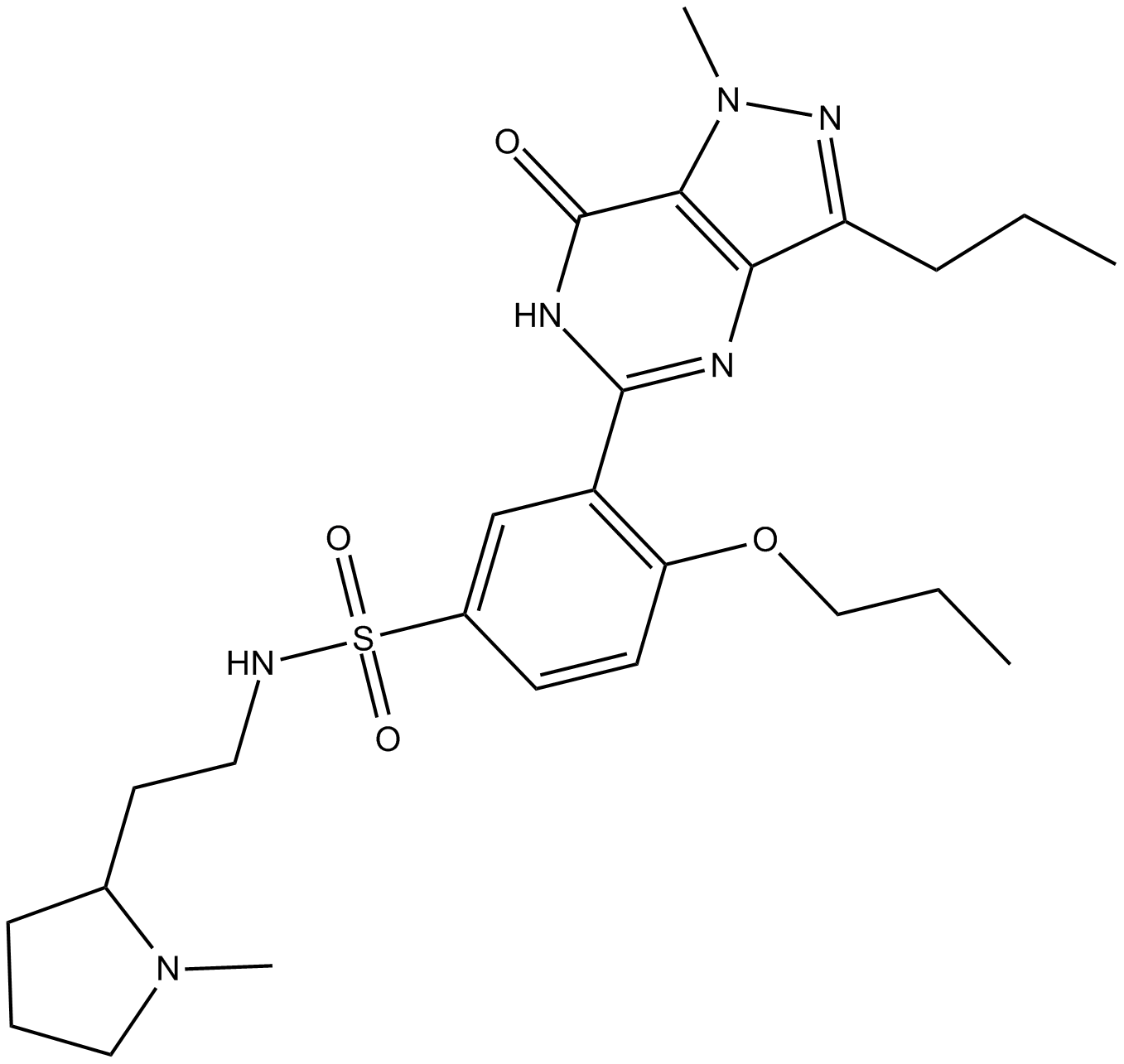 B3439 UdenafilTarget: Phosphodiesterases (PDEs)Summary: PDE5 inhibitor
 -
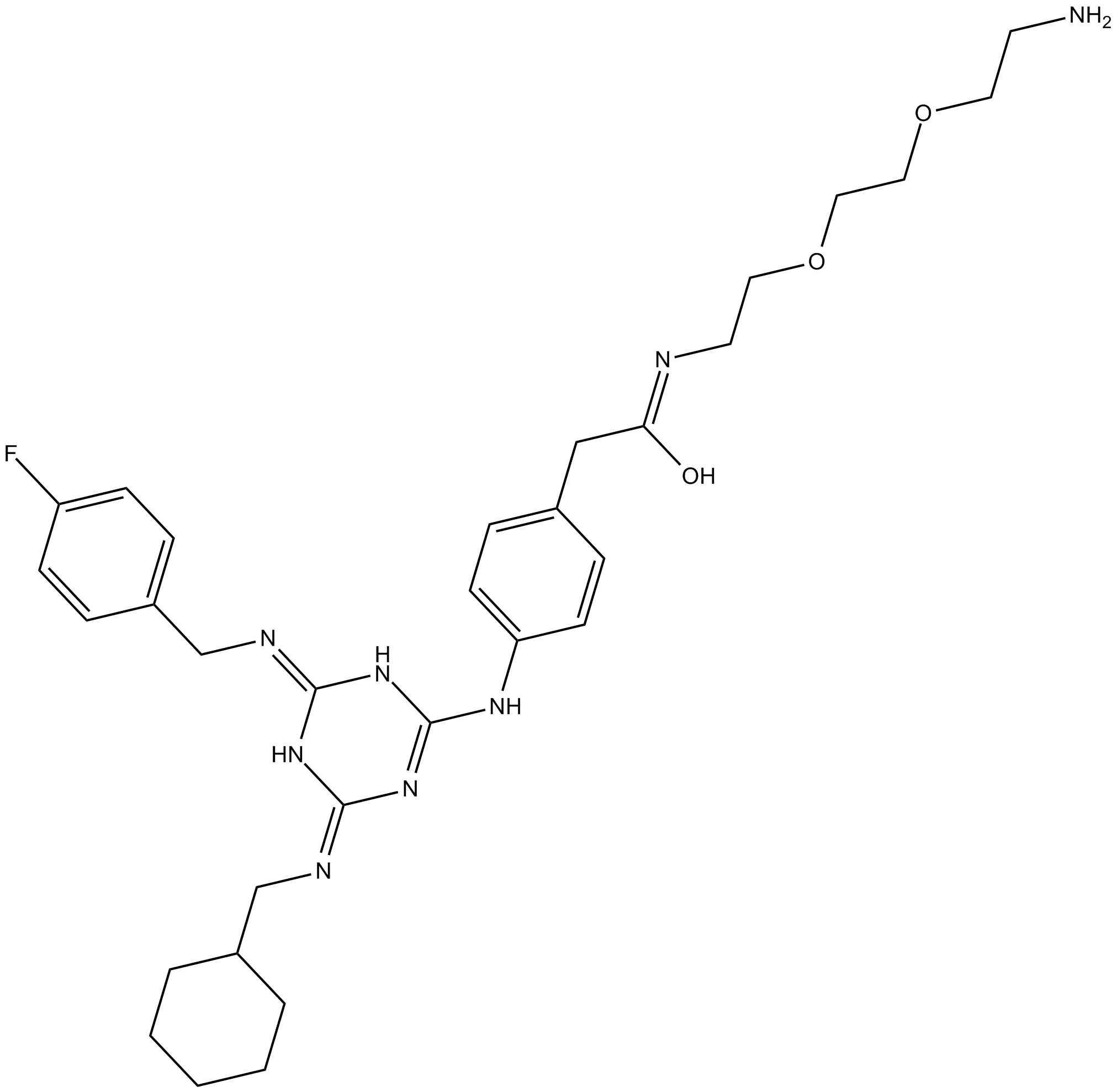 B3588 AP-III-a4Summary: enolase inhibitor
 -
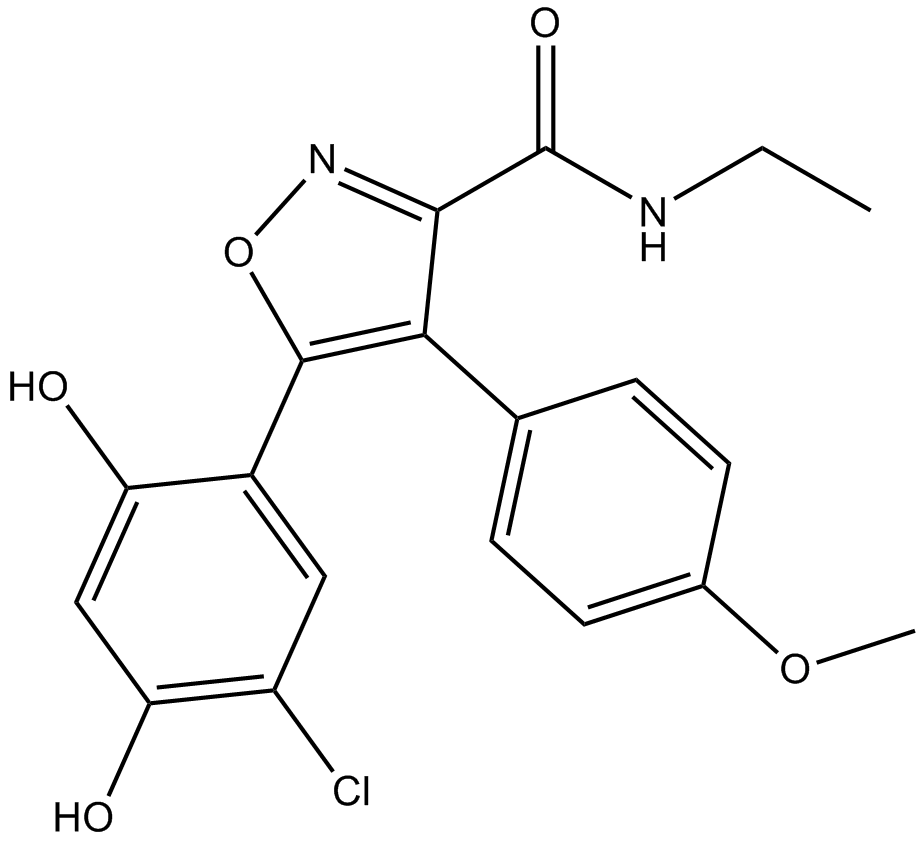 B3592 VER-50589Summary: HSP90 inhibitor, potent
 -
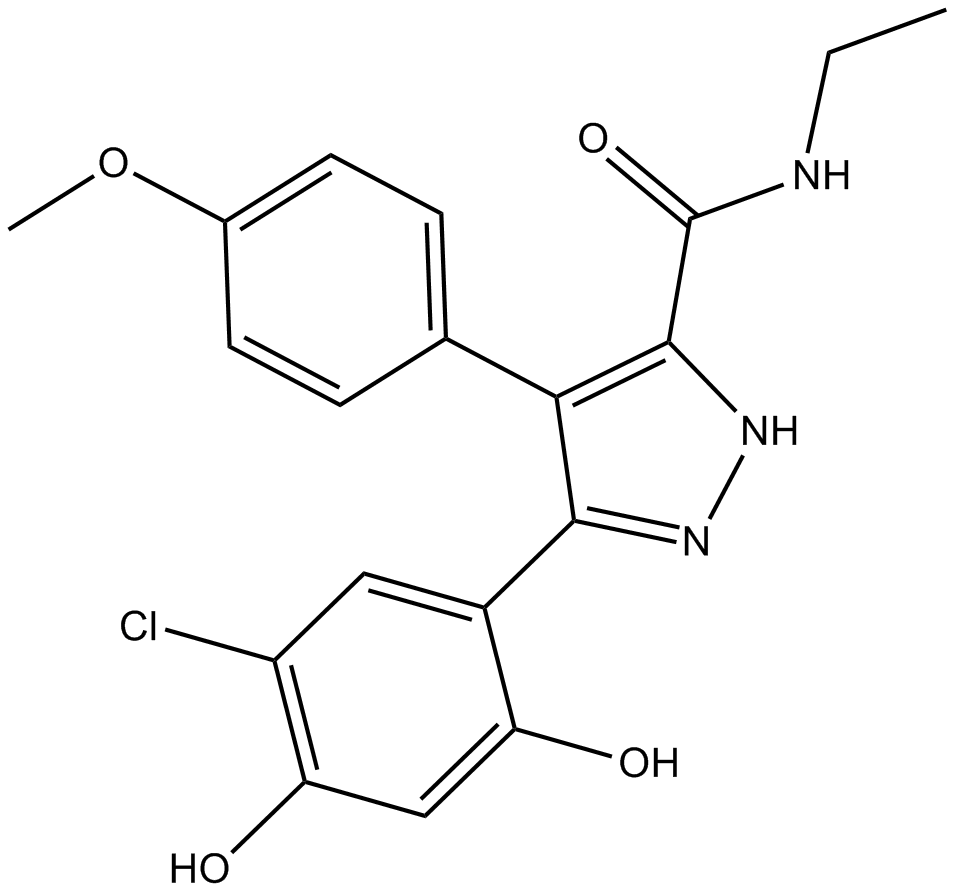 B3593 VER-49009Summary: HSP90 inhibitor, potent and selective
 -
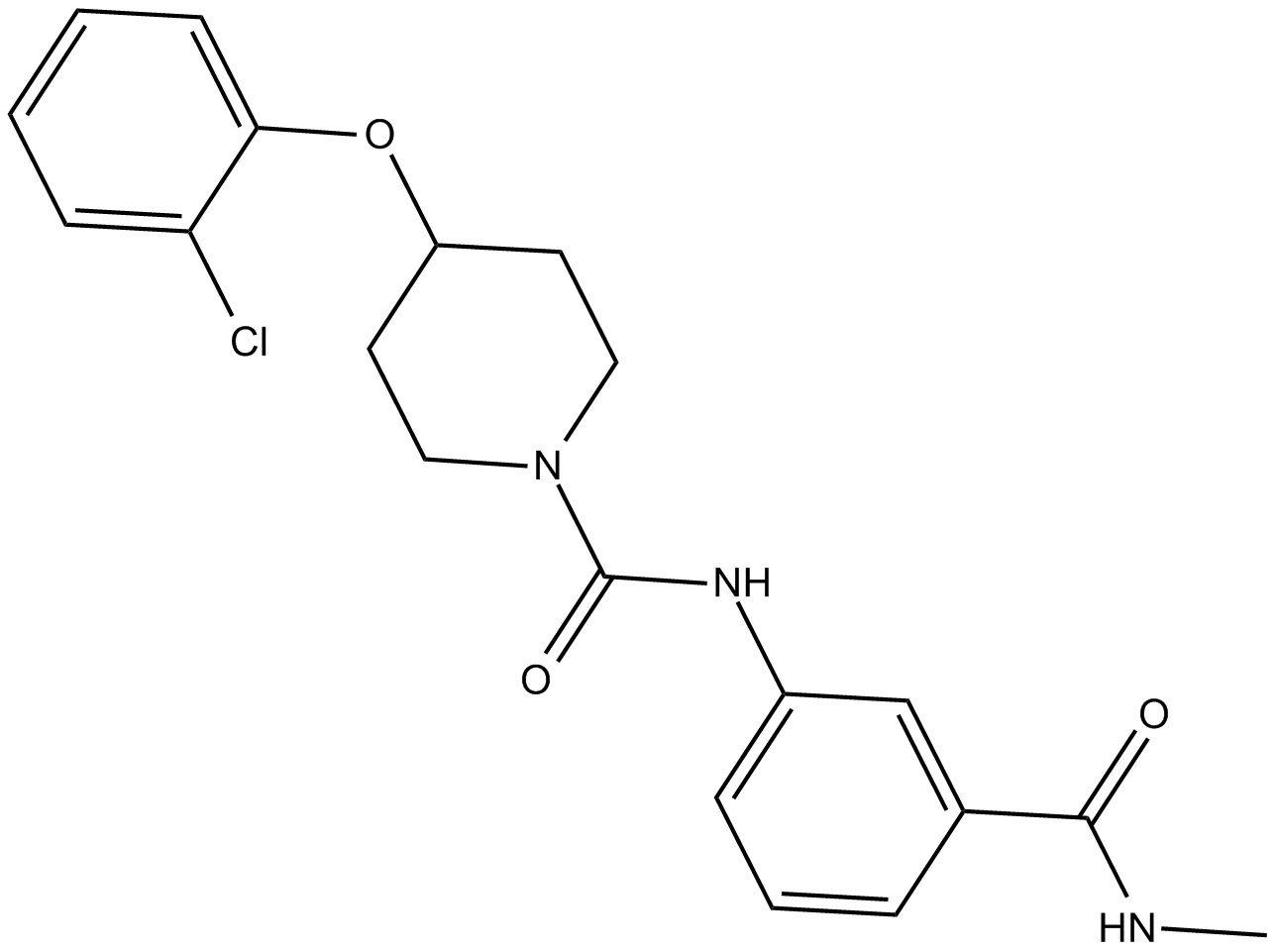 B3607 A9395721 CitationTarget: Stearoyl-CoA 9-desaturase (SCD-1)Summary: Stearoyl-CoA desaturase1 (SCD1) inhibitor
 -
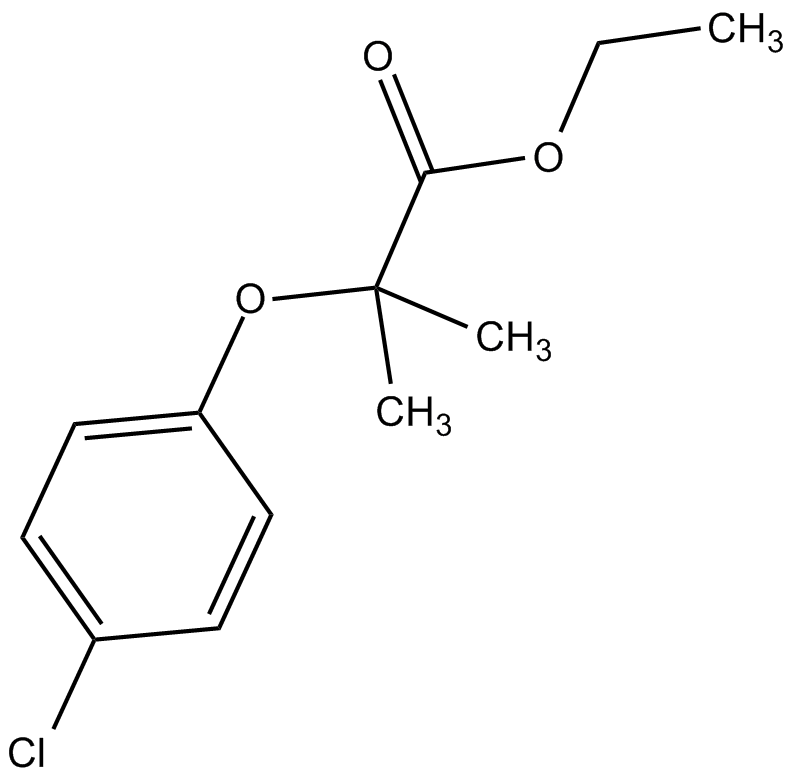 B3610 ClofibrateSummary: PPAR agonist
 -
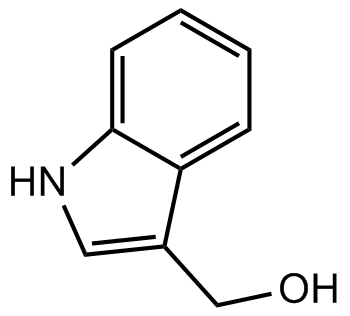 B3667 Indole-3-carbinolSummary: Anticancer drug
 -
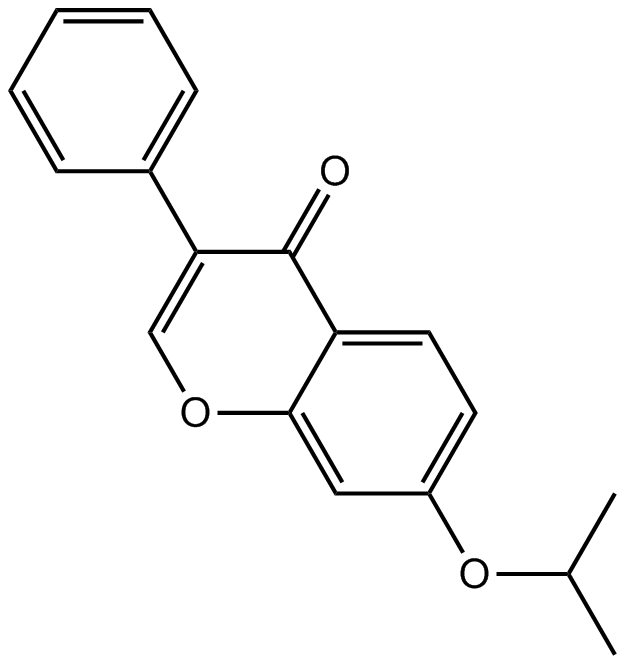 B3673 Ipriflavone (Osteofix)Summary: bone resorption inhibitor
 -
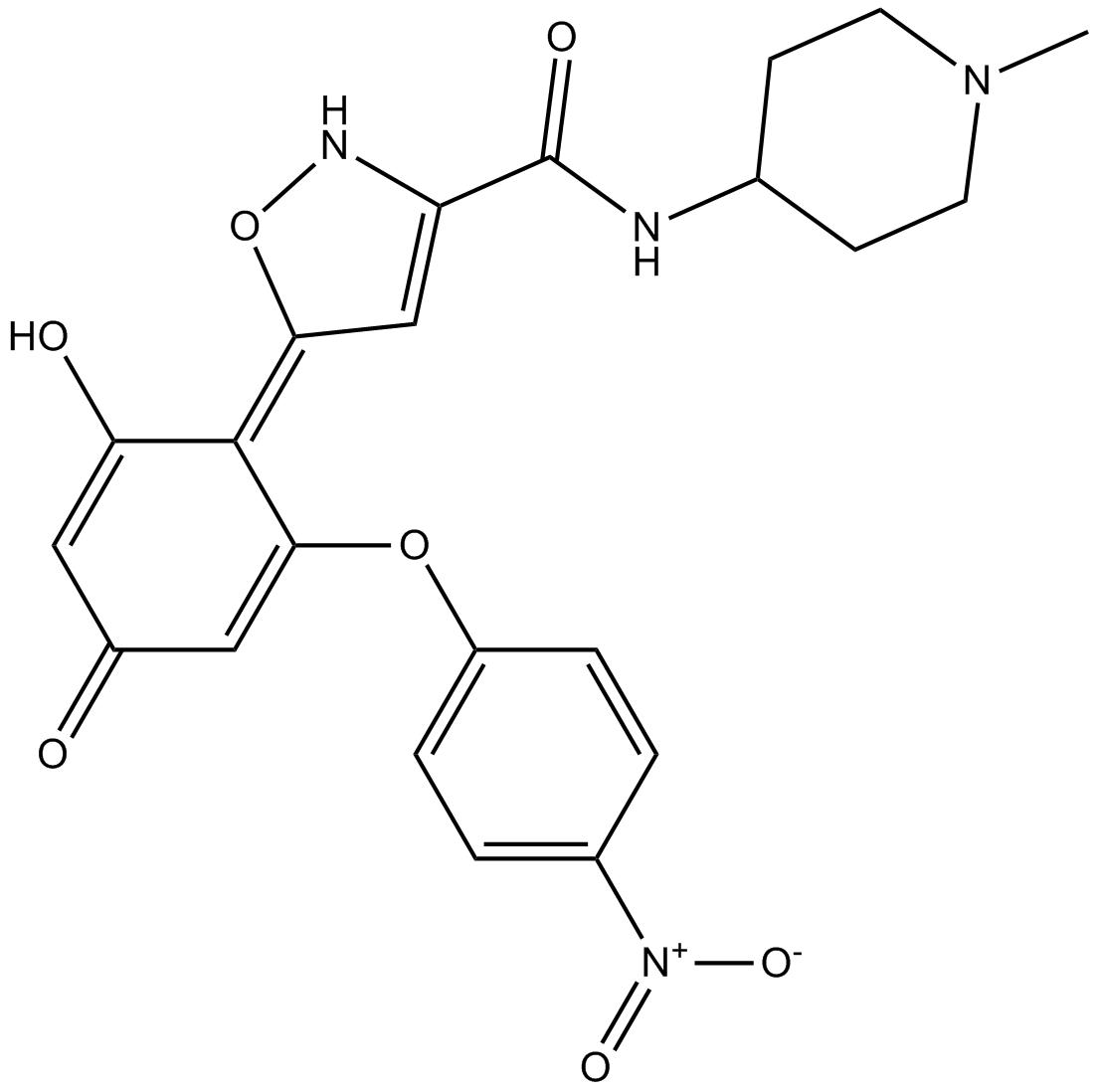 B3693 NMS-E973Summary: Hsp90 inhibitor,potent and selective