


Metabolism
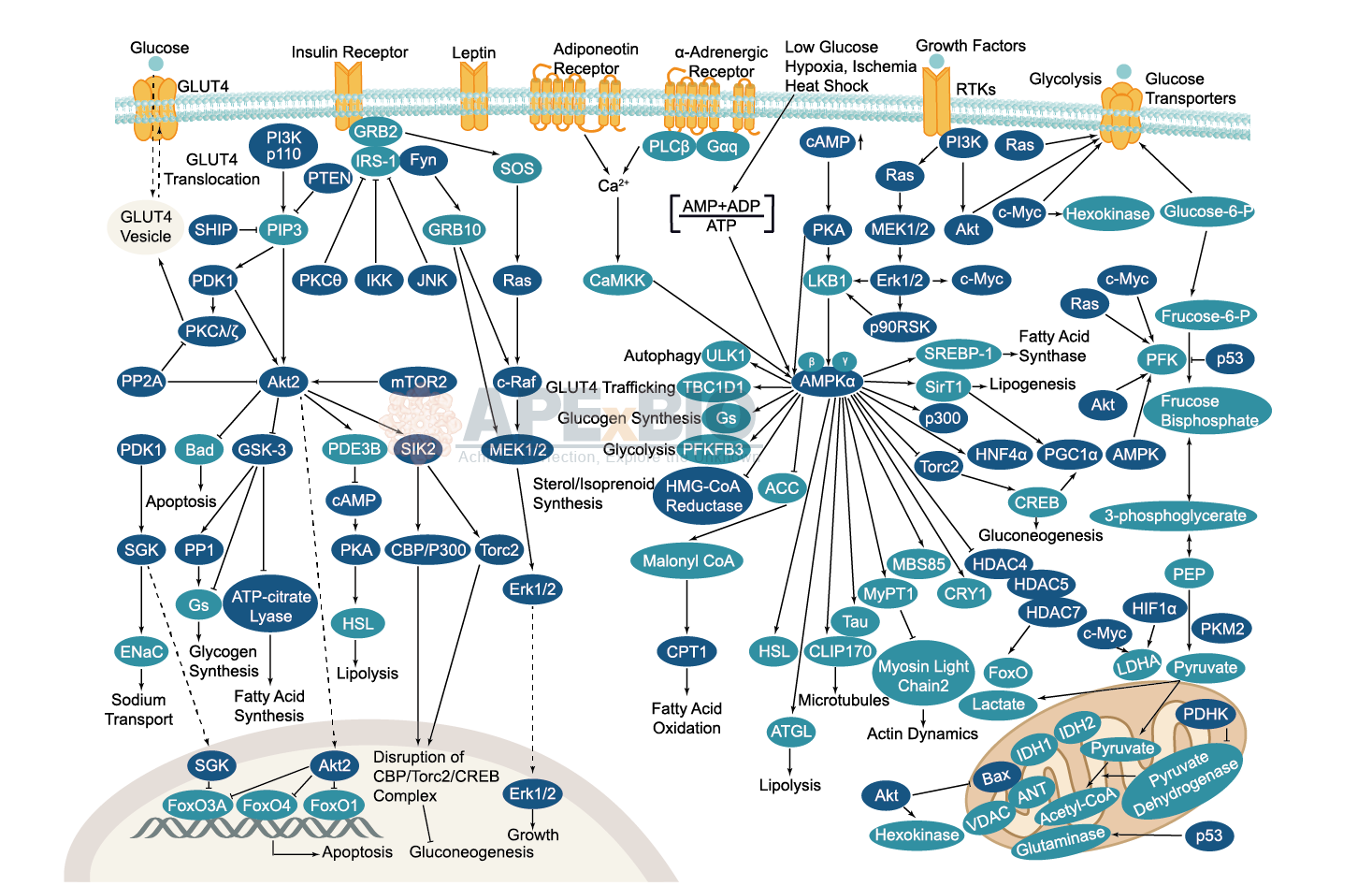
Serine/threonine kinase AMPK upregulates glucose uptake by promoting the expression and function of glucose transporters. AMPK is activated by increased AMP/ATP ratio, resulting from cellular and environmental stress, e.g. low glucose, heat shock, hypoxia and ischemia. AMPK activation positively modulates signaling transductions that refill ATP levels. Moreover, it also stimulates catabolic processes such as fatty acid oxidation and glycolysis through inhibition of ACC and activation of PFK2. AMPK negatively regulates various proteins which are important to ATP-consuming mechanisms, e.g. mTORC2, glycogen synthase, SREBP-1, and TSC2, causing the downregulation/inhibition of gluconeogenesis and glycogen, lipid and protein synthesis.
-
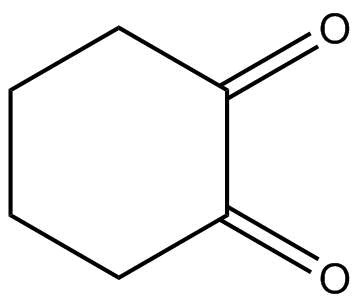 C6619 1,2-CyclohexanedioneSummary: Cyclic diketone-based arginine covalent modification reagent, used for studying protein function.
 -
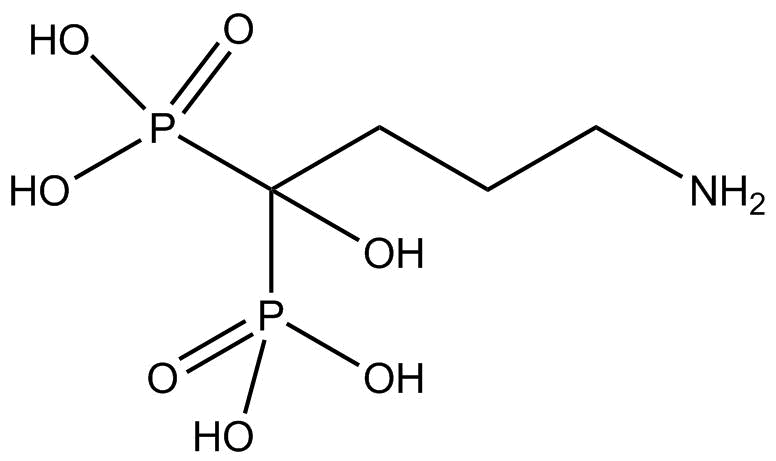 C6689 Alendronic acidSummary: A bisphosphonate FDPS inhibitor that suppresses osteoclast-mediated bone resorption
 -
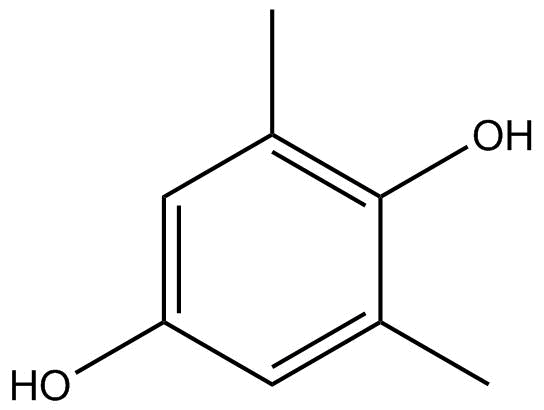 C6698 2,6-DimethylhydroquinoneSummary: A natural endogenous redox metabolic intermediate.
 -
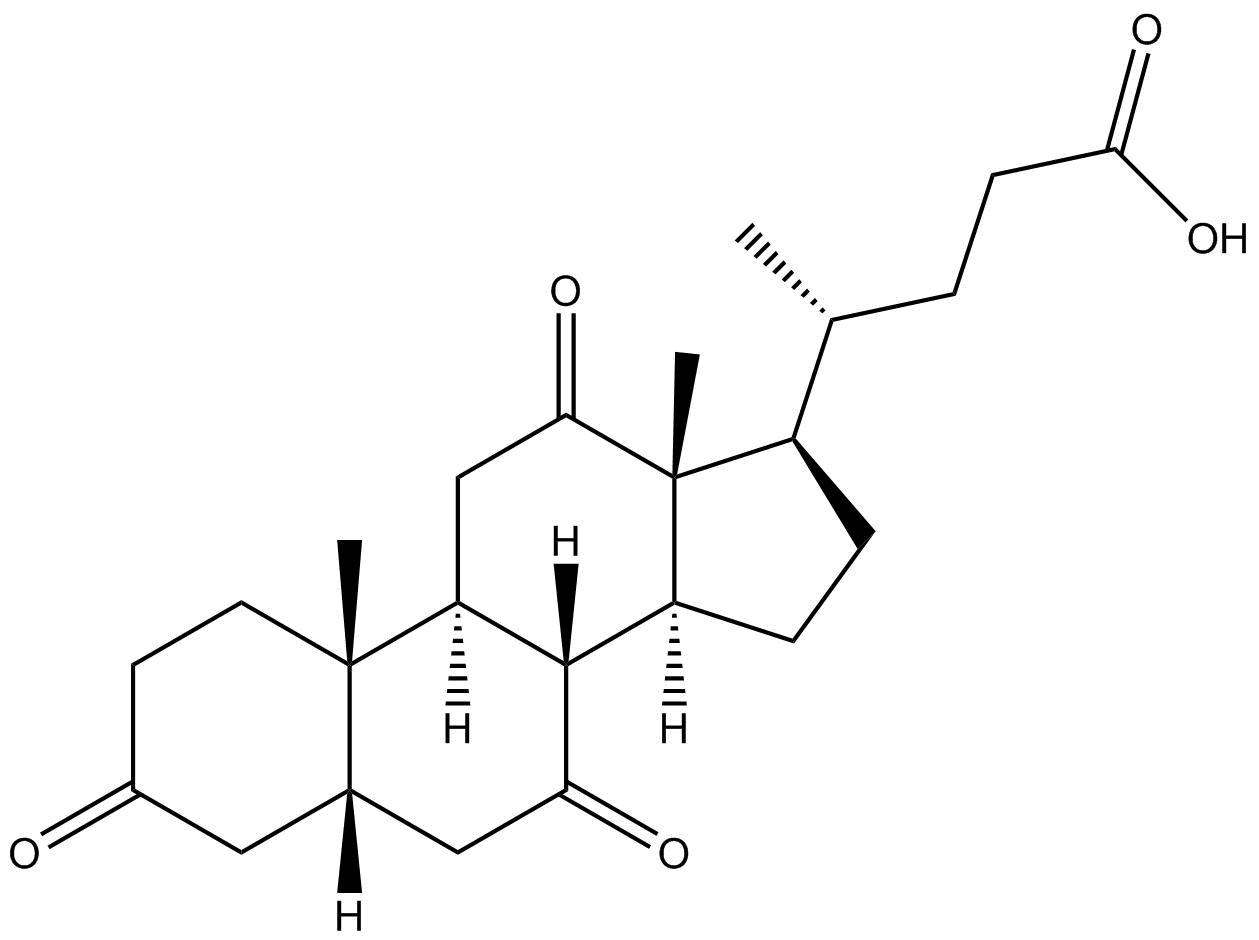 C6703 Dehydrocholic acidSummary: A synthetic bile acid that promotes bile secretion and increases bile acid excretion
 -
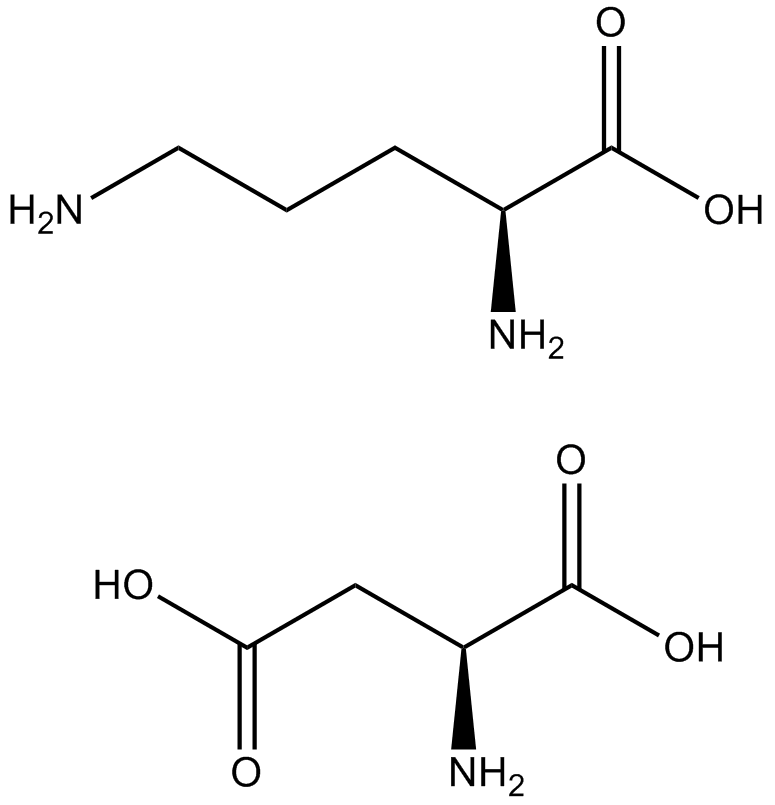 C6859 L-Ornithine L-aspartateSummary: A compound that lowers blood ammonia concentration and relieves hepatic encephalopathy
 -
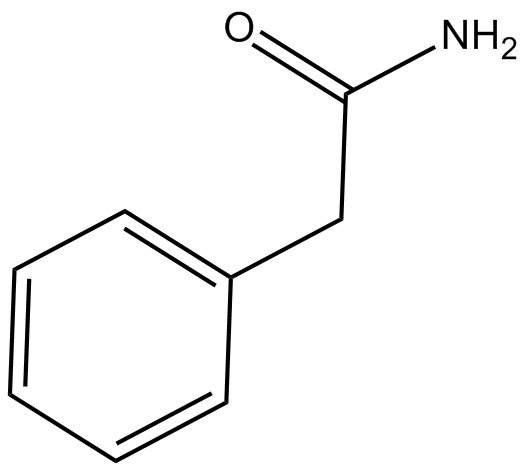 C6905 2-PhenylacetamideSummary: An endogenous metabolite involved in metabolic pathways and neurotransmitter regulation.
 -
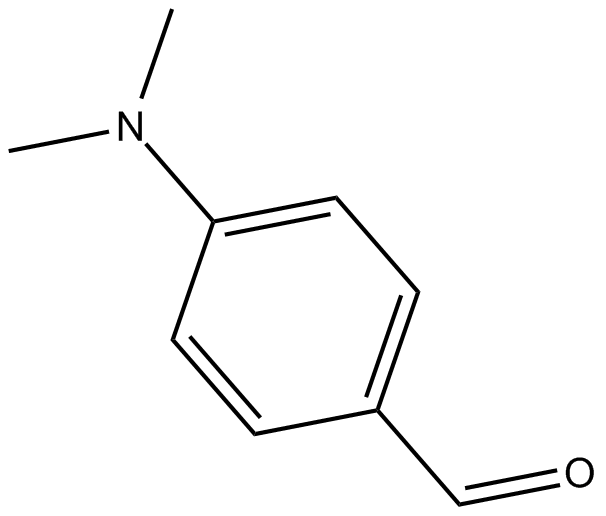 C6916 p-DimethylaminobenzaldehydeSummary: A biochemical colorimetric reagent used to detect indole metabolites.
 -
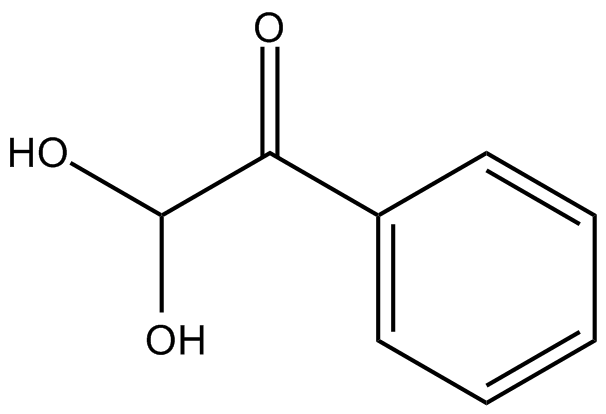 C6975 Phenylglyoxal hydrateSummary: A compound with antioxidant activity for drug intermediate synthesis
 -
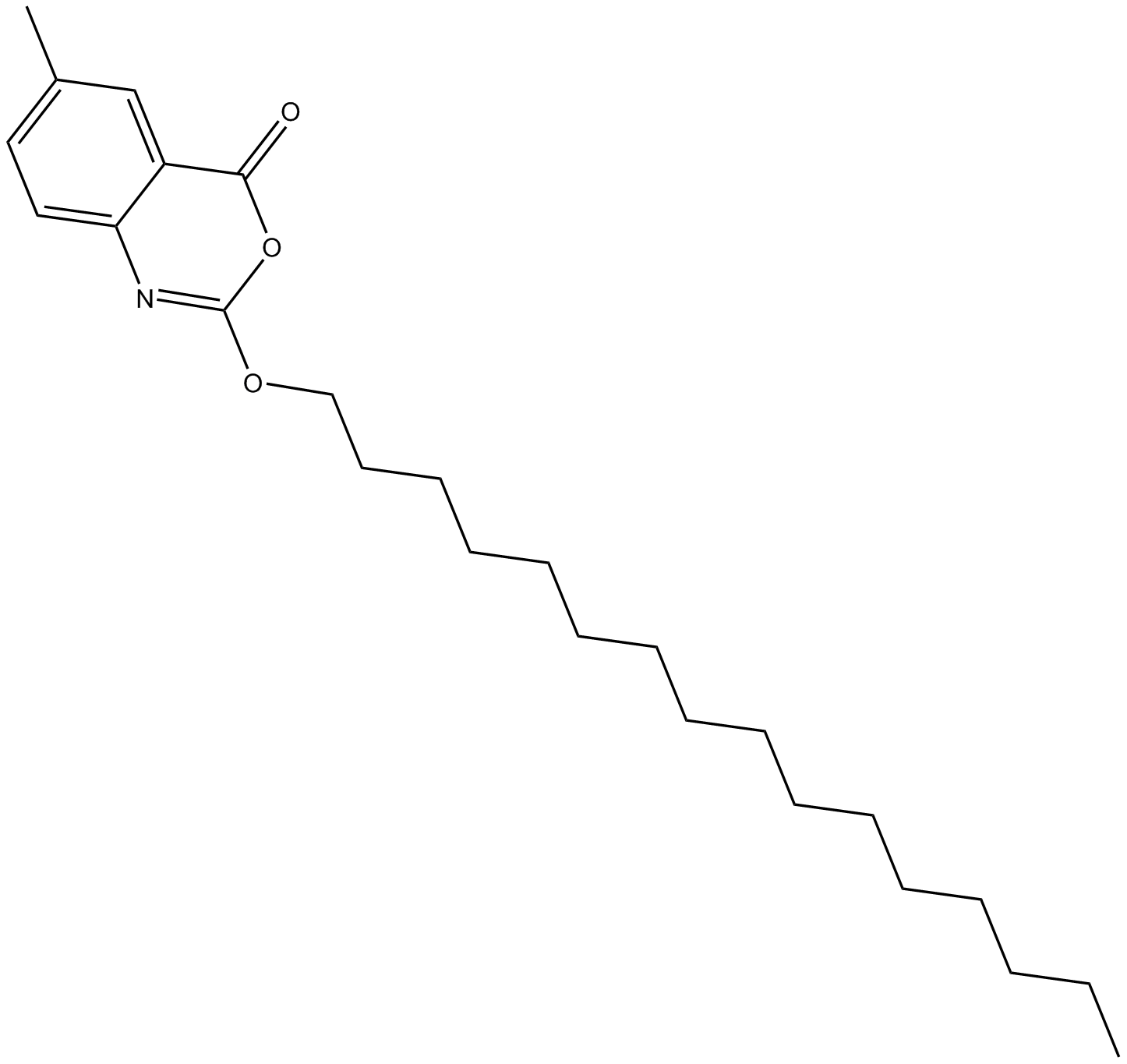 C7022 CetilistatSummary: an inhibitor of pancreatic lipase
 -
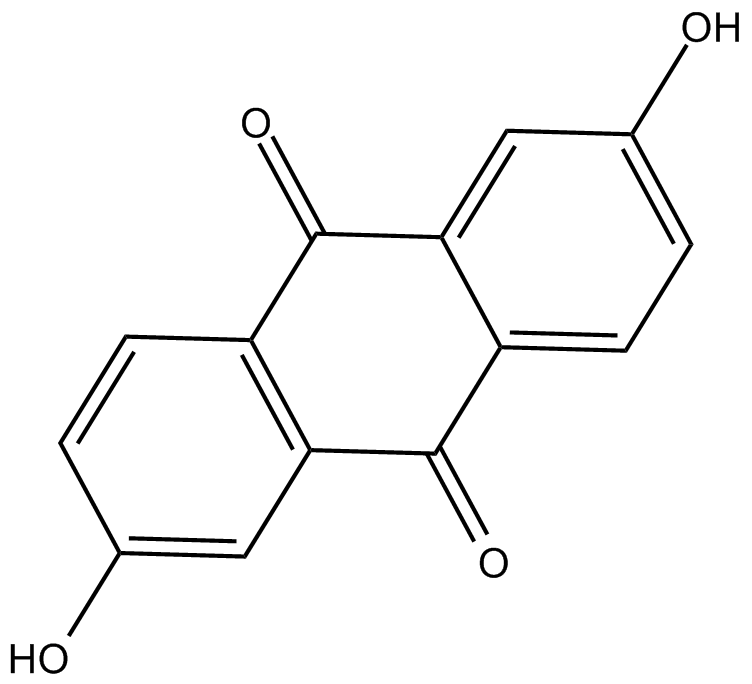 C7063 2,6-DihydroxyanthraquinoneSummary: A compound that inhibits cytochrome P-448 activity and the metabolic activation of carcinogens