


Metabolism
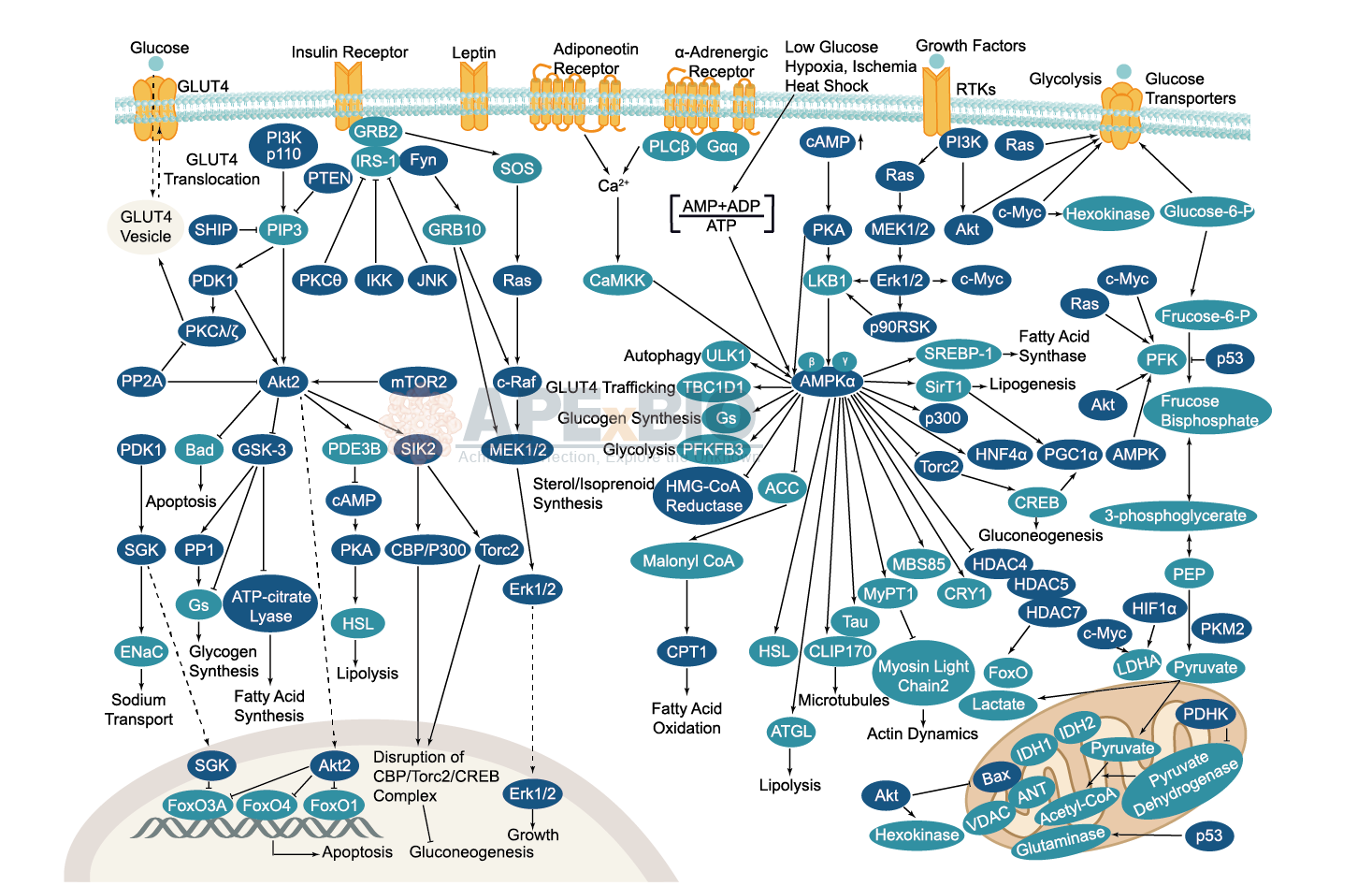
Serine/threonine kinase AMPK upregulates glucose uptake by promoting the expression and function of glucose transporters. AMPK is activated by increased AMP/ATP ratio, resulting from cellular and environmental stress, e.g. low glucose, heat shock, hypoxia and ischemia. AMPK activation positively modulates signaling transductions that refill ATP levels. Moreover, it also stimulates catabolic processes such as fatty acid oxidation and glycolysis through inhibition of ACC and activation of PFK2. AMPK negatively regulates various proteins which are important to ATP-consuming mechanisms, e.g. mTORC2, glycogen synthase, SREBP-1, and TSC2, causing the downregulation/inhibition of gluconeogenesis and glycogen, lipid and protein synthesis.
-
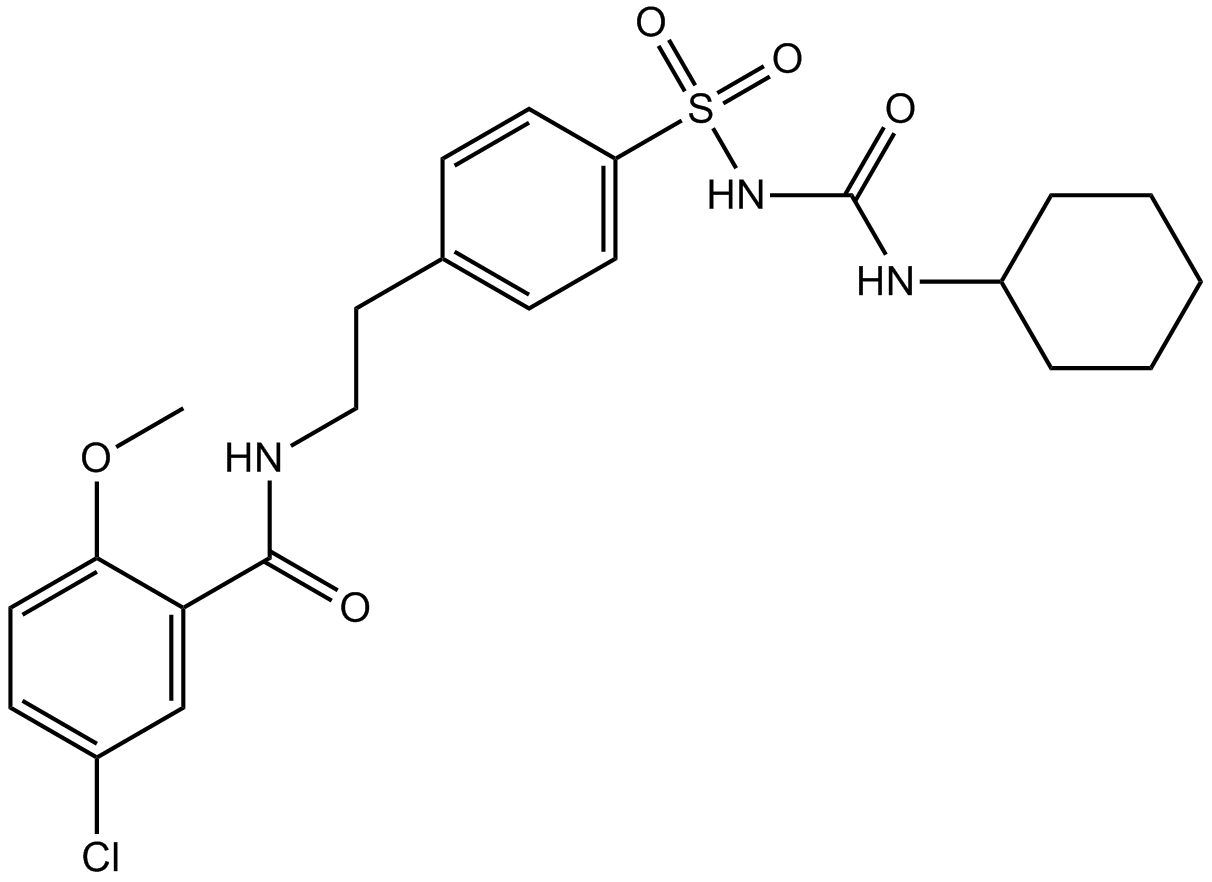 B1296 GlibenclamideTarget: Inward Rectifier Potassium (Kir) ChannelsSummary: Insulin production modulator
 -
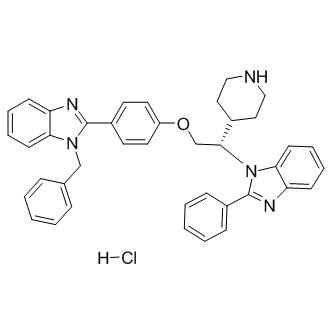 B1261 Deltarasin hydrochlorideSummary: inhibitor of KRAS-PDEδ interaction, potent and selective
 -
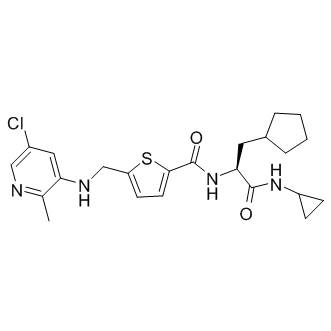 B1169 GSK 2830371Summary: Orally active, allosteric inhibitor of Wip1 phosphatase
 -
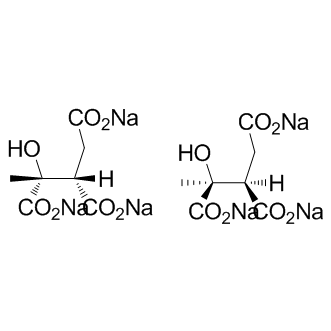 B1310 DL-threo-2-methylisocitrate sodiumSummary: Substrate of isocitrate lyase 1(ICL1)
 -
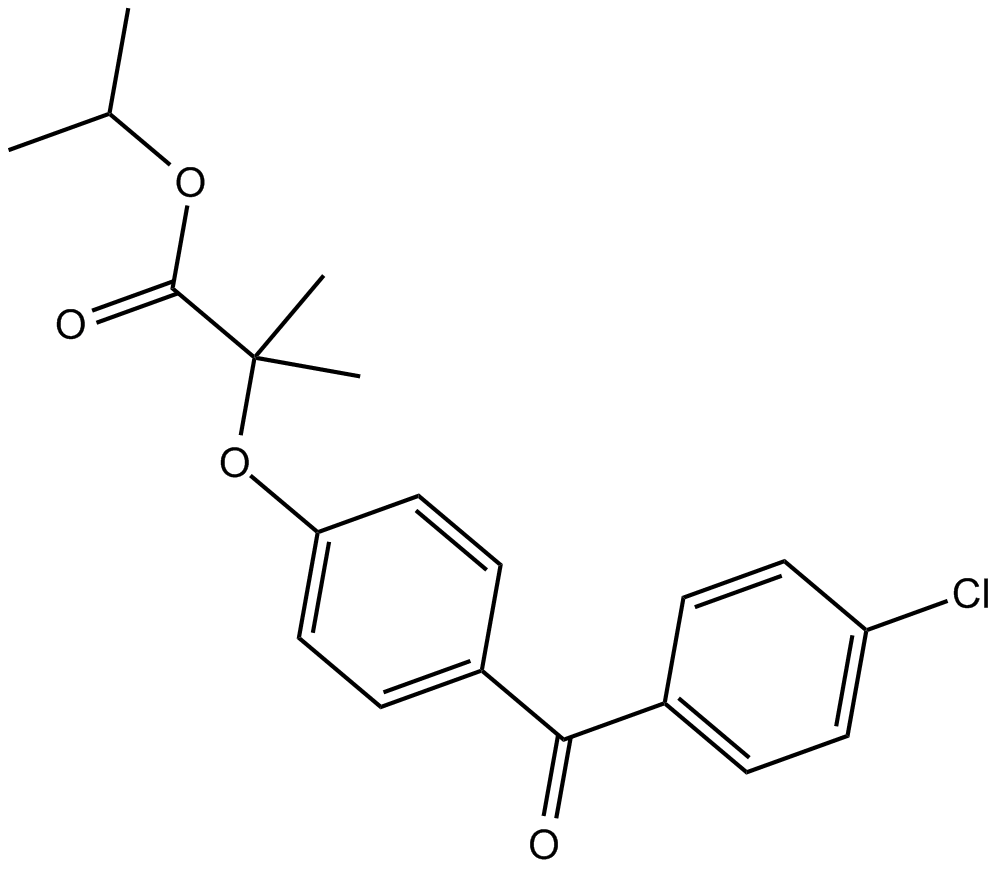 B1943 Fenofibrate1 CitationSummary: PPARα agonist
 -
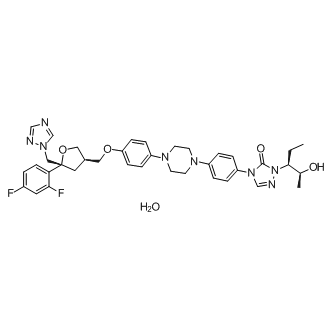 B1225 Posaconazole hydrateSummary: C14ɑ demethylase inhibitor
 -
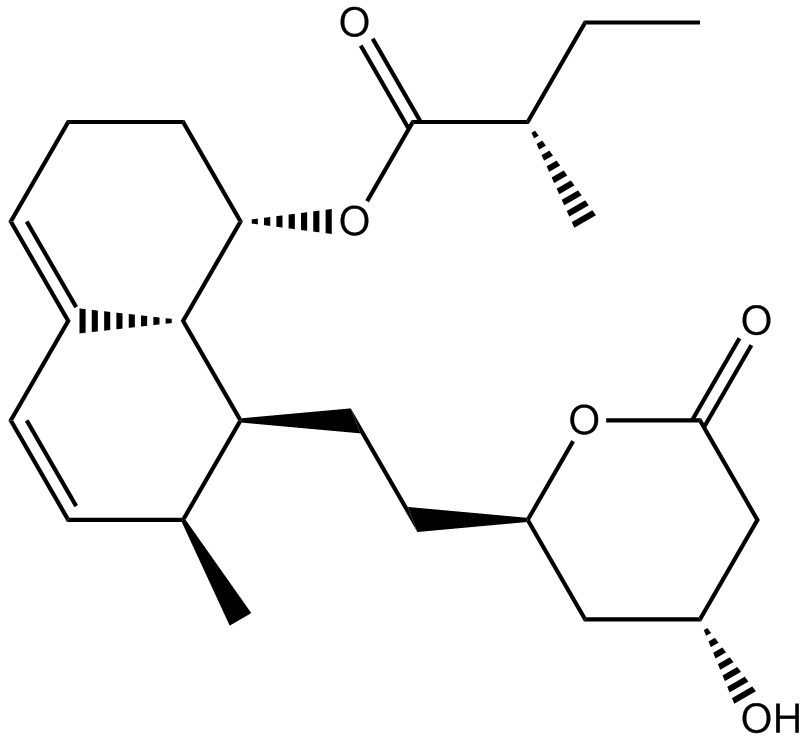 B1788 MevastatinTarget: HMG-CoA ReductasesSummary: HMG-CoA reductase inhibitor
 -
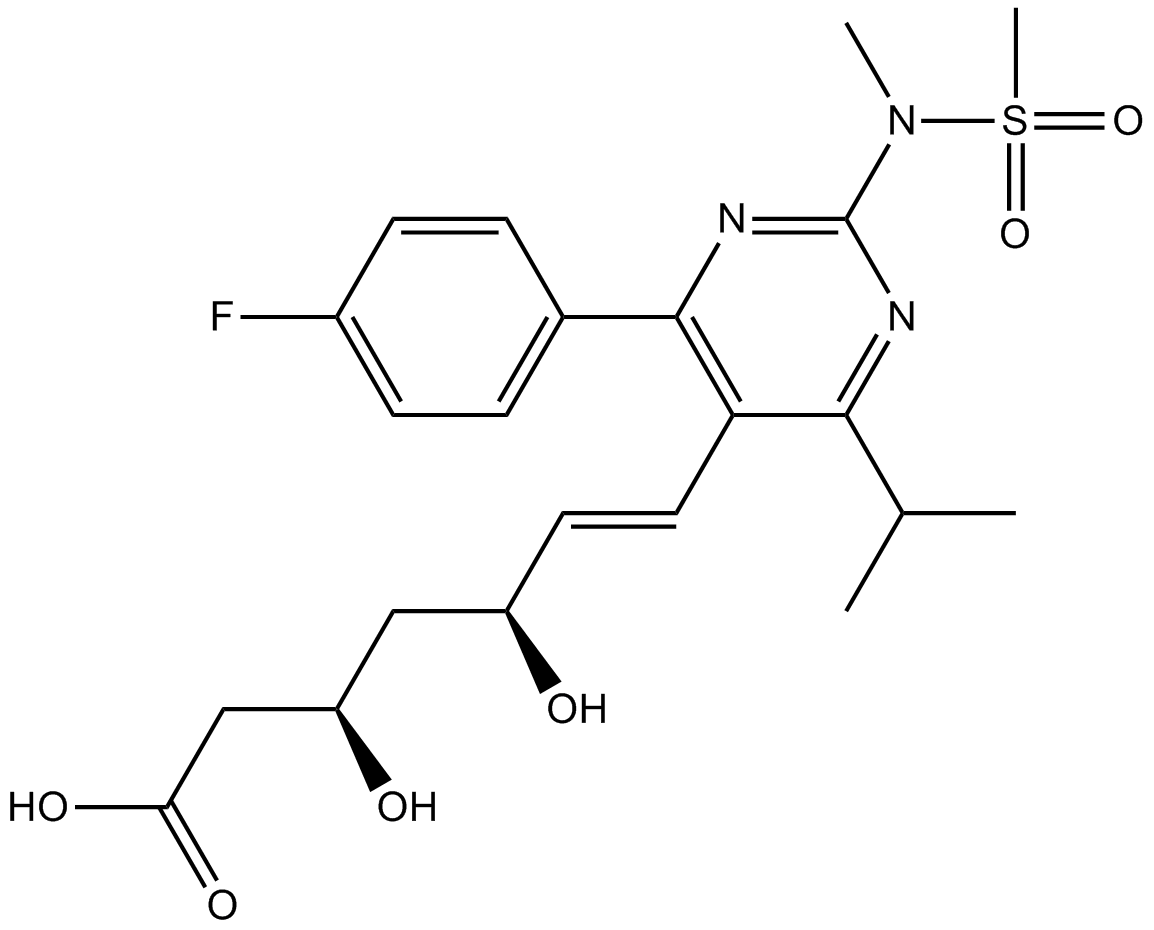 B1123 RosuvastatinSummary: Competitive inhibitor of HMG-CoA reductase
 -
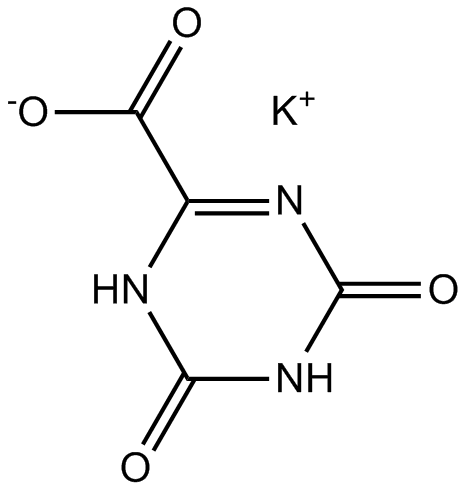 B1154 Oxonic acid potassium saltSummary: Uricase inhibitor
 -
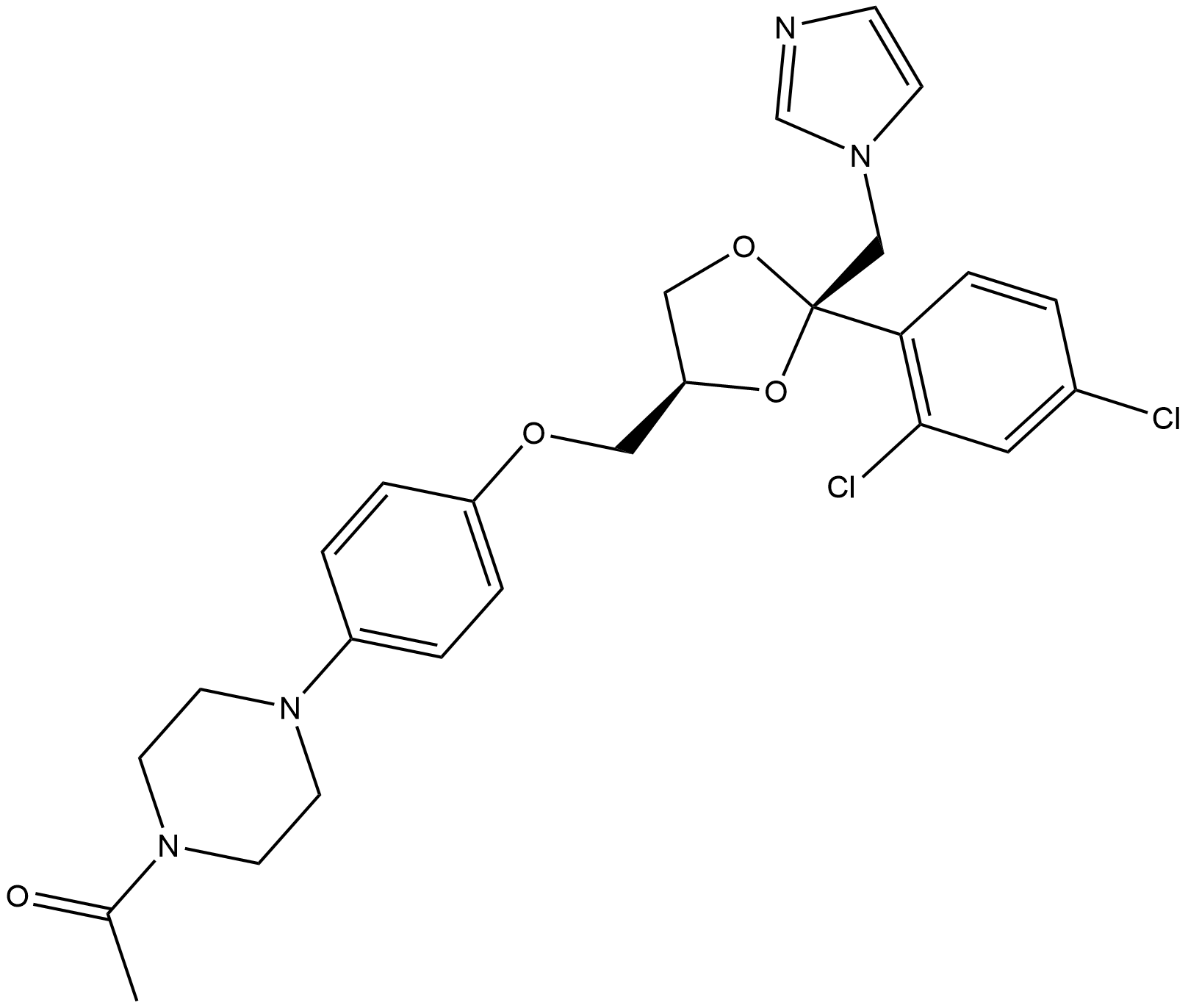 B1240 (+)-KetoconazoleSummary: Potent inhibitor of cytochrome P450c17