


Metabolism
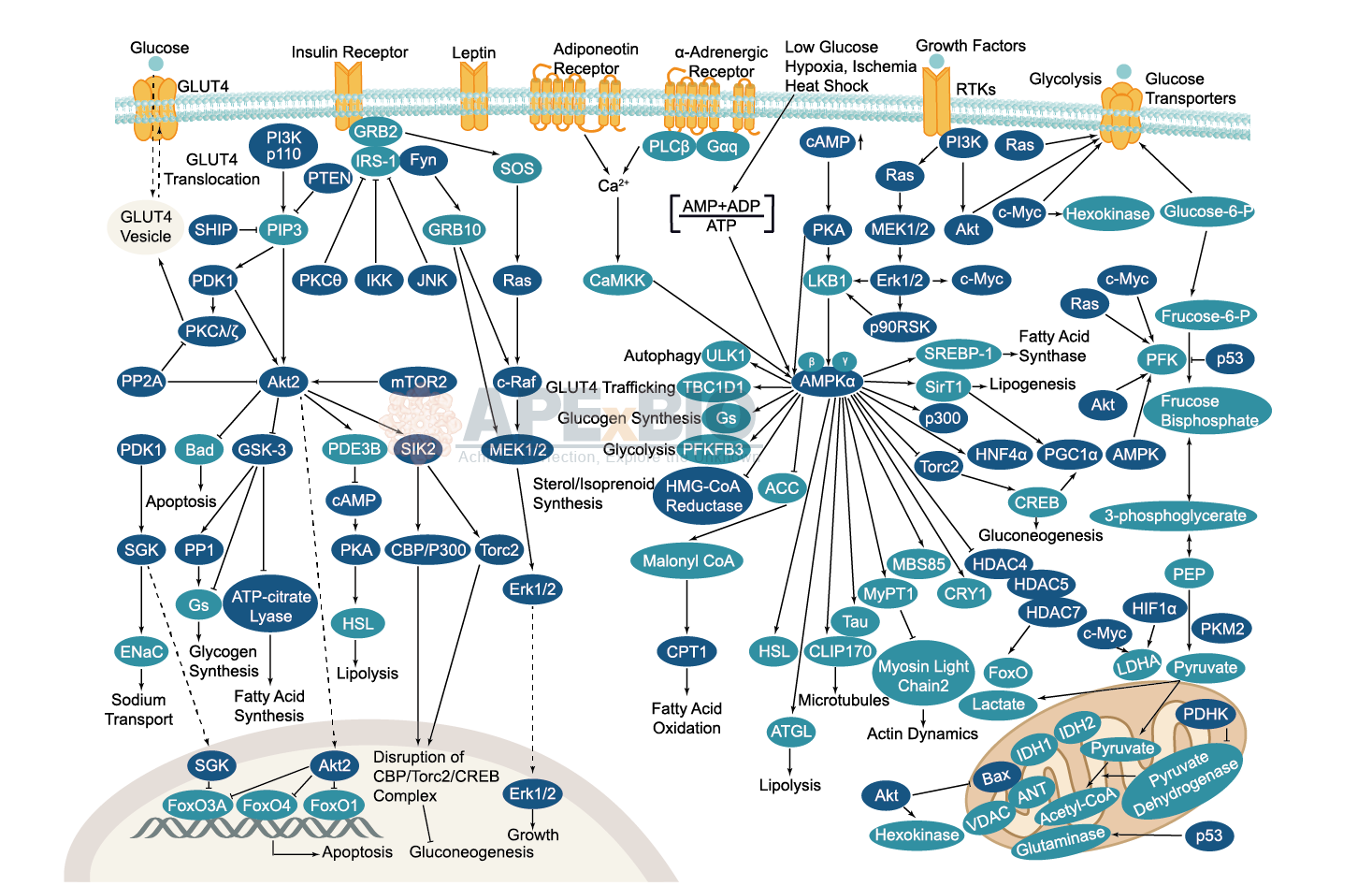
Serine/threonine kinase AMPK upregulates glucose uptake by promoting the expression and function of glucose transporters. AMPK is activated by increased AMP/ATP ratio, resulting from cellular and environmental stress, e.g. low glucose, heat shock, hypoxia and ischemia. AMPK activation positively modulates signaling transductions that refill ATP levels. Moreover, it also stimulates catabolic processes such as fatty acid oxidation and glycolysis through inhibition of ACC and activation of PFK2. AMPK negatively regulates various proteins which are important to ATP-consuming mechanisms, e.g. mTORC2, glycogen synthase, SREBP-1, and TSC2, causing the downregulation/inhibition of gluconeogenesis and glycogen, lipid and protein synthesis.
-
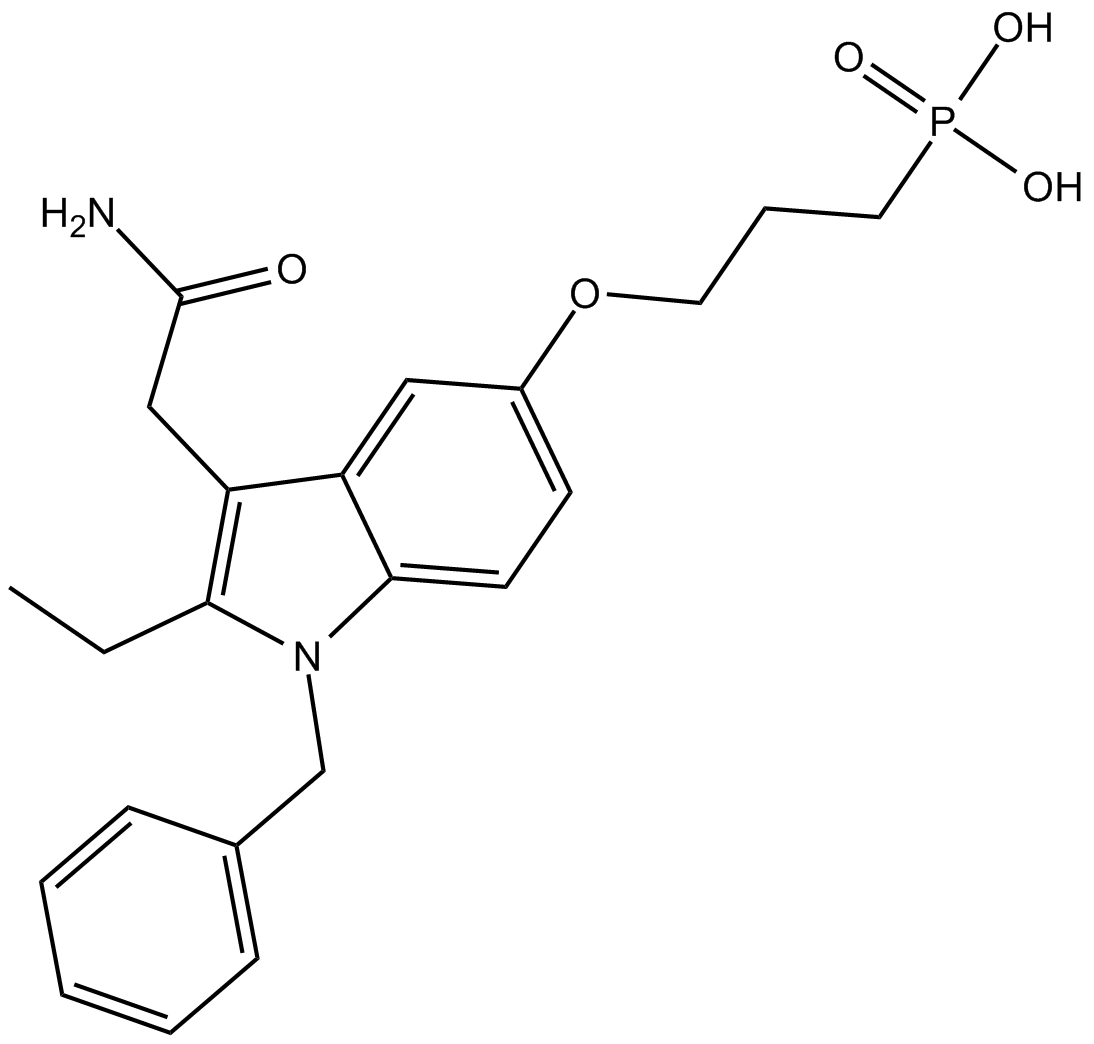 B7447 LY 311727Summary: secreted phospholipase A2 (sPLA2) inhibitor
 -
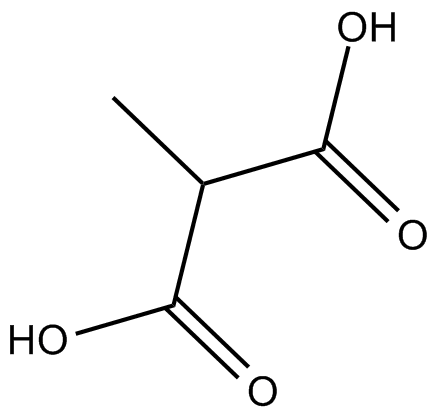 B7725 MethylmalonateSummary: reversible succinate dehydrogenase inhibitor
 -
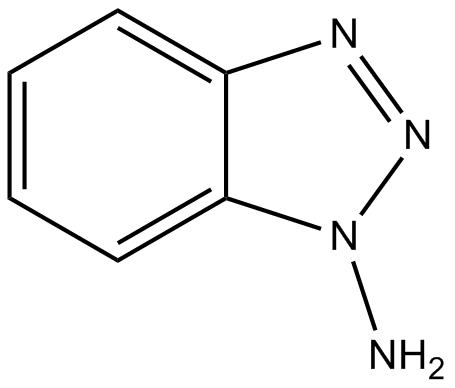 B7737 ABTSummary: Cytochrome P450 inhibitor
 -
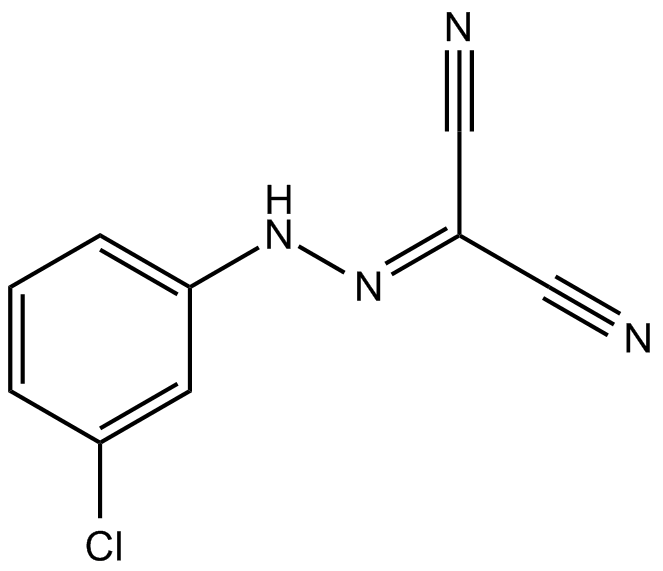 B5003 CCCP3 CitationSummary: uncoupler of oxidative phosphorylation
 -
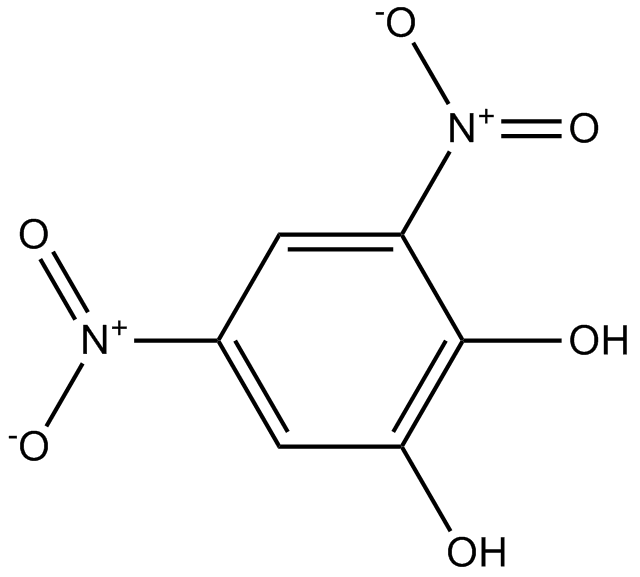 B5006 OR-486Summary: inhibitor of catechol-O-methyl-transferase
 -
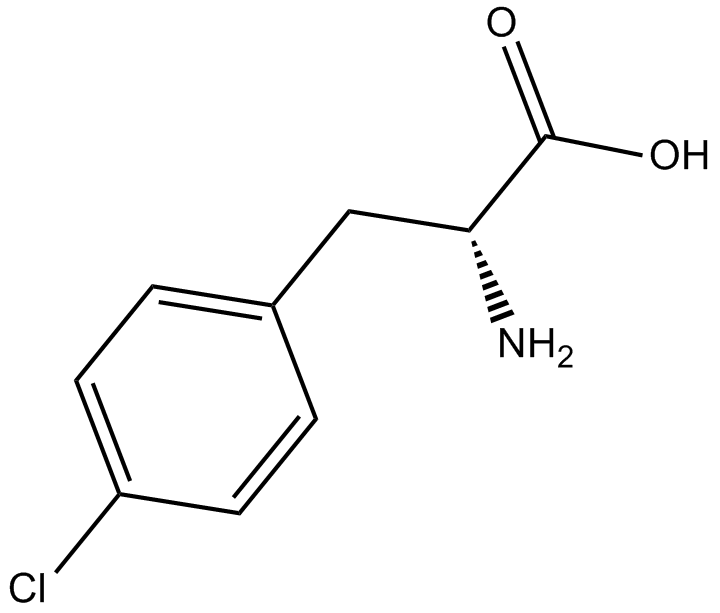 B5036 4-Chloro-DL-phenylalanineSummary: A compound that irreversibly binds to tryptophan hydroxylase
 -
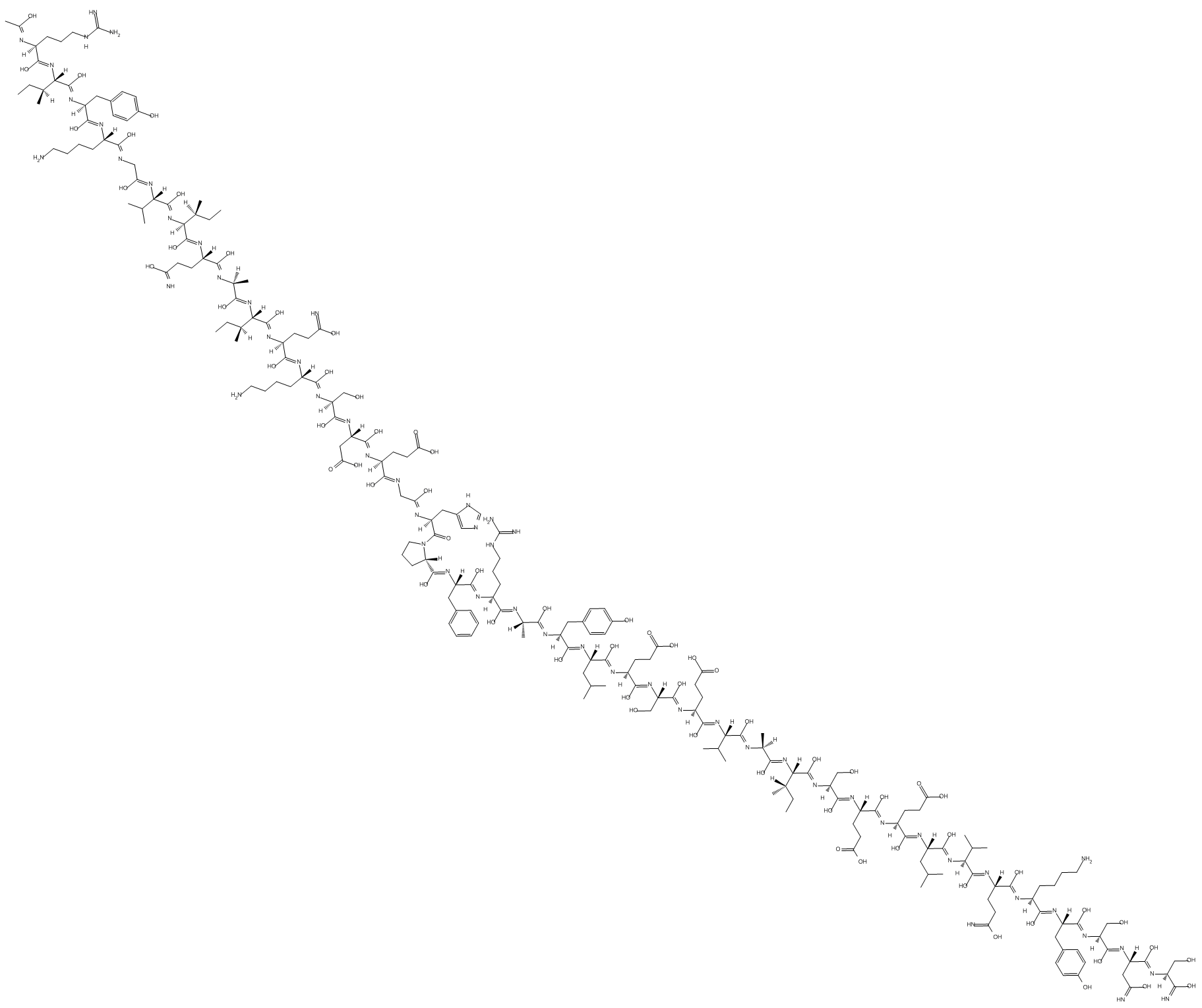 B5247 Nogo-66 (1-40)Summary: competitive antagonist at the Nogo-66 receptor (NgR)
 -
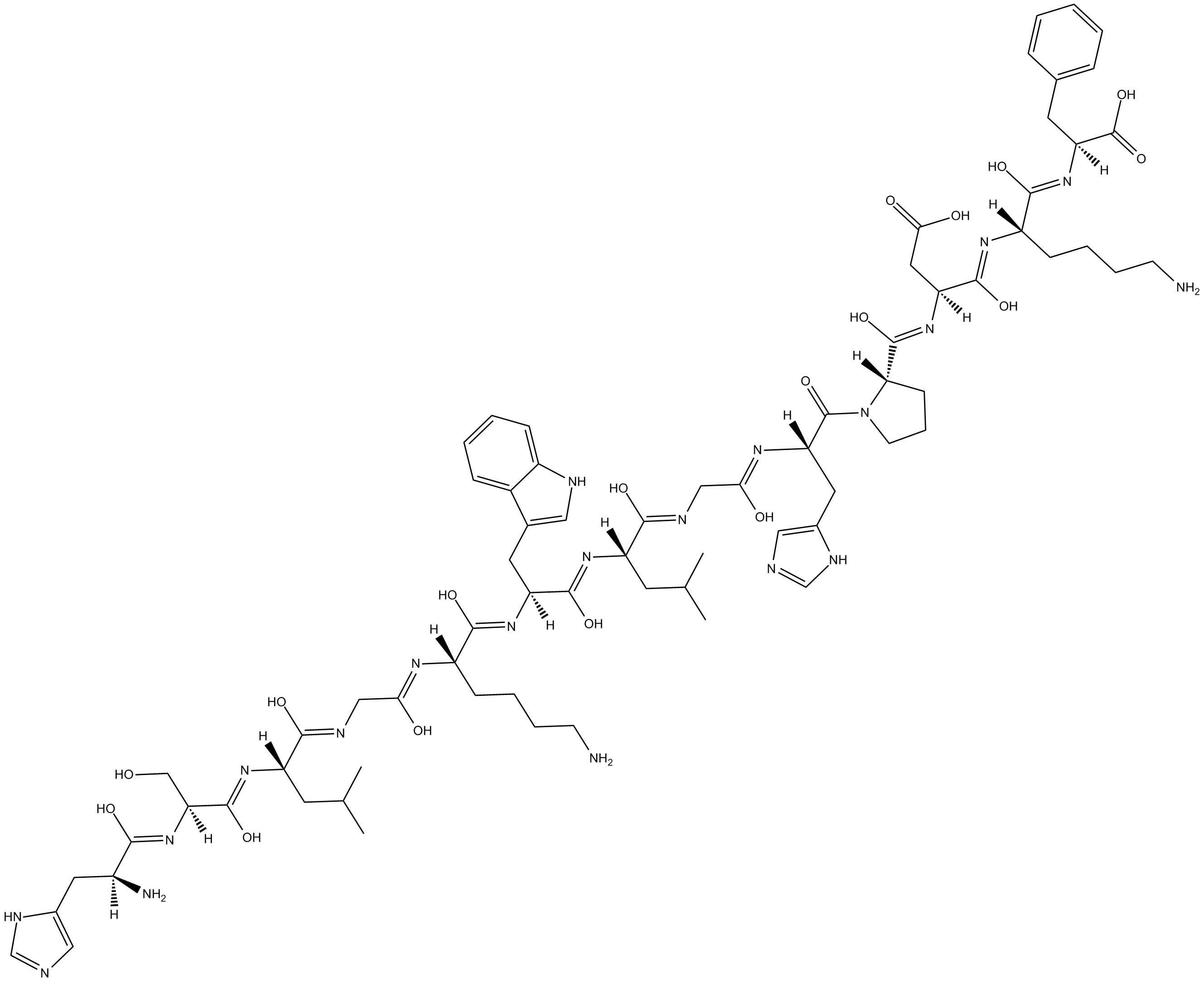 B5315 PLP (139-151)Summary: Synthetic myelin proteolipid protein (PLP) fragment
 -
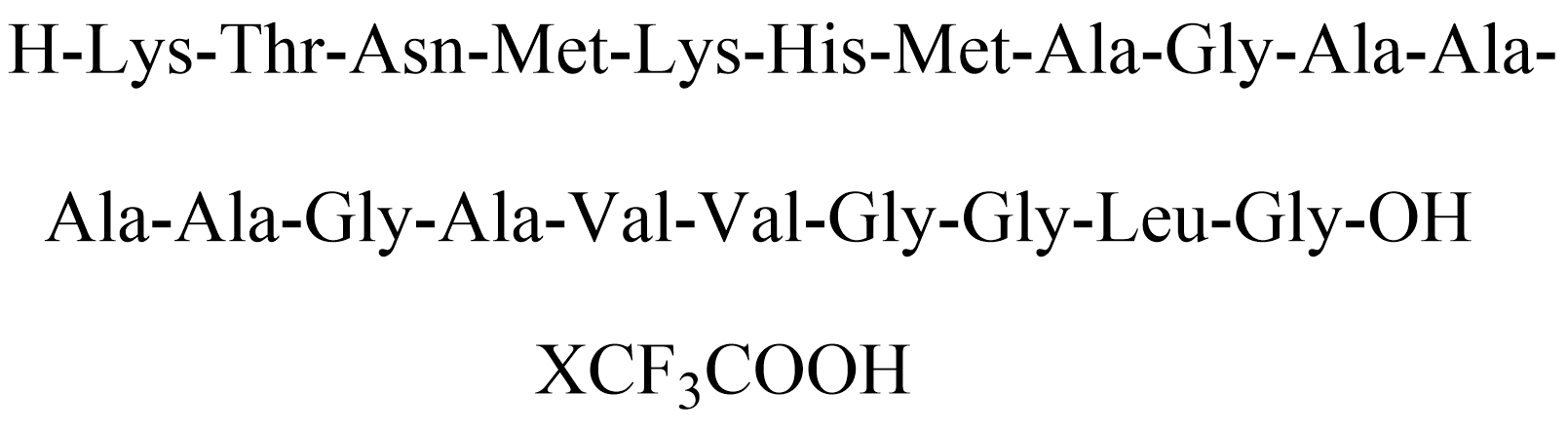 B5433 Prion Protein 106-126 (human) TFASummary: Prion peptide fragment that exhibits neurotoxicity
 -
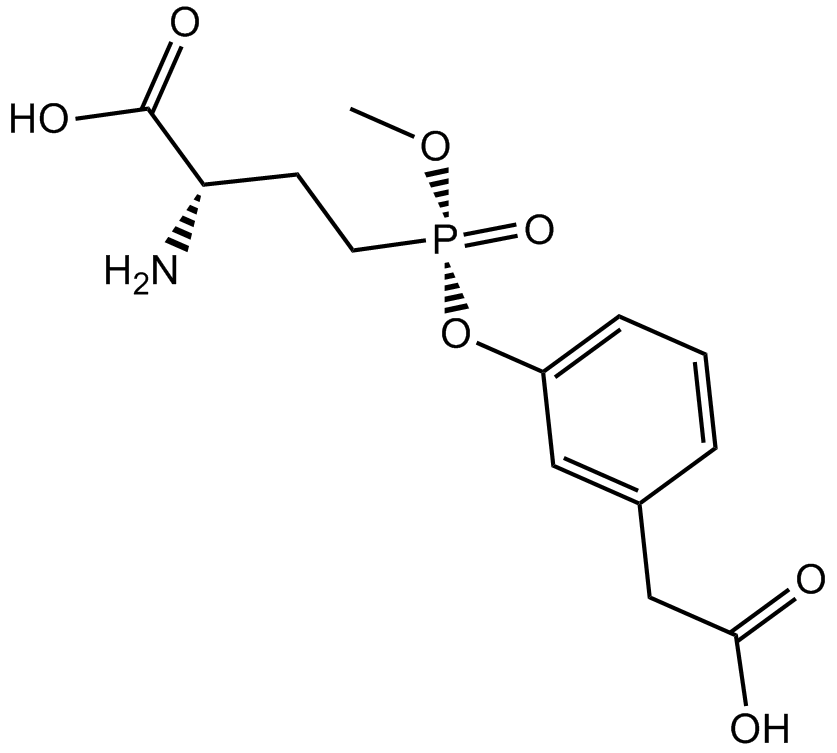 B5602 GGsTopSummary: γ-glutamyl transpeptidase (GGT) inhibitor, novel and irreversible