


Metabolism
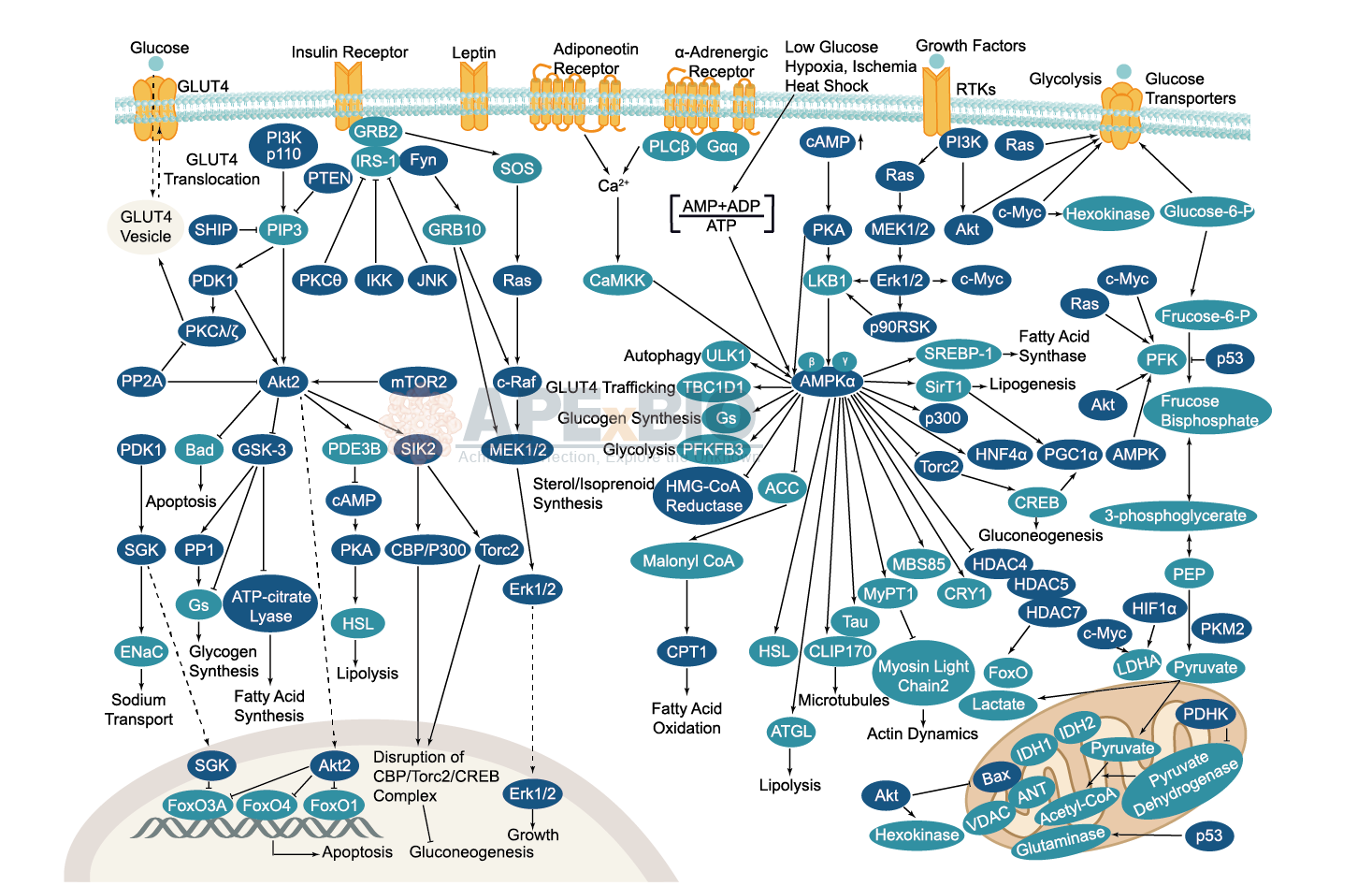
Serine/threonine kinase AMPK upregulates glucose uptake by promoting the expression and function of glucose transporters. AMPK is activated by increased AMP/ATP ratio, resulting from cellular and environmental stress, e.g. low glucose, heat shock, hypoxia and ischemia. AMPK activation positively modulates signaling transductions that refill ATP levels. Moreover, it also stimulates catabolic processes such as fatty acid oxidation and glycolysis through inhibition of ACC and activation of PFK2. AMPK negatively regulates various proteins which are important to ATP-consuming mechanisms, e.g. mTORC2, glycogen synthase, SREBP-1, and TSC2, causing the downregulation/inhibition of gluconeogenesis and glycogen, lipid and protein synthesis.
-
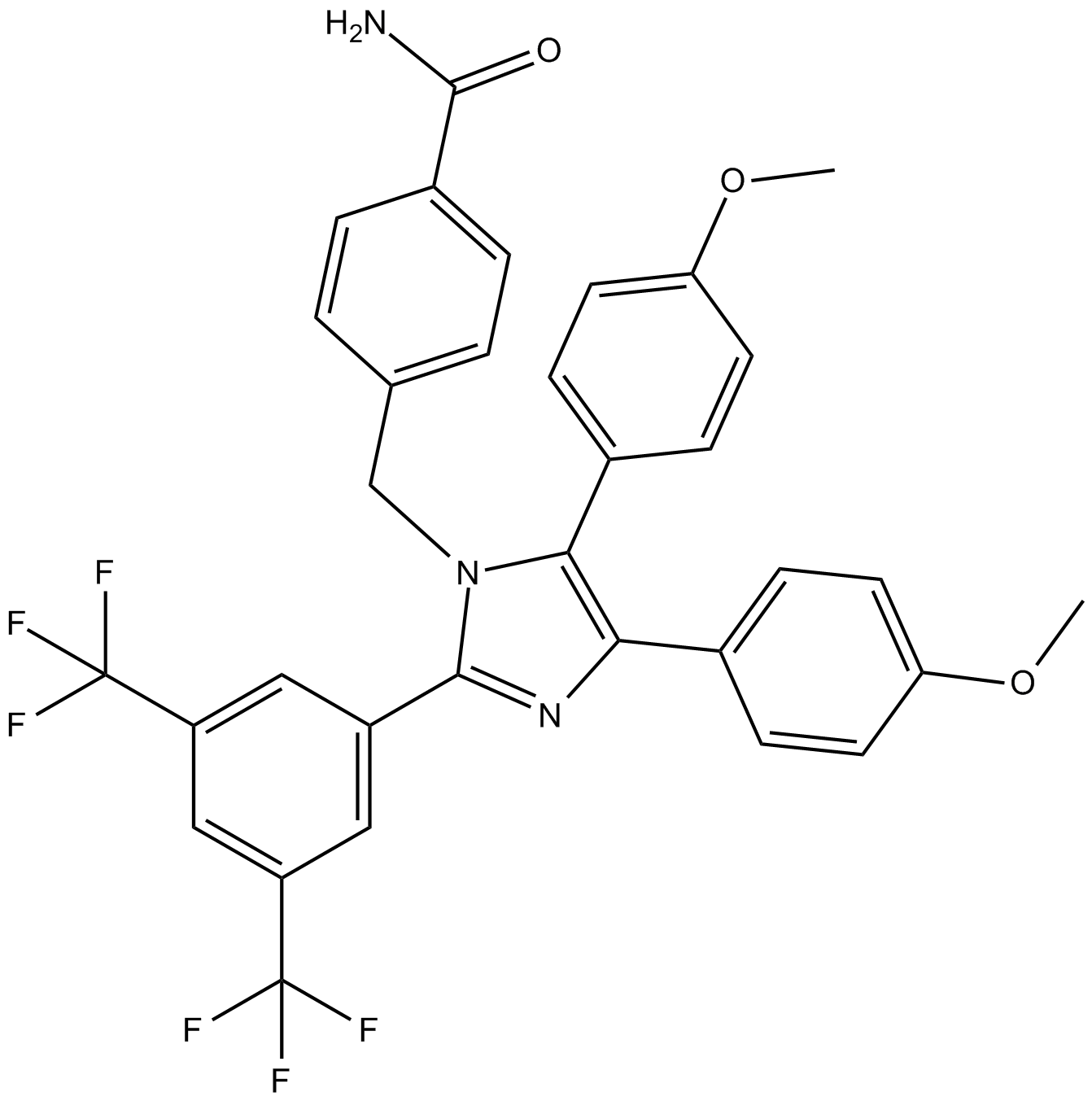 C4803 Apoptozole2 CitationSummary: inhibitor of heat shock protein 70 (Hsp70)
 -
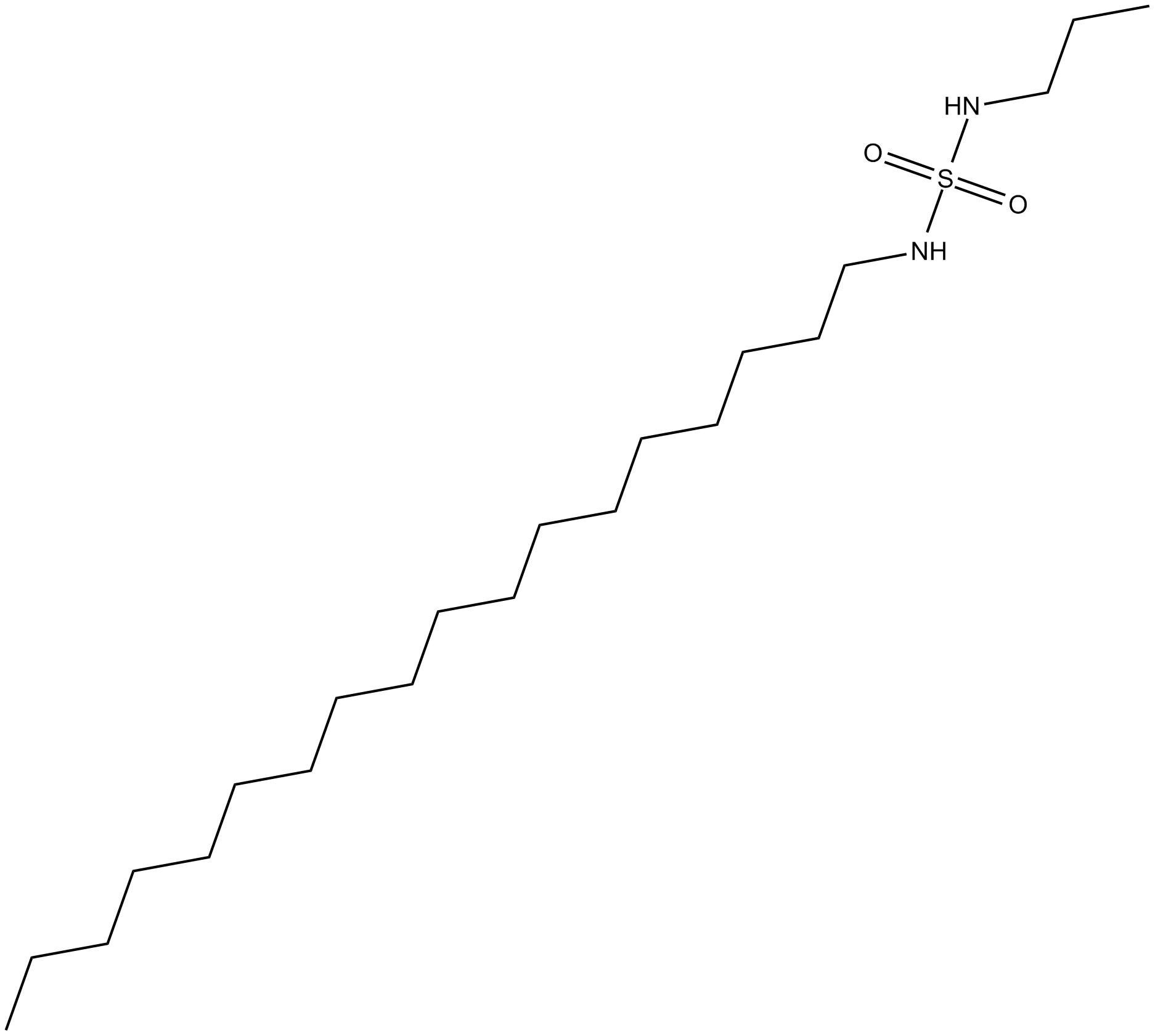 C4735 N-Octadecyl-N'-propyl-sulfamideSummary: activator of PPARα
 -
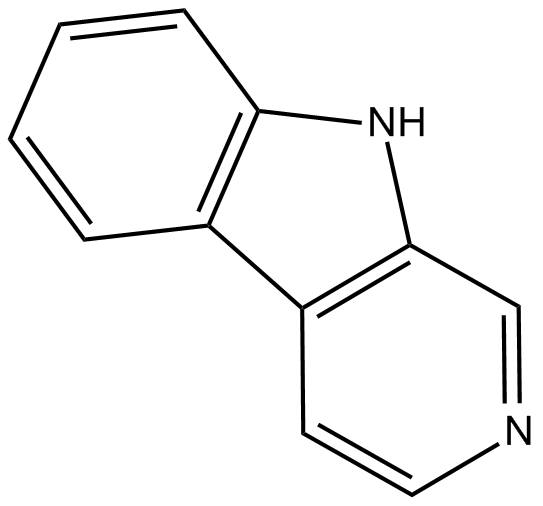 C4982 NorharmaneSummary: inhibitor of indoleamine 2,3-dioxygenase
 -
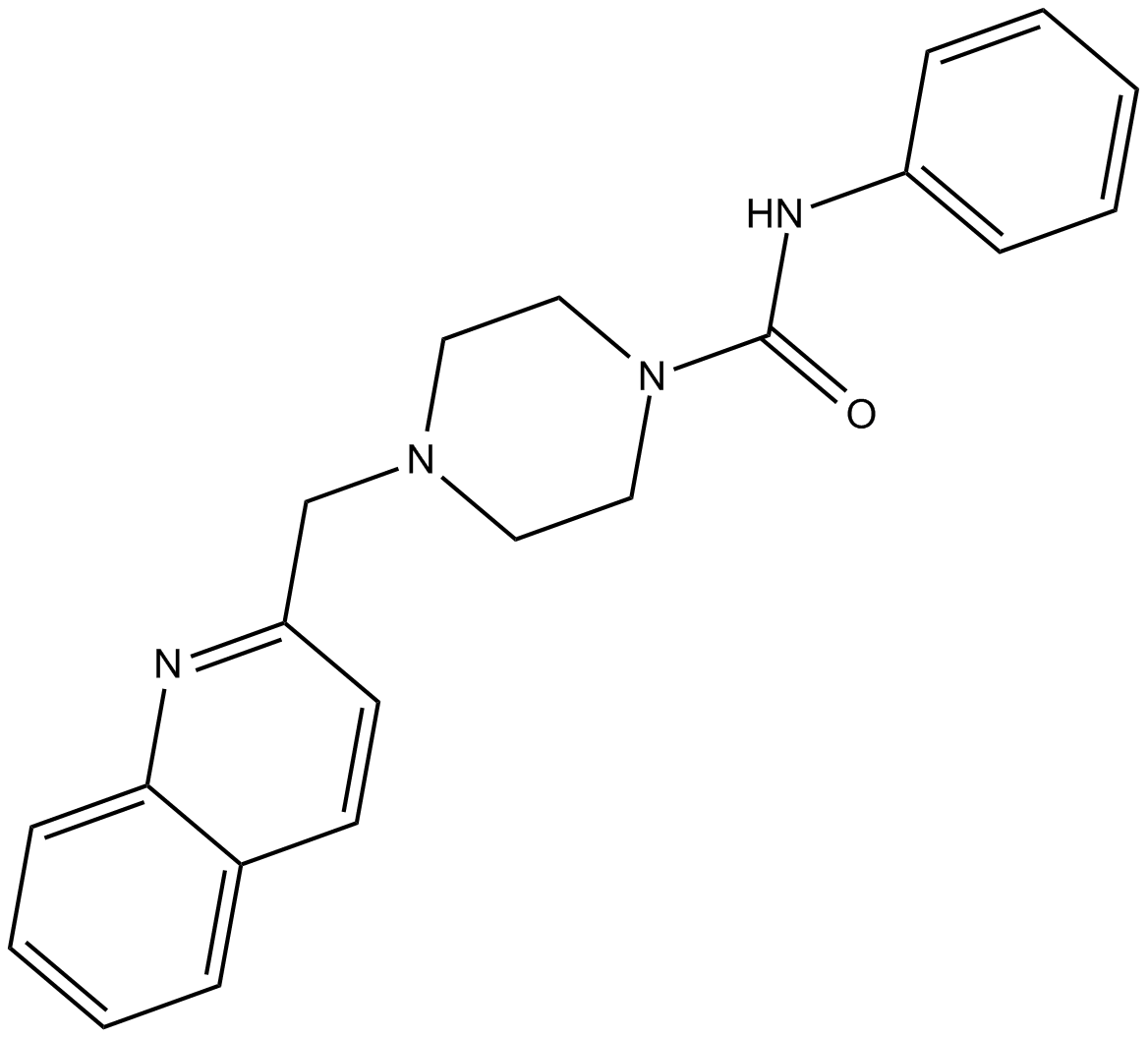 C4756 PF-622Summary: potent, time-dependent, irreversible FAAH inhibitor
 -
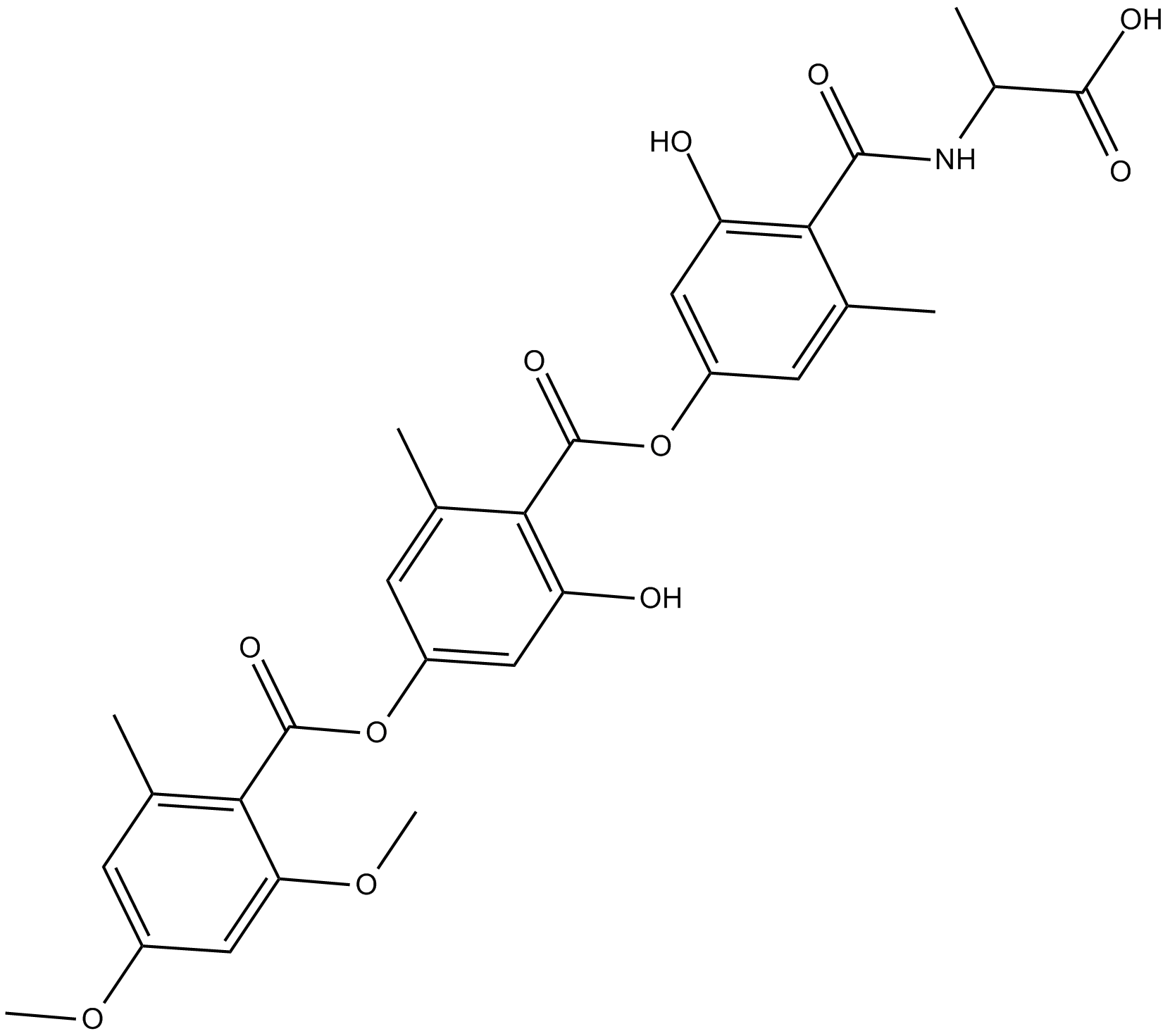 C4872 Amidepsine ASummary: DGAT inhibitor
 -
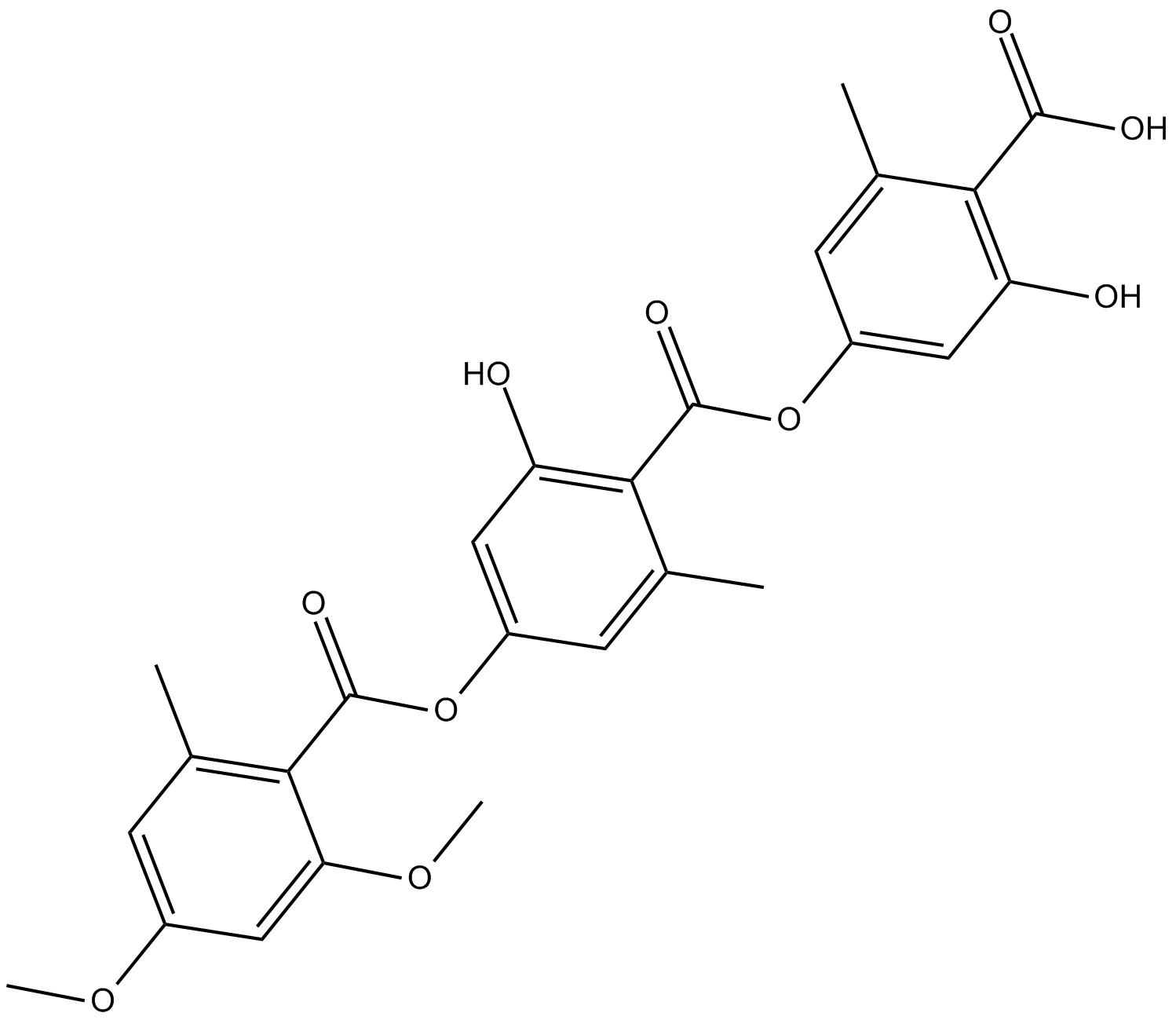 C4875 Amidepsine DSummary: DGAT inhibitor
 -
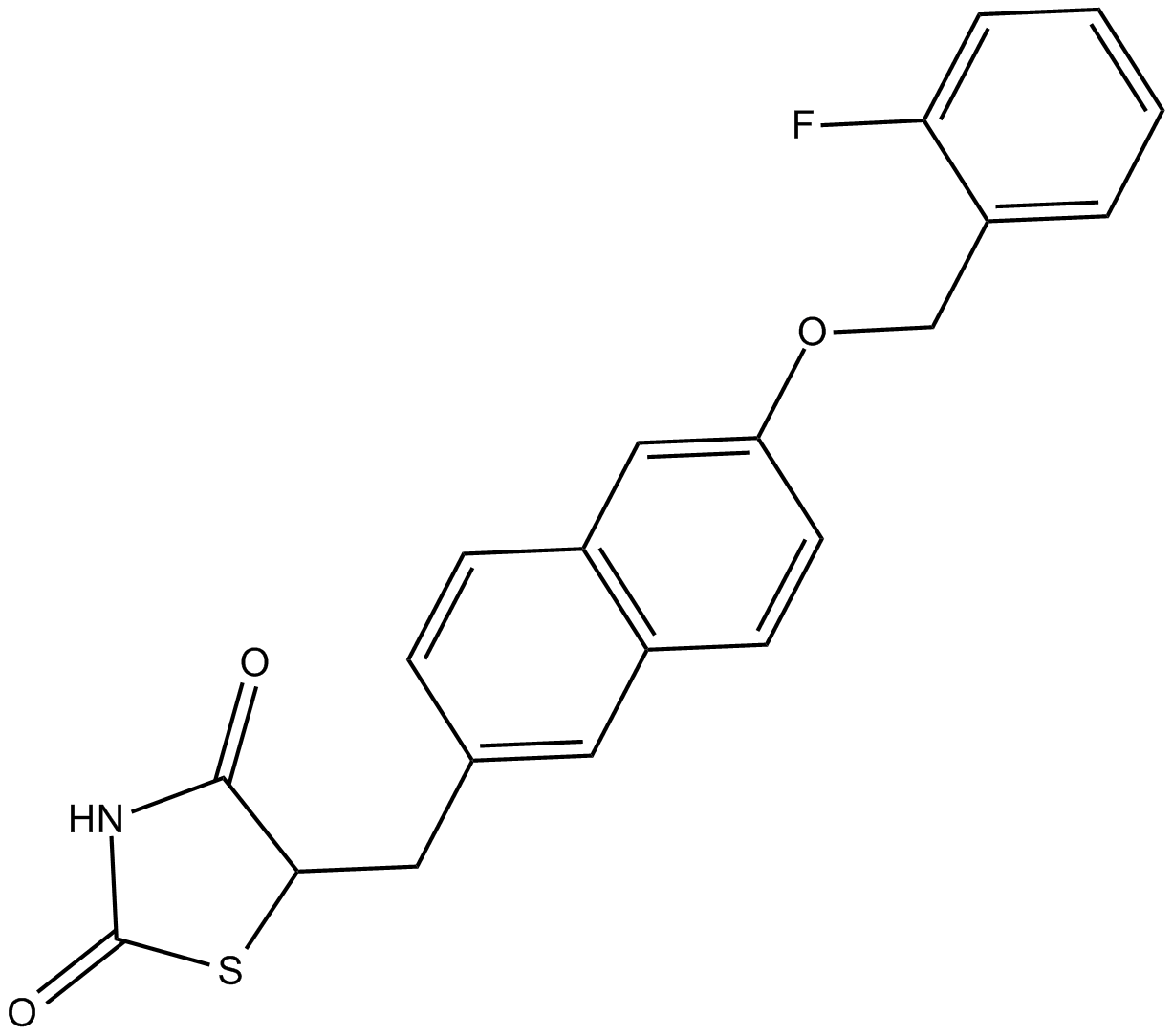 C4892 MCC-555Summary: thiazolidinedione class anti-diabetic compound,a novel PPARα/γ dual ligand
 -
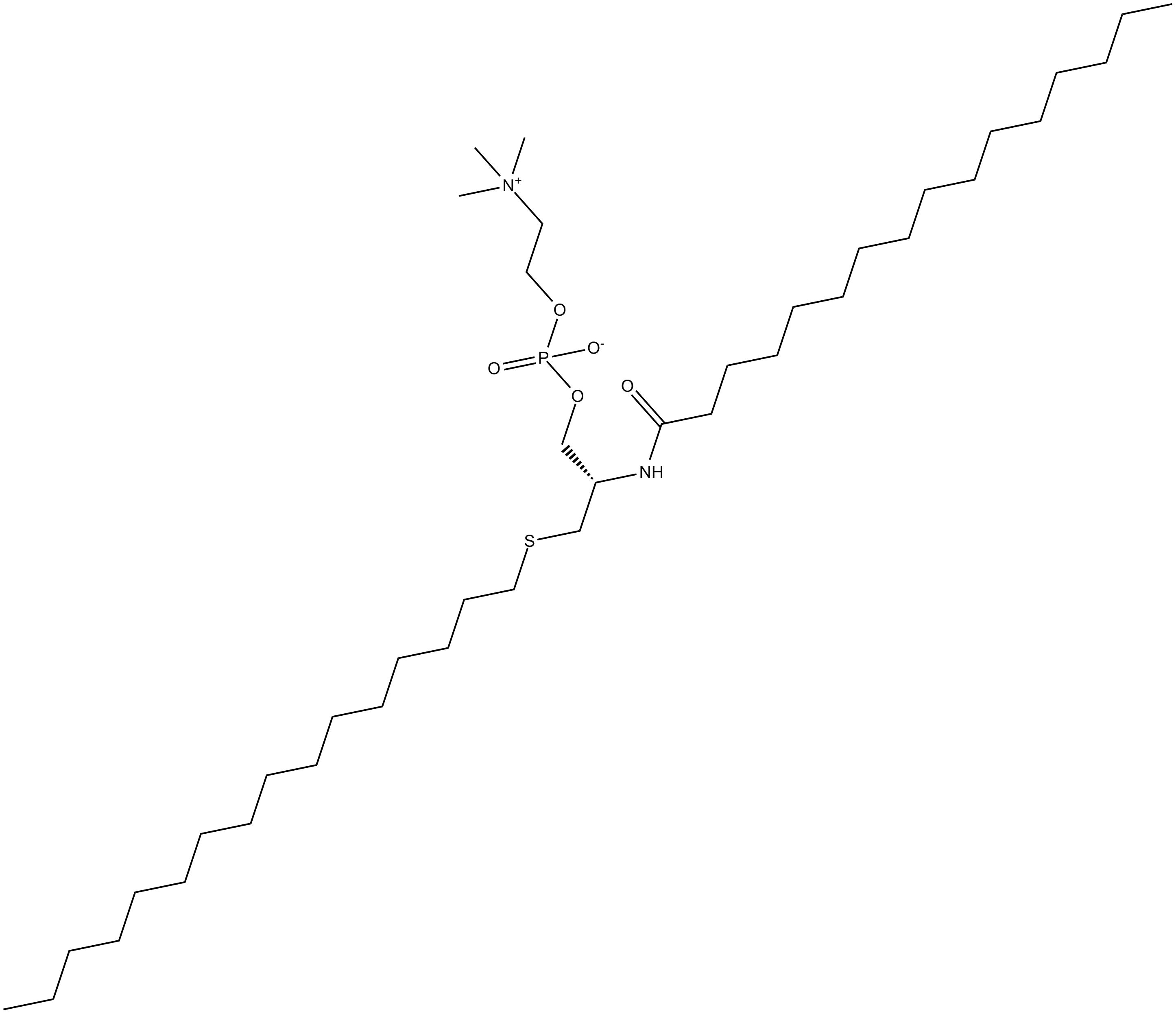 C4894 Thioetheramide-PCSummary: competitive, reversible inhibitor of secretory phospholipase A2 (sPLA2)
 -
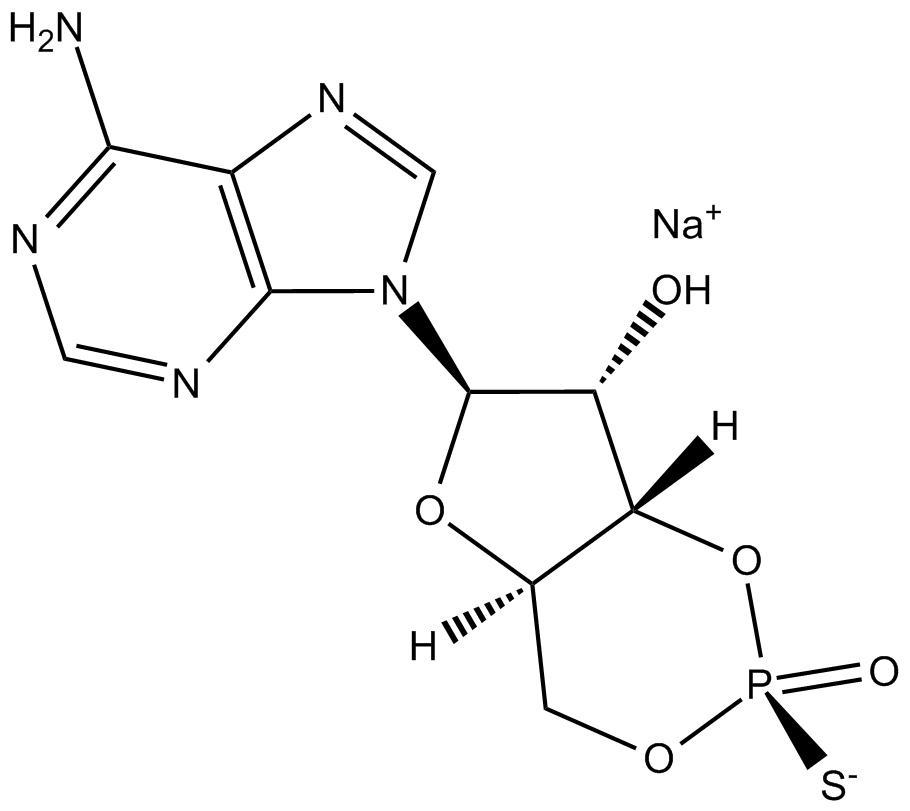 C4942 Sp-Cyclic AMPS (sodium salt)Summary: cAMP derivative used to bind PDE10 GAF domain
 -
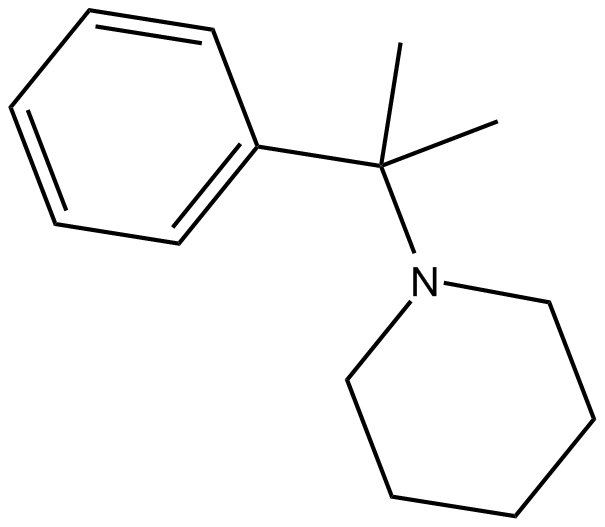 C5047 2-Phenyl-2-(1-piperidinyl)propaneSummary: Mechanism-based inactivator of human cytochrome P450 (CYP) 2B6