


Metabolism
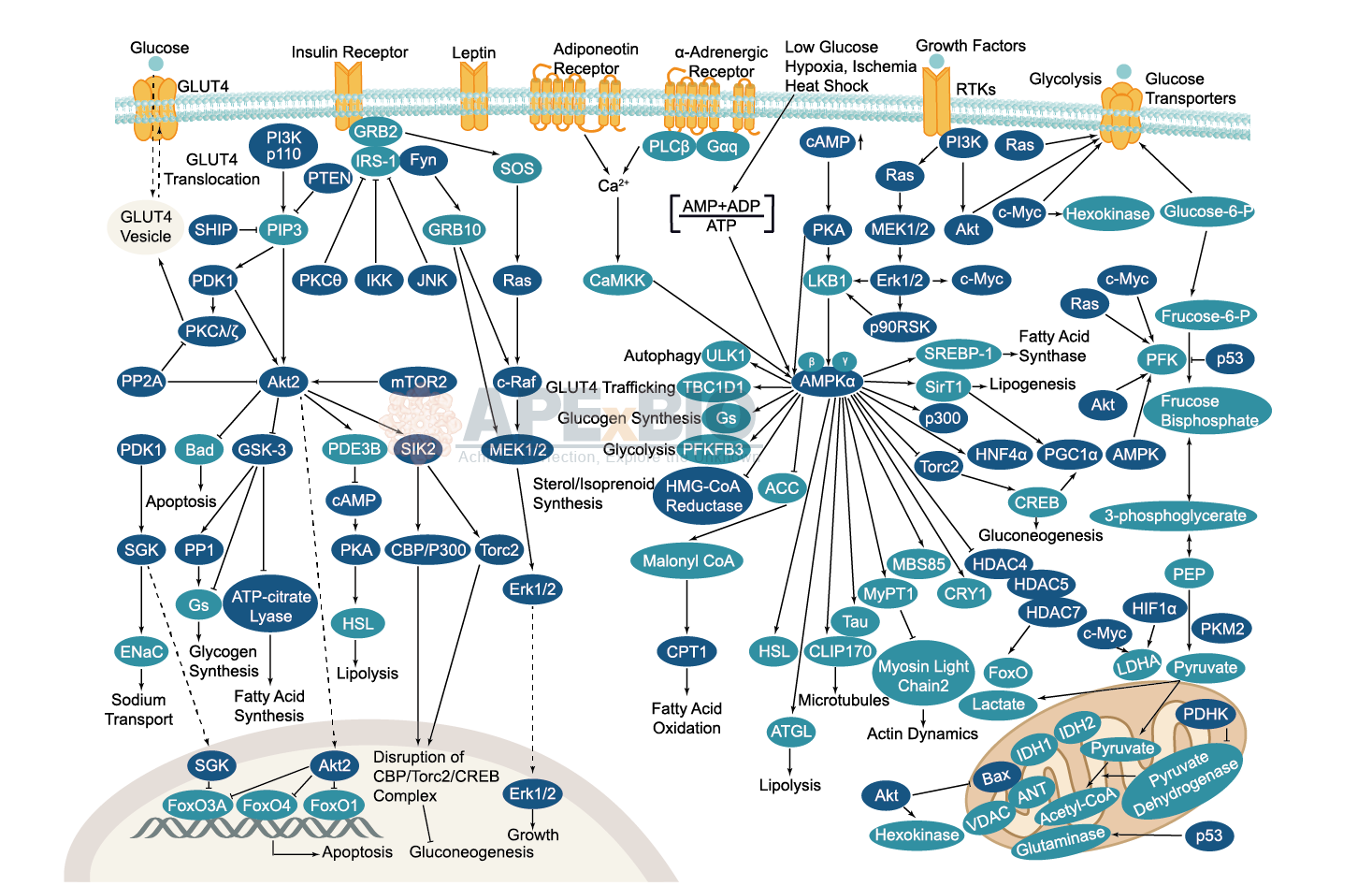
Serine/threonine kinase AMPK upregulates glucose uptake by promoting the expression and function of glucose transporters. AMPK is activated by increased AMP/ATP ratio, resulting from cellular and environmental stress, e.g. low glucose, heat shock, hypoxia and ischemia. AMPK activation positively modulates signaling transductions that refill ATP levels. Moreover, it also stimulates catabolic processes such as fatty acid oxidation and glycolysis through inhibition of ACC and activation of PFK2. AMPK negatively regulates various proteins which are important to ATP-consuming mechanisms, e.g. mTORC2, glycogen synthase, SREBP-1, and TSC2, causing the downregulation/inhibition of gluconeogenesis and glycogen, lipid and protein synthesis.
-
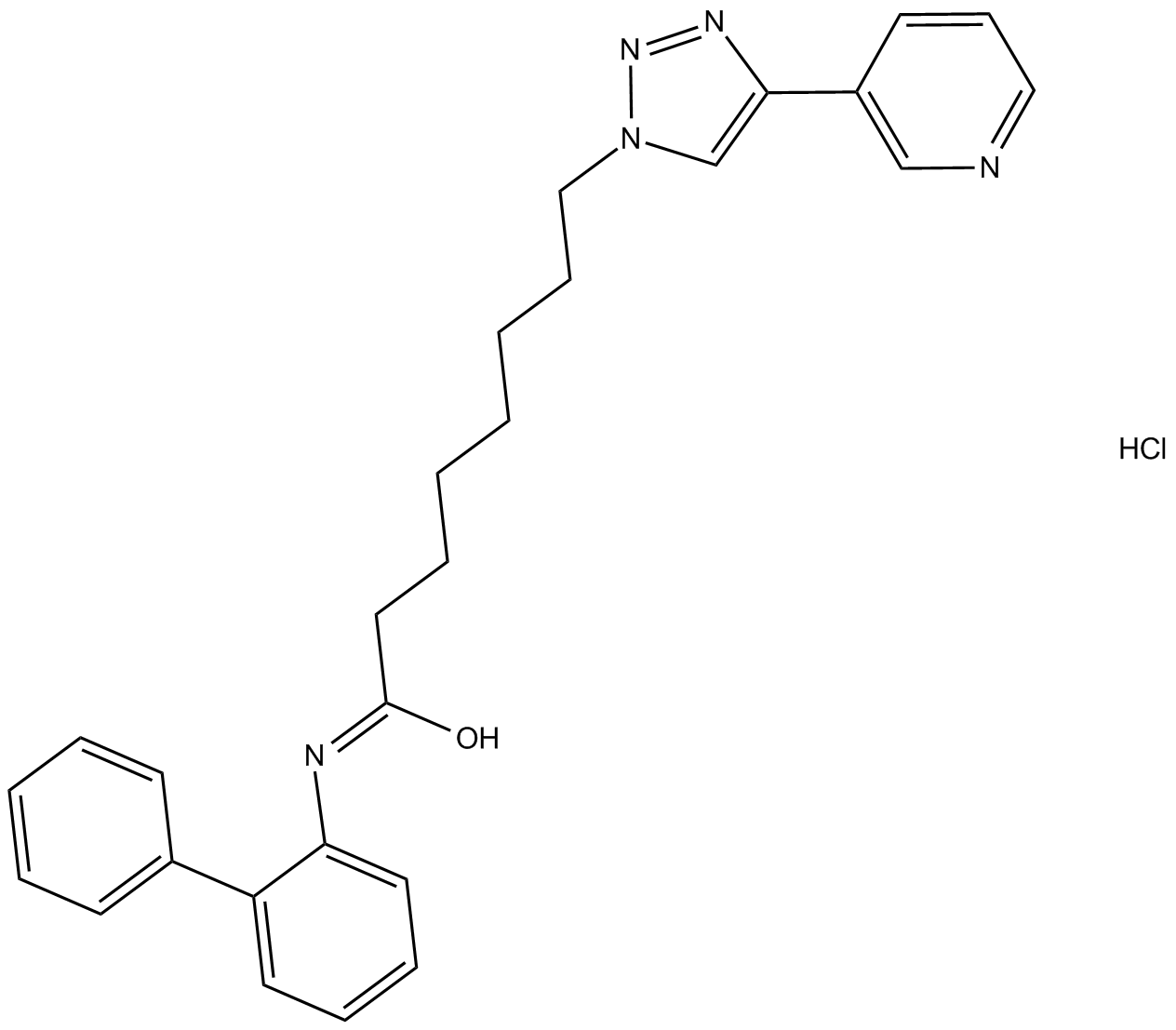 B5729 GPP 78 hydrochlorideSummary: NAMPT inhibitor
 -
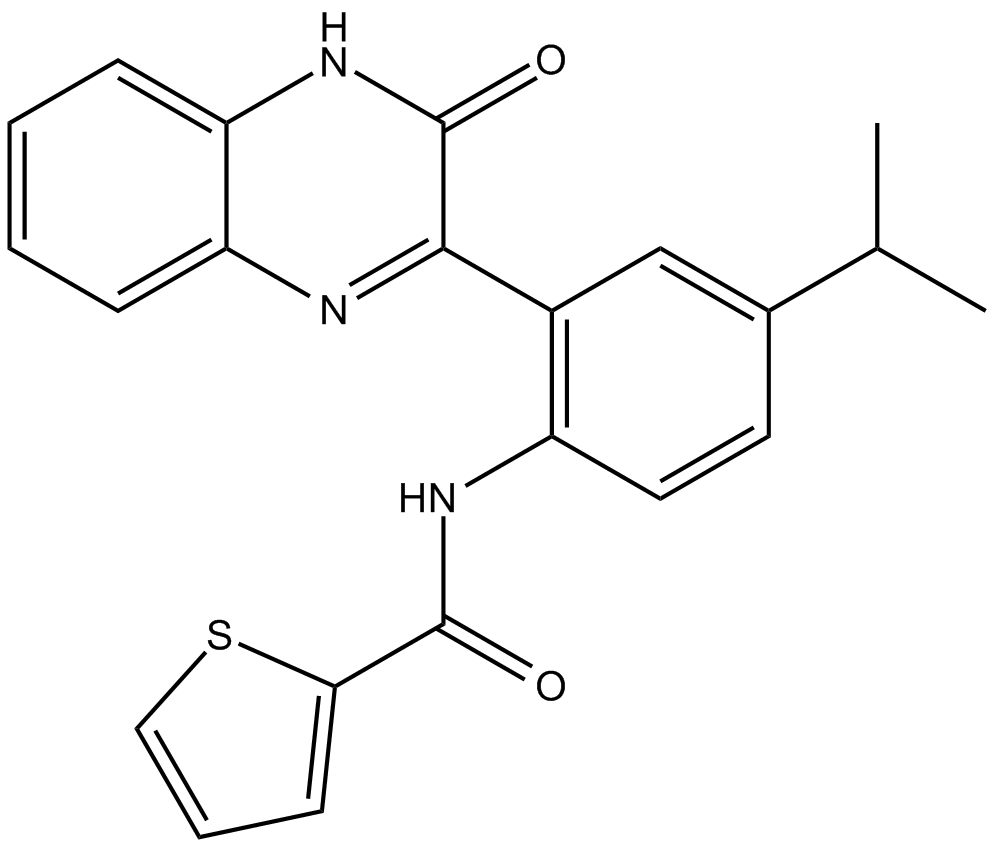 B5750 ML 281Target: STKSummary: serine/threonine kinase STK33 inhibitor
 -
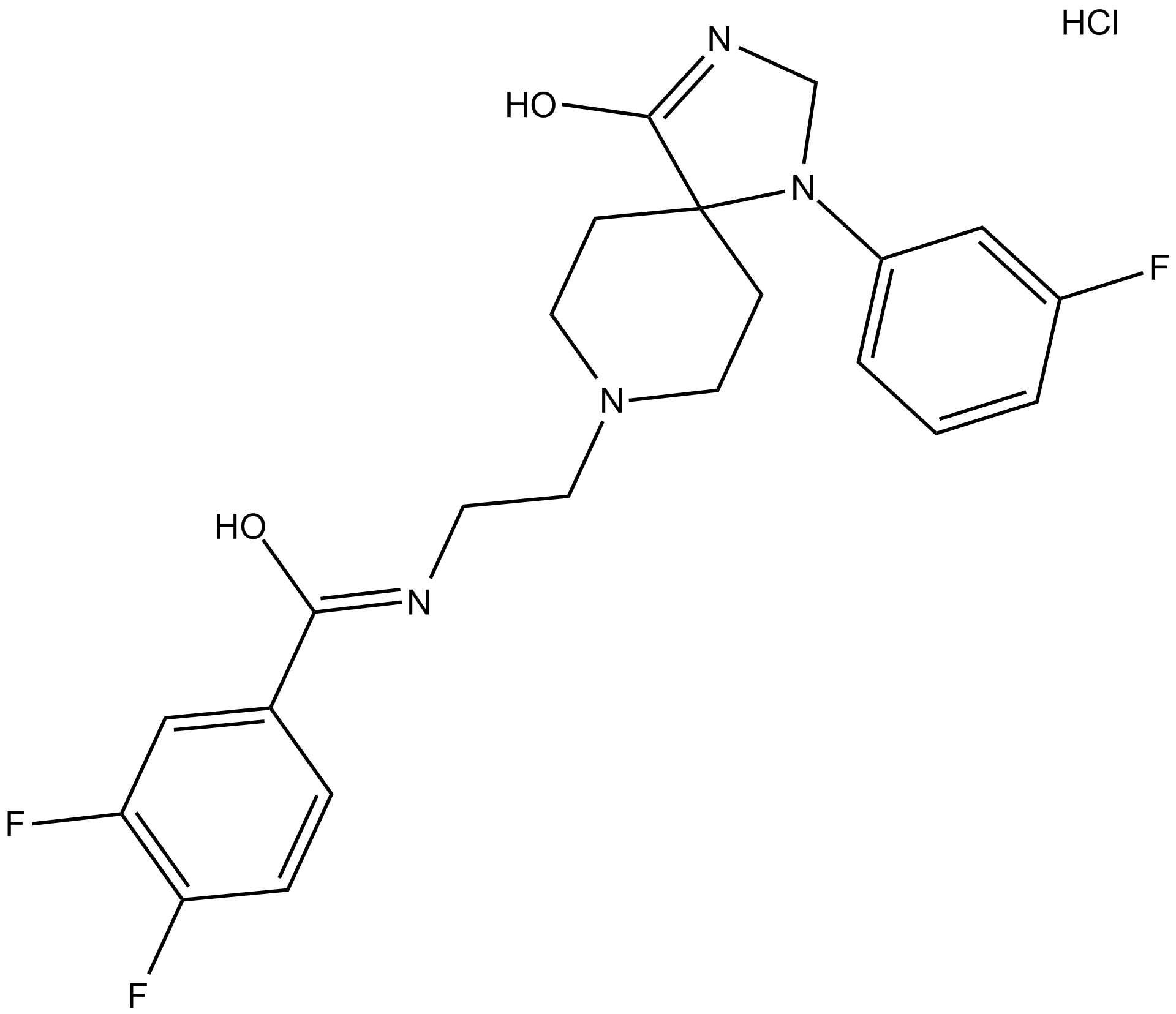 B5754 ML 298 hydrochlorideSummary: phospholipase D2 (PLD2) inhibitor
 -
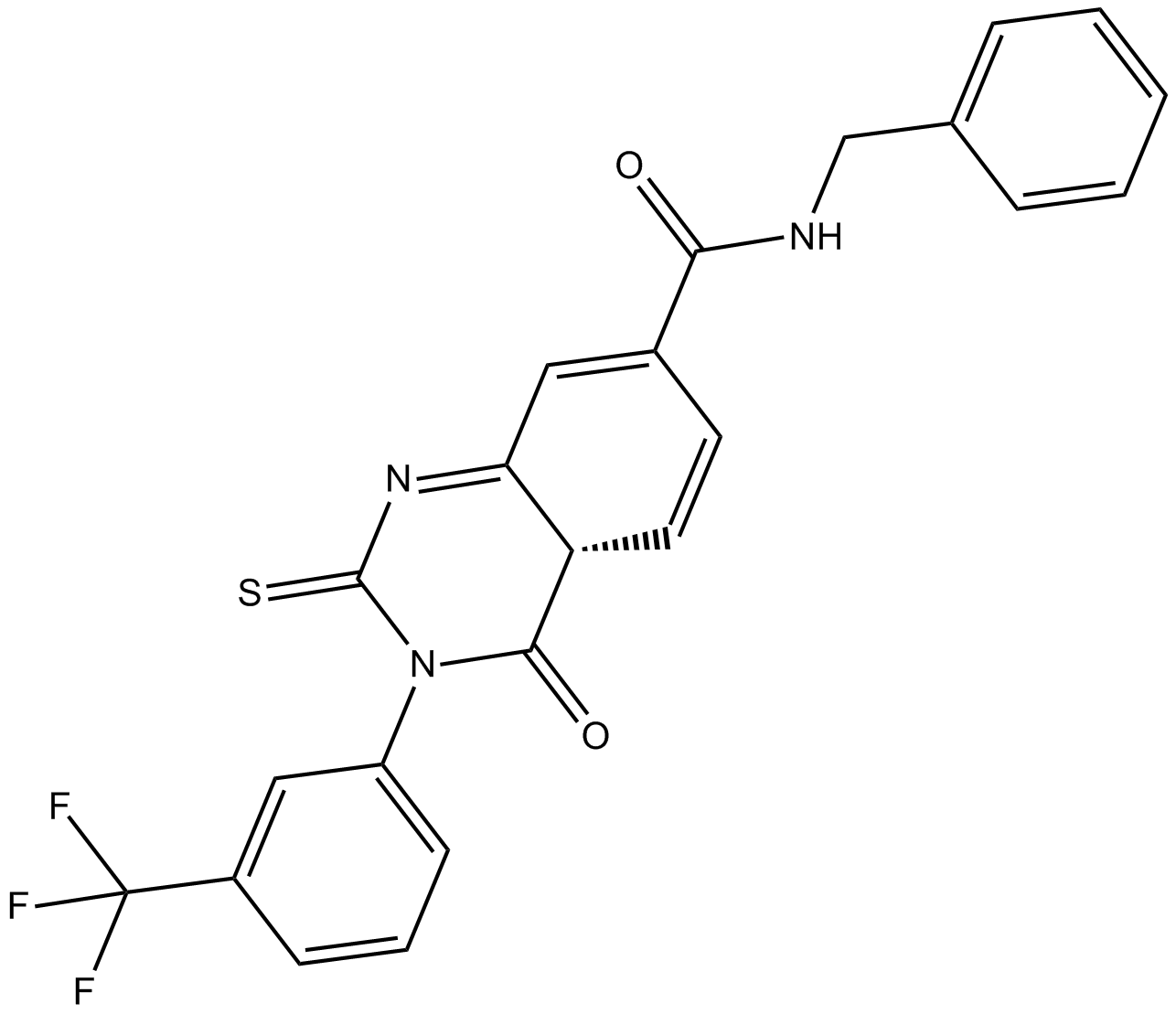 B5799 Qc 1Summary: threonine dehydrogenase (TDH) inhibitor
 -
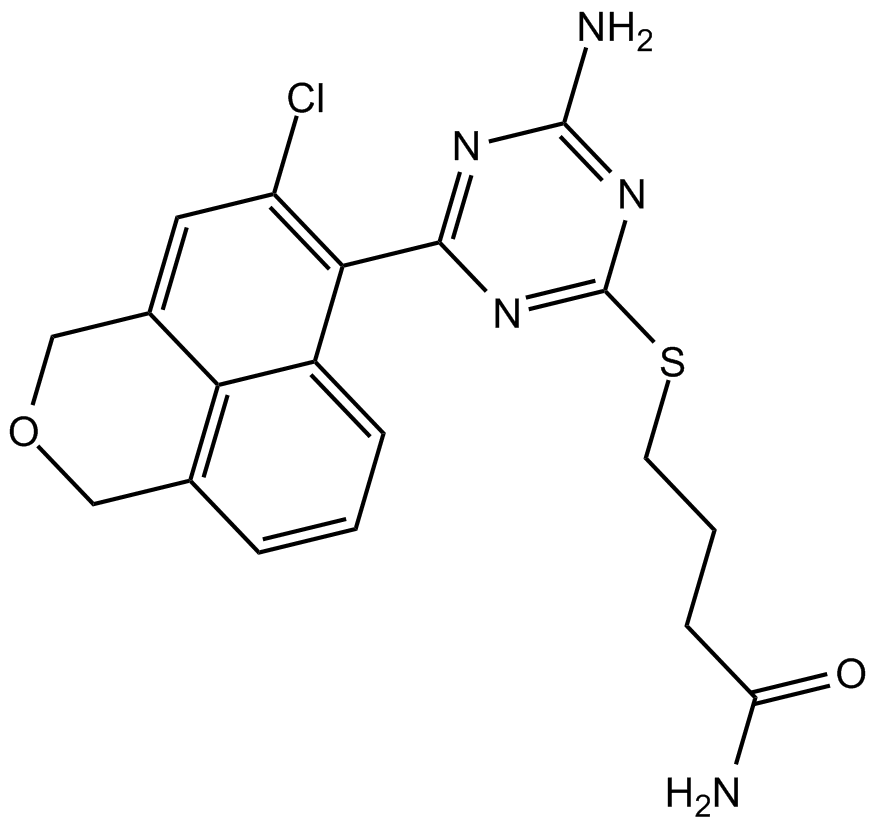 B4571 CH5138303Summary: Hsp90 inhibitor, orally available
 -
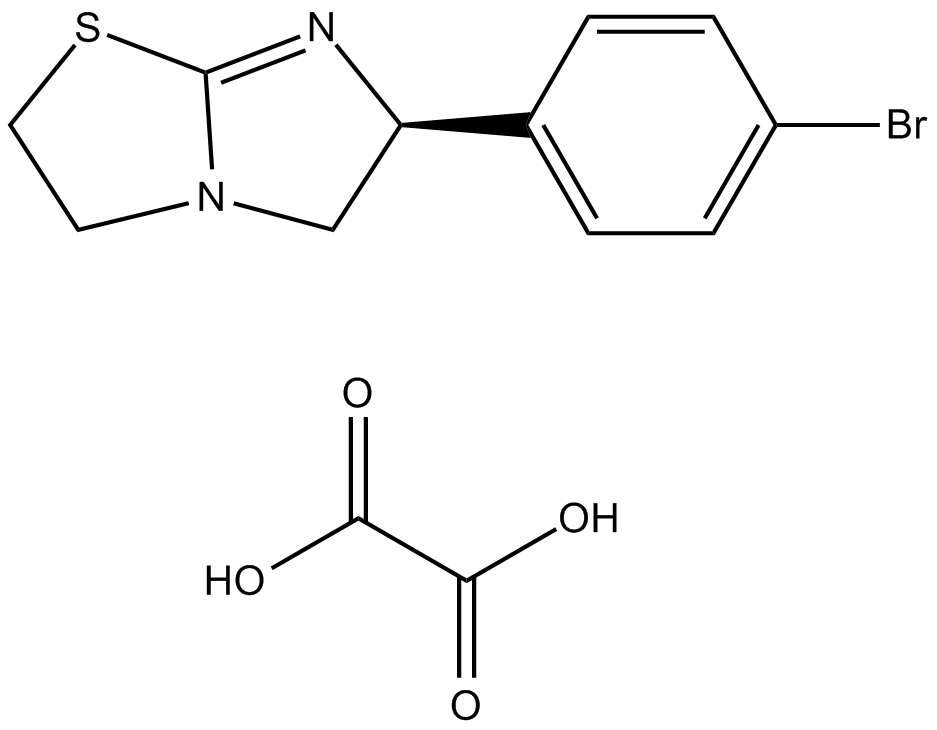 B4750 (-)-p-Bromotetramisole OxalateSummary: ALP inhibitor
 -
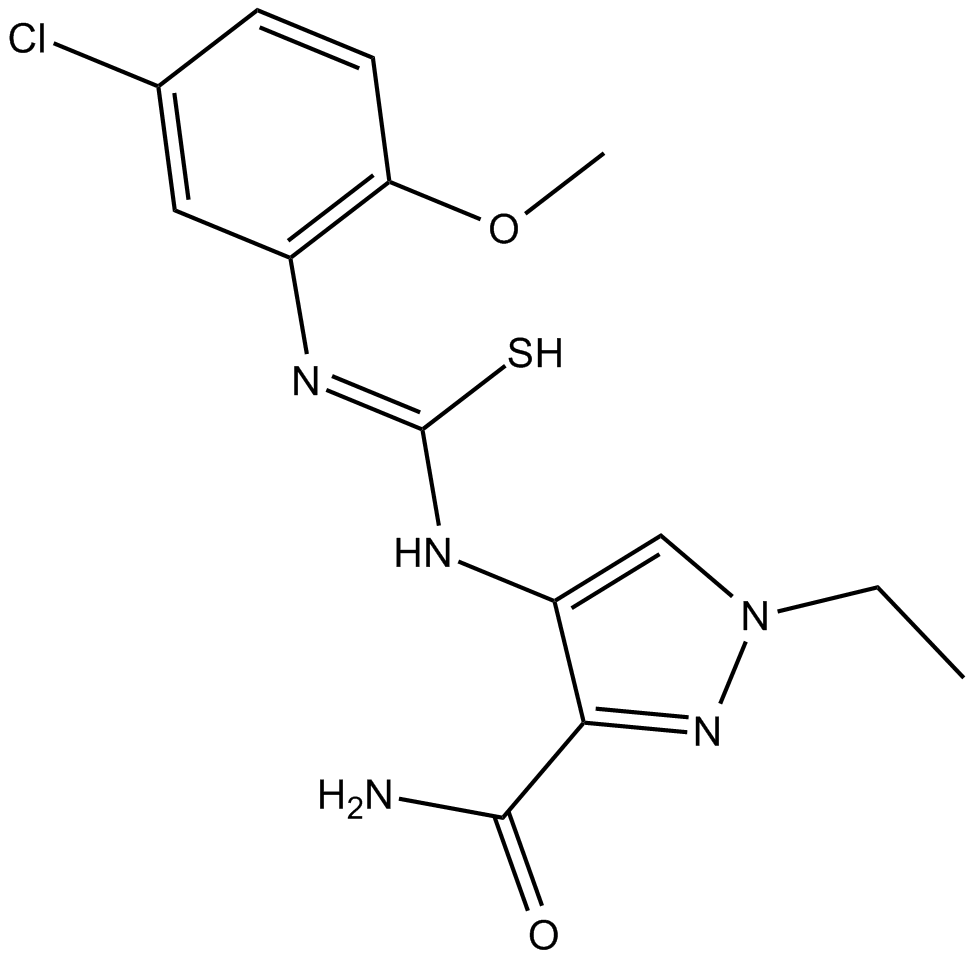 B4753 FPH2 (BRD-9424)1 CitationSummary: inducer of proliferation of primary human hepatocytes
 -
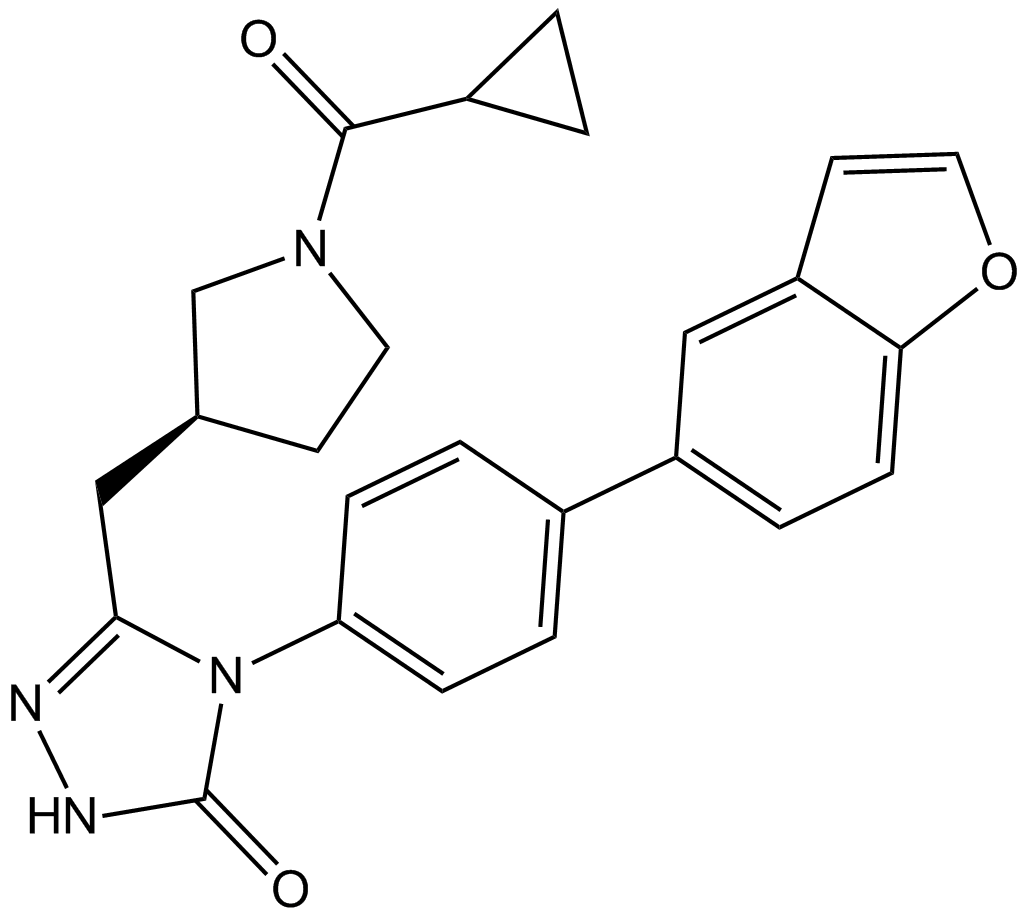 B8005 GSK2194069Summary: Human fatty acid synthase inhibitor
 -
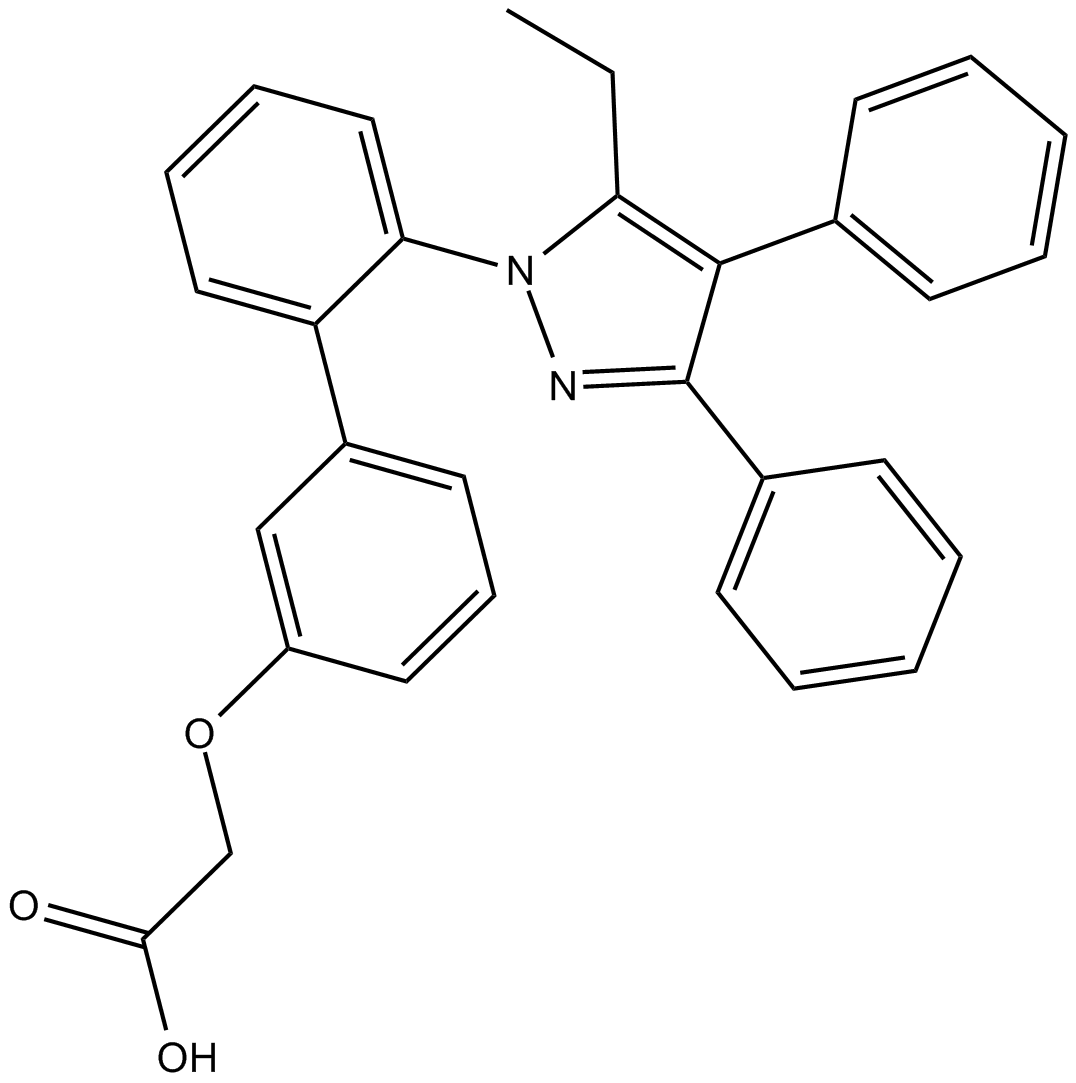 B7794 BMS 3094036 CitationTarget: Fatty-acid-binding proteins (FABPs)Summary: FABP4 inhibitor,potent and selective
 -
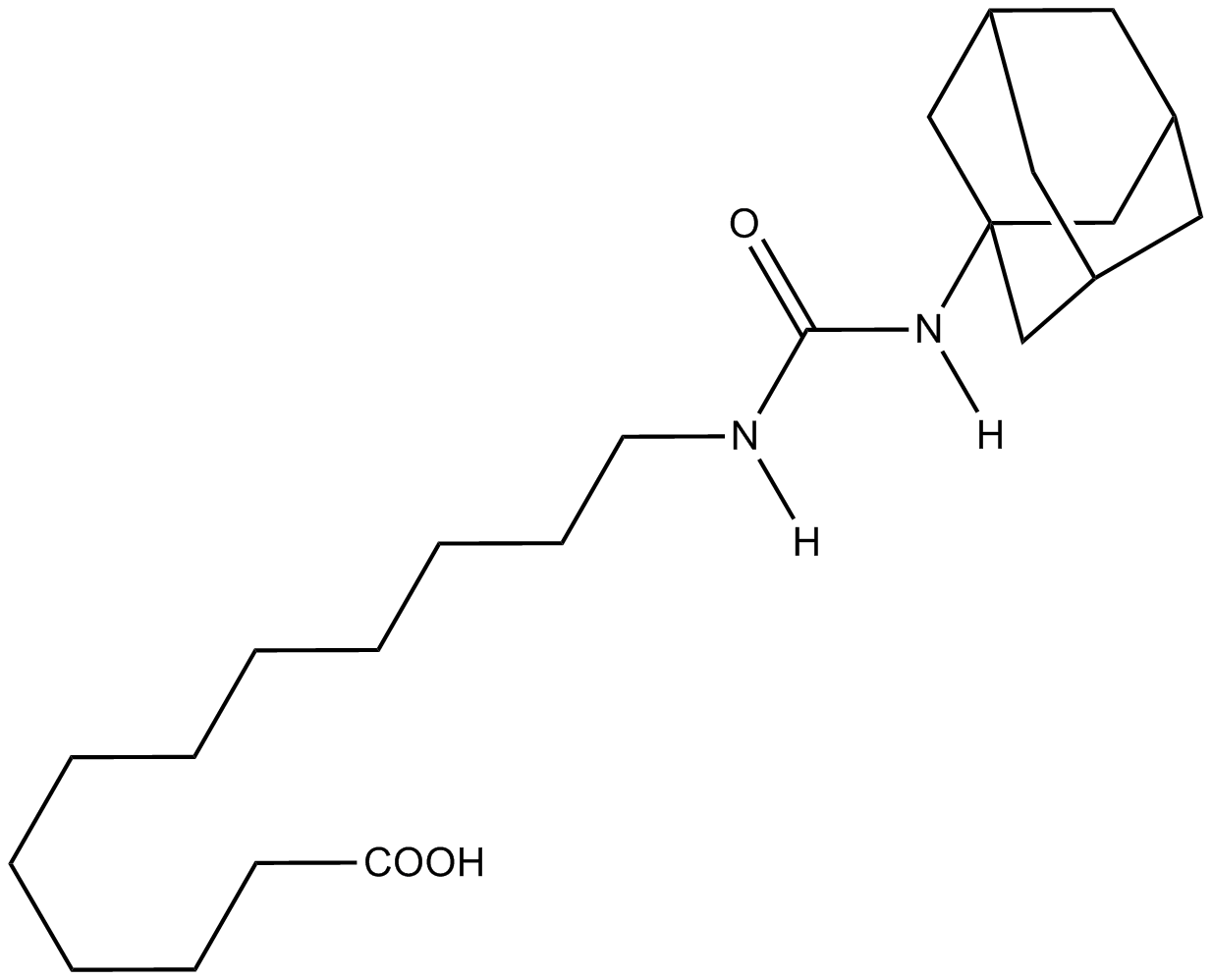 A8957 AUDASummary: Potent epoxide hydrolase inhibitor/PPARα activator