


Metabolism
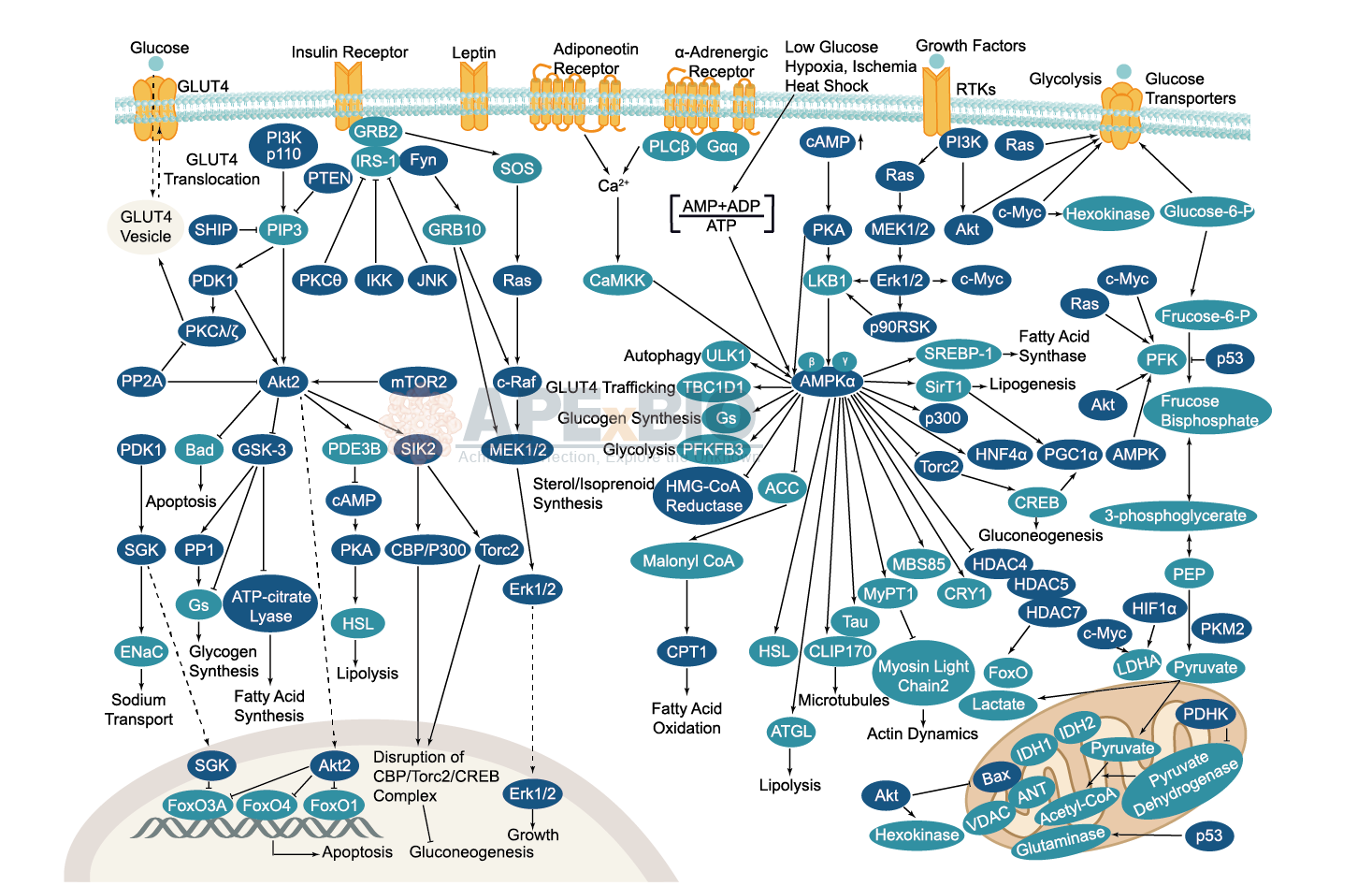
Serine/threonine kinase AMPK upregulates glucose uptake by promoting the expression and function of glucose transporters. AMPK is activated by increased AMP/ATP ratio, resulting from cellular and environmental stress, e.g. low glucose, heat shock, hypoxia and ischemia. AMPK activation positively modulates signaling transductions that refill ATP levels. Moreover, it also stimulates catabolic processes such as fatty acid oxidation and glycolysis through inhibition of ACC and activation of PFK2. AMPK negatively regulates various proteins which are important to ATP-consuming mechanisms, e.g. mTORC2, glycogen synthase, SREBP-1, and TSC2, causing the downregulation/inhibition of gluconeogenesis and glycogen, lipid and protein synthesis.
-
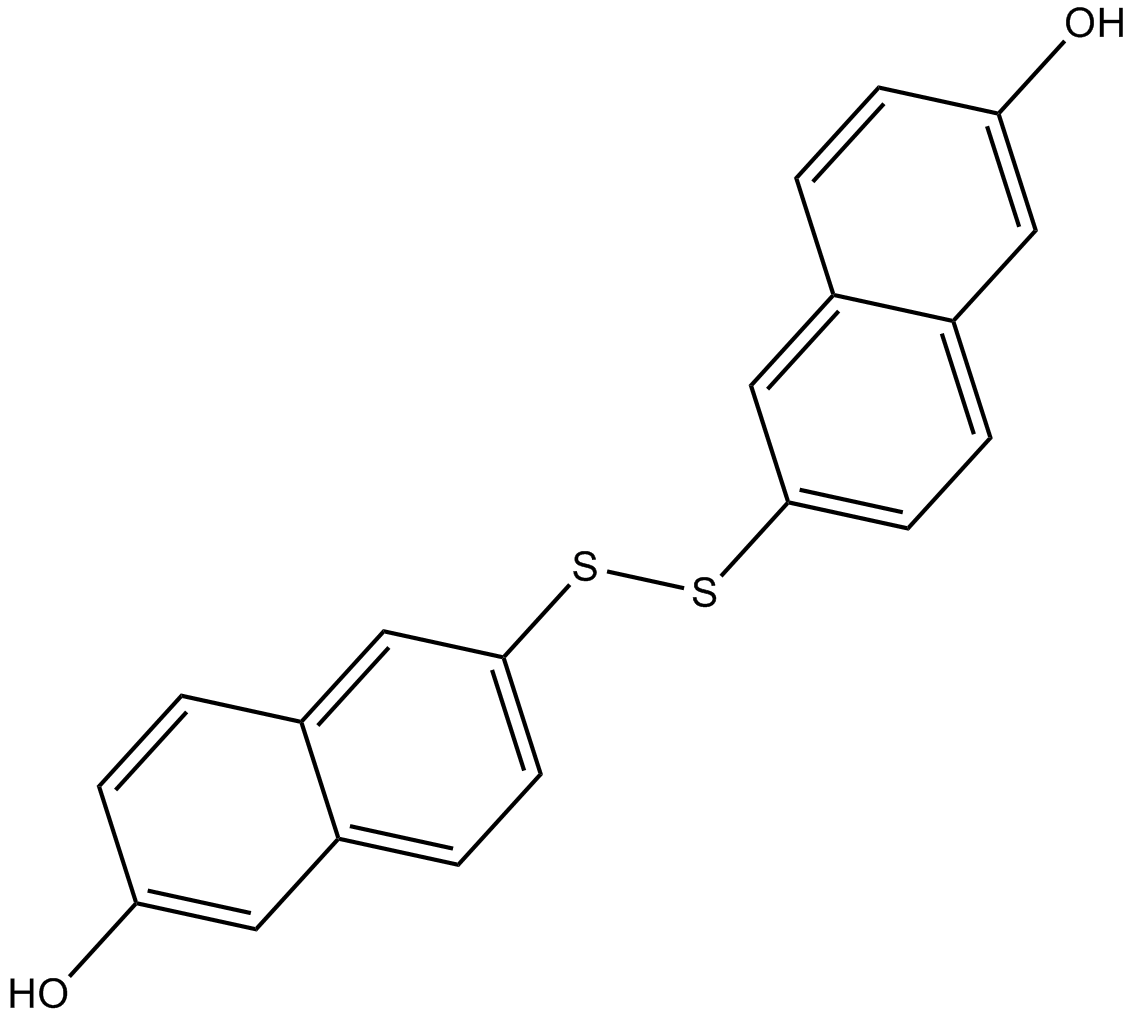 B5541 PIR 3.5Summary: negative control of IPA 3, a Pak1 inhibitor
 -
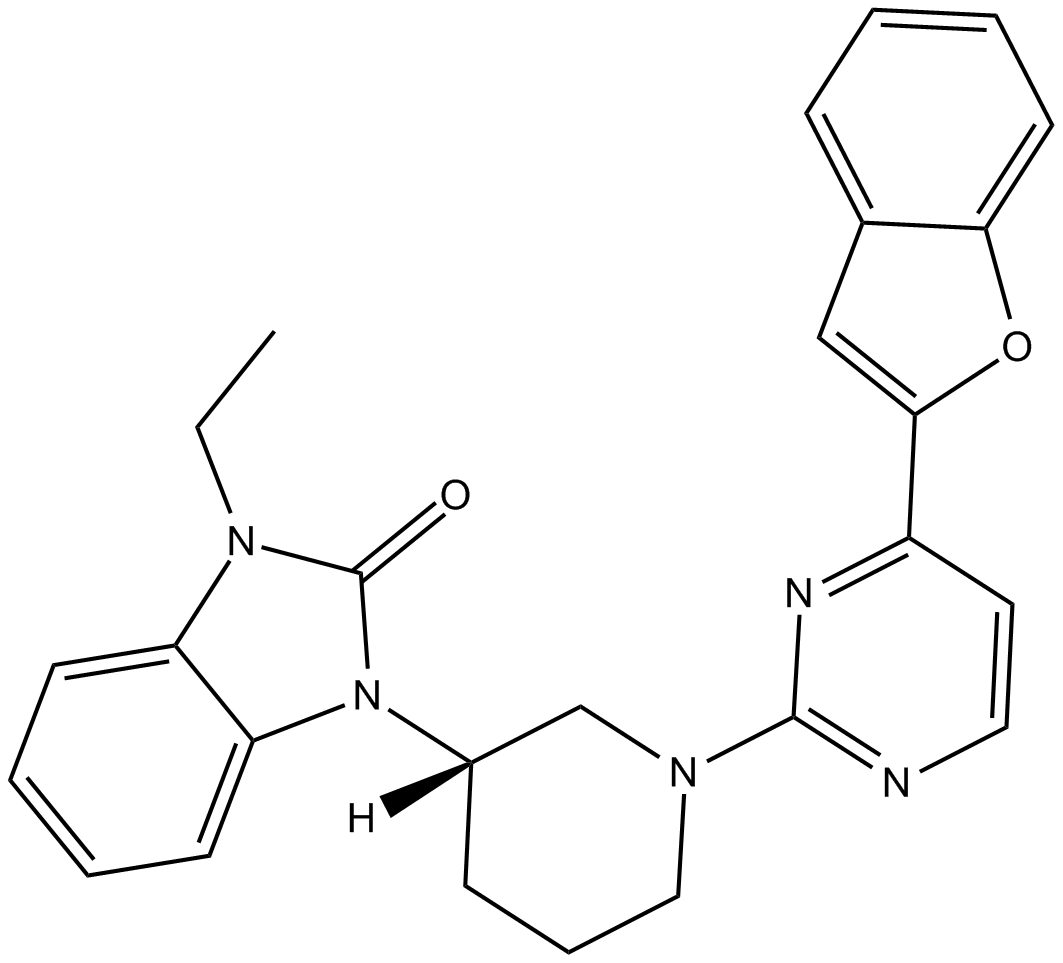 B5562 TC-F 2Summary: FAAH inhibitor
 -
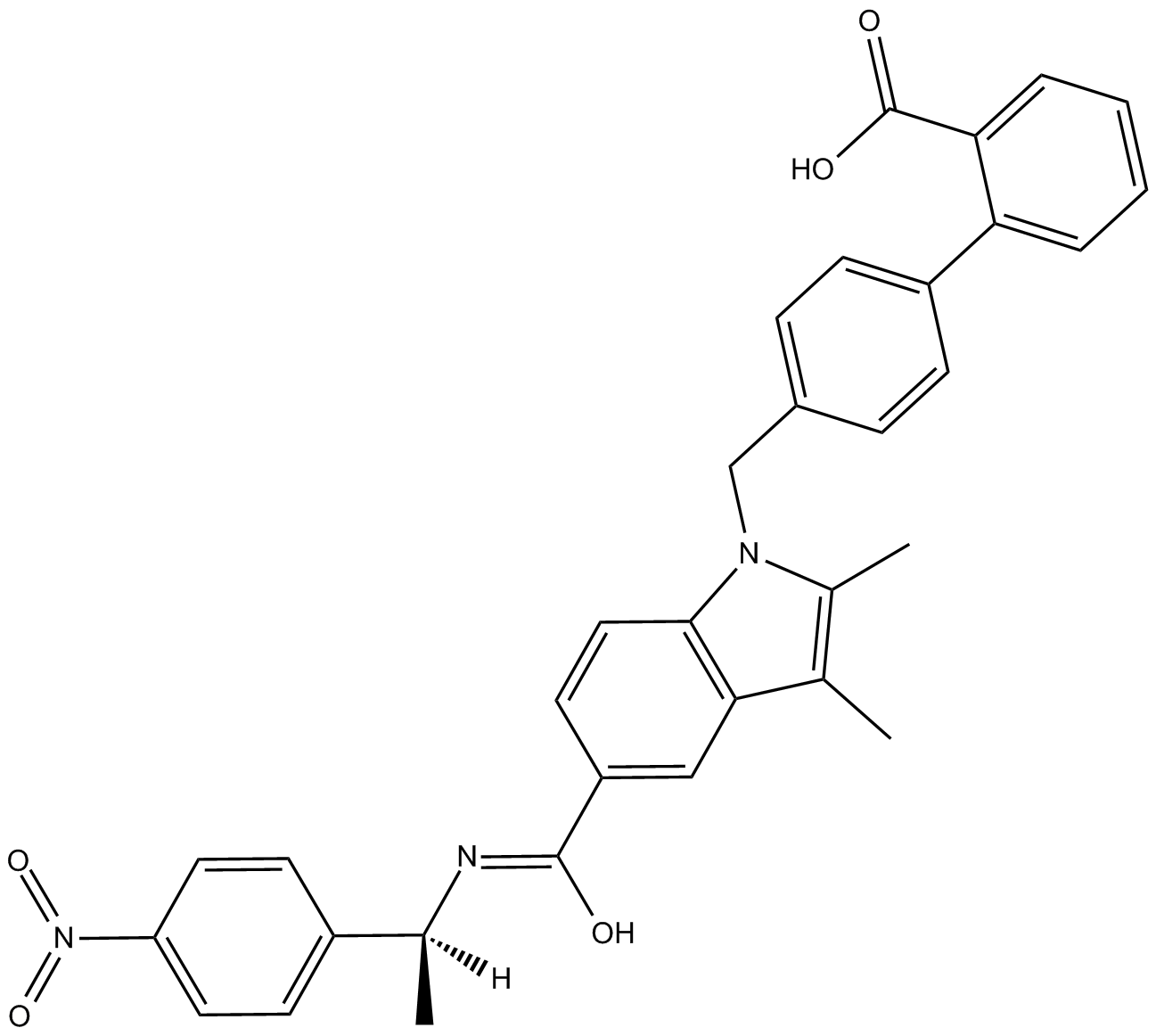 B5581 SR 1664Summary: inhibits Cdk5-mediated PPARγ phosphorylation, antidiabetic agent
 -
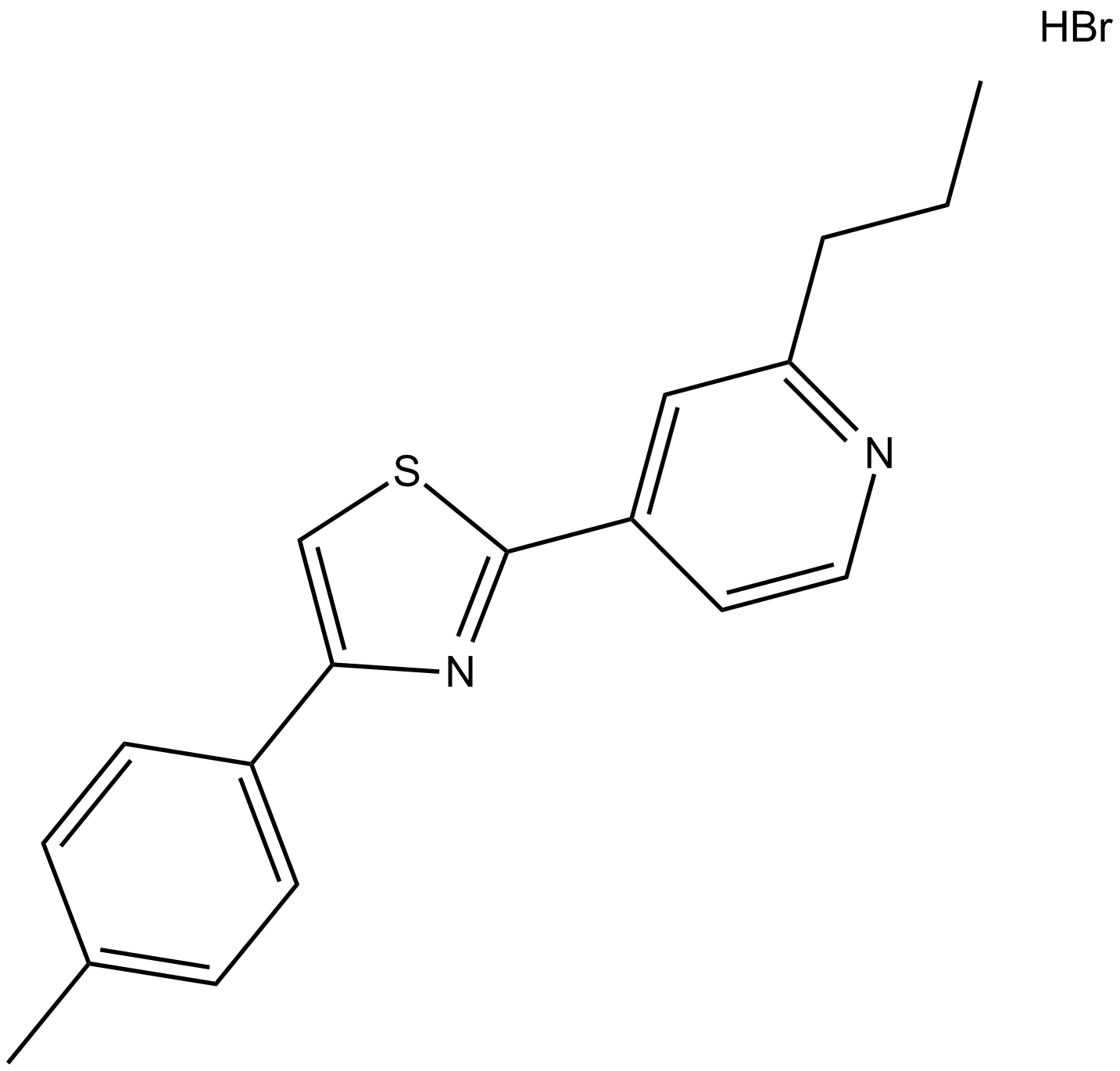 B5599 Fatostatin ASummary: sterol regulatory element binding protein (SREBP) inhibitor
 -
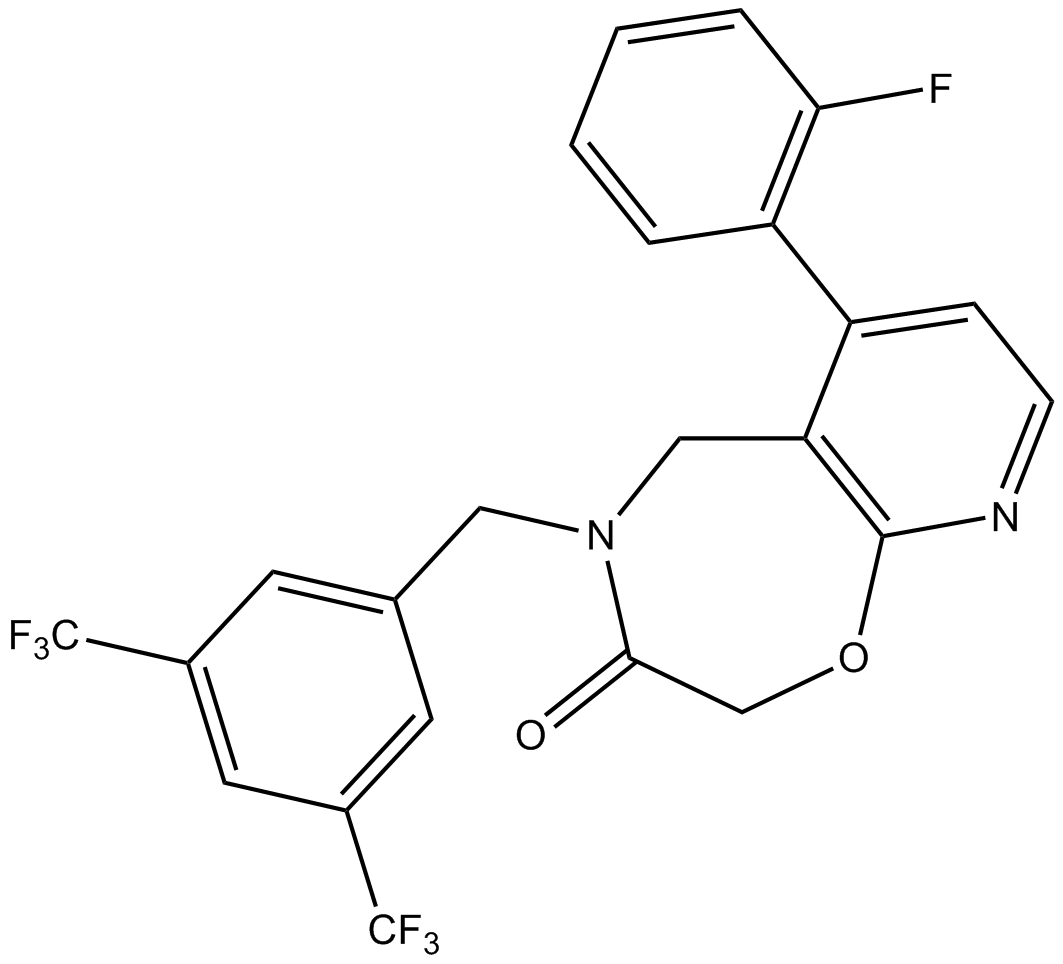 B5616 GPBAR-ASummary: agonist of bile acid receptor GPBAR1
 -
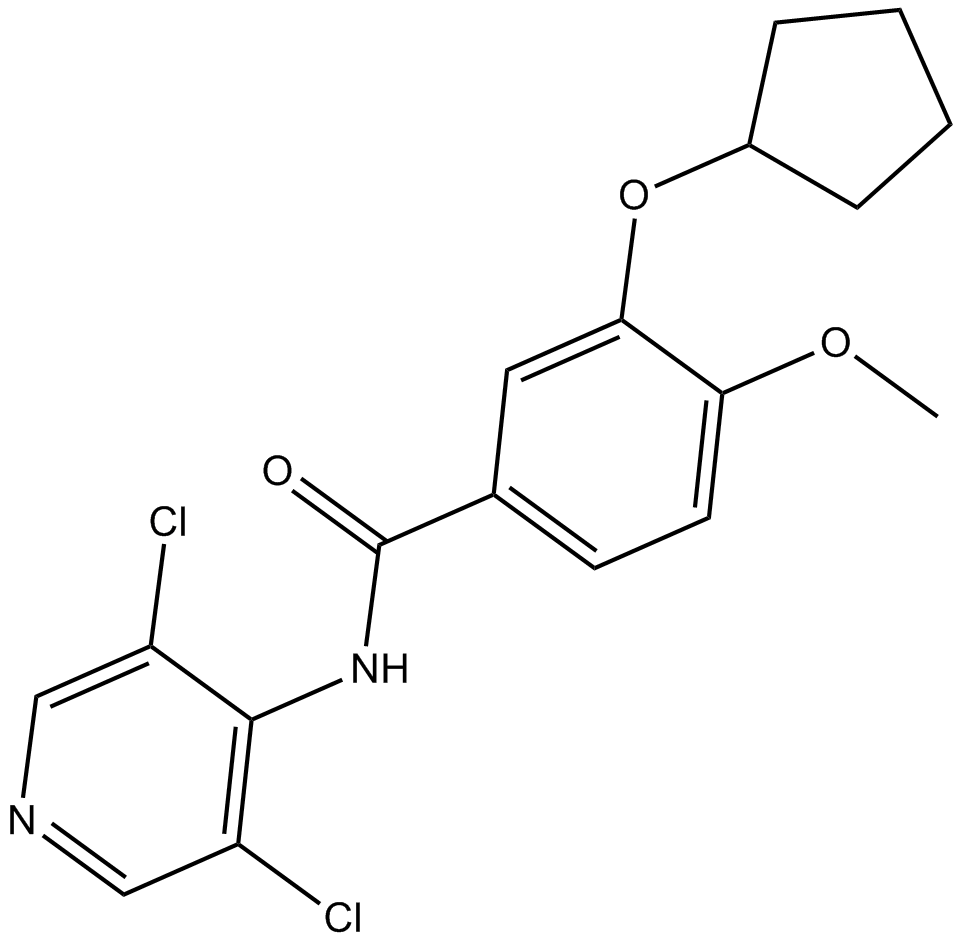 B5630 PiclamilastSummary: PDE4 inhibitor
 -
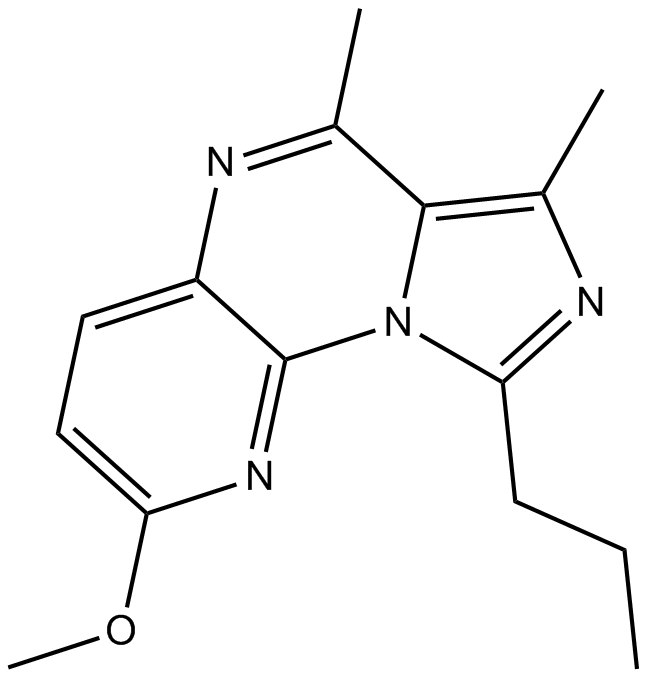 B5642 TC-E 5005Summary: PDE10A inhibitor
 -
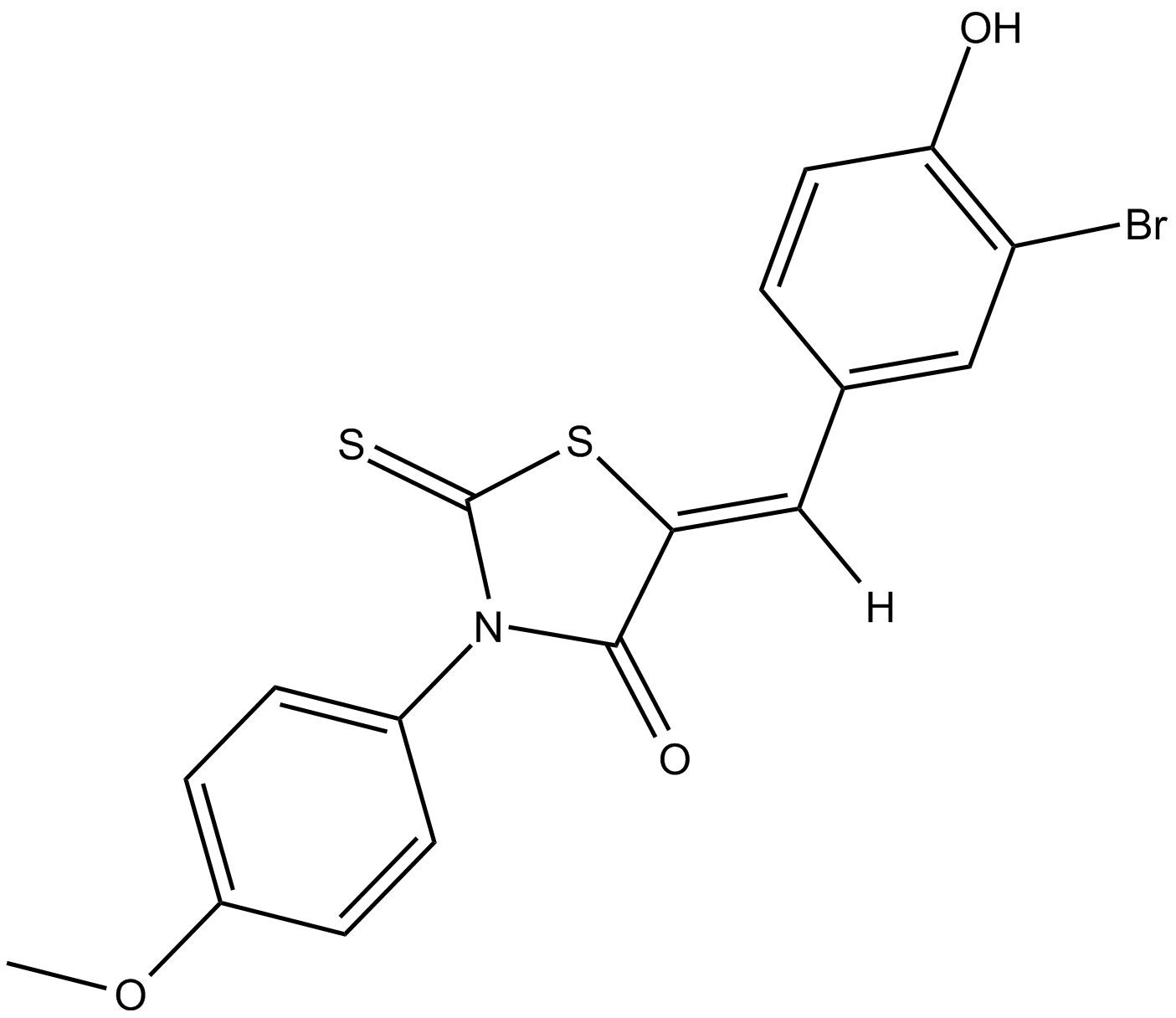 B5643 TC HSD 21Summary: 17β-hydroxysteroid dehydrogenase type 3 (17β-HSD3) inhibitor
 -
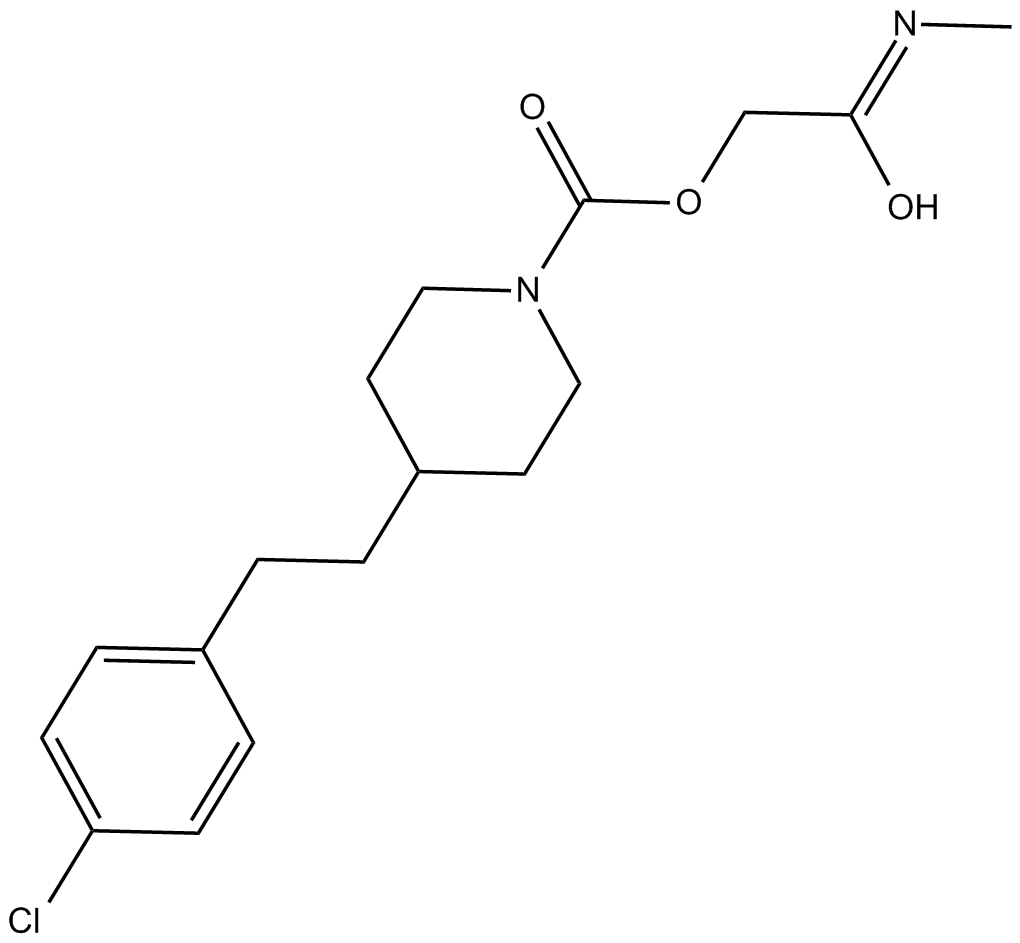 B5704 SA 57Summary: FAAH inhibitor
 -
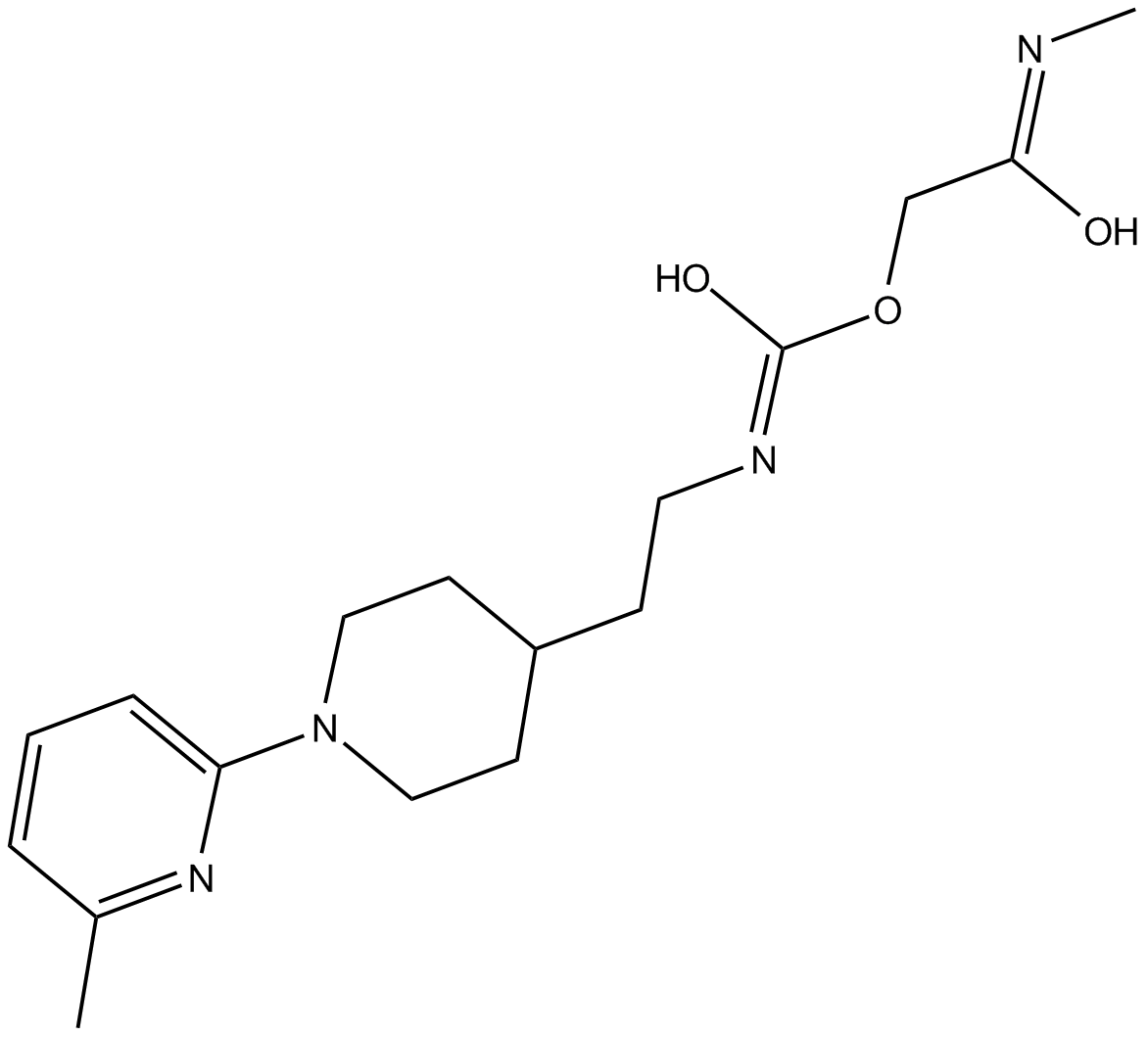 B5714 SA 47Summary: FAAH inhibitor