


Metabolism
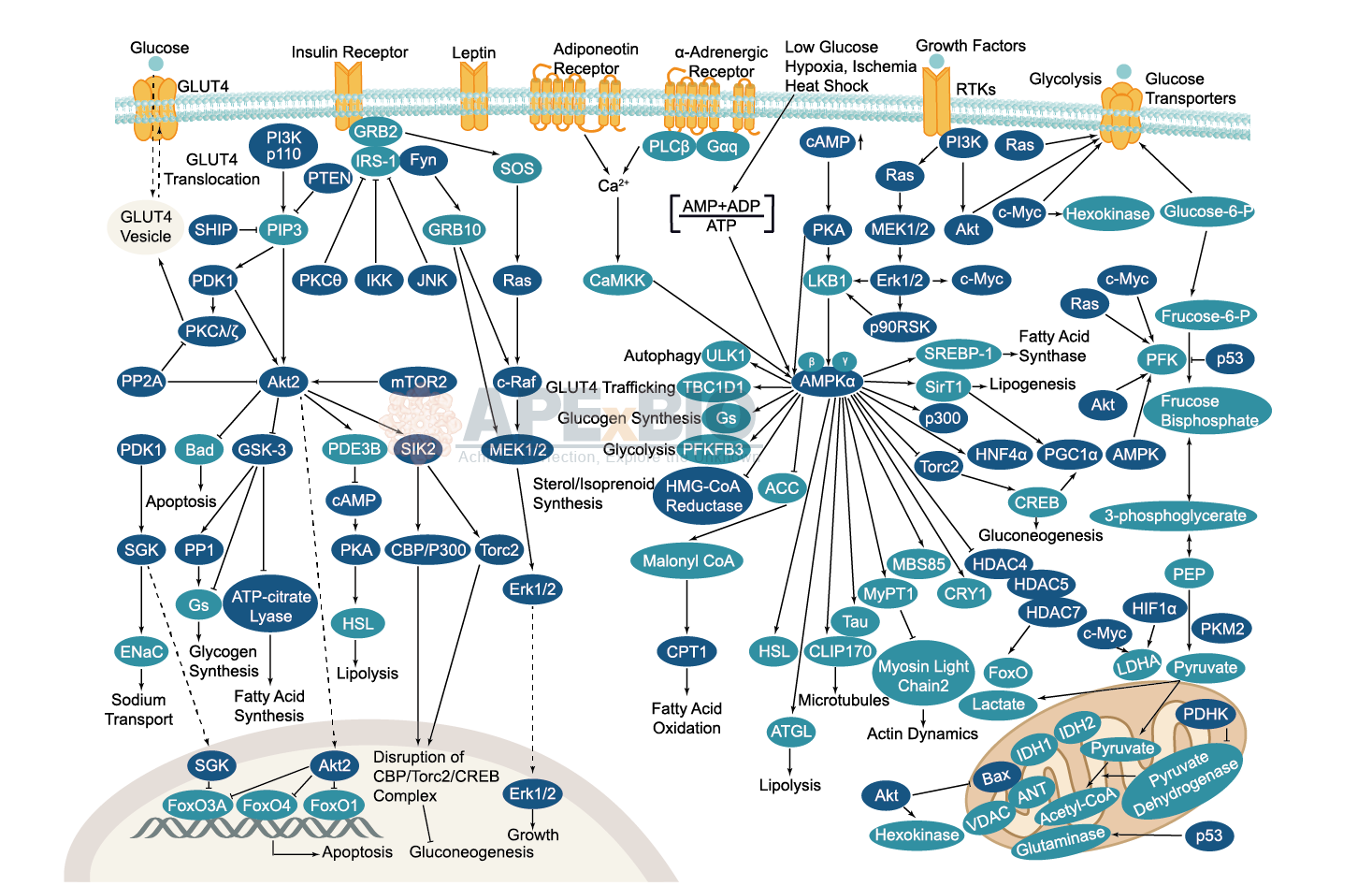
Serine/threonine kinase AMPK upregulates glucose uptake by promoting the expression and function of glucose transporters. AMPK is activated by increased AMP/ATP ratio, resulting from cellular and environmental stress, e.g. low glucose, heat shock, hypoxia and ischemia. AMPK activation positively modulates signaling transductions that refill ATP levels. Moreover, it also stimulates catabolic processes such as fatty acid oxidation and glycolysis through inhibition of ACC and activation of PFK2. AMPK negatively regulates various proteins which are important to ATP-consuming mechanisms, e.g. mTORC2, glycogen synthase, SREBP-1, and TSC2, causing the downregulation/inhibition of gluconeogenesis and glycogen, lipid and protein synthesis.
-
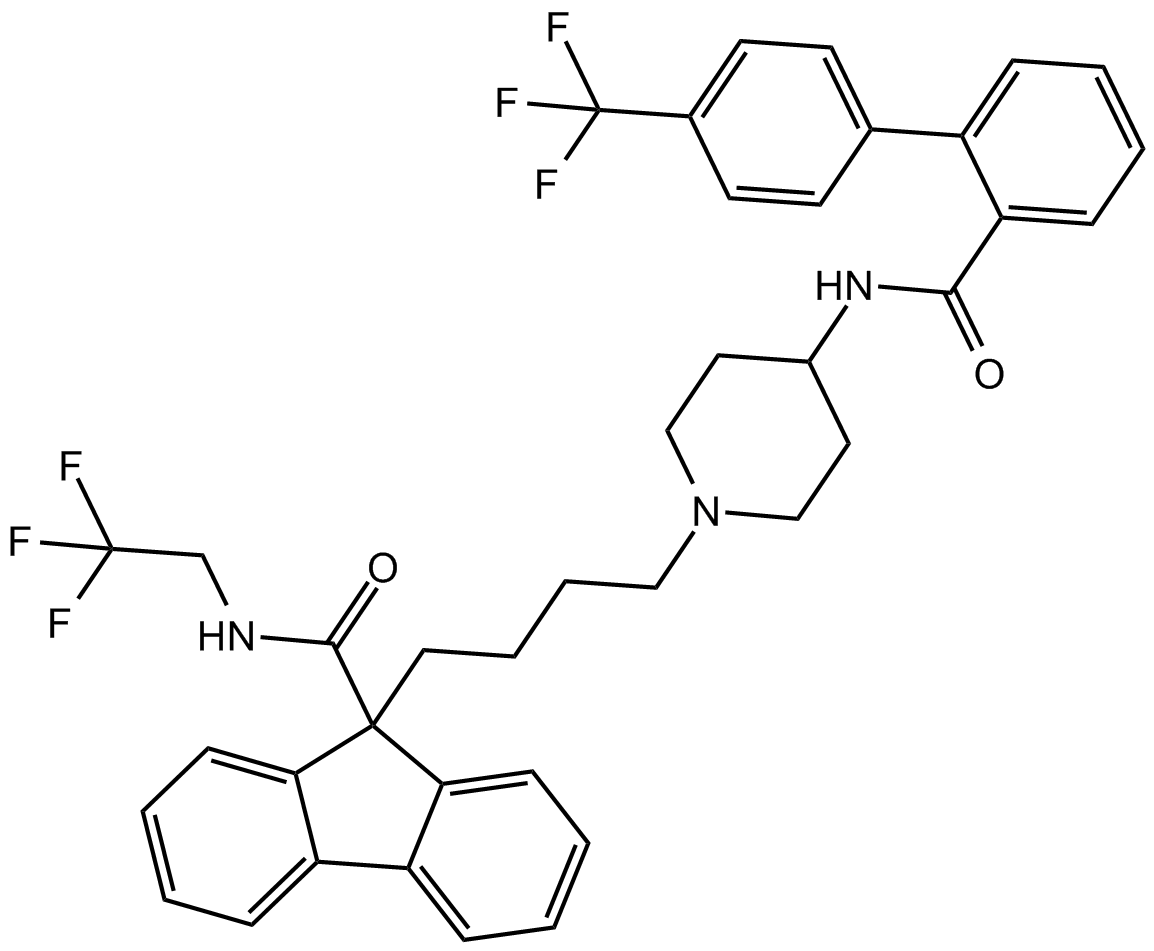 B4885 LomitapideSummary: MTP inhibitor, orally active
 -
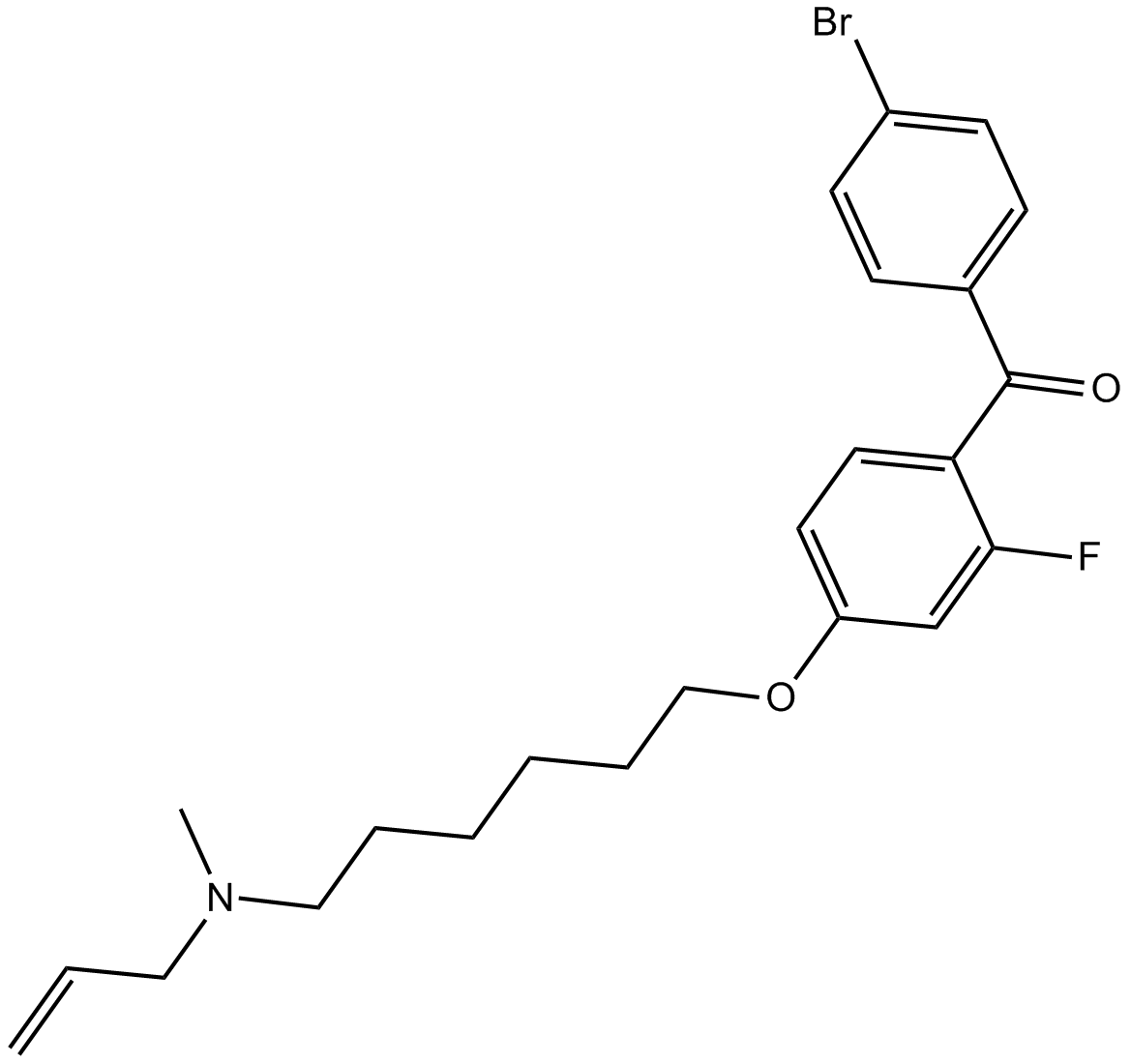 B4859 Ro 48-8071Summary: Oxidosqualene cyclase inhibitor
 -
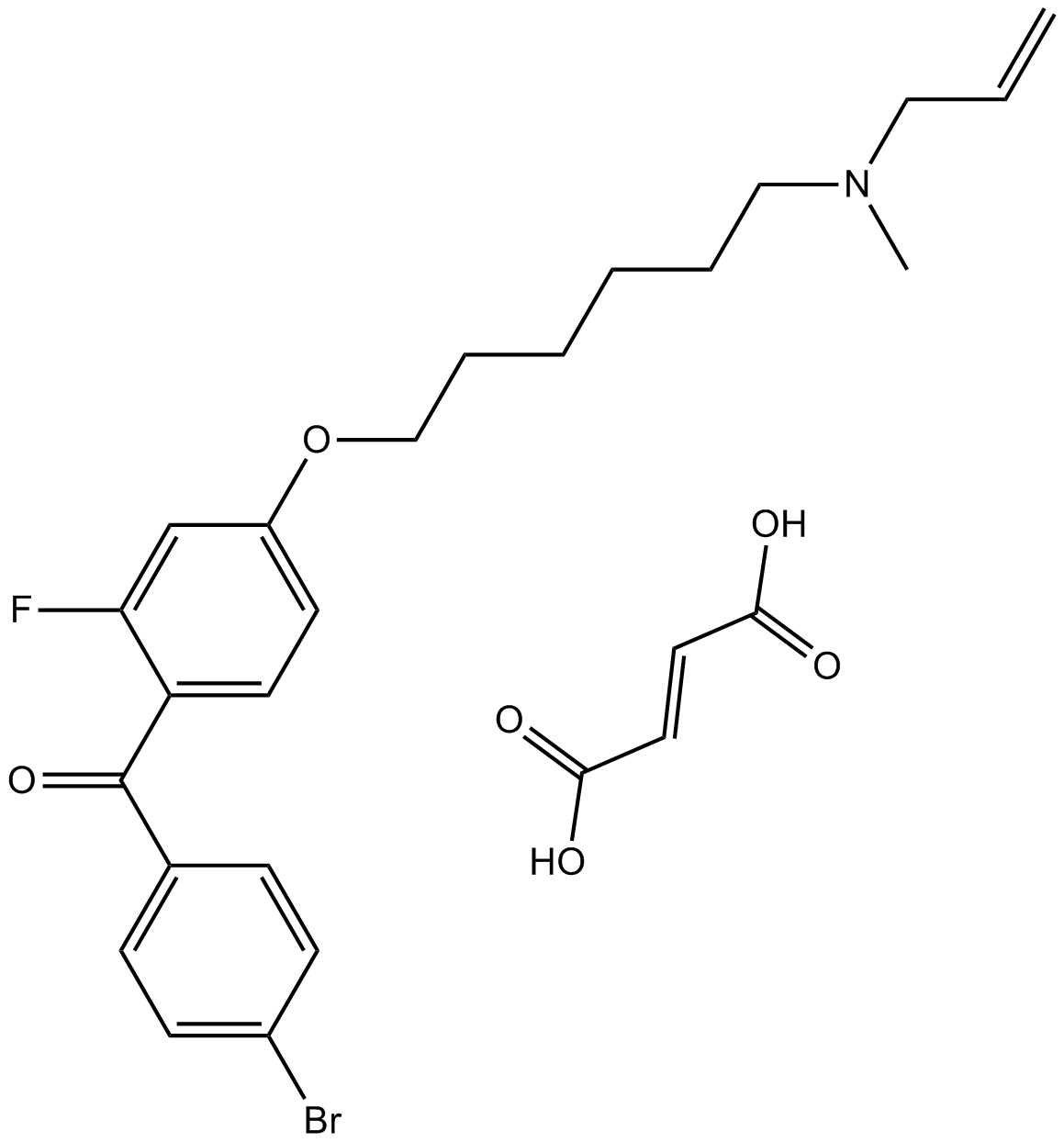 B4860 Ro 48-8071 fumarateSummary: Oxidosqualene cyclase inhibitor
 -
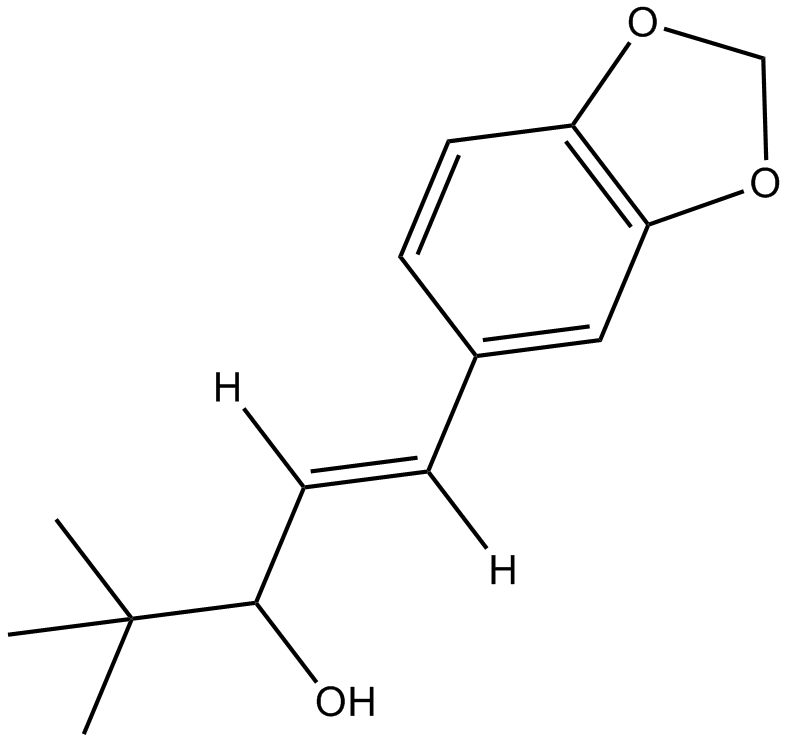 A8704 Stiripentol1 CitationTarget: Lactate Dehydrogenases (LDH)Summary: An LDH inhibitor
 -
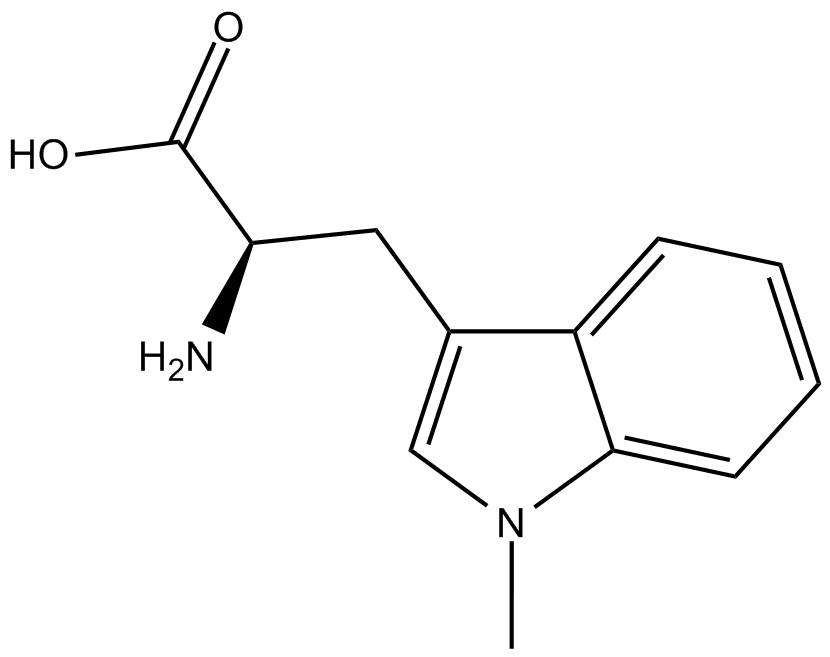 B4900 Indoximod (NLG-8189)Summary: Indoleamine 2,3-dioxygenase (IDO) pathway inhibitor
 -
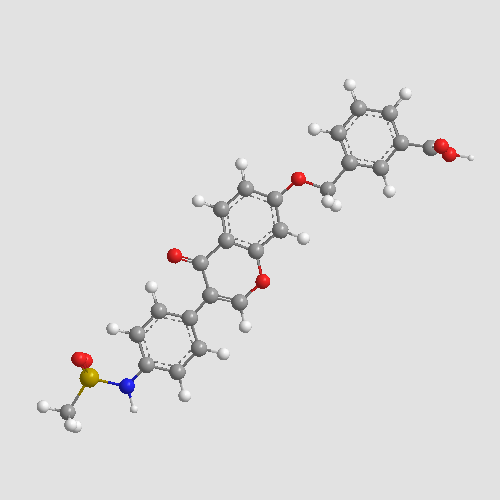 B4928 CVT 10216Summary: reversible inhibitor of aldehyde dehydrogenase 2 (ALDH2)
 -
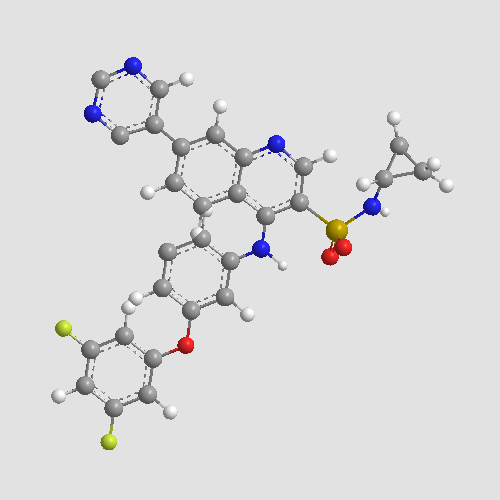 B4929 GSK 2837808A1 CitationTarget: Lactate Dehydrogenases (LDH)Summary: Potent, selective lactate dehydrogenase A (LDHA) inhibitor
 -
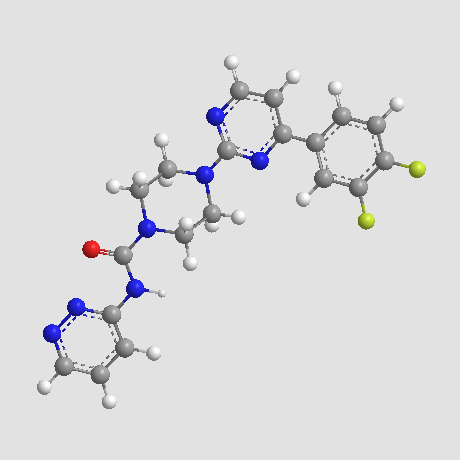 B4931 TAK 21dSummary: Potent FAAH inhibitor
 -
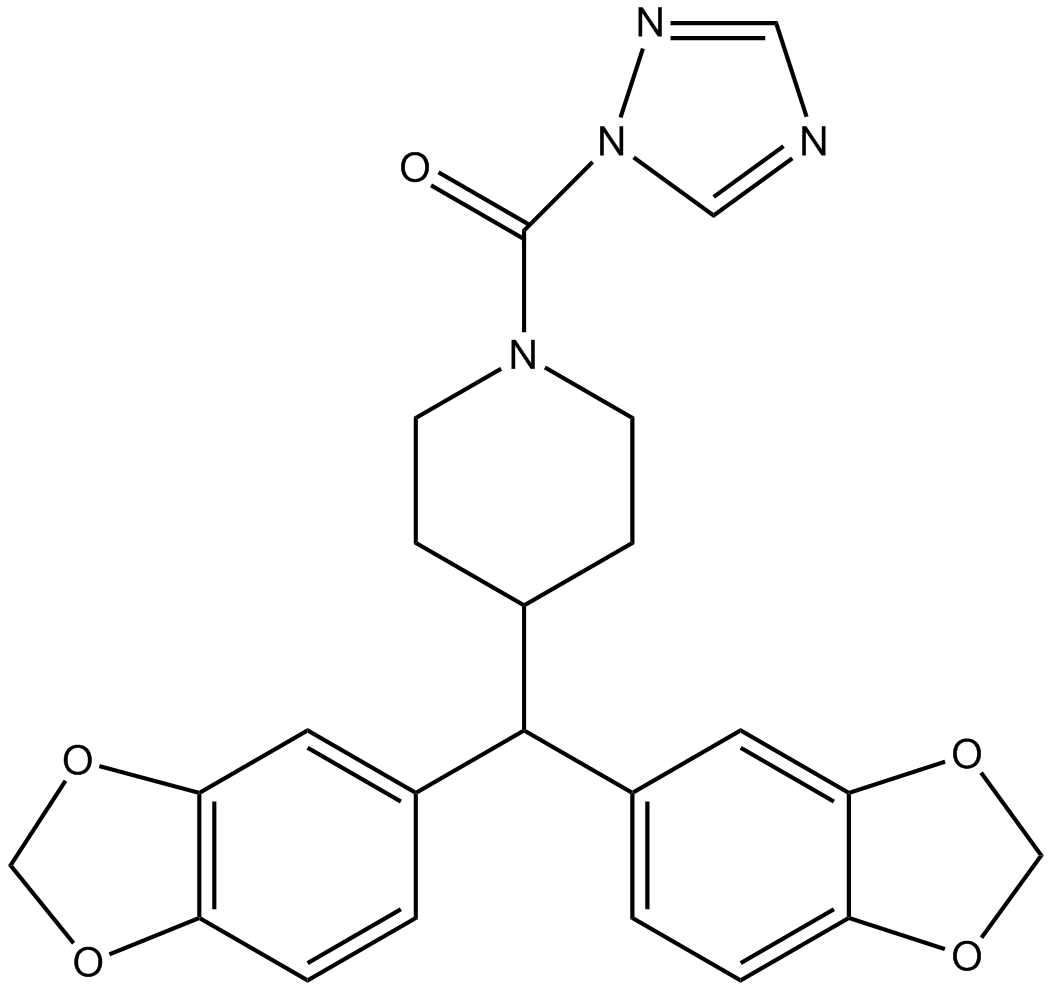 B4932 JJKK 048Summary: monoacylglycerol lipase (MAGL) inhibitor
 -
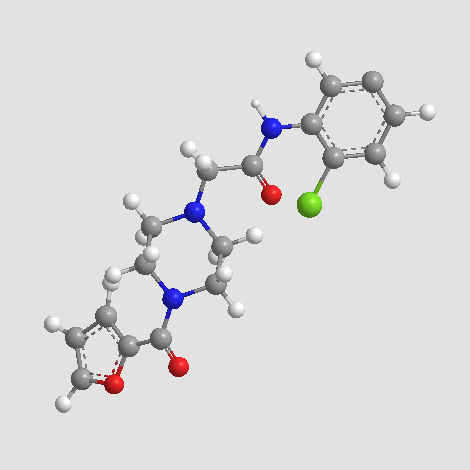 B4933 ML 348Summary: lysophospholipase 1 (LYPLA1) inhibitor