


Metabolism
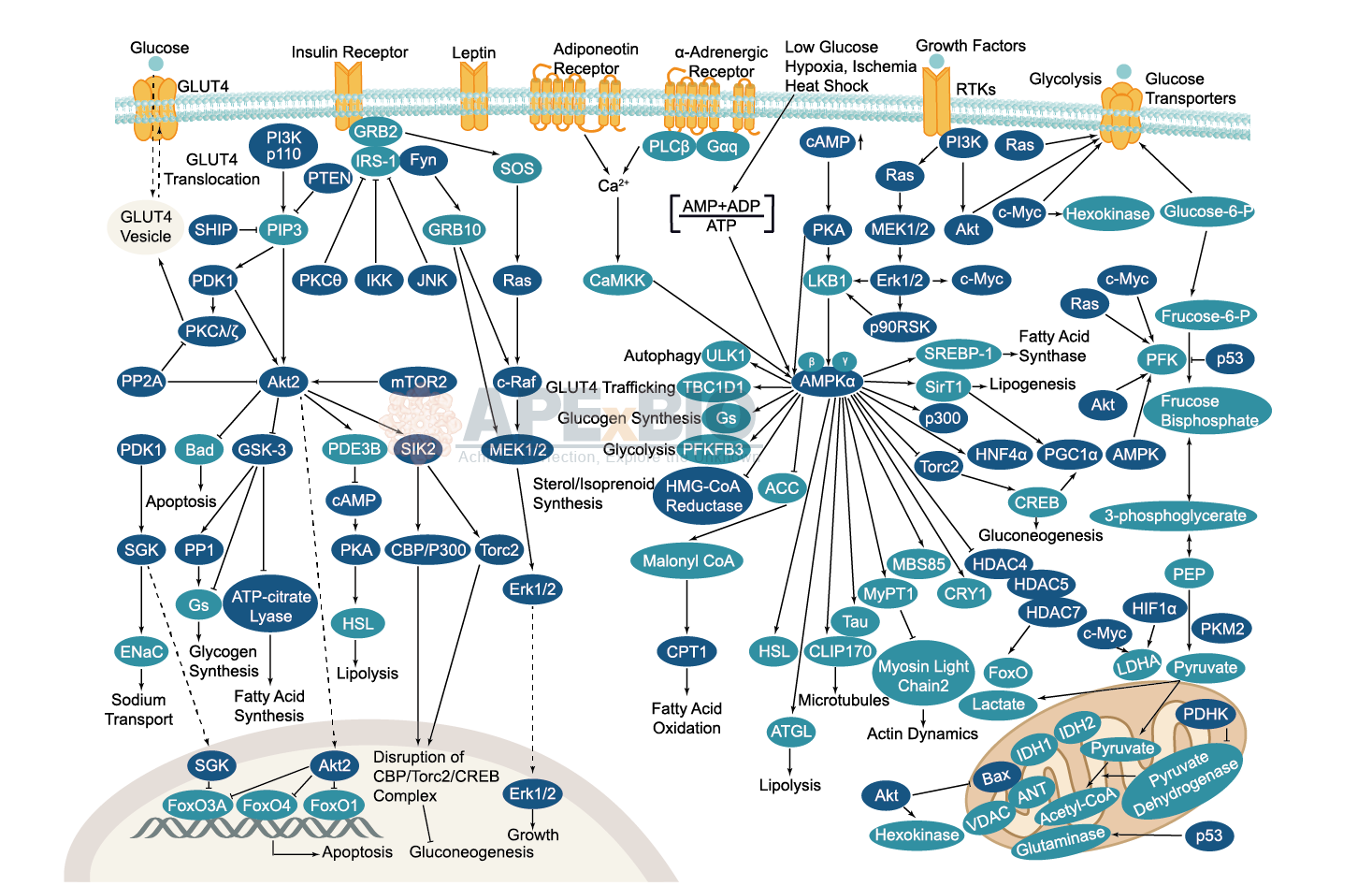
Serine/threonine kinase AMPK upregulates glucose uptake by promoting the expression and function of glucose transporters. AMPK is activated by increased AMP/ATP ratio, resulting from cellular and environmental stress, e.g. low glucose, heat shock, hypoxia and ischemia. AMPK activation positively modulates signaling transductions that refill ATP levels. Moreover, it also stimulates catabolic processes such as fatty acid oxidation and glycolysis through inhibition of ACC and activation of PFK2. AMPK negatively regulates various proteins which are important to ATP-consuming mechanisms, e.g. mTORC2, glycogen synthase, SREBP-1, and TSC2, causing the downregulation/inhibition of gluconeogenesis and glycogen, lipid and protein synthesis.
-
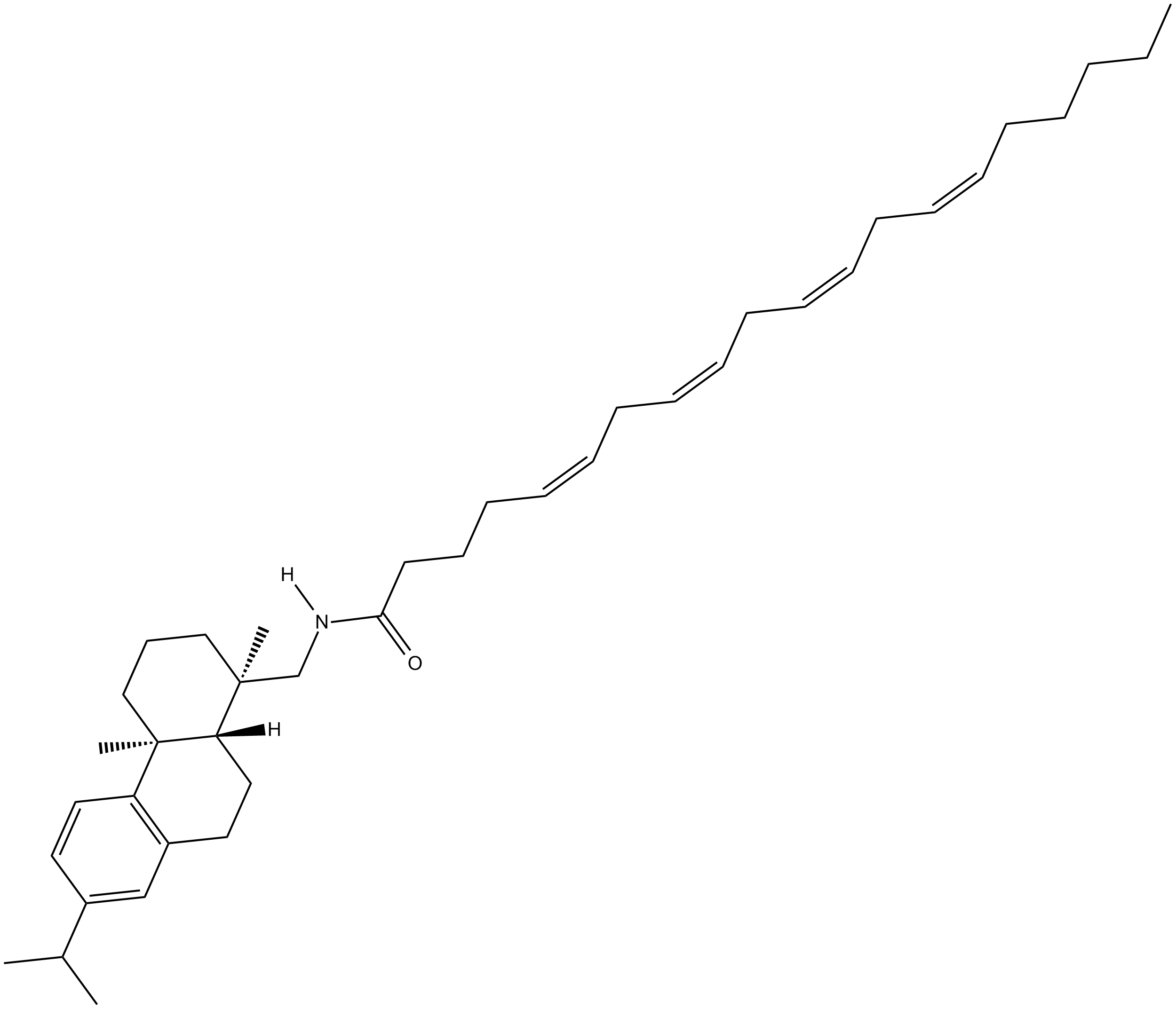 C3779 Arachidonic Acid LeelamideSummary: phospholipase A2 inhibitor
 -
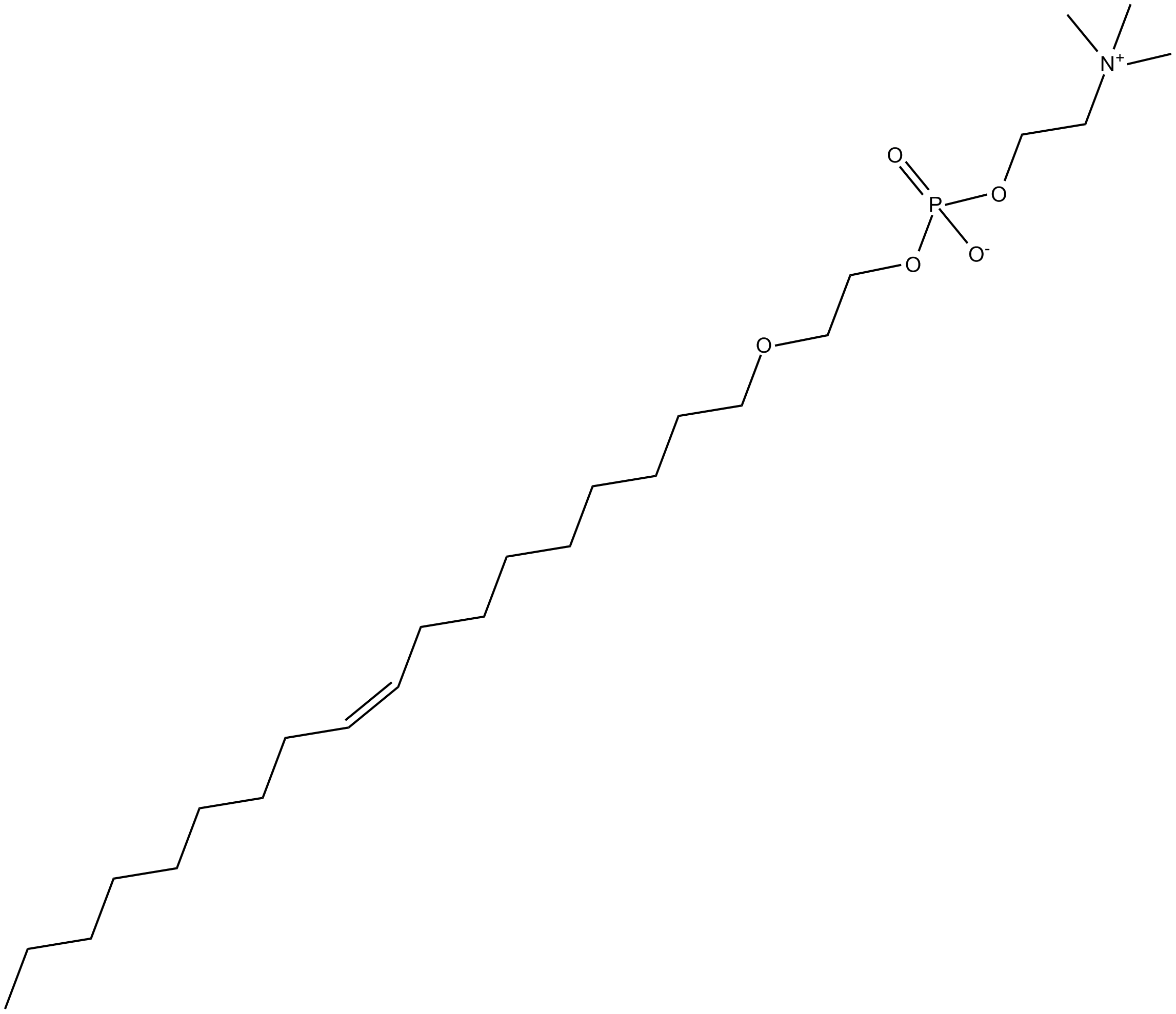 C3792 Oleyloxyethyl PhosphorylcholineSummary: PLA2 inhibitor
 -
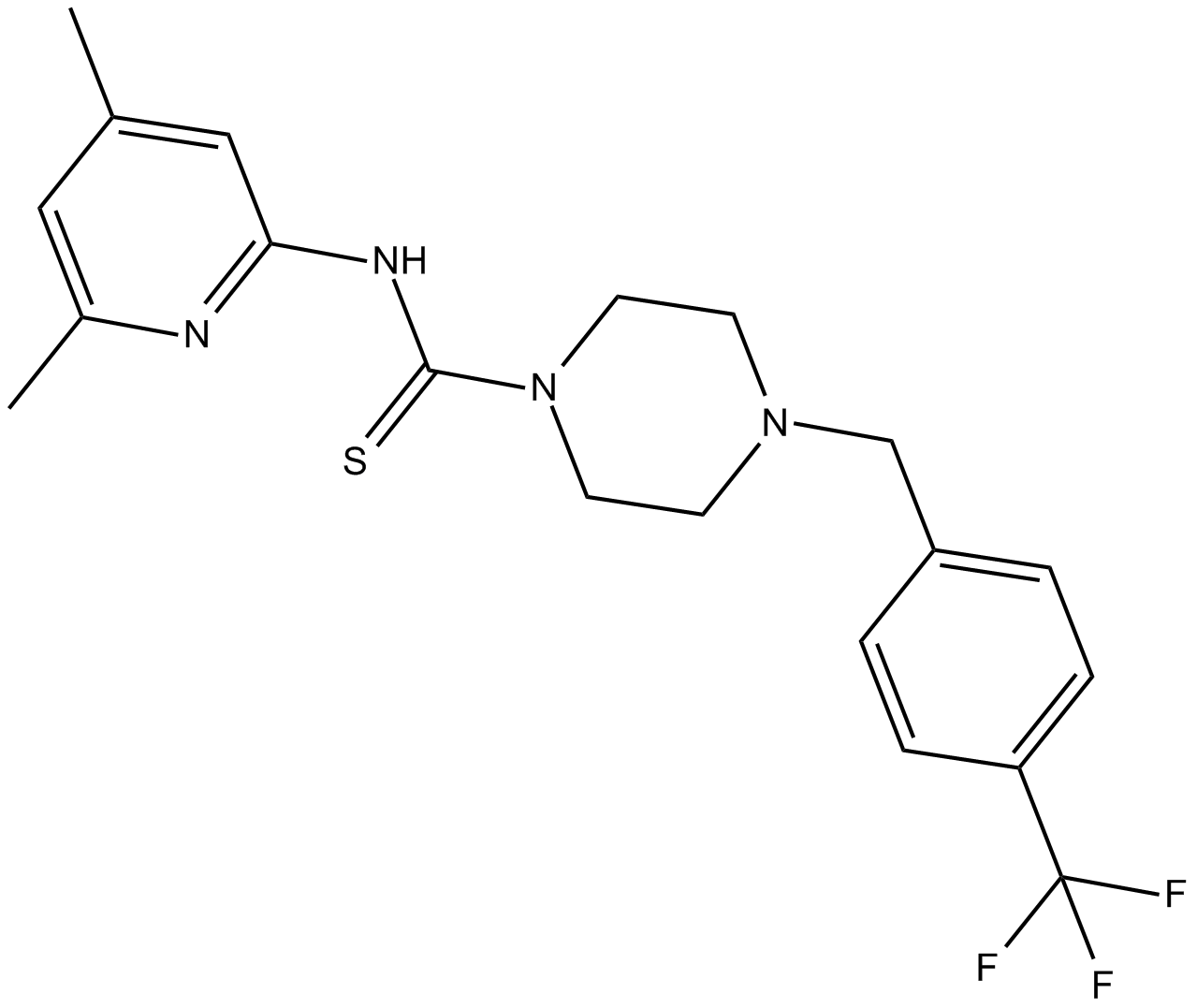 C3853 NCT-5031 CitationSummary: 3-phosphoglycerate dehydrogenase (PHGDH) inhibitor
 -
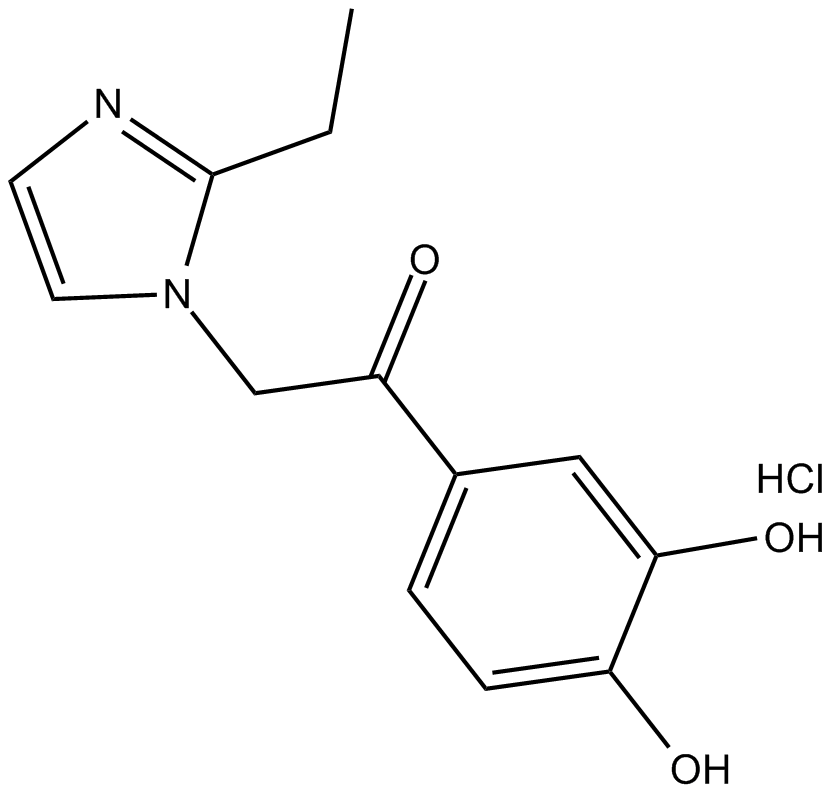 C4115 ML-095 (hydrochloride)Summary: placental alkaline phosphatase (PLAP) inhibitor
 -
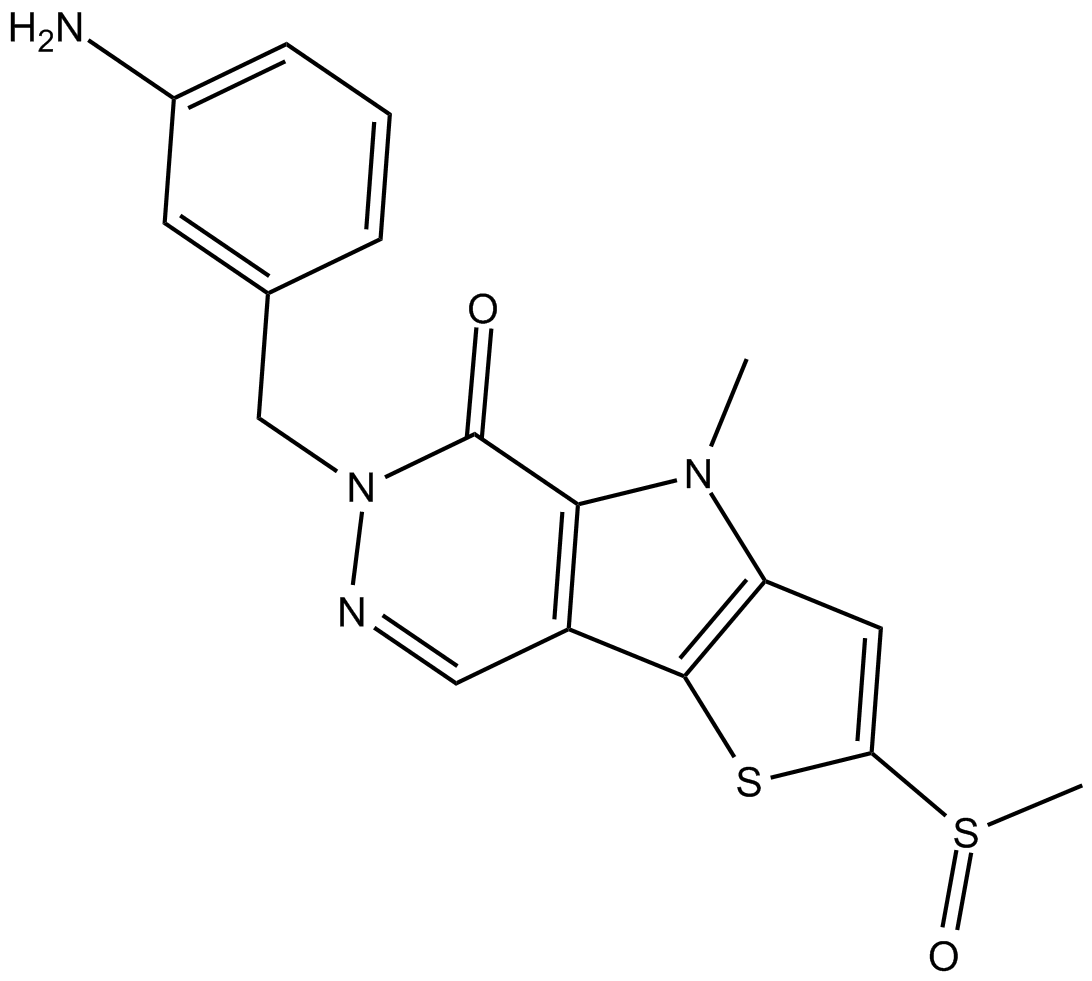 C4181 ML-265Summary: tumor-specific PKM2 activator
 -
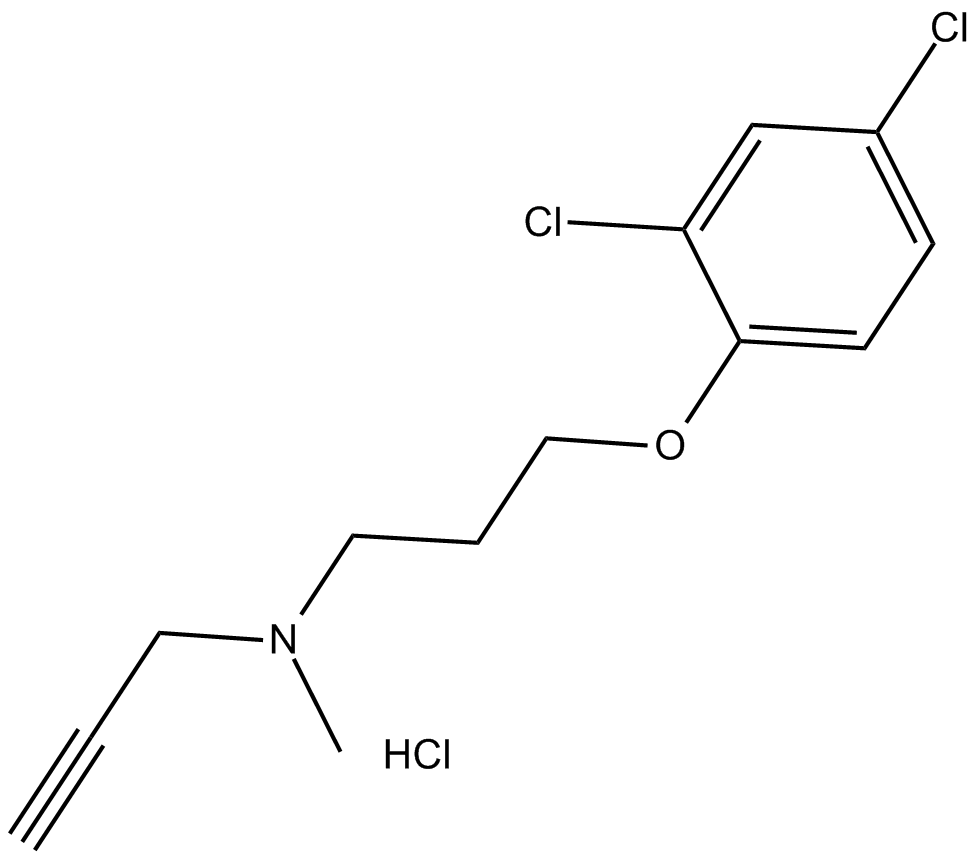 C4137 Clorgyline (hydrochloride)Summary: MAO-A inhibitor
 -
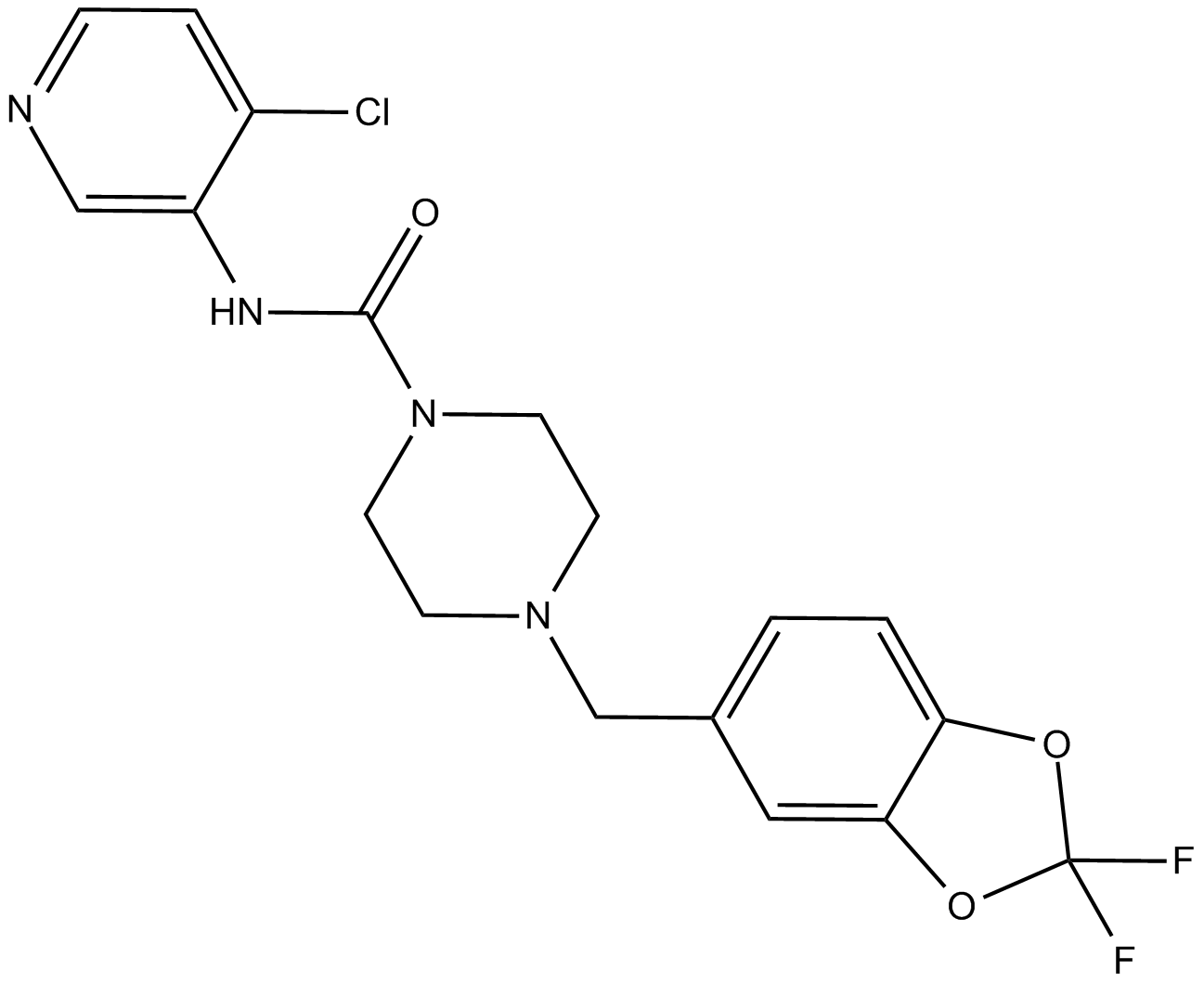 C4122 JNJ-42165279Summary: FAAH inhibitor
 -
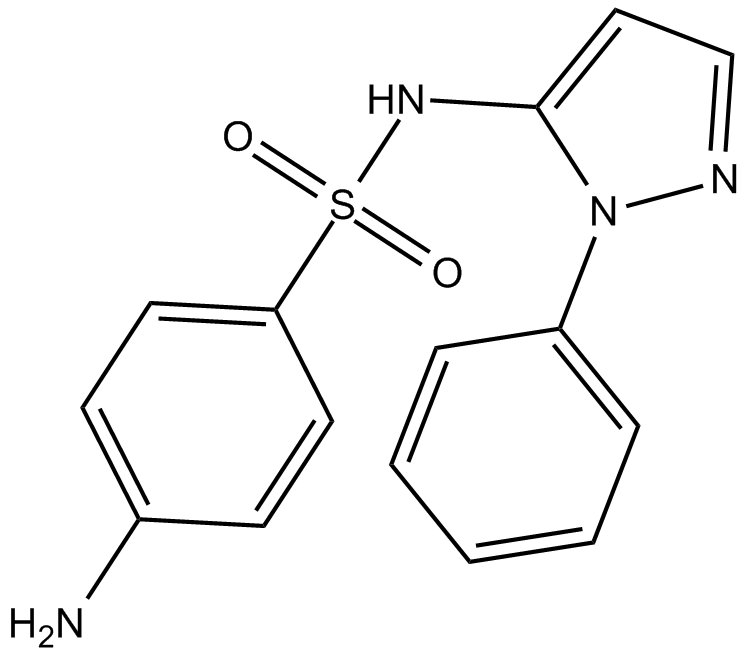 C4131 SulfaphenazoleSummary: A CYP2C6/2C9 inhibitor
 -
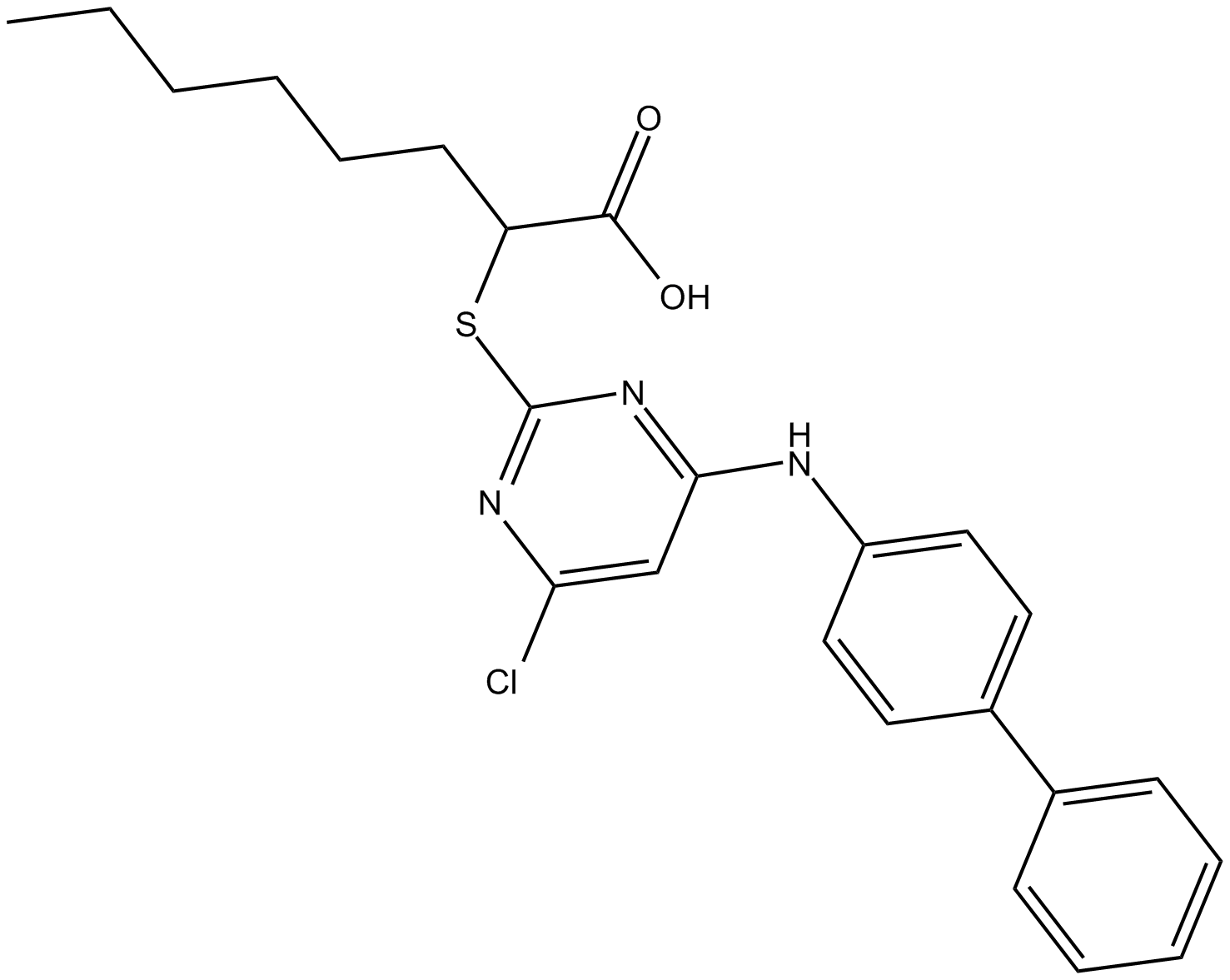 C4199 HZ52Summary: 5-lipoxygenase inhibitor
 -
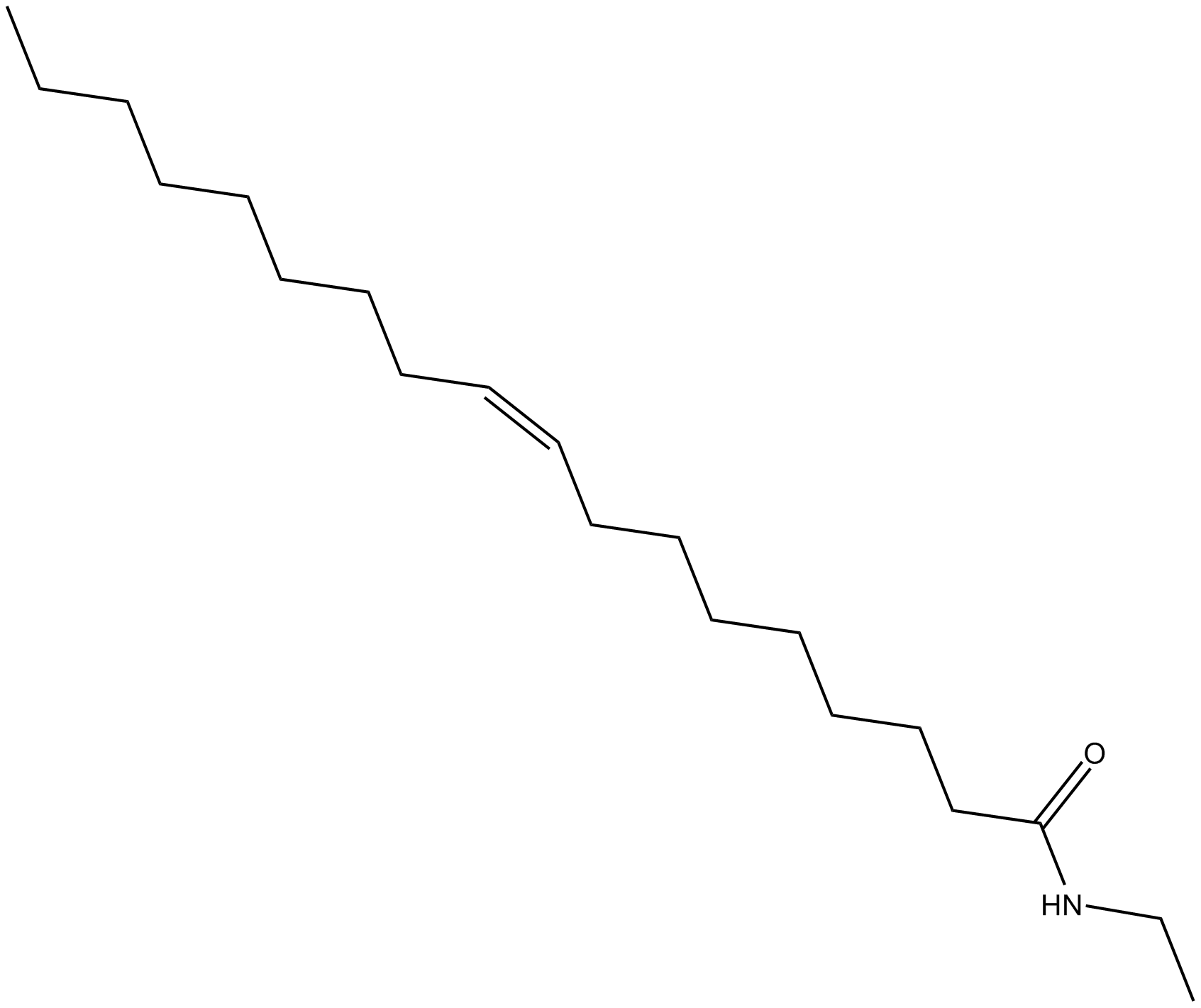 C4251 Oleoyl Ethyl AmideSummary: FAAH inhibitor with potential analgesic and anxiolytic activity