


JAK/STAT Signaling
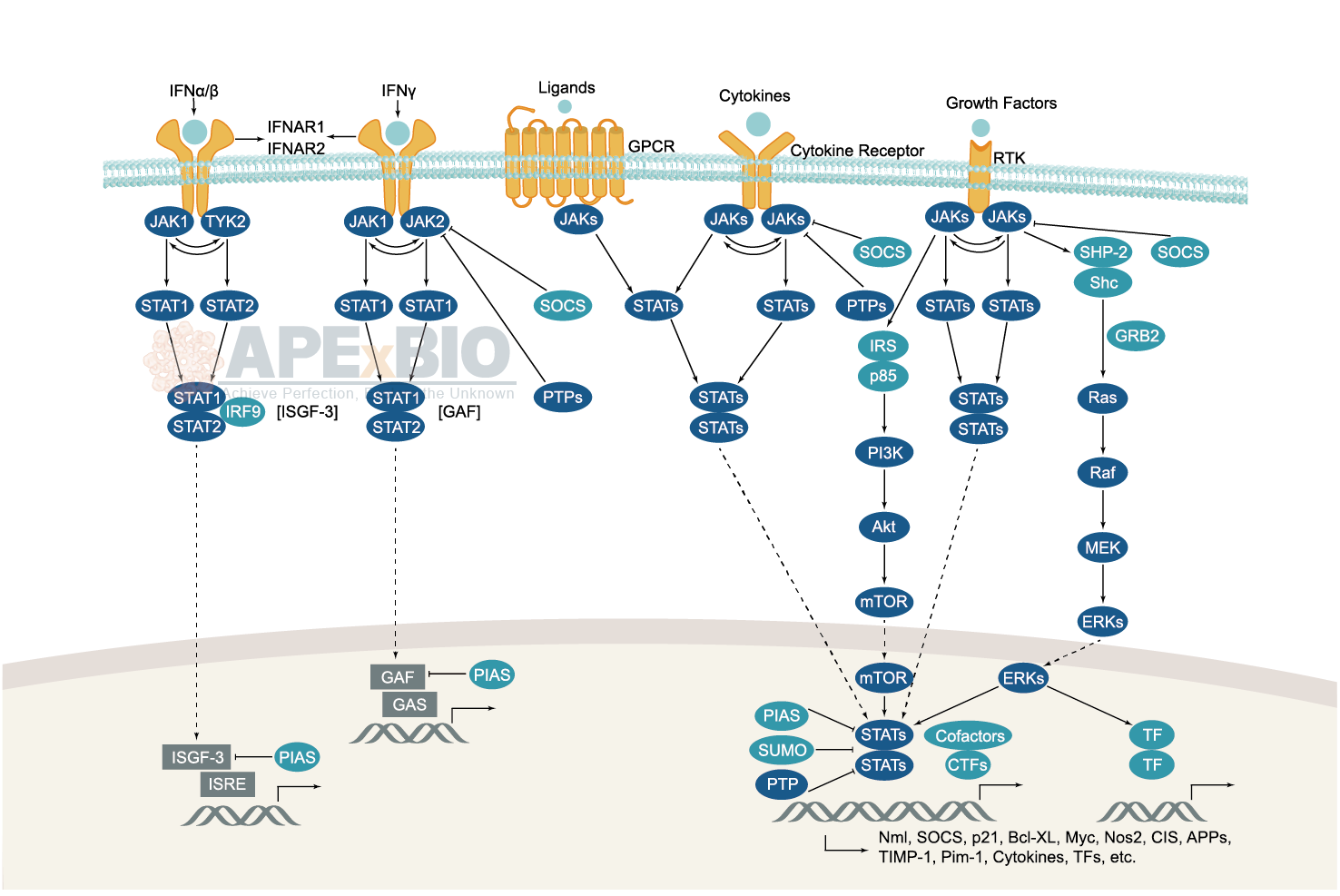
Various ligands including cytokines (e.g. interferons and interleukins), hormones (e.g. erythropoietin and growth hormone) and their cell surface receptors activate JAK proteins, which autophosphorylate, and then phosphorylate the receptor. Subsequently, JAKs phosphorylate a specific tyrosine residue on the STAT protein, promoting dimerization via SH2 domains. The activated STATs form homo-/heterodimers and translocate to the nucleus to trigger target gene transcription. In addition, suppressors of cytokine signaling (SOCS) family inhibit receptor signaling via homologous or heterologous feedback regulation. Dysregulation in JAK/STAT signaling is associated with diseases such as atherosclerosis, immunodeficiencies and cancer.
-
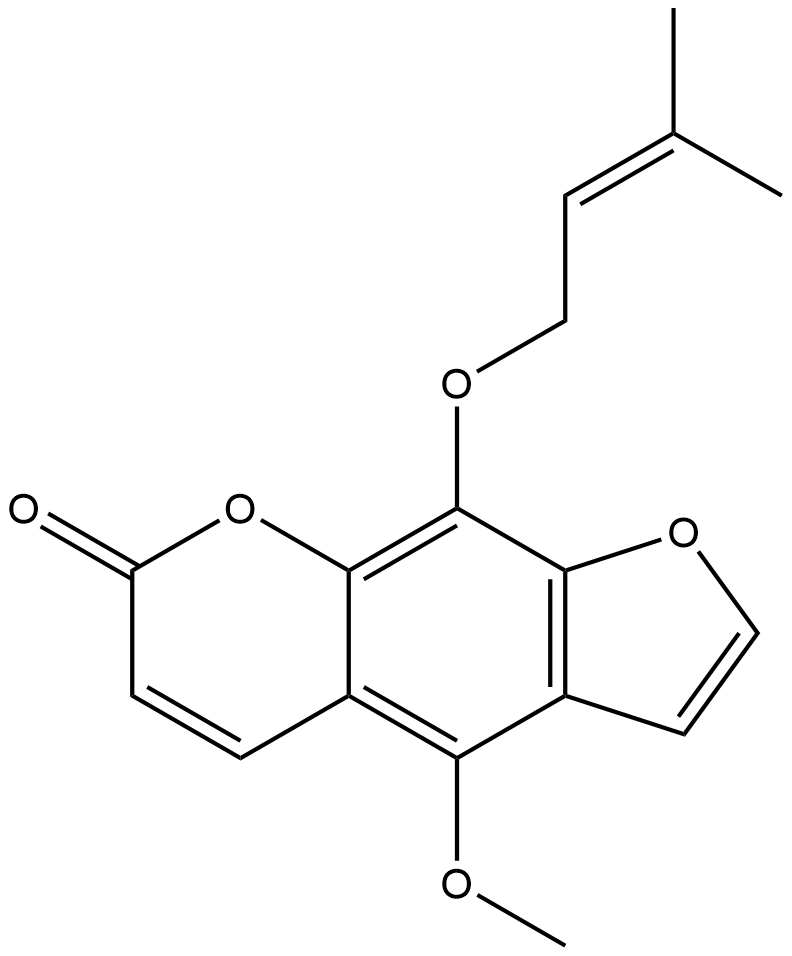 BA8685 PhellopterinSummary: An orally active furocoumarin that acts as a partial agonist of central benzodiazepine receptors, with anti-inflammatory activity via SIRT1 upregulation
 -
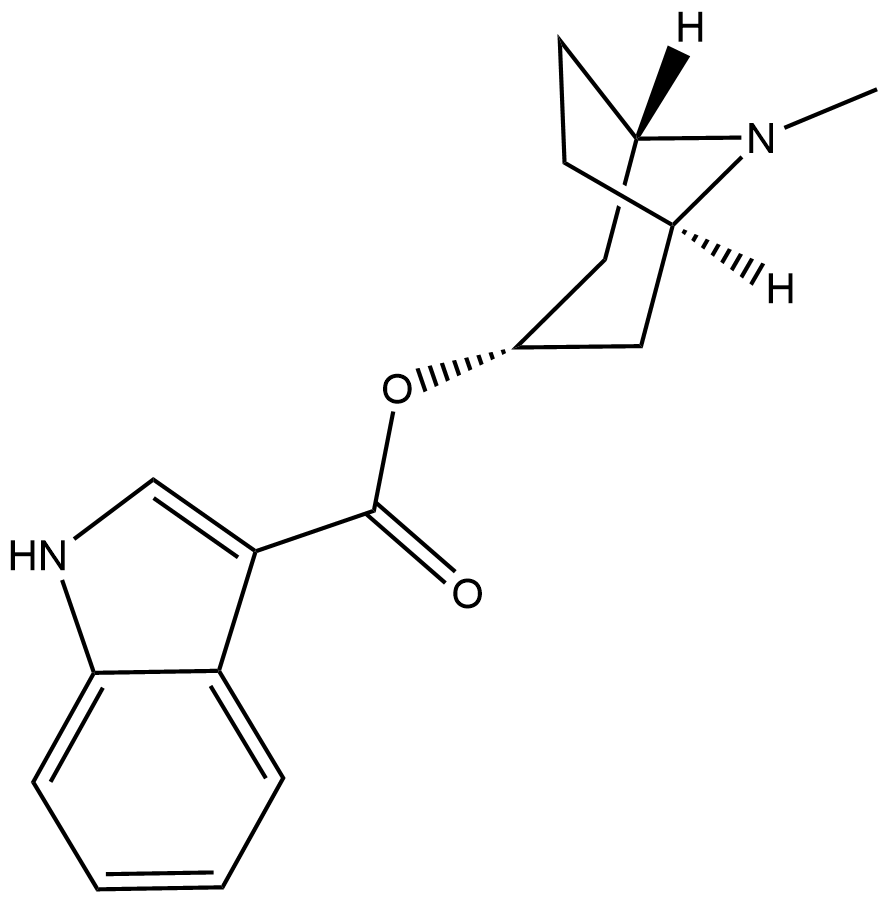 BA5012 TropisetronSummary: A 5-HT3 receptor antagonist
 -
 A8980 Avitinib maleateSummary: A third-generation EGFR and BTK dual-target irreversible inhibitor with oral activity.
 -
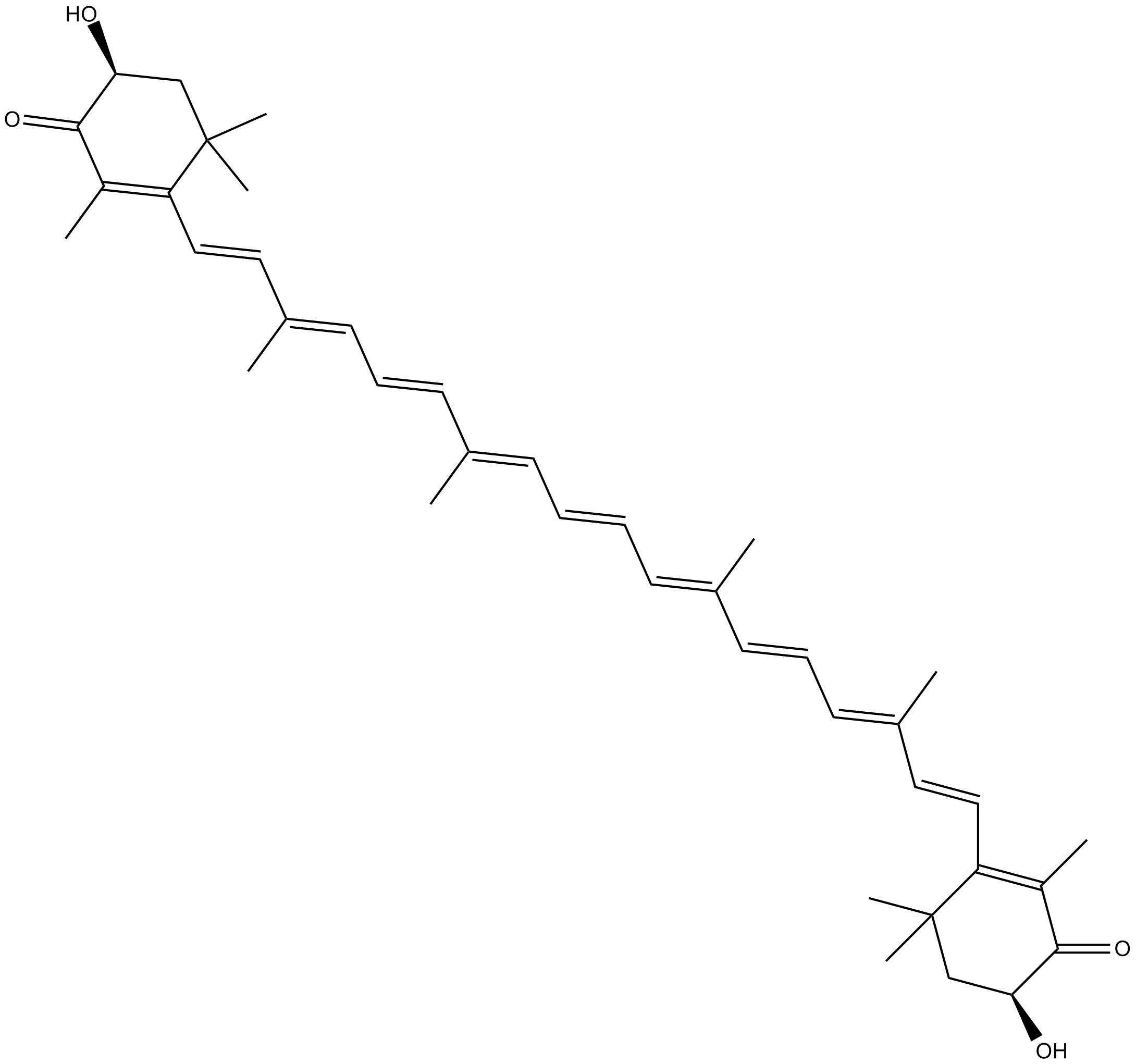 B8611 AstaxanthinSummary: A carotenoid with antioxidant, anti-inflammatory, anticancer, and feed coloring effects.
 -
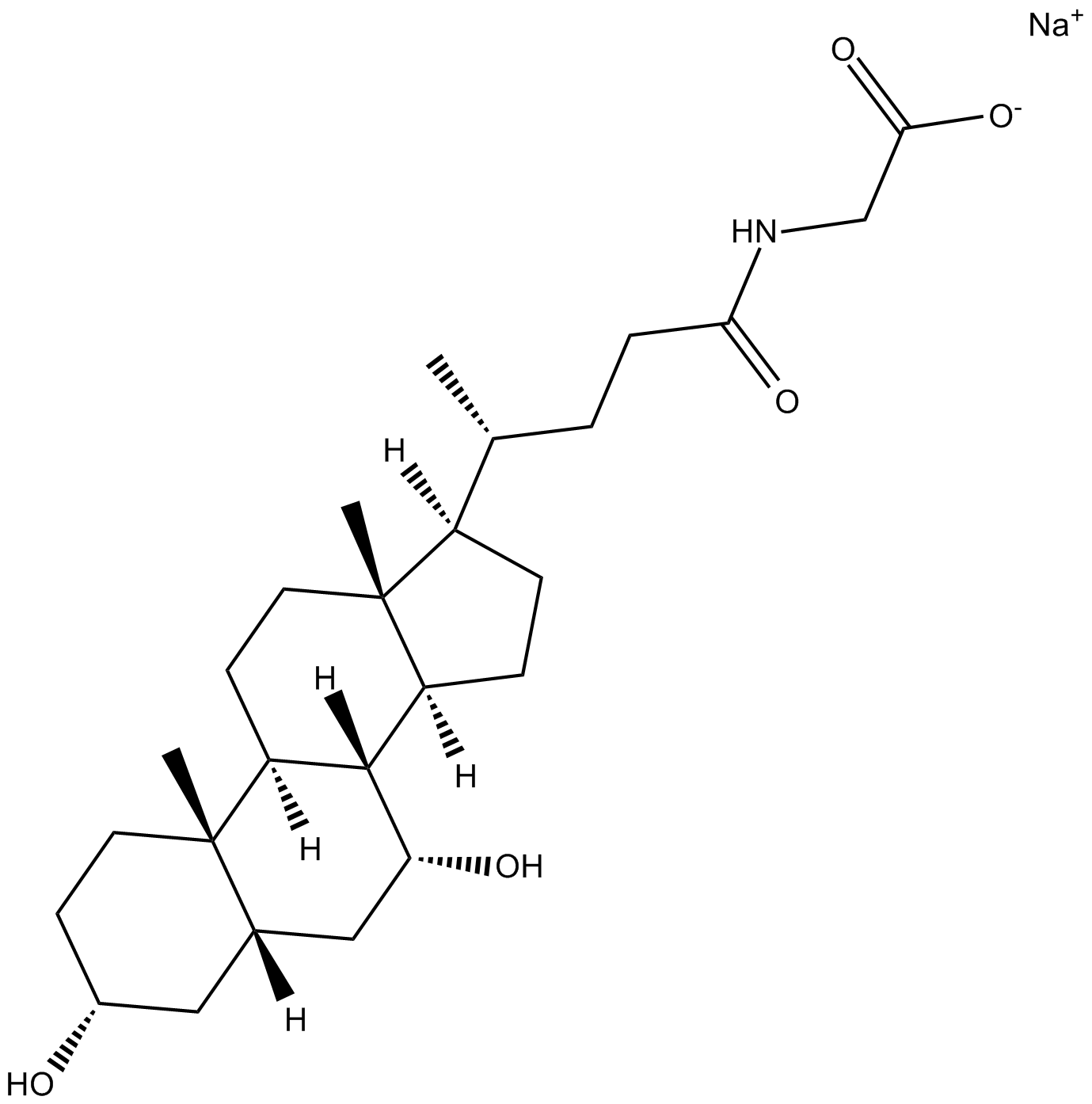 C3359 Glycochenodeoxycholic Acid (sodium salt)Summary: A bile acid metabolism modulator for research on cholestasis, liver cancer, and PSC.
 -
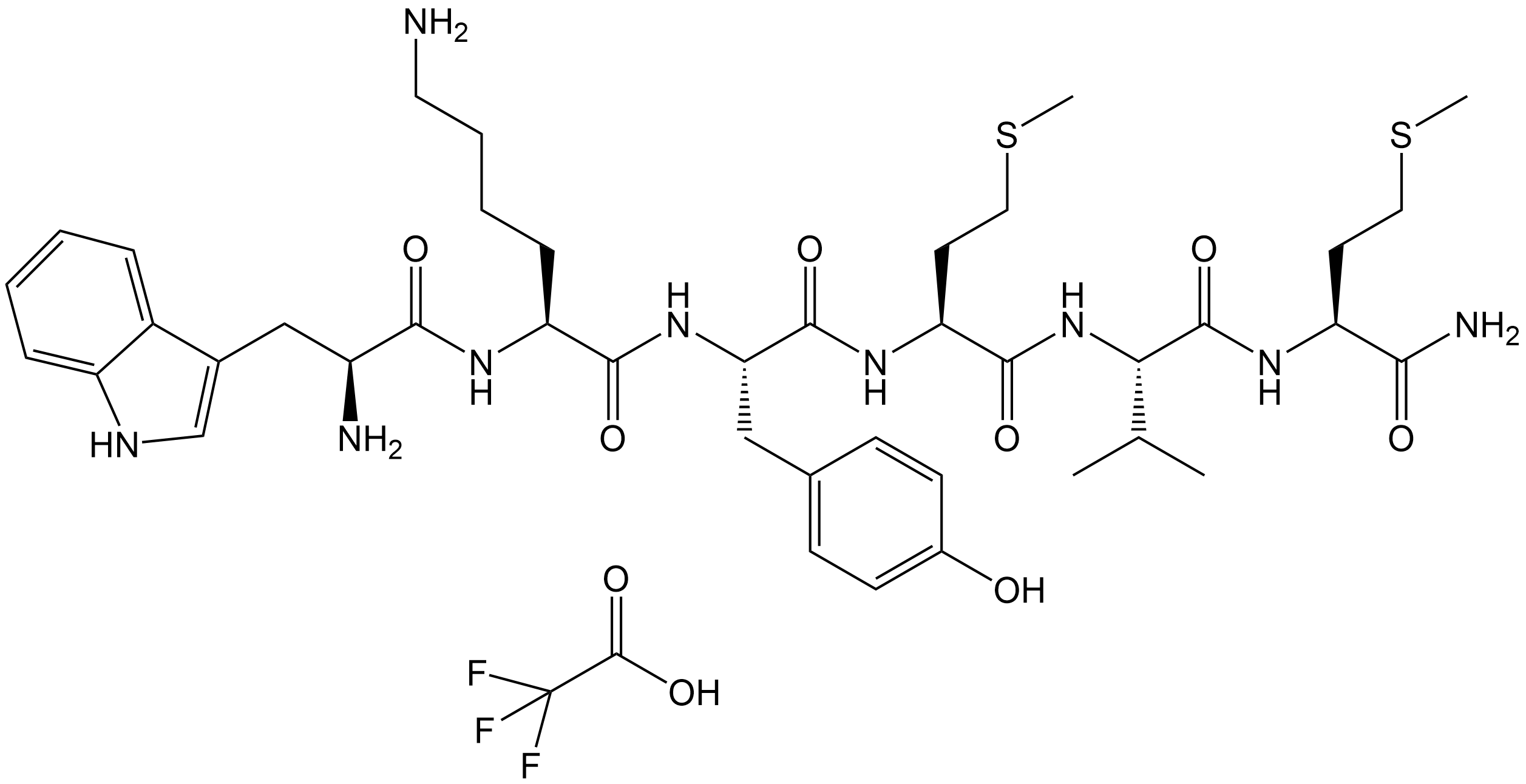 C8818 WKYMVM-NH2 TFASummary: Selective agonist of formyl peptide receptors (FPRs)
 -
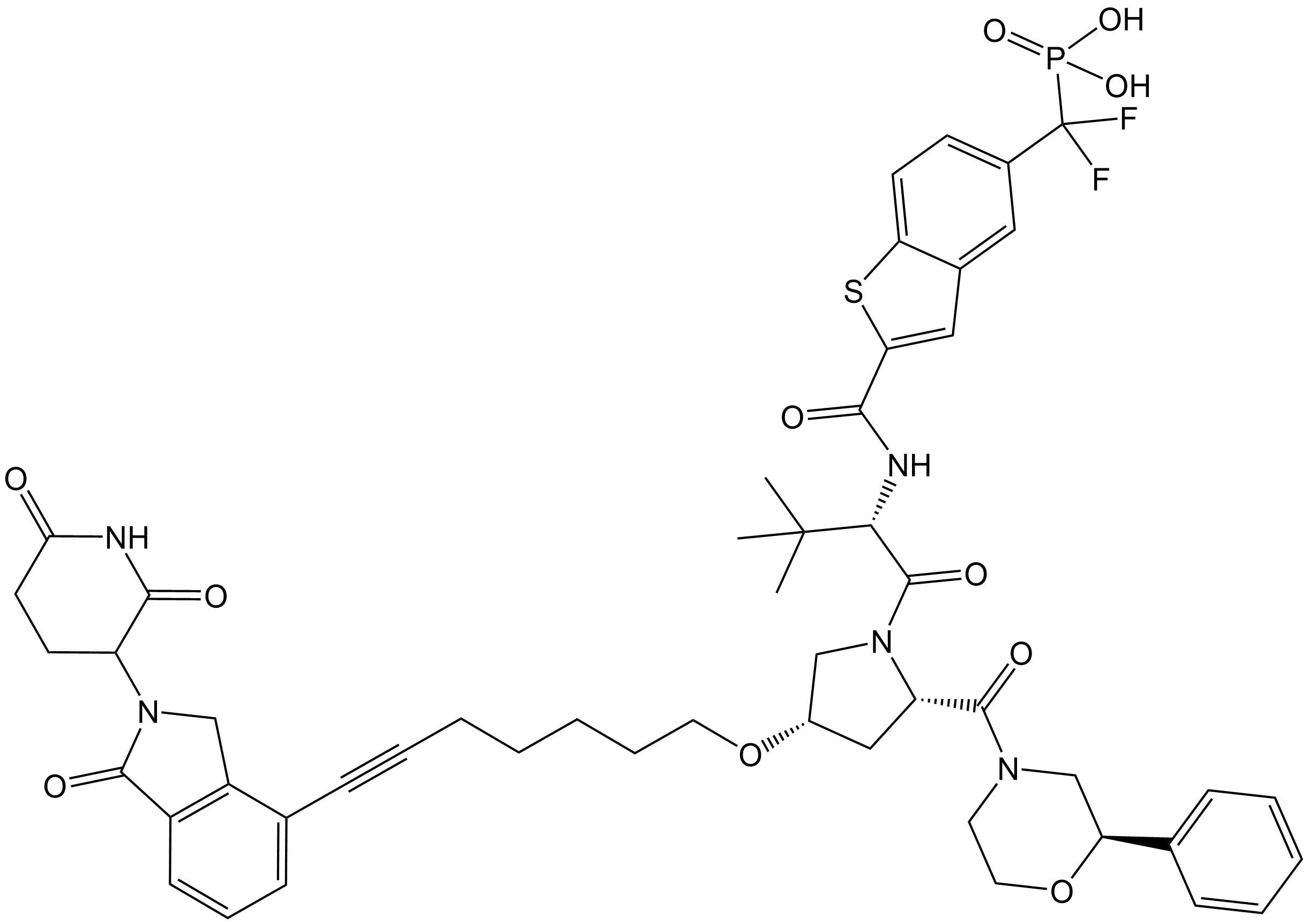 C8937 AK-1690Summary: A selective PROTAC degrader targeting STAT6
 -
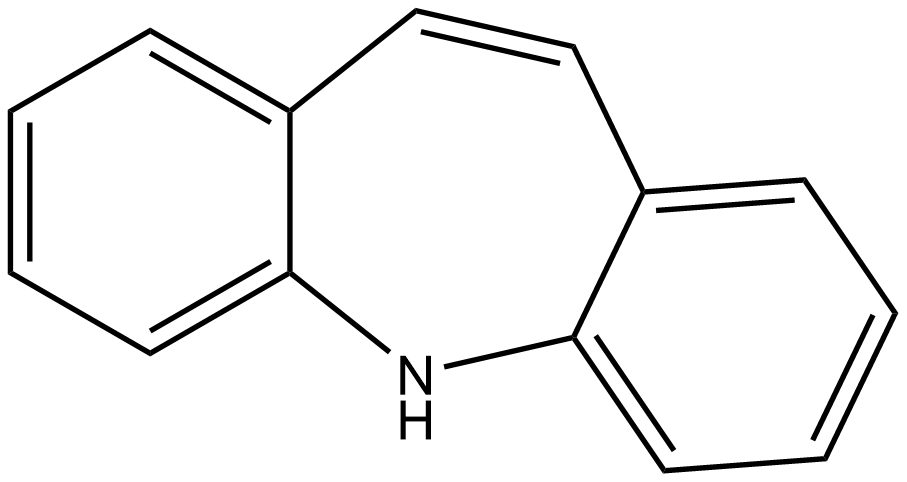 C8848 IminostilbeneSummary: Iminostilbene is a tricyclic dibenzazepine scaffold compound used as a synthetic intermediate and reference standard in neuropharmacology and medicinal chemistry research.
 -
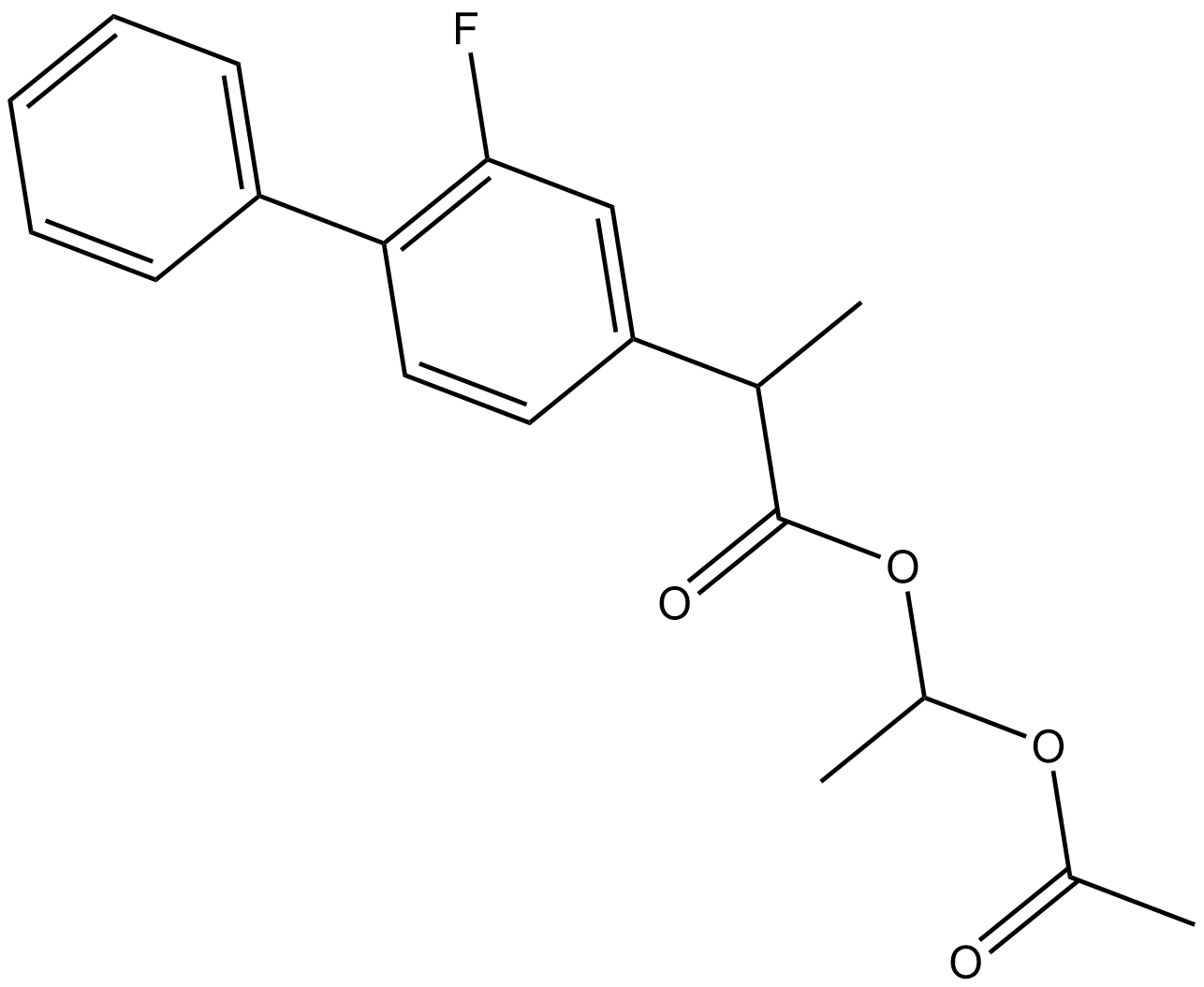 C8908 Flurbiprofen AxetilSummary: Flurbiprofen Axetil is a lipophilic prodrug of the nonselective cyclooxygenase inhibitor flurbiprofen, used to investigate prostaglandin-mediated inflammatory signaling in pharmacology research.
 -
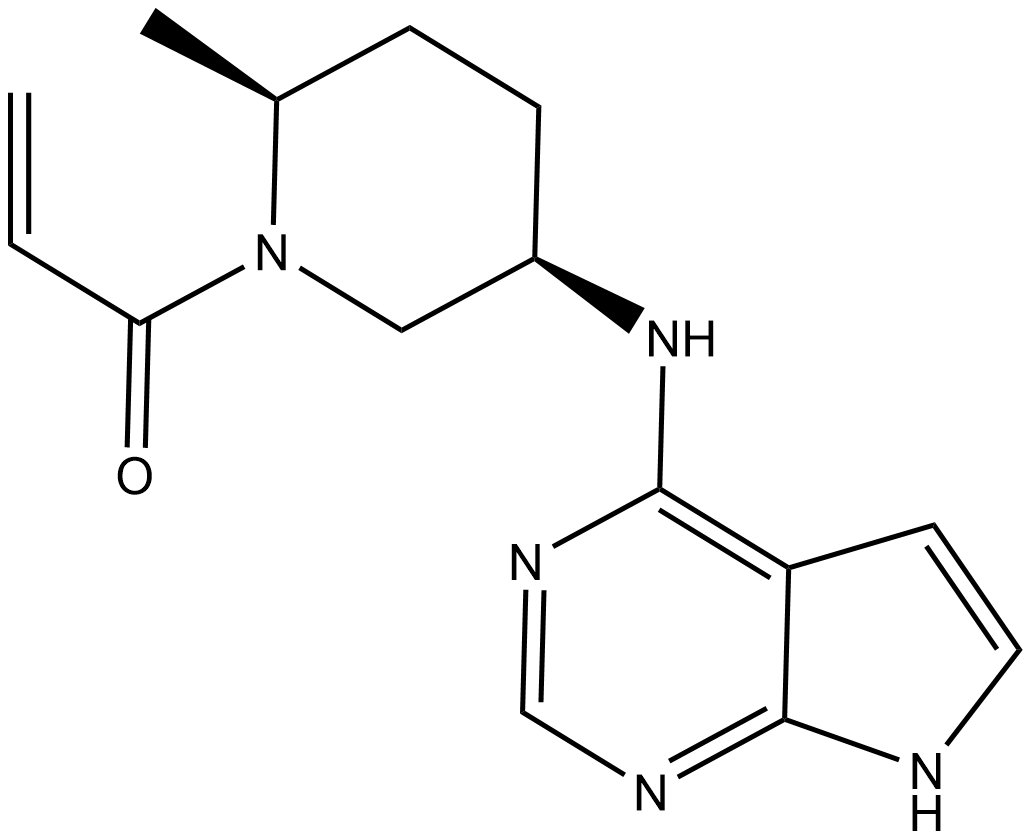 C8918 Ritlecitinib (PF-06651600)Summary: Ritlecitinib (PF-06651600; CAS 1792180-81-4) is a selective covalent JAK3/TEC family kinase inhibitor used to investigate cytokine signaling and immune-cell pathway biology.