


DNA Damage/DNA Repair
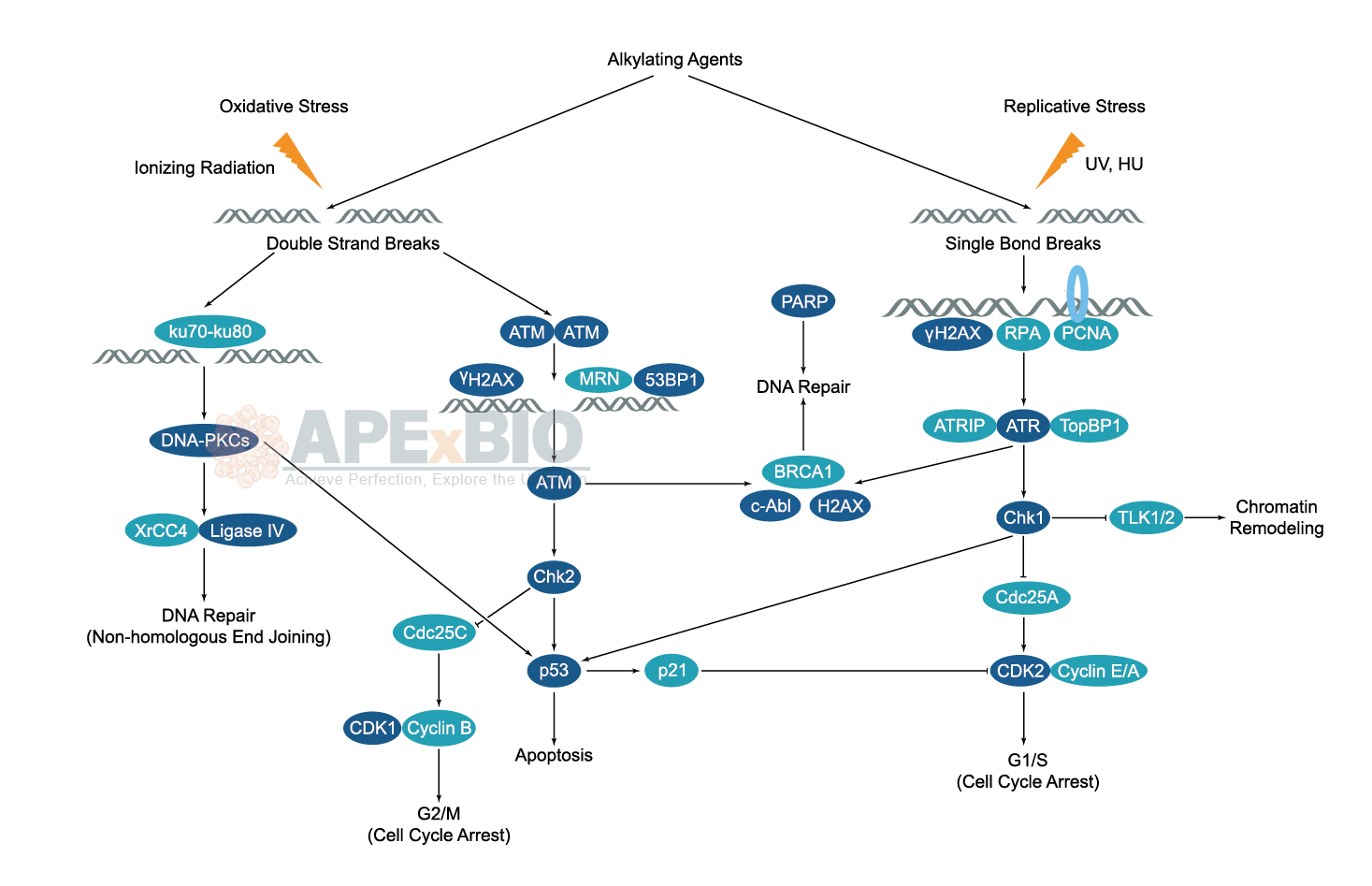
The DNA in a human cell receives tens of thousands of damages per day due to both external (exogenous) and internal (endogenous) stress. The exogenous damages are caused by chemical contamination, UV light, ionizing radiation and alkylation/methylation etc, while the endogenous damages are coming from oxidation, alkylation and hydrolysis of bases etc. Since single strand and double strand breaks of DNA will occur after the damage, unrepaired DNA damage leads to cell senescent, apoptosis and malignancies etc. To overcome this threat, cell has developed DNA damage response, to detect DNA damage and mediate its repair.
DNA repair involves multiple mechanisms such as mismatch, base excision, and nucleotide excision repair etc. A group of proteins and pathways are participated in those processes. ATM/ATR kinases and DNA-PK are crucial for the detection of the DNA damage. Chromatin remodelers regulate chromatin accessibility for the DNA repair factors to function. RPA, Rad51 and the fanconi anemia proteins act directly on repairing the DNA damage. p53 network, the RAS GTPase superfamily, and the ubiquitin system also play important part in the DNA damage response. Aberrant DNA damage response is linked to aging, cancer and immune diseases.
-
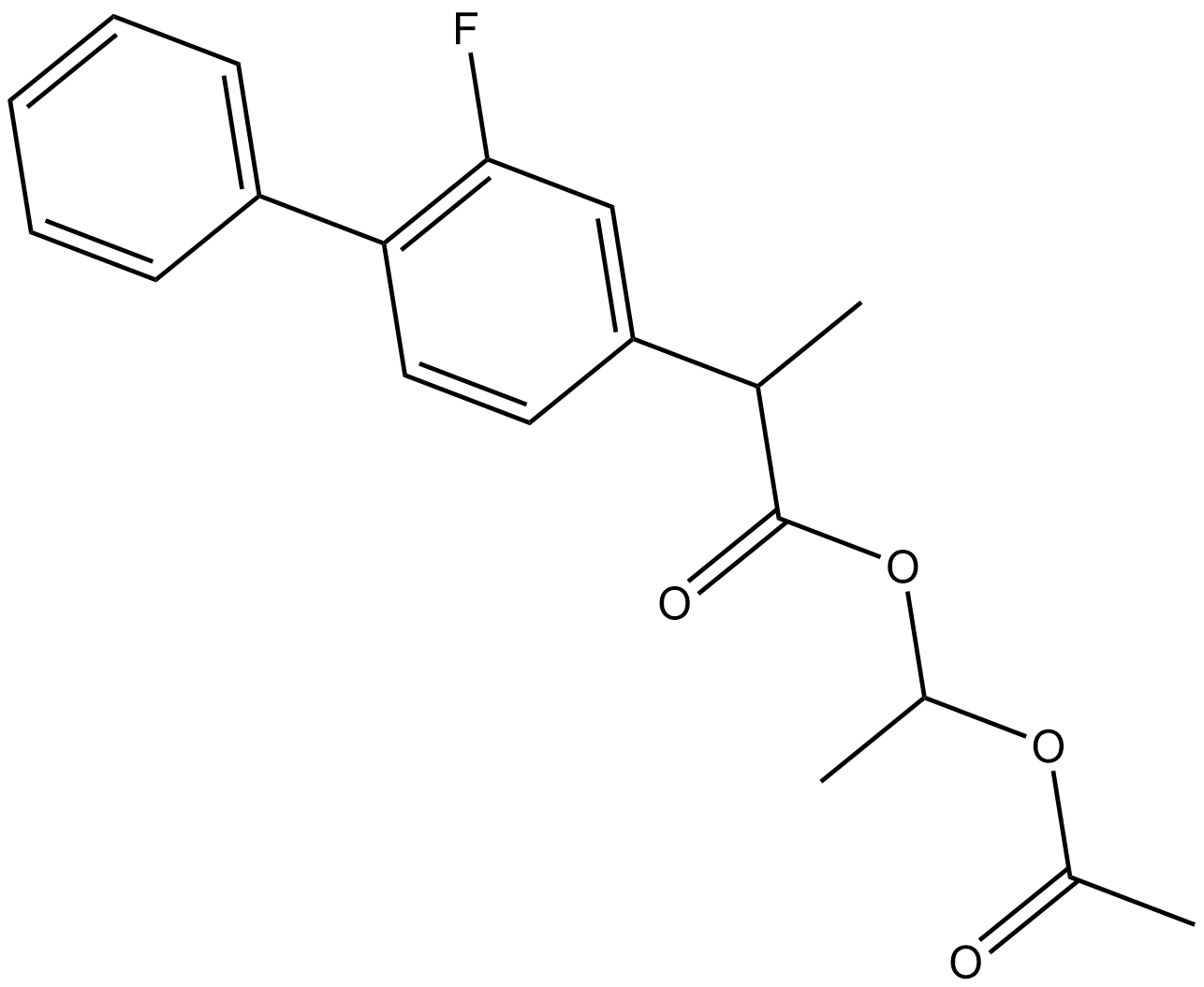 C8908 Flurbiprofen AxetilSummary: Flurbiprofen Axetil is a lipophilic prodrug of the nonselective cyclooxygenase inhibitor flurbiprofen, used to investigate prostaglandin-mediated inflammatory signaling in pharmacology research.
 -
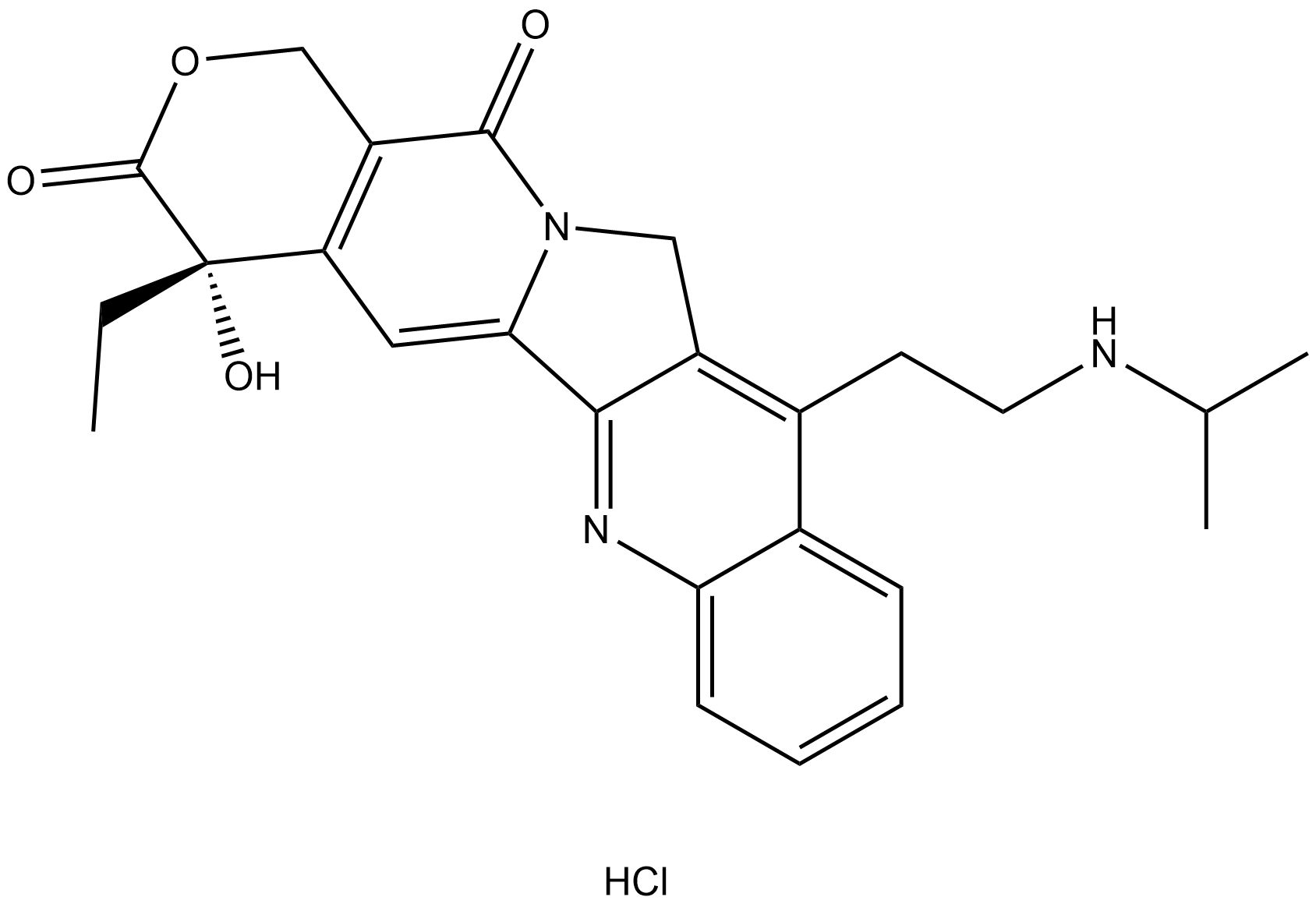 C8932 Belotecan (CKD-602) hydrochlorideSummary: Belotecan (CKD-602) hydrochloride is a water-soluble camptothecin-derived topoisomerase I inhibitor widely utilized in mechanistic and preclinical oncology research.
 -
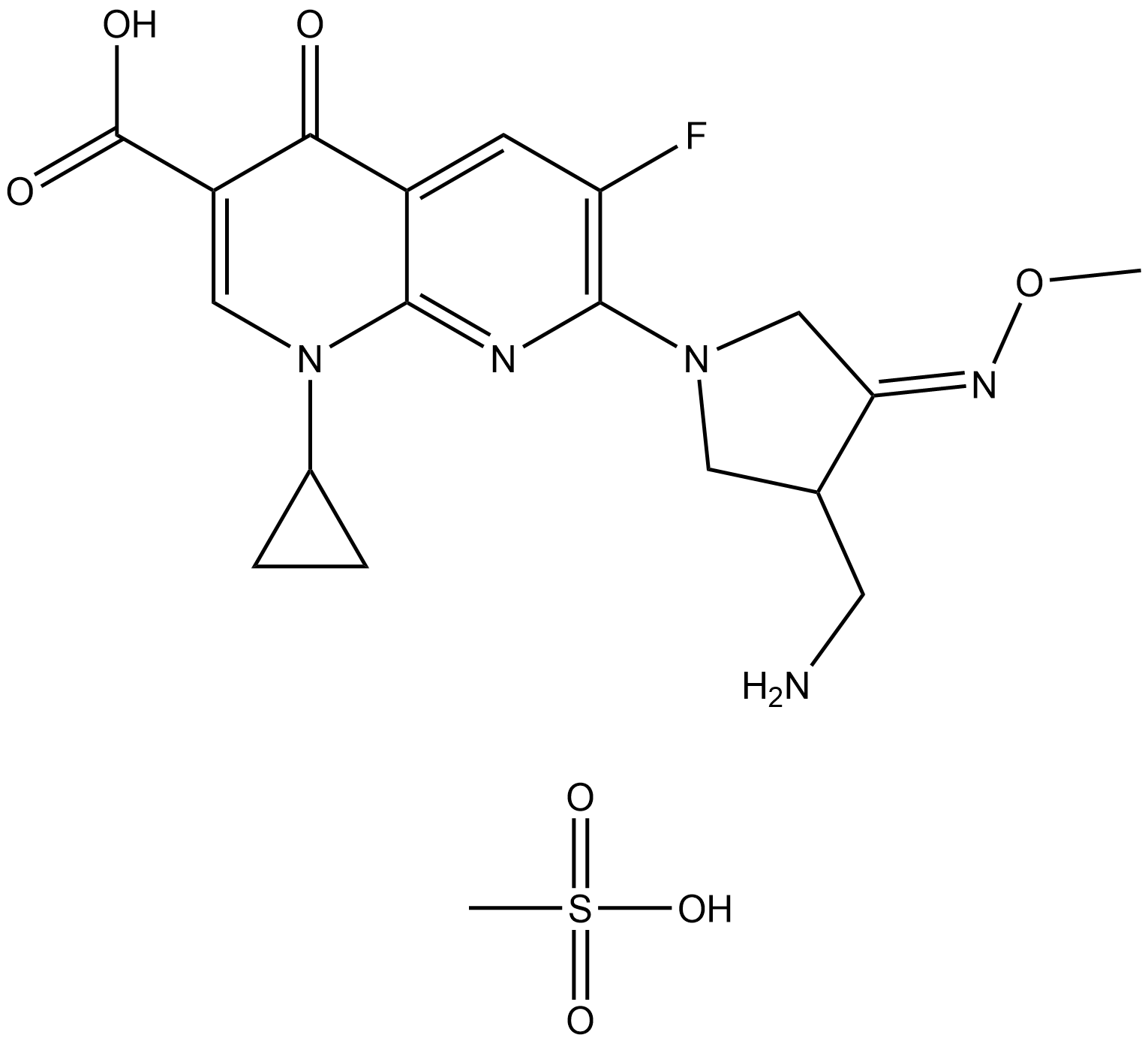 C8970 Gemifloxacin mesylateSummary: Gemifloxacin mesylate is a fluoroquinolone antibacterial agent targeting DNA gyrase and topoisomerase IV, widely utilized in microbiology and bacterial resistance mechanism research.
 -
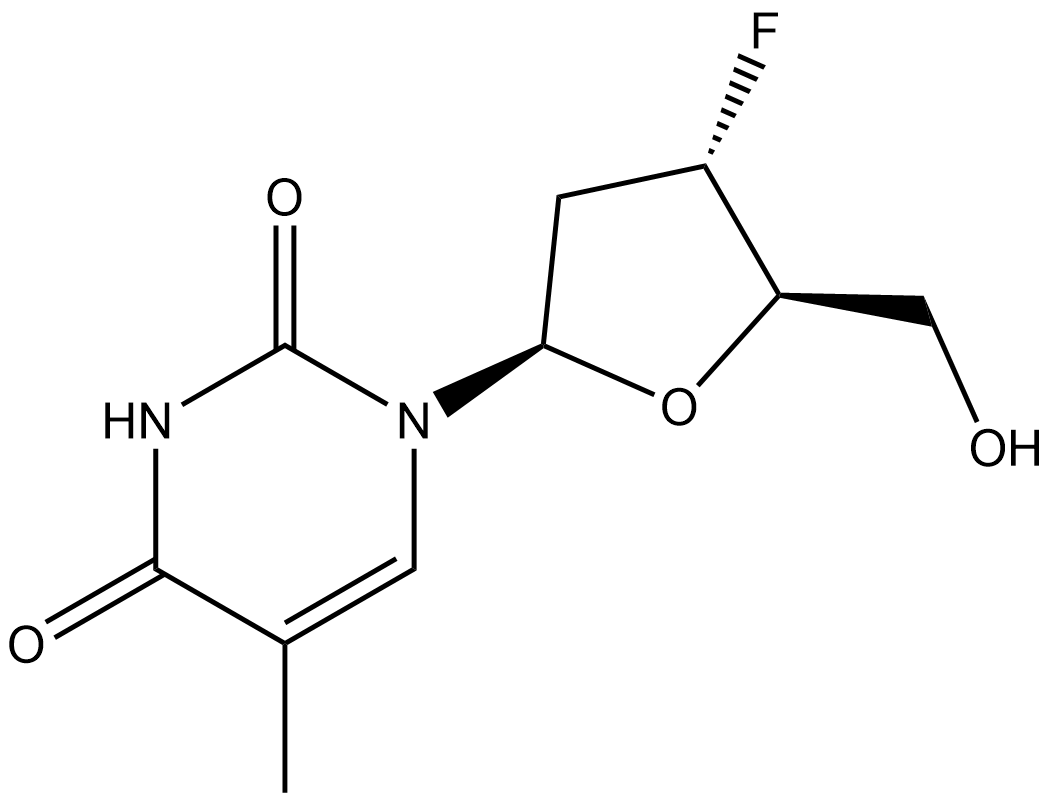 C9037 3'-Fluoro-3'-deoxythymidine (Alovudine)Summary: 3'-Fluoro-3'-deoxythymidine (Alovudine) is a fluorinated thymidine nucleoside analog that inhibits reverse transcriptase and is utilized in antiviral mechanism and nucleoside metabolism research.
 -
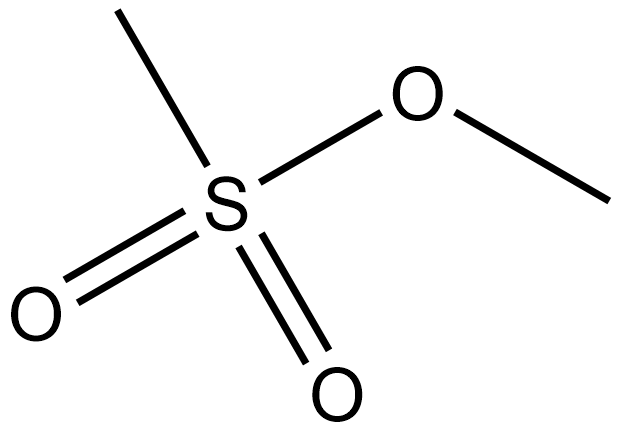 C9043 Methyl methanesulfonateSummary: Methyl methanesulfonate is a DNA-alkylating mutagen that induces genotoxic stress and is widely utilized in DNA damage response and repair research.
 -
 N2928 Dracohodin perochlorateSummary: Dracohodin perochlorate is a synthetic small molecule investigated for modulation of cellular signaling pathways and utilized in mechanistic studies of inflammation and oncology biology.
 -
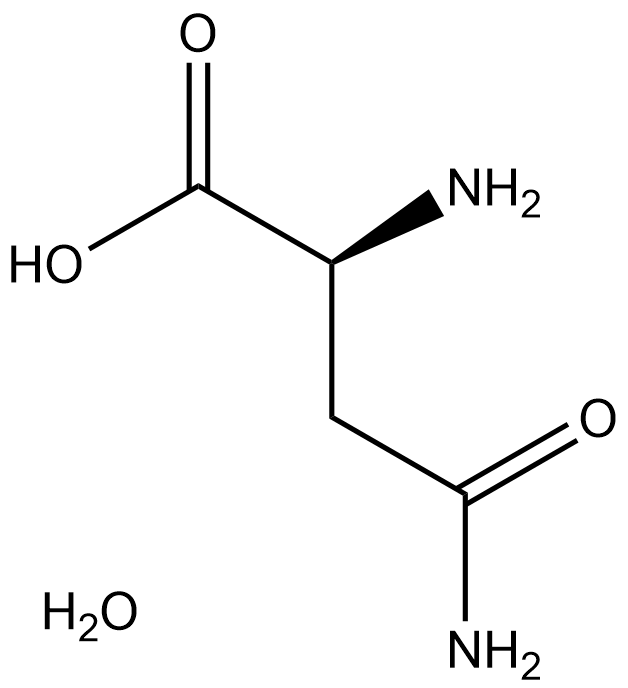 N2944 L(+)-Asparagine monohydrateSummary: L(+)-Asparagine monohydrate is a proteinogenic amino acid reagent supporting amino acid metabolism and protein biosynthesis studies in cell biology and biochemical research.
 -
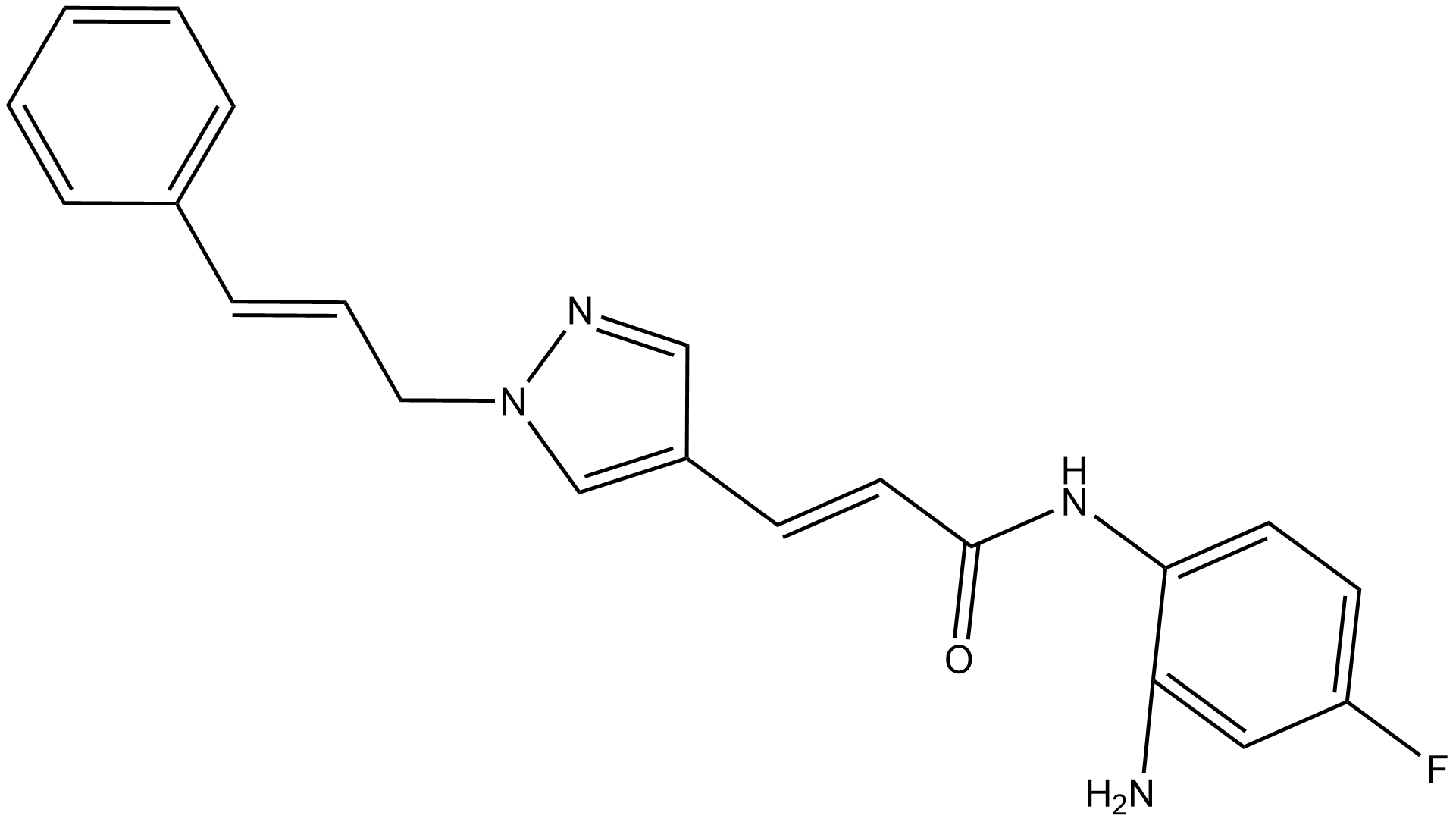 C9049 RGFP966Summary: A CNS-penetrant selective HDAC3 inhibitor for epigenetics-related scientific research.
 -
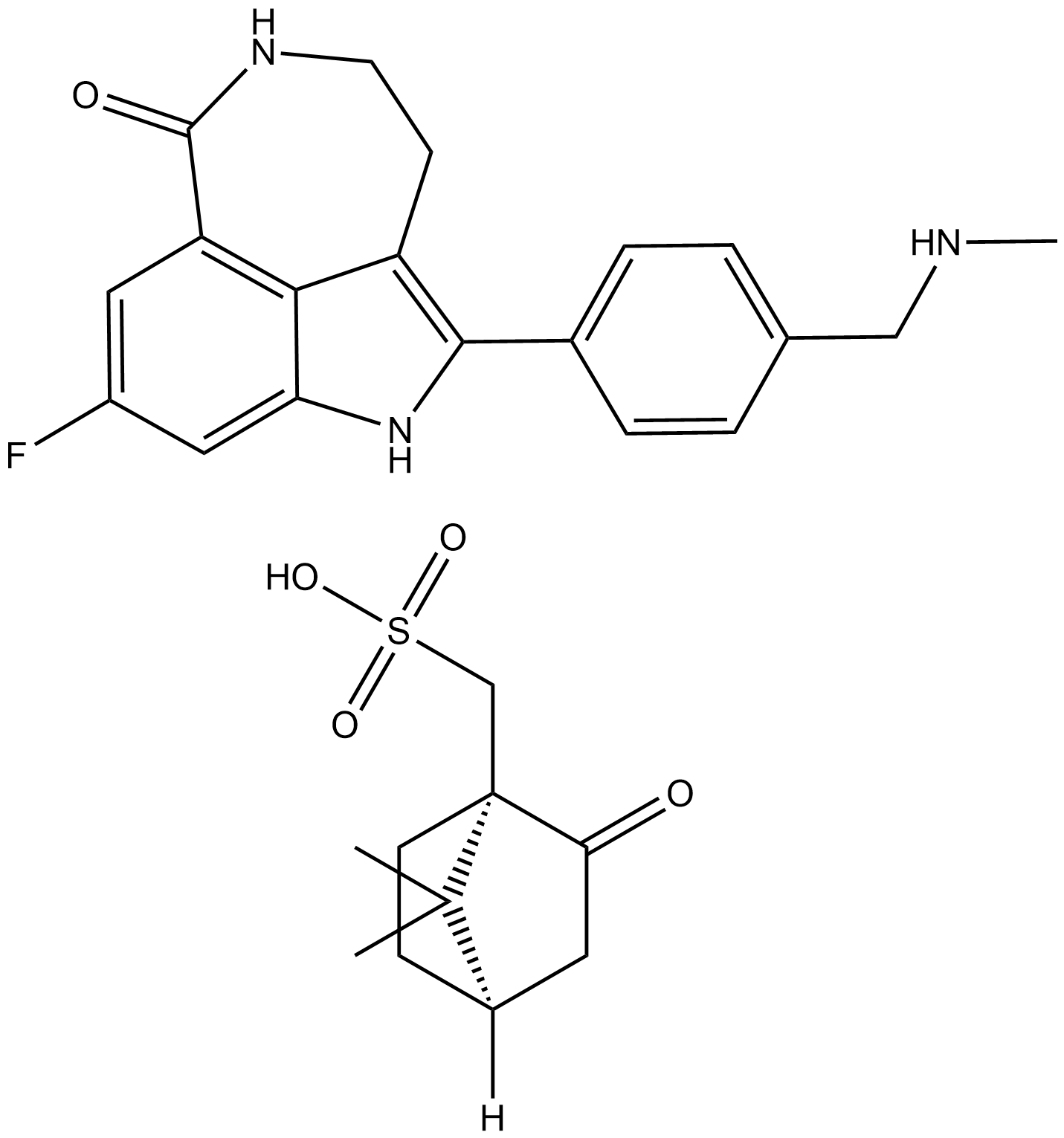 C9053 Rucaparib monocamsylateSummary: A small-molecule PARP inhibitor for research related to DNA repair pathways.
 -
 C9060 Pemetrexed disodium heptahydrateSummary: A folate antagonist antimetabolite that inhibits folate-dependent enzymes, used for in vitro research on metabolism and cells.