


DNA Damage/DNA Repair
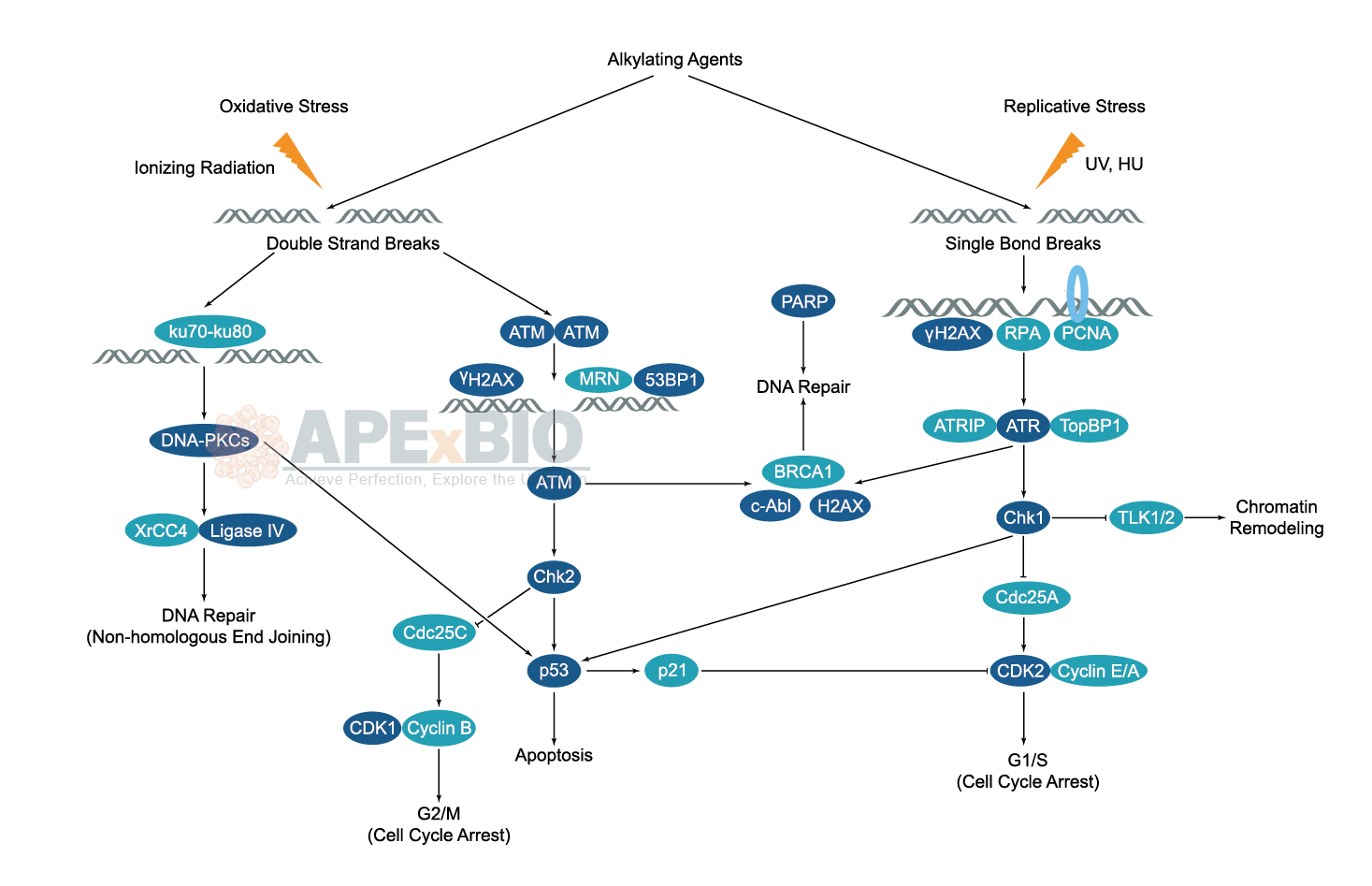
The DNA in a human cell receives tens of thousands of damages per day due to both external (exogenous) and internal (endogenous) stress. The exogenous damages are caused by chemical contamination, UV light, ionizing radiation and alkylation/methylation etc, while the endogenous damages are coming from oxidation, alkylation and hydrolysis of bases etc. Since single strand and double strand breaks of DNA will occur after the damage, unrepaired DNA damage leads to cell senescent, apoptosis and malignancies etc. To overcome this threat, cell has developed DNA damage response, to detect DNA damage and mediate its repair.
DNA repair involves multiple mechanisms such as mismatch, base excision, and nucleotide excision repair etc. A group of proteins and pathways are participated in those processes. ATM/ATR kinases and DNA-PK are crucial for the detection of the DNA damage. Chromatin remodelers regulate chromatin accessibility for the DNA repair factors to function. RPA, Rad51 and the fanconi anemia proteins act directly on repairing the DNA damage. p53 network, the RAS GTPase superfamily, and the ubiquitin system also play important part in the DNA damage response. Aberrant DNA damage response is linked to aging, cancer and immune diseases.
-
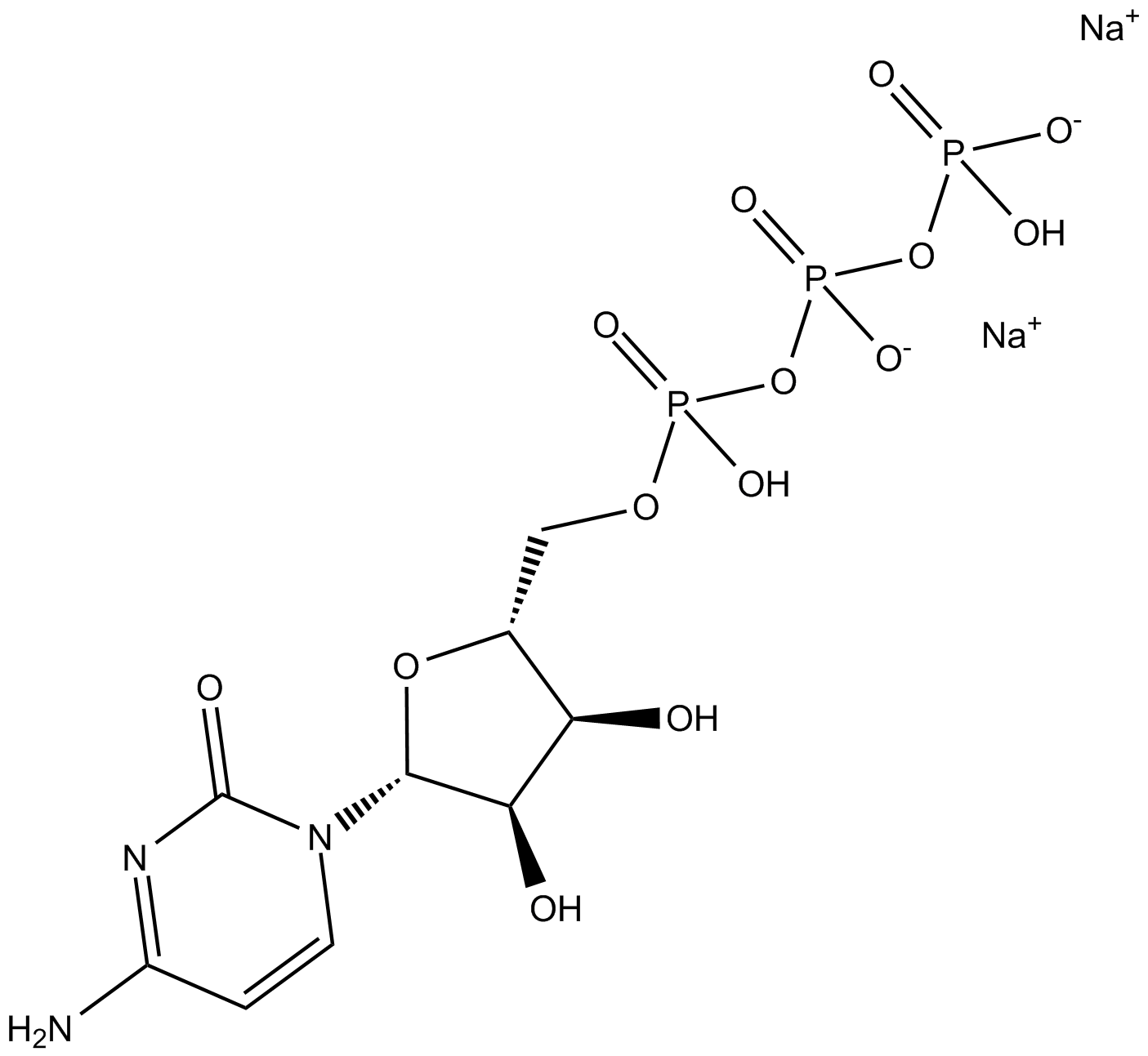 C4631 Cytidine 5'-triphosphate (sodium salt)Summary: An endogenous metabolite used for research on nucleic acid synthesis and nucleotide metabolism.
 -
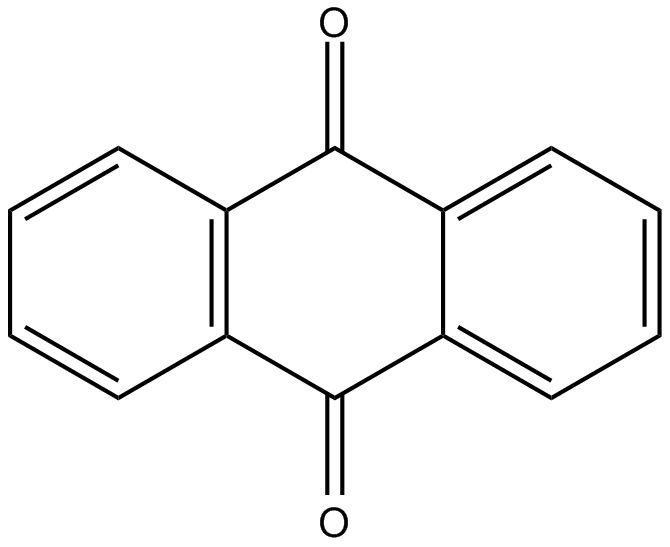 C6235 AnthraquinoneSummary: Intercalates into DNA and inhibits topoisomerase II, inducing apoptosis.
 -
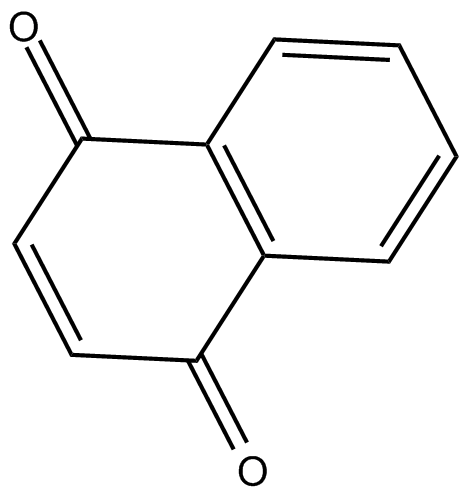 C6296 1,4-NaphthoquinoneSummary: Can inhibit MAO and DNA topoisomerase activity, used for tumor and neuropharmacology research.
 -
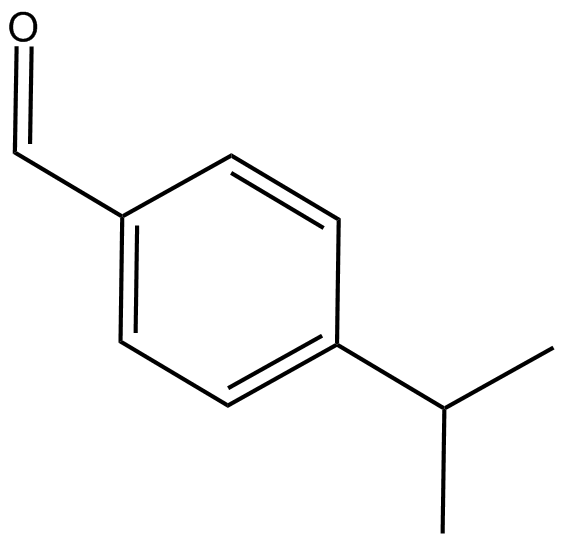 C6353 CuminaldehydeSummary: Exhibits bioactivities such as anti-inflammatory, anticancer, antidiabetic, and neuroprotective effects.
 -
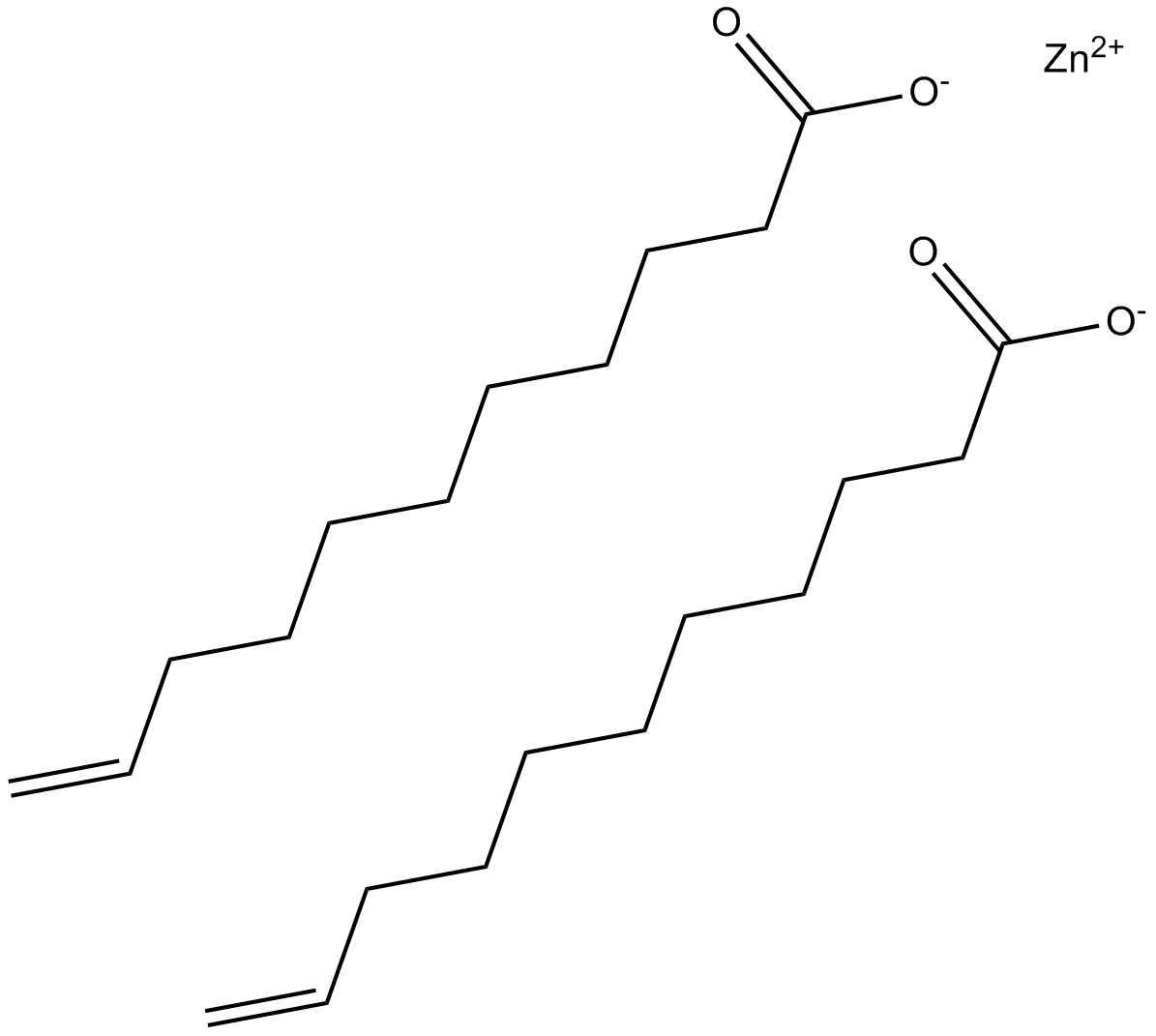 C6644 Zinc UndecylenateSummary: A Zika virus RdRp inhibitor with antiviral activity, used for ZIKV research.
 -
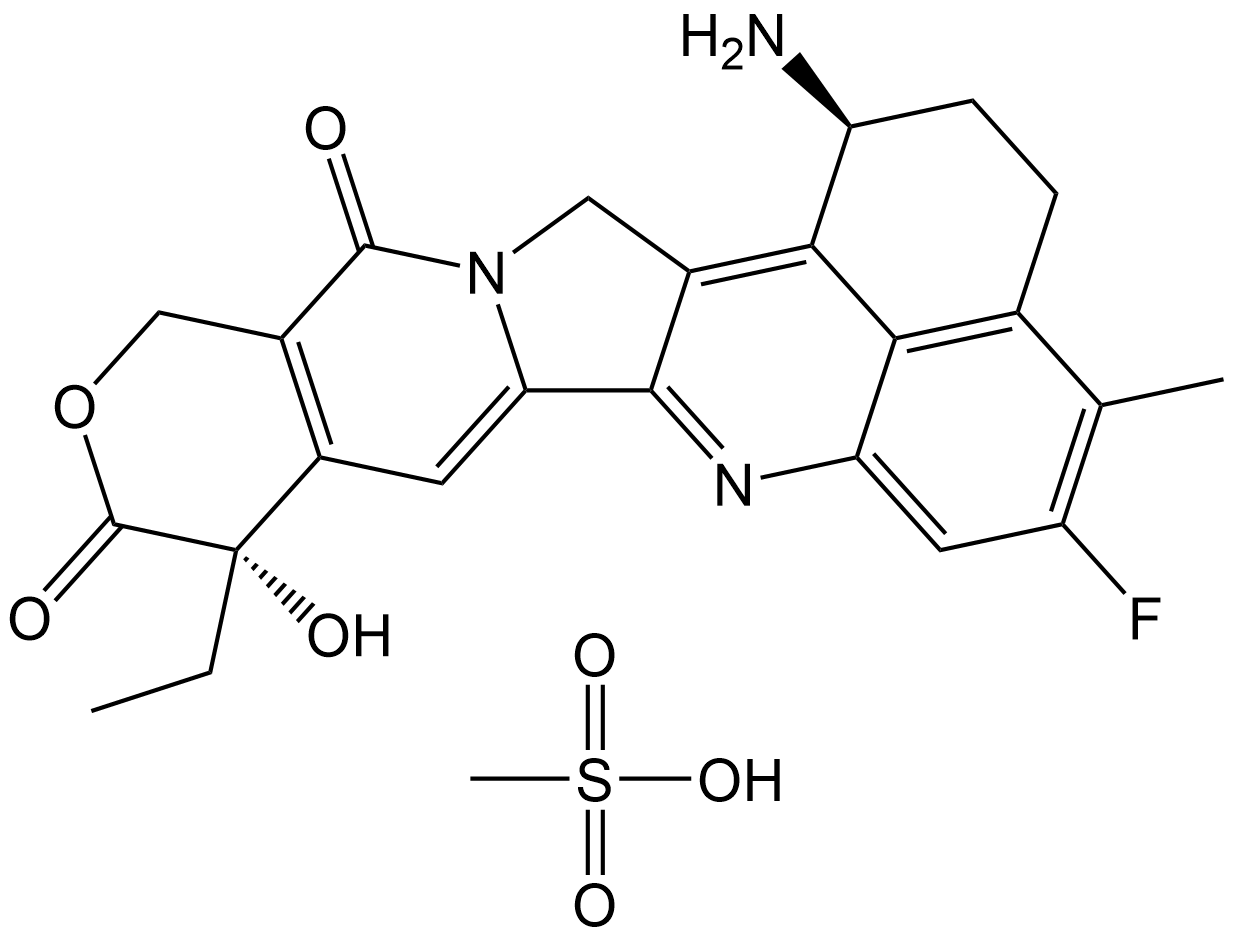 C8780 Exatecan MesylateSummary: Exatecan Mesylate is a camptothecin-derived topoisomerase I inhibitor used in cancer research to investigate DNA damage responses, replication stress, and cytotoxicity mechanisms.
 -
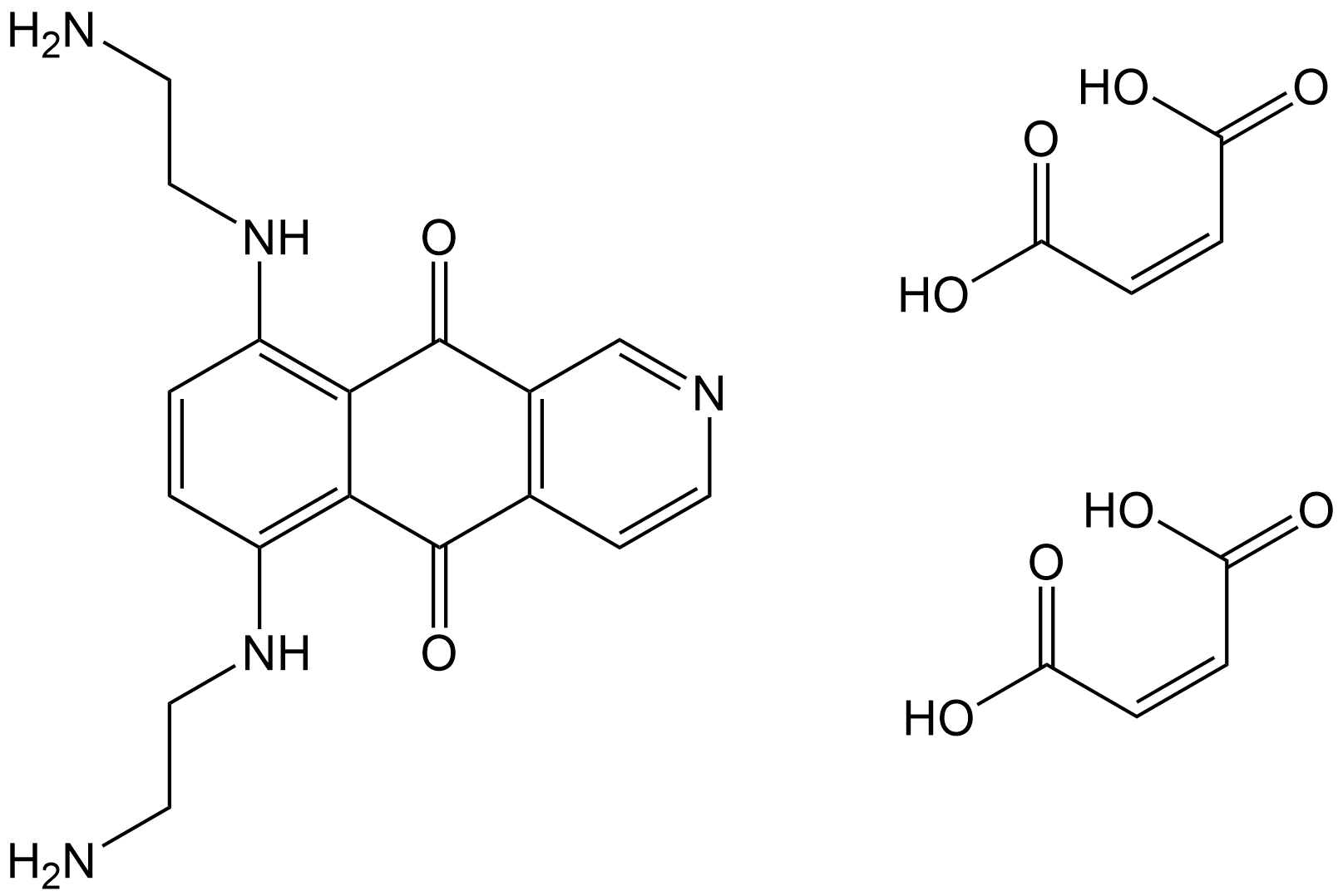 C8807 Pixantrone dimaleateSummary: Topoisomerase II (IIα/IIβ) inhibitor, and a multitarget inhibitor of cervical cancer-related targets DNA polymerase ε subunit, integrin α-V β-8, and TBK1
 -
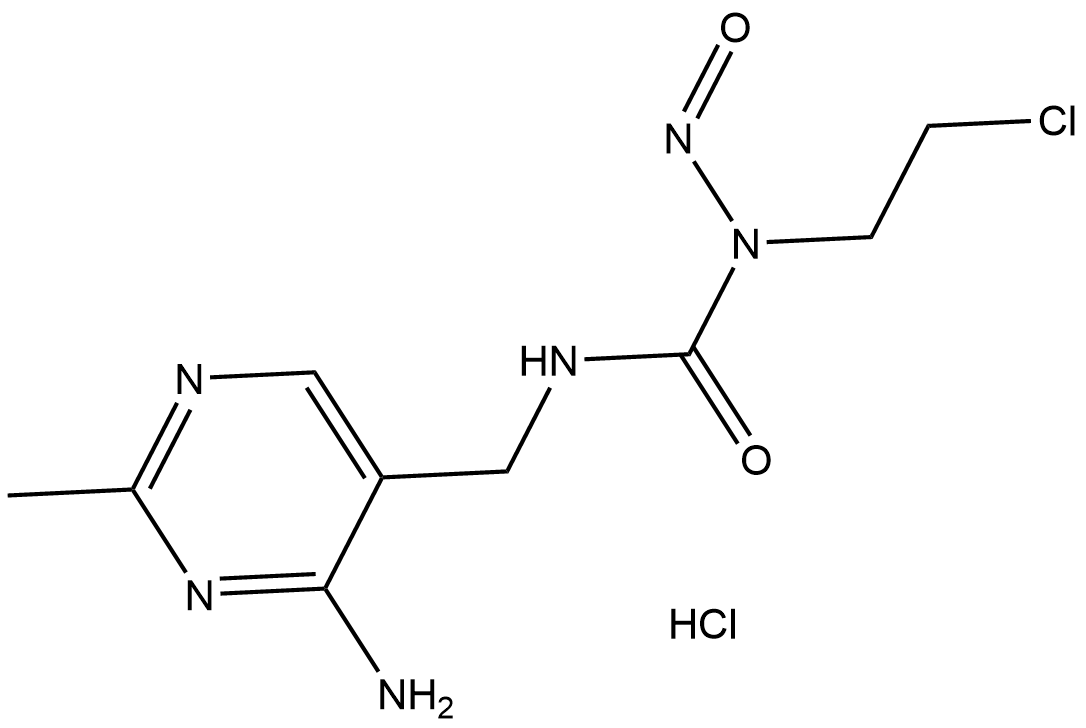 C8863 Nimustine HydrochlorideSummary: Nimustine Hydrochloride is a nitrosourea alkylating agent that induces DNA crosslinking and is widely utilized in cancer biology and DNA damage response research.
 -
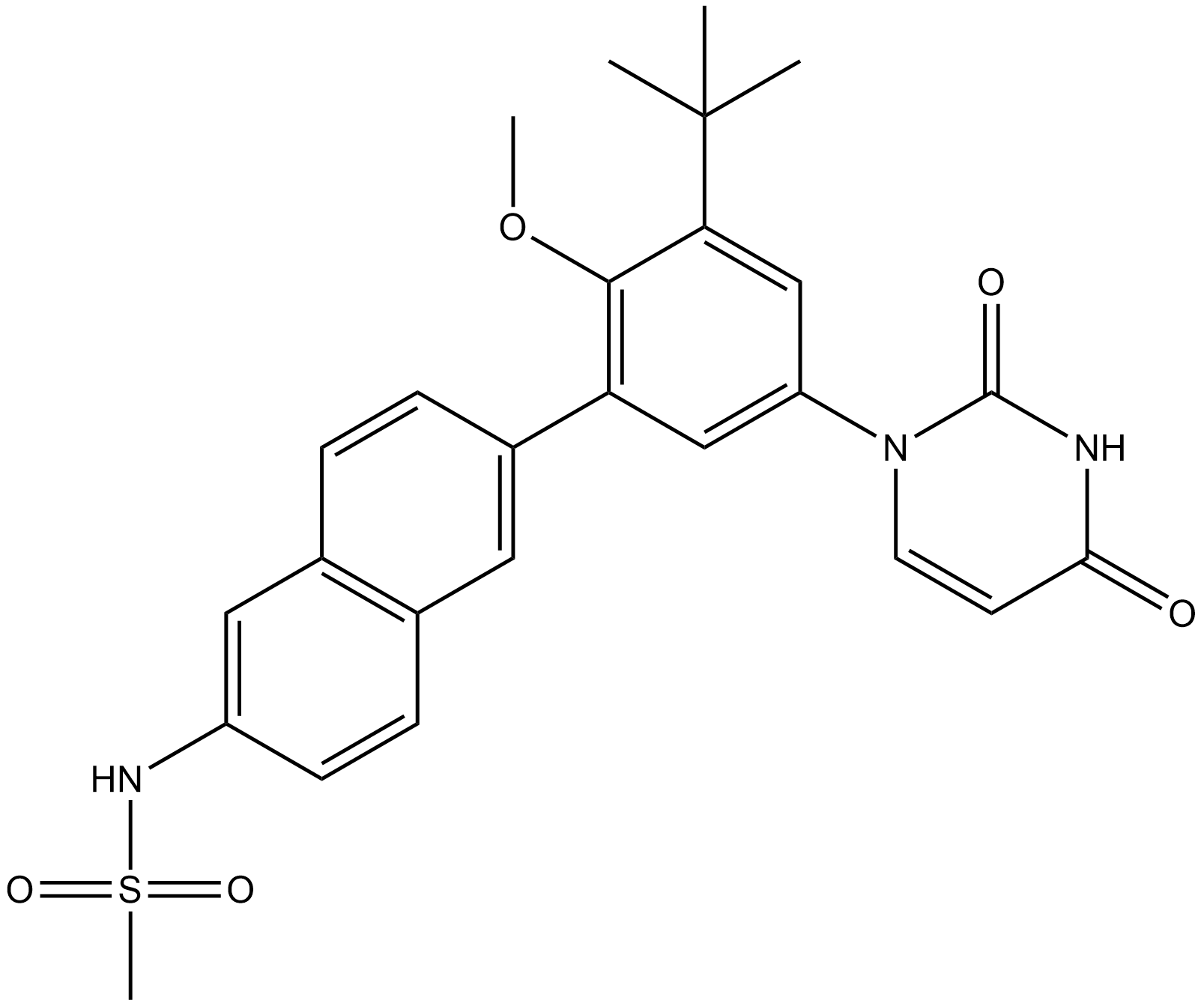 C8873 Dasabuvir (ABT-333)Summary: Dasabuvir (ABT-333) is a non-nucleoside inhibitor of hepatitis C virus NS5B RNA-dependent RNA polymerase, widely utilized in antiviral replication and virology research.
 -
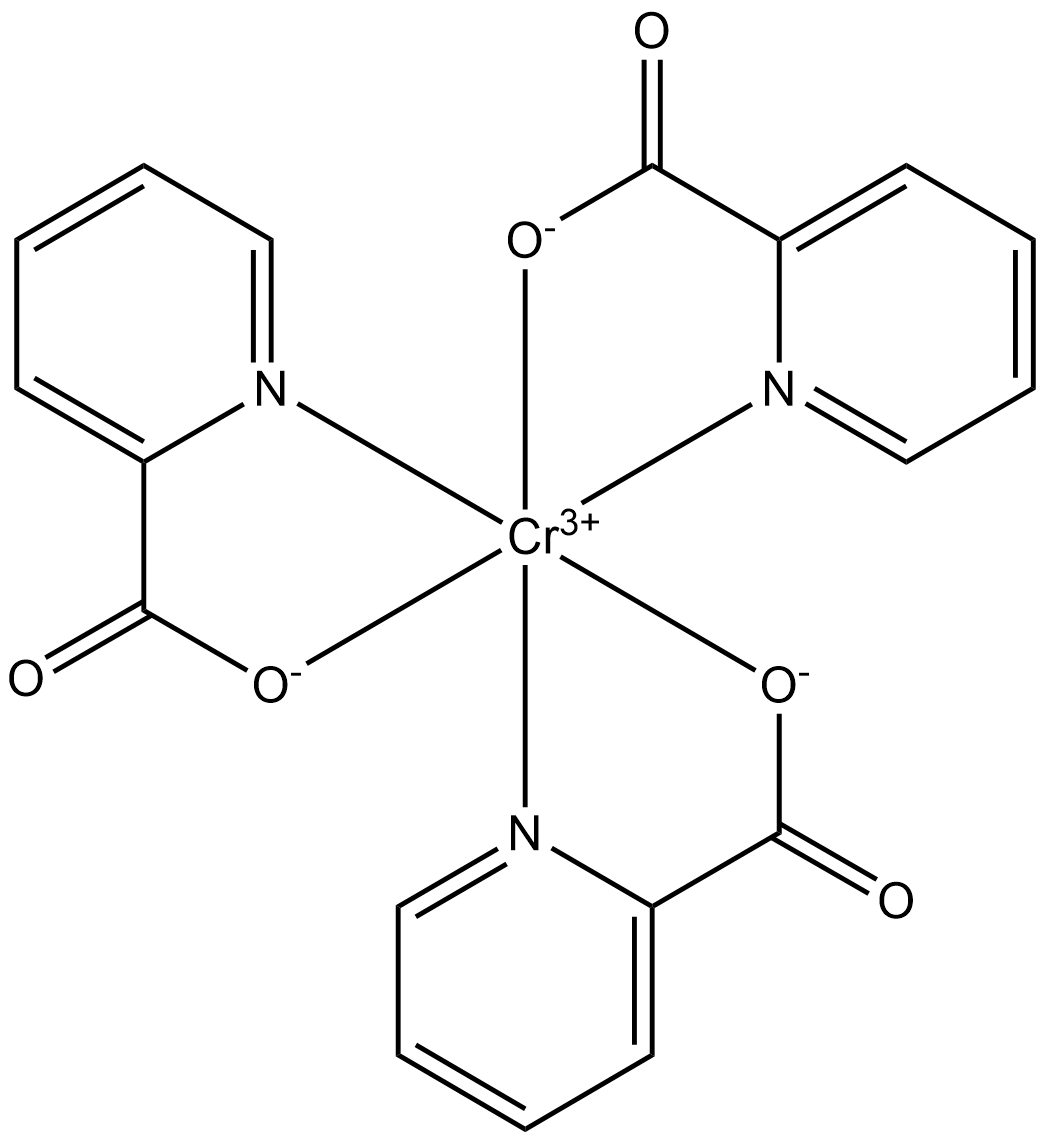 C8905 Chromium picolinateSummary: Chromium picolinate is a trivalent chromium coordination complex modulating insulin-signaling and glucose metabolism pathways, widely utilized in metabolic biochemistry and nutritional research studies.