


Cell Cycle/Checkpoint
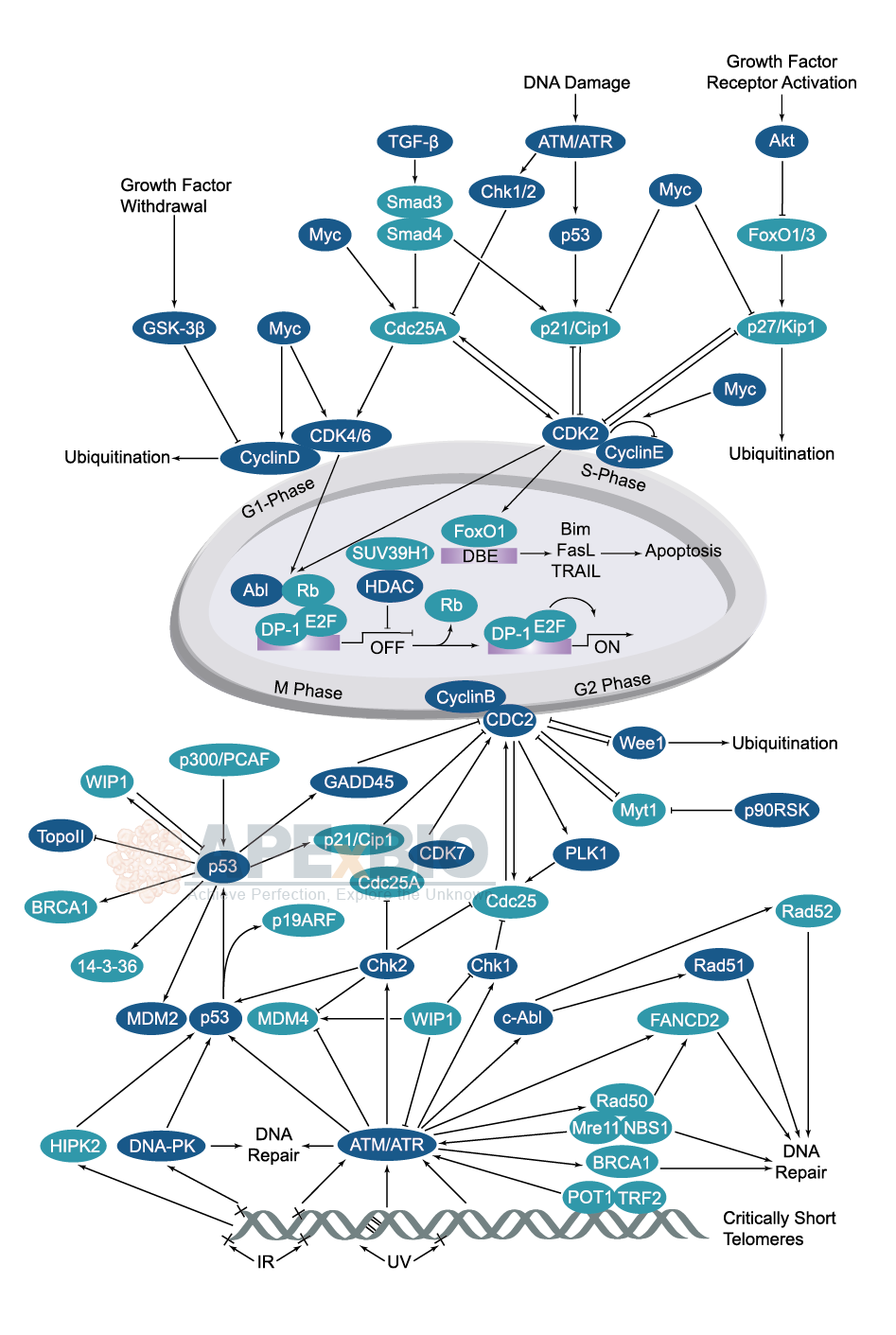
The cell cycle is consisted of 4 main phases: Gap 1 (G1), DNA replication (S), Gap 2 (G2), and mitosis (M). There are “checkpoints” mechanism regulates the transition between these phases, at the G1/S boundary, in the S-phase and during G2/M phases. Cell can only pass through these checkpoints when signaling factors are activated and free of DNA damage. Important proteins that control cell cycle events and checkpoints are cullins, cyclins, cyclin-dependent kinases (Cdks), p53 and their inhibitors etc. Cdks family (Cdk2, Cdk3, Cdk4 and Cdk6) are Ser/Thr kinases that regulate cell cycle progression in association with cyclin binding partners (cyclin D, cyclin E and cyclin A) during all four phases. p53 halts the cell cycle if the DNA is damaged and allowing time for DNA repair to progress; it can also initiate apoptosis if DNA damage is too severe to be repaired.
-
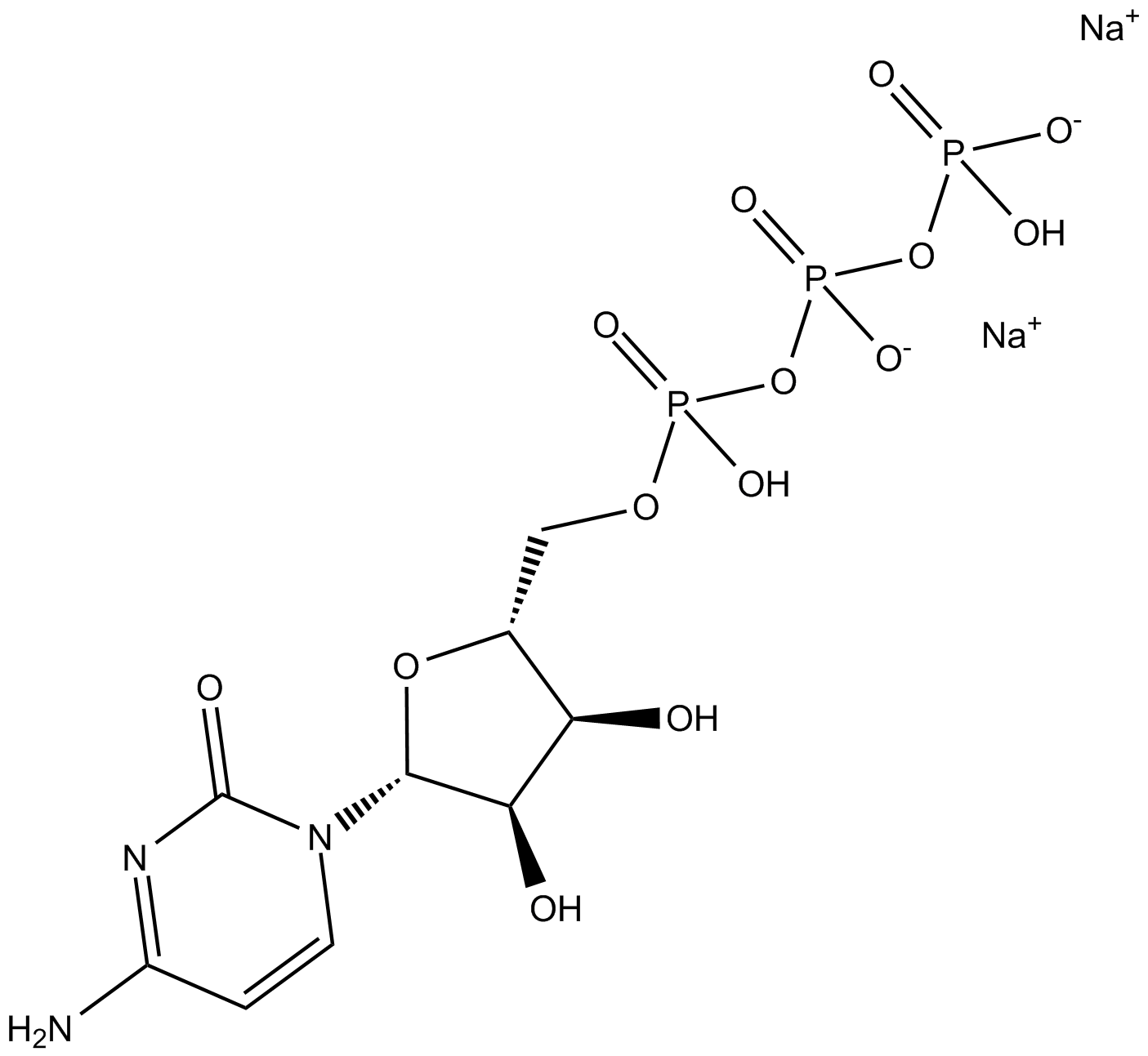 C4631 Cytidine 5'-triphosphate (sodium salt)Summary: An endogenous metabolite used for research on nucleic acid synthesis and nucleotide metabolism.
 -
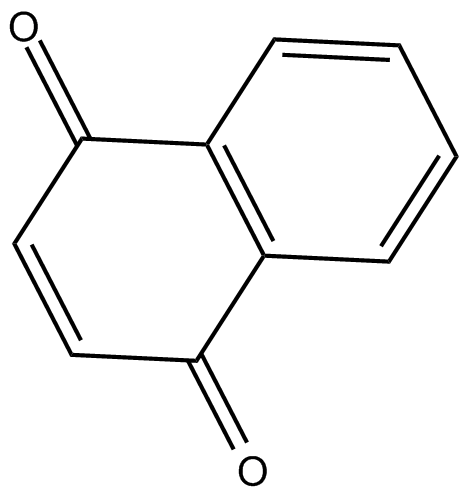 C6296 1,4-NaphthoquinoneSummary: Can inhibit MAO and DNA topoisomerase activity, used for tumor and neuropharmacology research.
 -
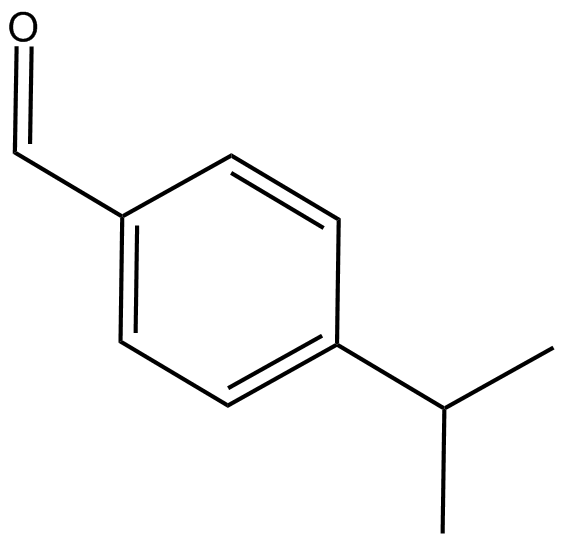 C6353 CuminaldehydeSummary: Exhibits bioactivities such as anti-inflammatory, anticancer, antidiabetic, and neuroprotective effects.
 -
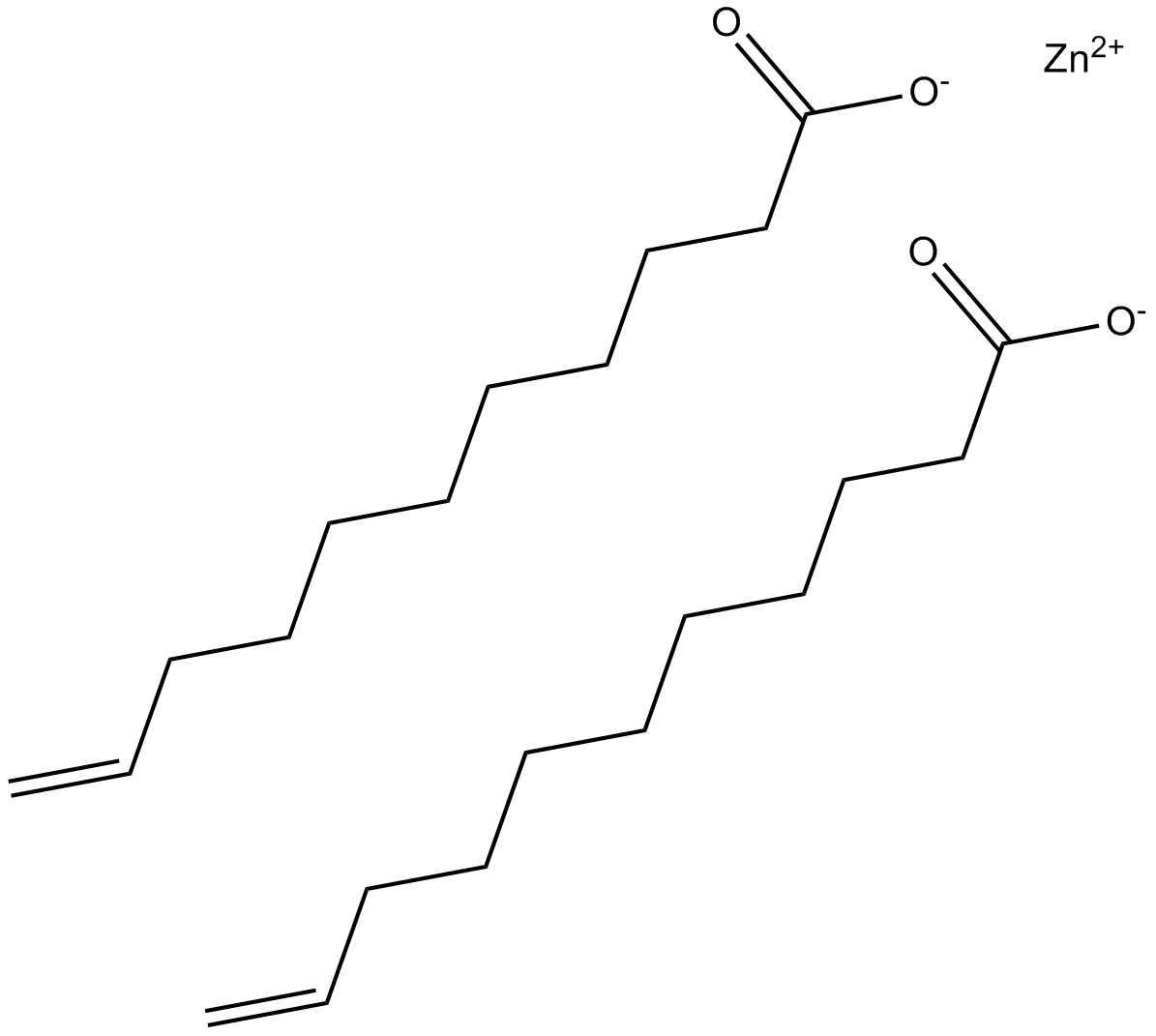 C6644 Zinc UndecylenateSummary: A Zika virus RdRp inhibitor with antiviral activity, used for ZIKV research.
 -
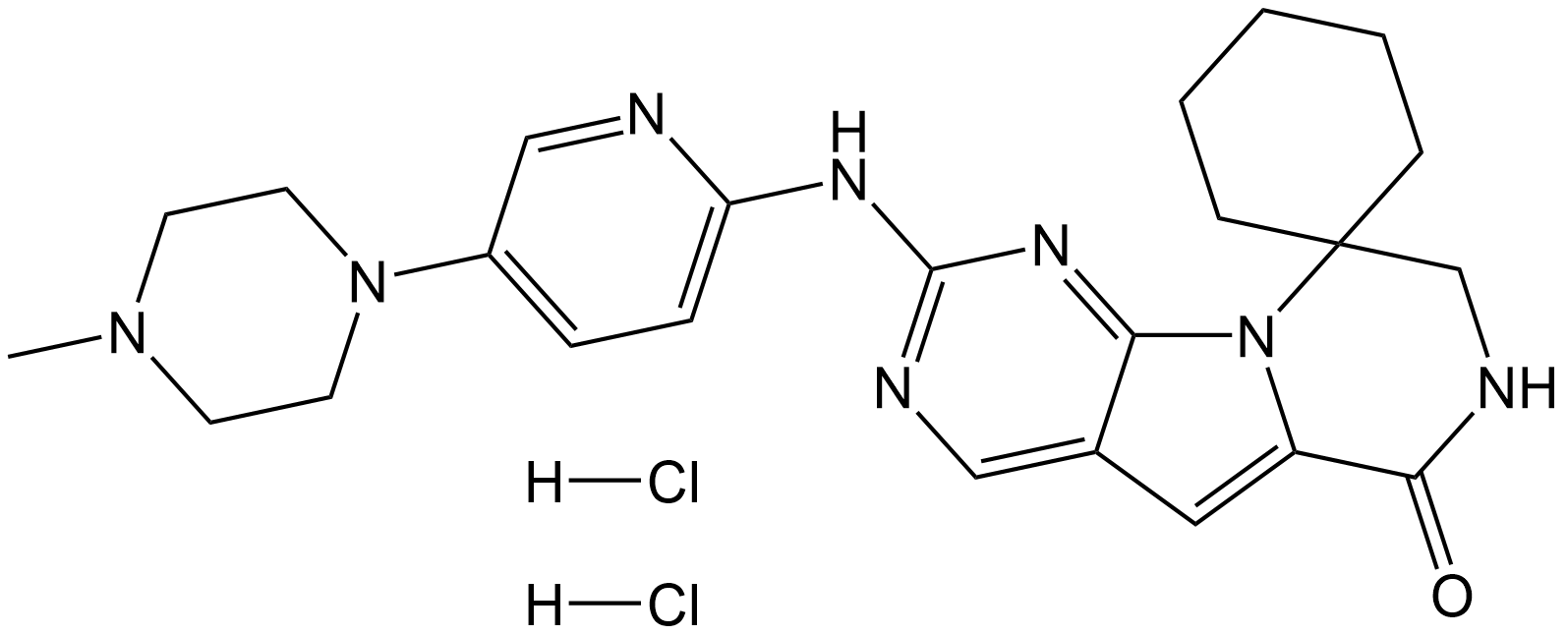 C8781 Trilaciclib dihydrochlorideSummary: Trilaciclib dihydrochloride is a selective small-molecule CDK4/6 inhibitor targeting the cyclin D–CDK4/6–RB pathway for oncology, hematopoiesis, and cell-cycle research.
 -
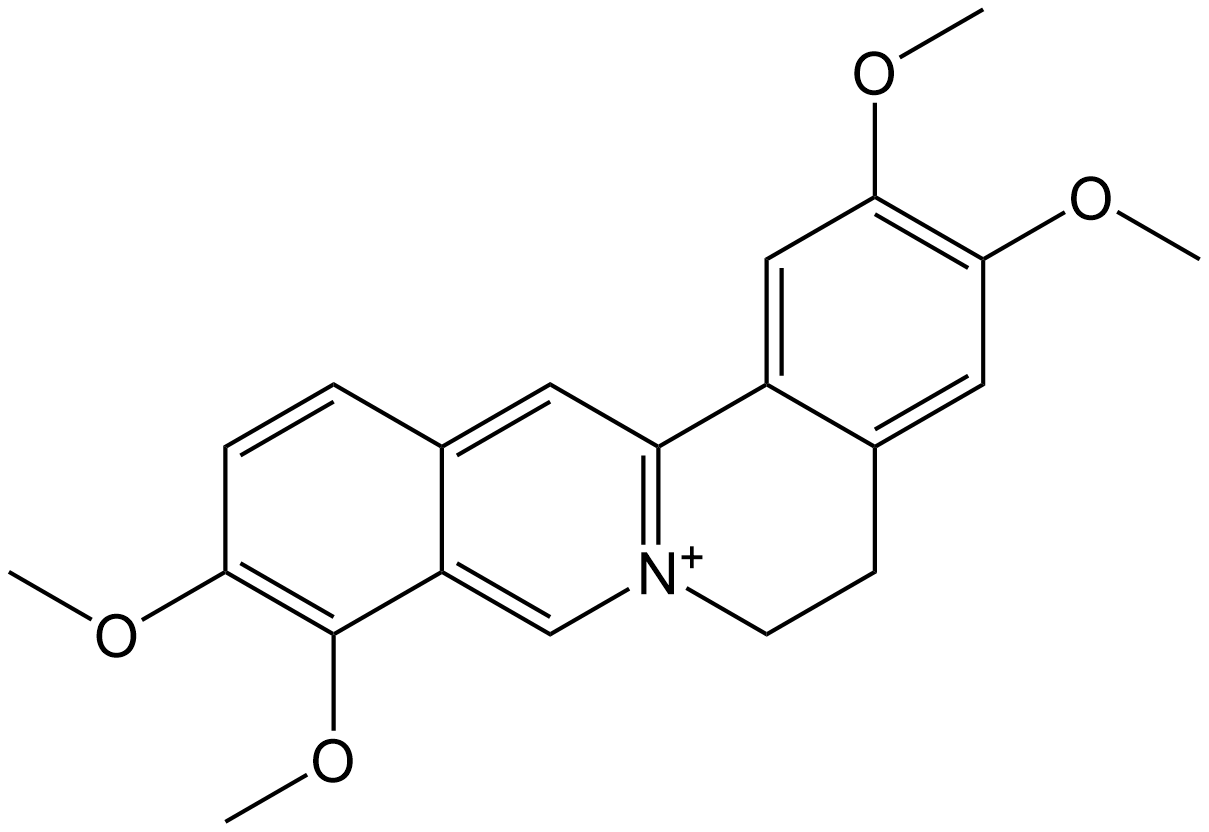 N2893 PalmatineSummary: Palmatine is a plant-derived protoberberine isoquinoline alkaloid that inhibits IDO1 and West Nile virus NS2B-NS3 protease for inflammation, infection, neurobiology, and oncology research.
 -
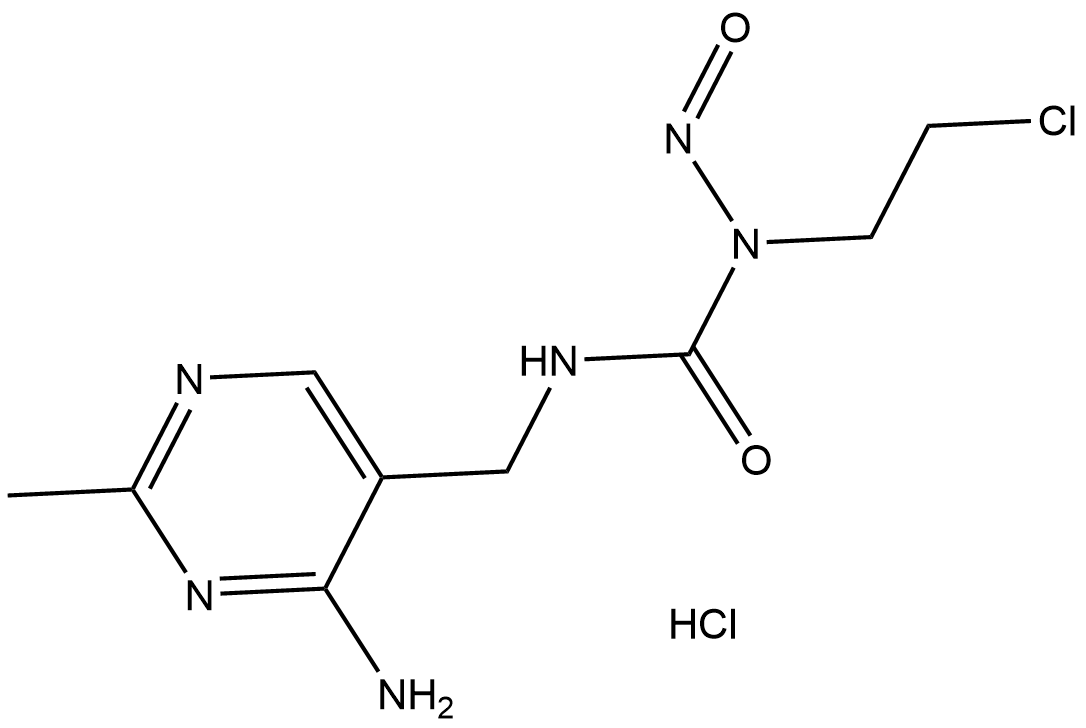 C8863 Nimustine HydrochlorideSummary: Nimustine Hydrochloride is a nitrosourea alkylating agent that induces DNA crosslinking and is widely utilized in cancer biology and DNA damage response research.
 -
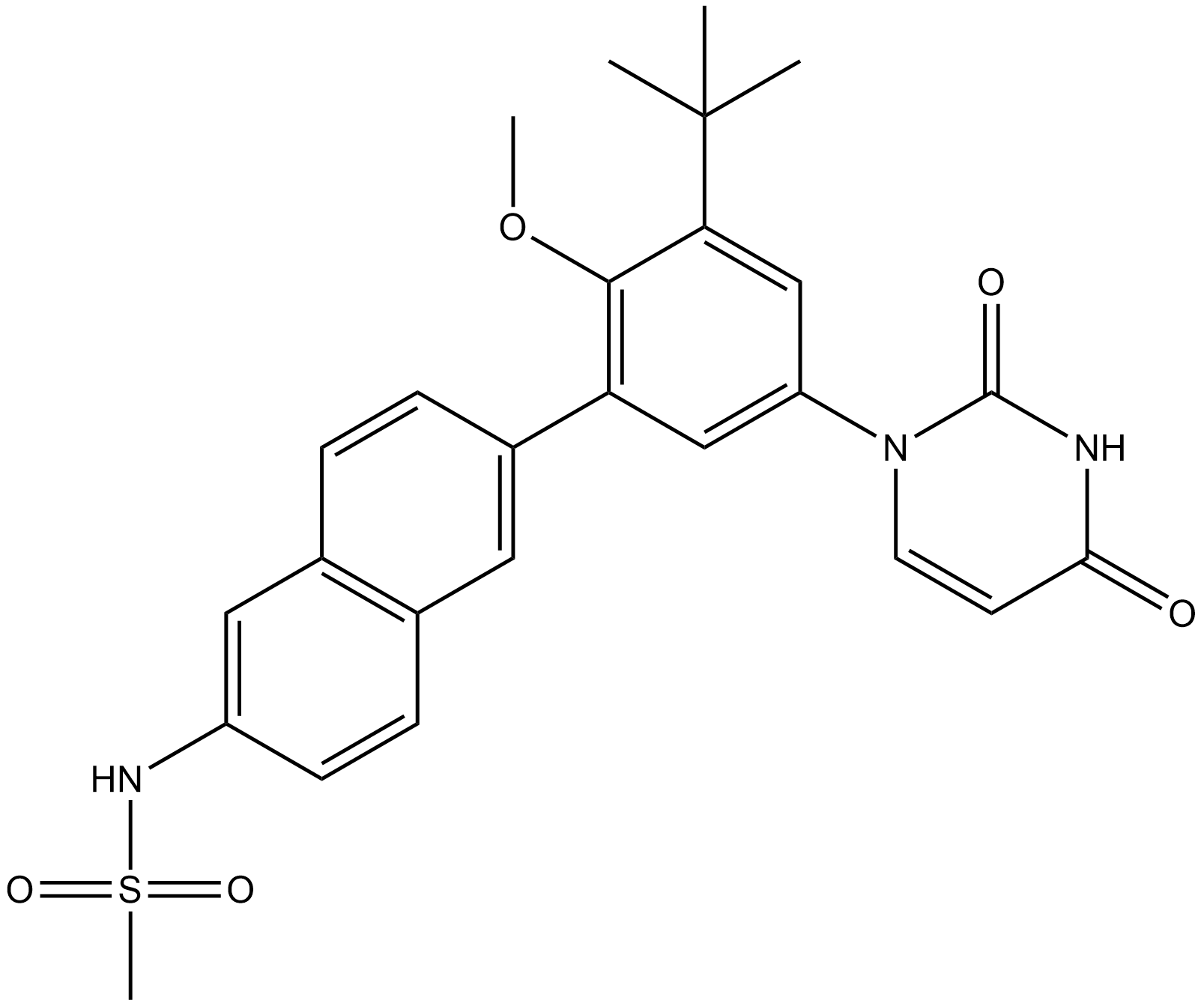 C8873 Dasabuvir (ABT-333)Summary: Dasabuvir (ABT-333) is a non-nucleoside inhibitor of hepatitis C virus NS5B RNA-dependent RNA polymerase, widely utilized in antiviral replication and virology research.
 -
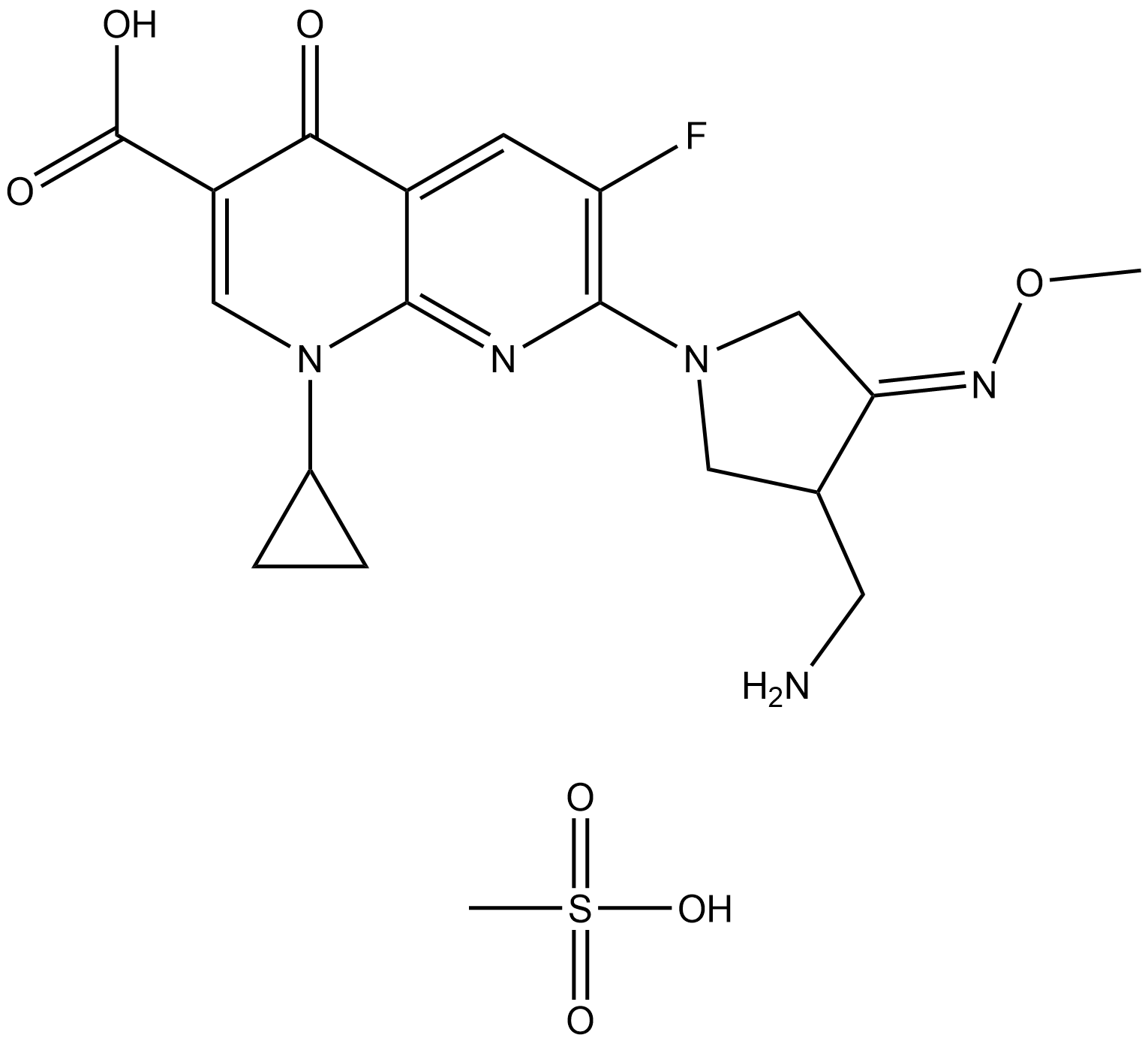 C8970 Gemifloxacin mesylateSummary: Gemifloxacin mesylate is a fluoroquinolone antibacterial agent targeting DNA gyrase and topoisomerase IV, widely utilized in microbiology and bacterial resistance mechanism research.
 -
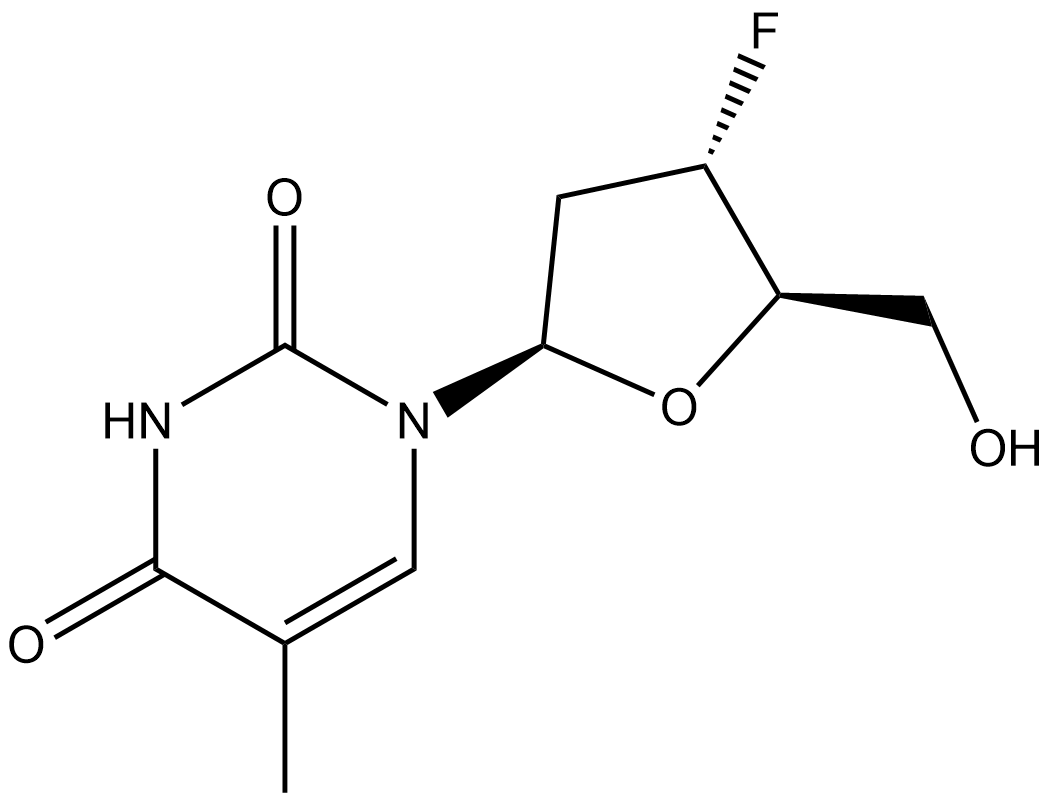 C9037 3'-Fluoro-3'-deoxythymidine (Alovudine)Summary: 3'-Fluoro-3'-deoxythymidine (Alovudine) is a fluorinated thymidine nucleoside analog that inhibits reverse transcriptase and is utilized in antiviral mechanism and nucleoside metabolism research.