


Cell Cycle/Checkpoint
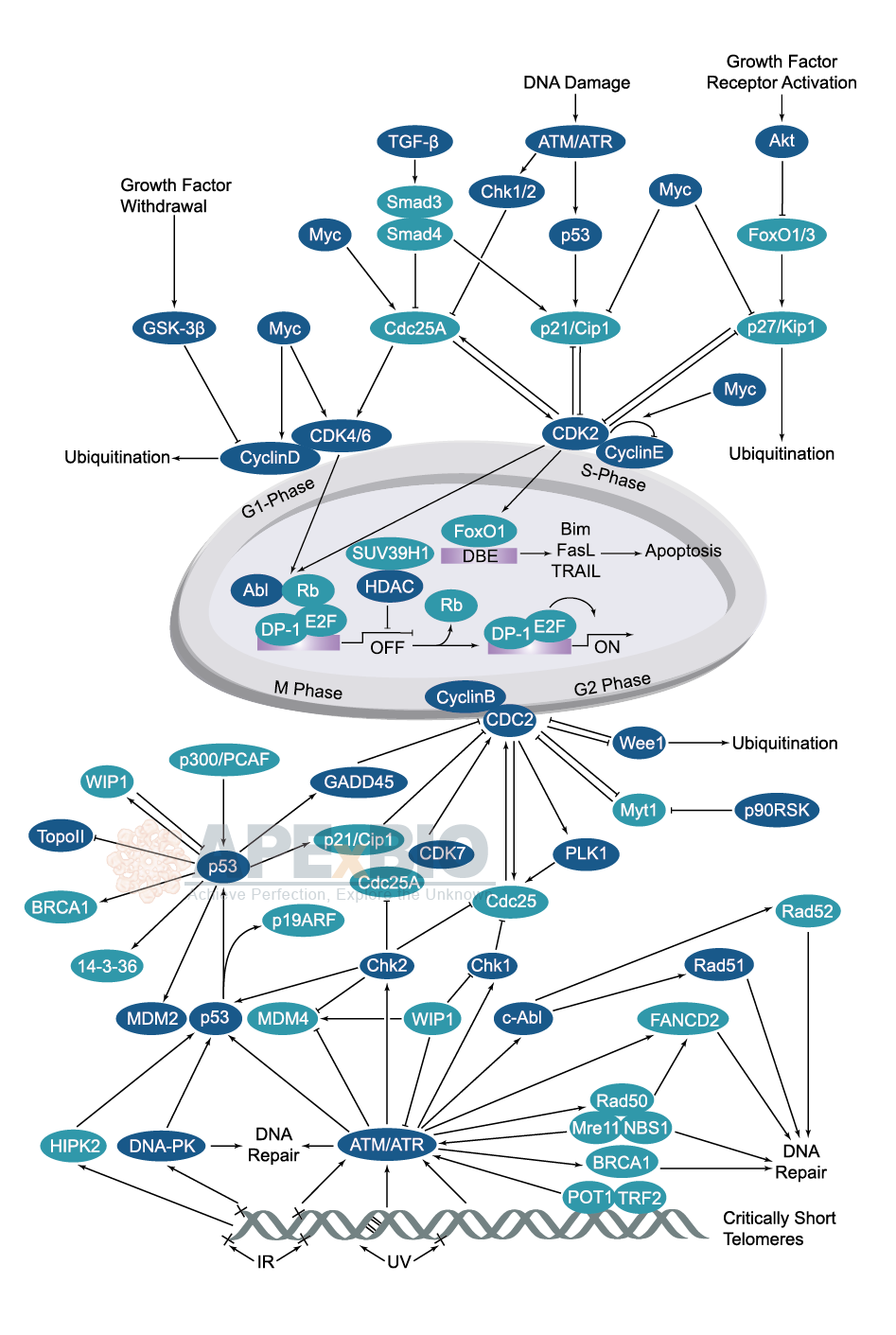
The cell cycle is consisted of 4 main phases: Gap 1 (G1), DNA replication (S), Gap 2 (G2), and mitosis (M). There are “checkpoints” mechanism regulates the transition between these phases, at the G1/S boundary, in the S-phase and during G2/M phases. Cell can only pass through these checkpoints when signaling factors are activated and free of DNA damage. Important proteins that control cell cycle events and checkpoints are cullins, cyclins, cyclin-dependent kinases (Cdks), p53 and their inhibitors etc. Cdks family (Cdk2, Cdk3, Cdk4 and Cdk6) are Ser/Thr kinases that regulate cell cycle progression in association with cyclin binding partners (cyclin D, cyclin E and cyclin A) during all four phases. p53 halts the cell cycle if the DNA is damaged and allowing time for DNA repair to progress; it can also initiate apoptosis if DNA damage is too severe to be repaired.
-
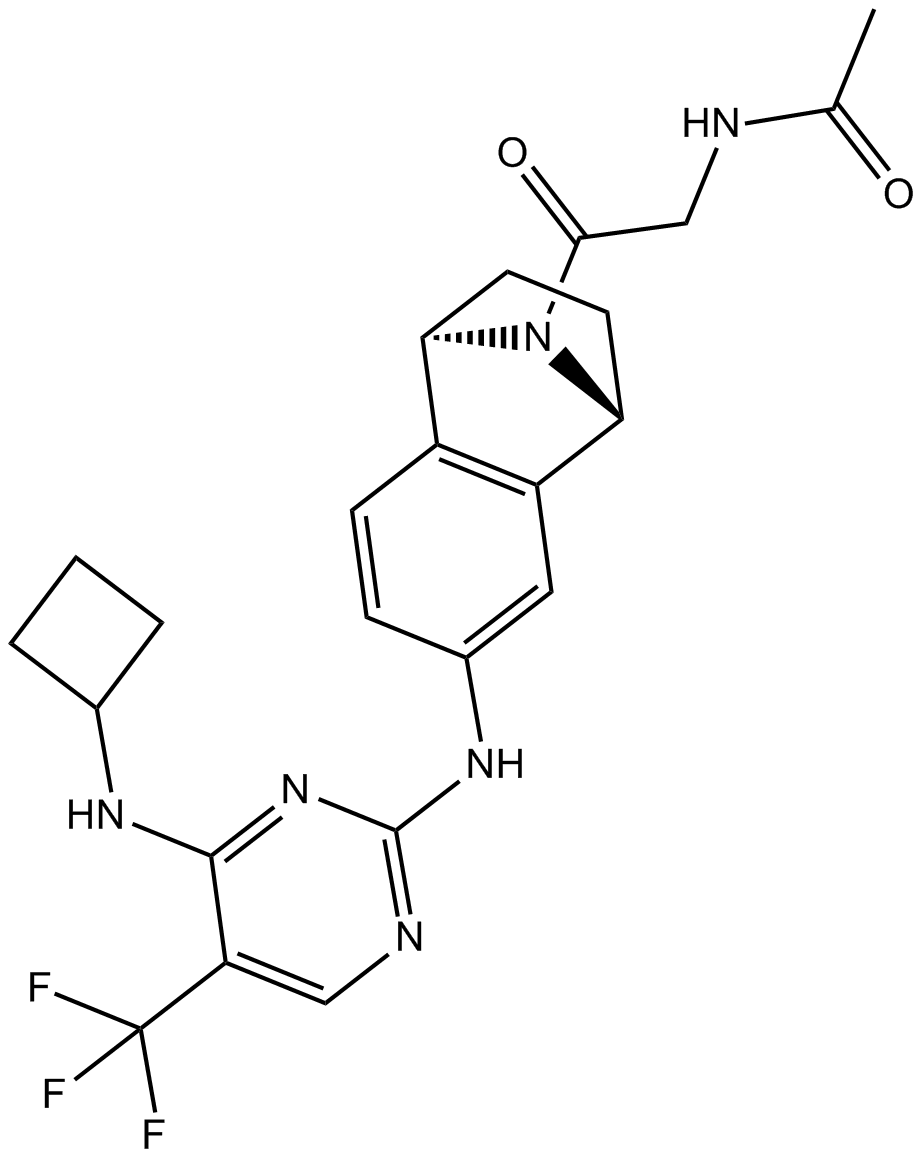 A4128 PF-03814735Target: Aurora KinasesSummary: Aurora A/B inhibitor
 -
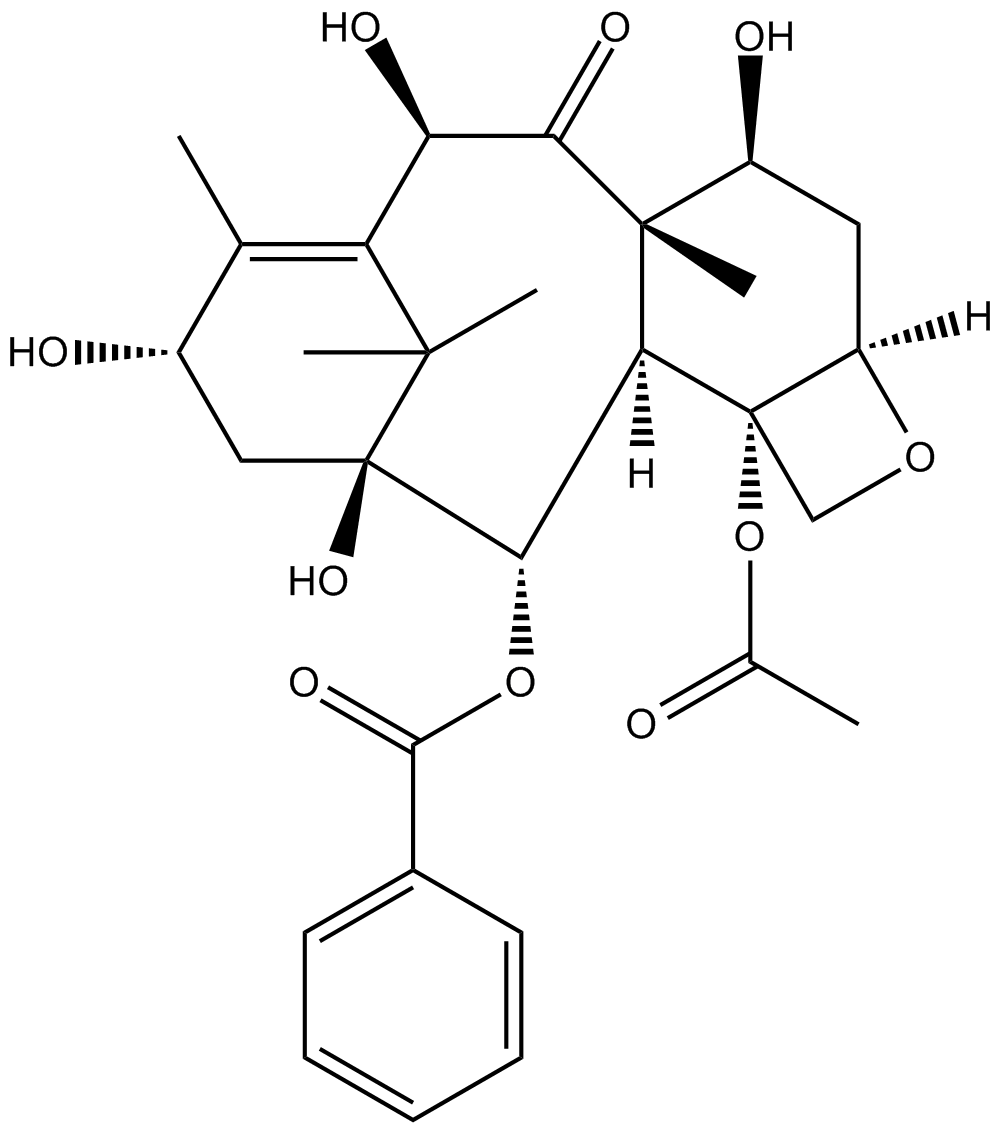 A4395 10-DAB (10-Deacetylbaccatin)Summary: Precursor of antitumor compound Palitaxel and Docetaxel
 -
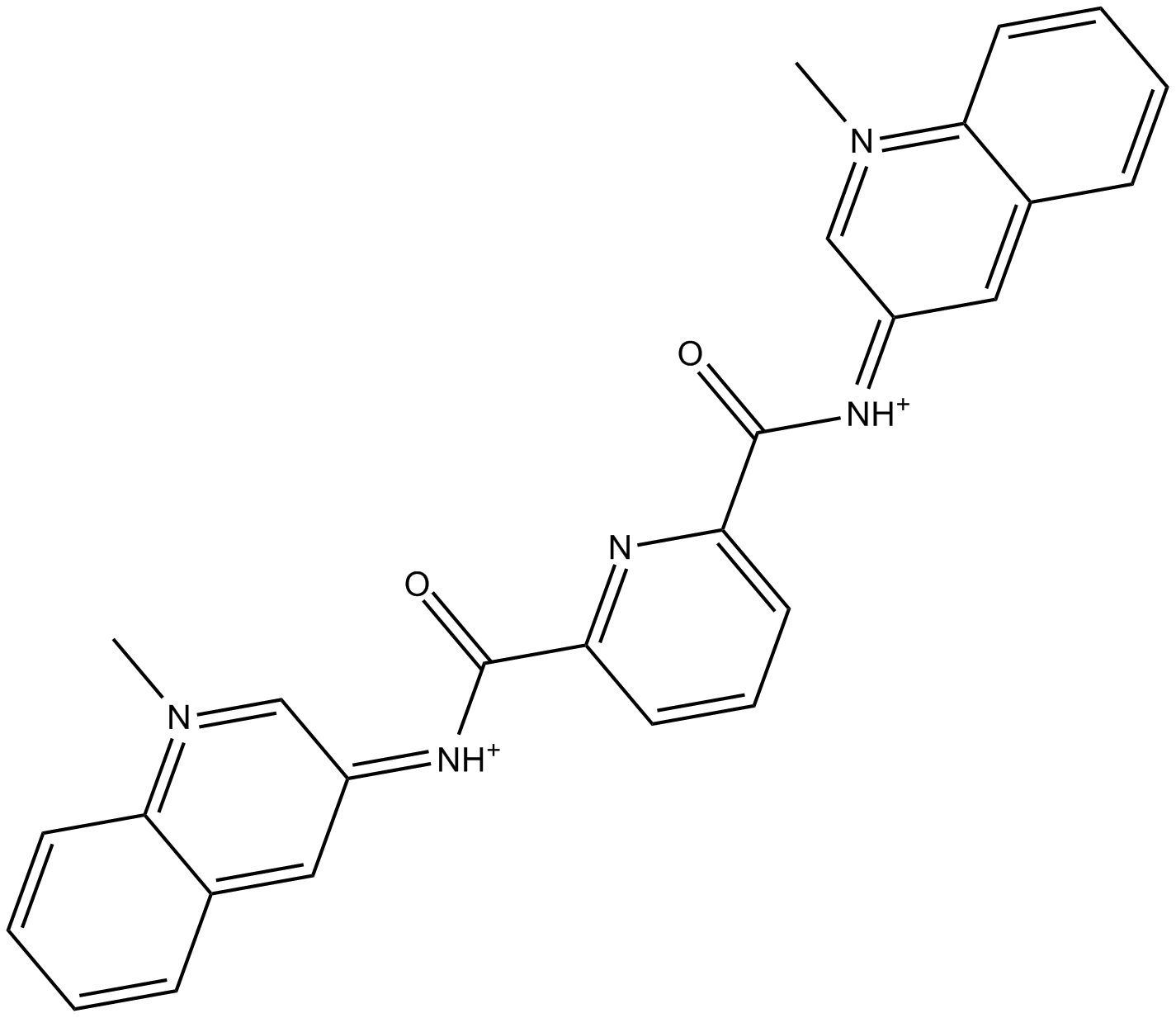 A3119 360A2 CitationSummary: G-quadruplex structures inhibitor
 -
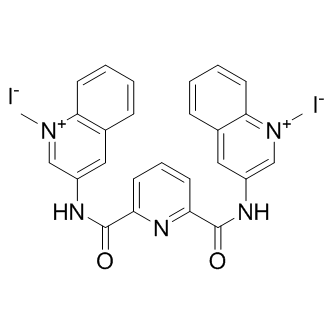 A3120 360A iodideSummary: G-quadruplex structures inhibitor
 -
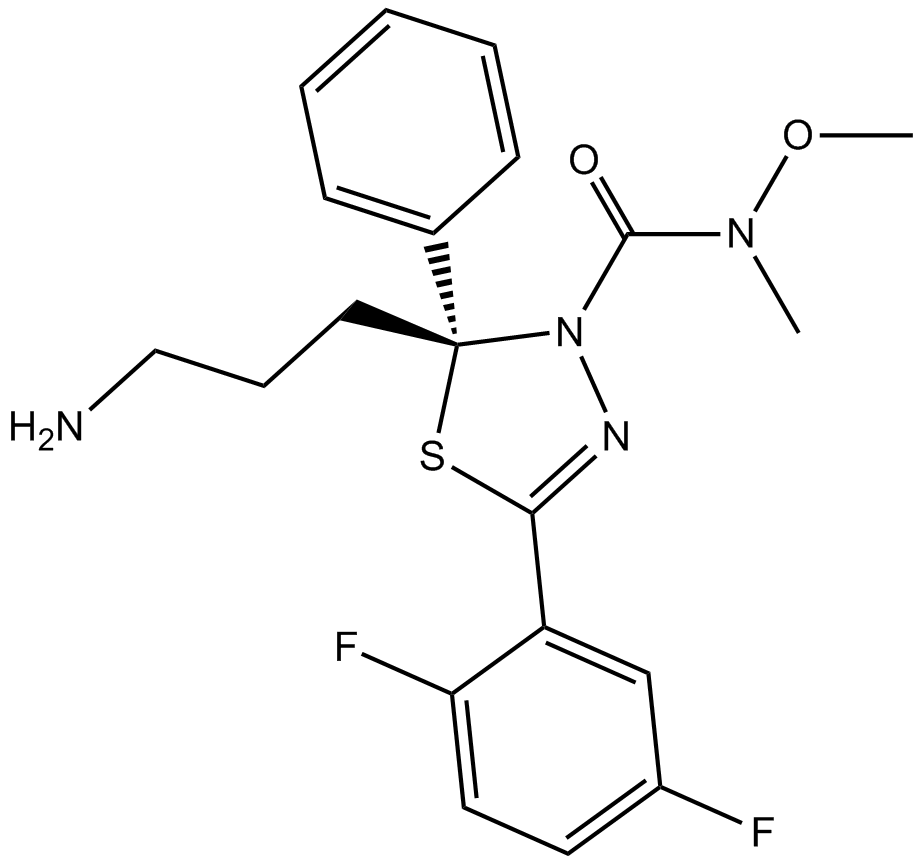 A3188 ARRY-520 R enantiomerTarget: KspSummary: KSP inhibitor
 -
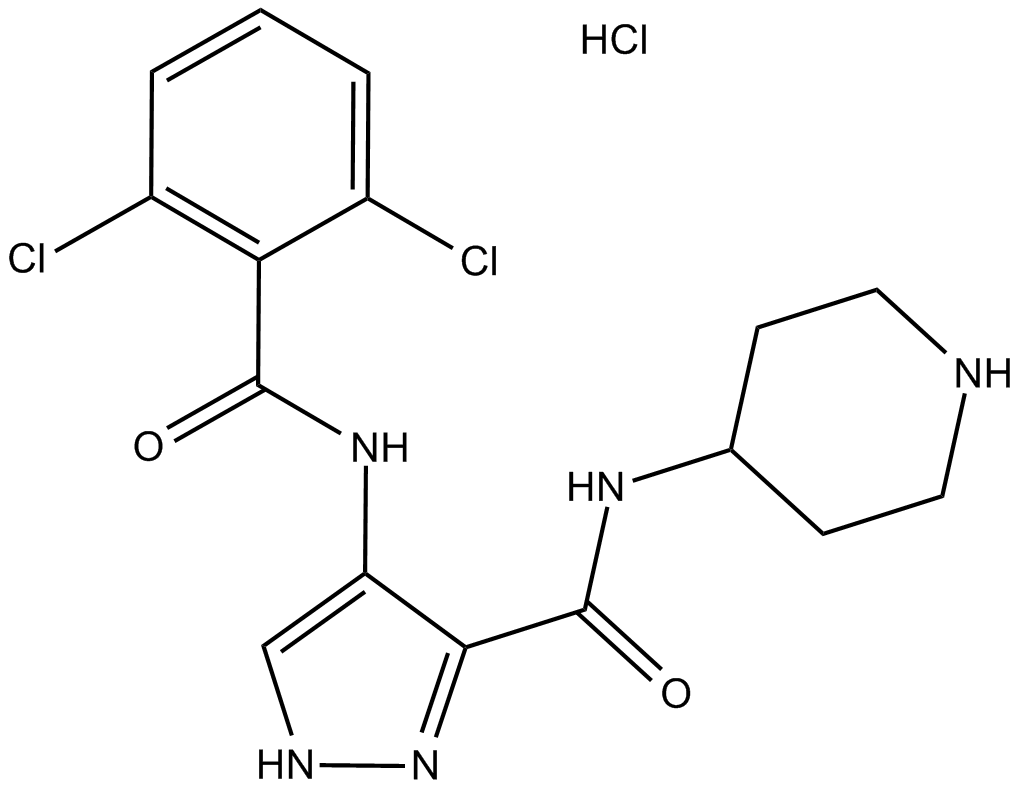 A3197 AT7519 HydrochlorideTarget: Cyclin-Dependent KinasesSummary: Multi-CDK inhibitor
 -
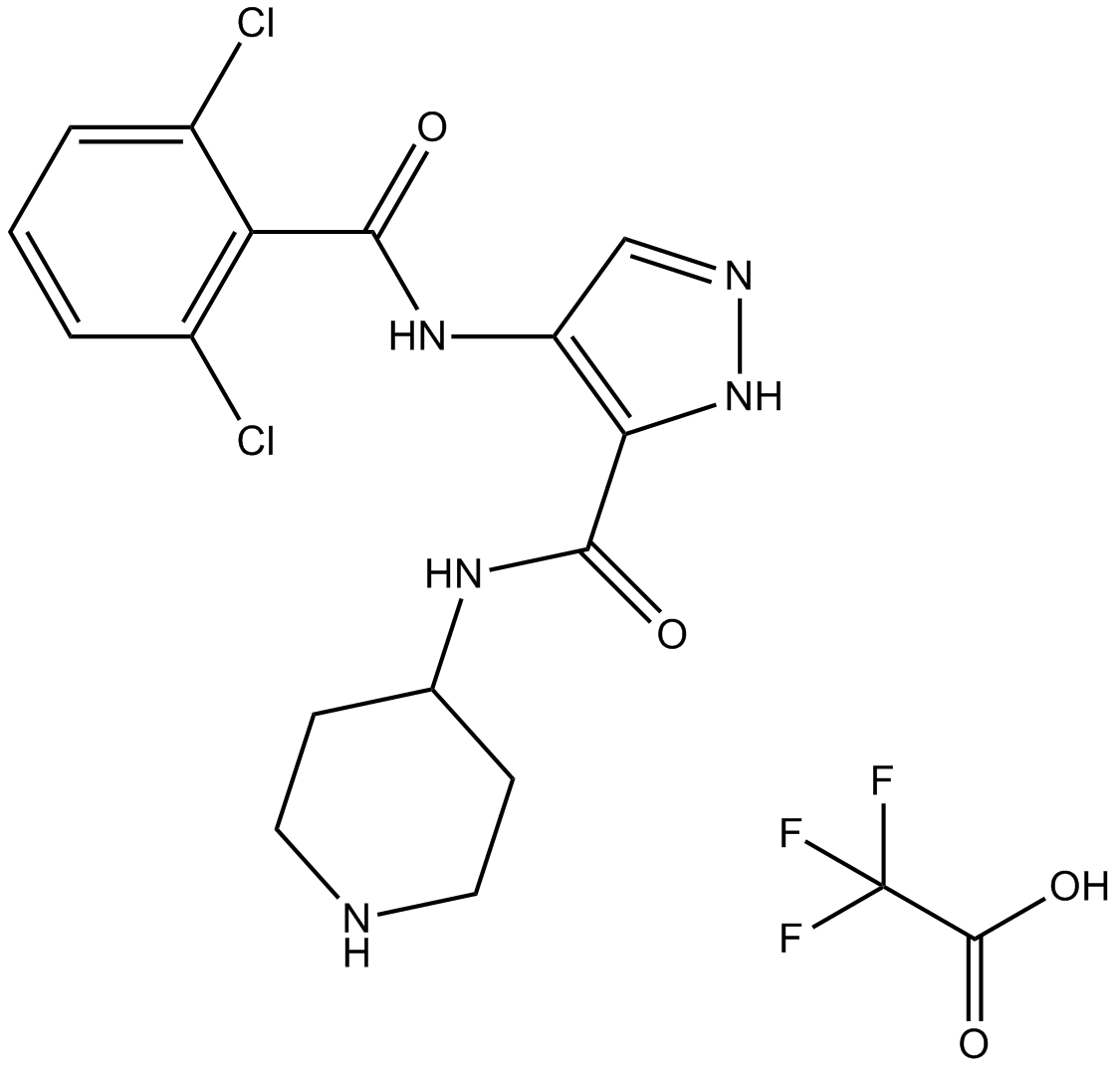 A3198 AT7519 trifluoroacetateSummary: CDK/cyclin inhibitor
 -
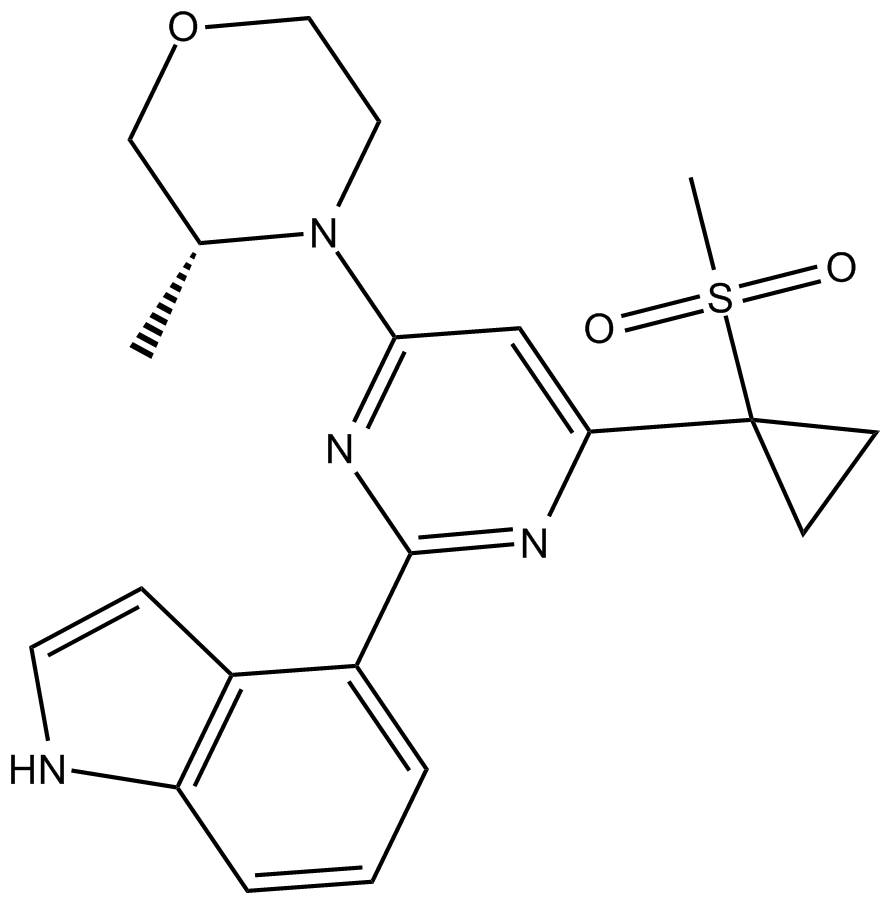 A3210 AZ201 CitationTarget: ATM/ATRSummary: ATR inhibitor,potent and selective
 -
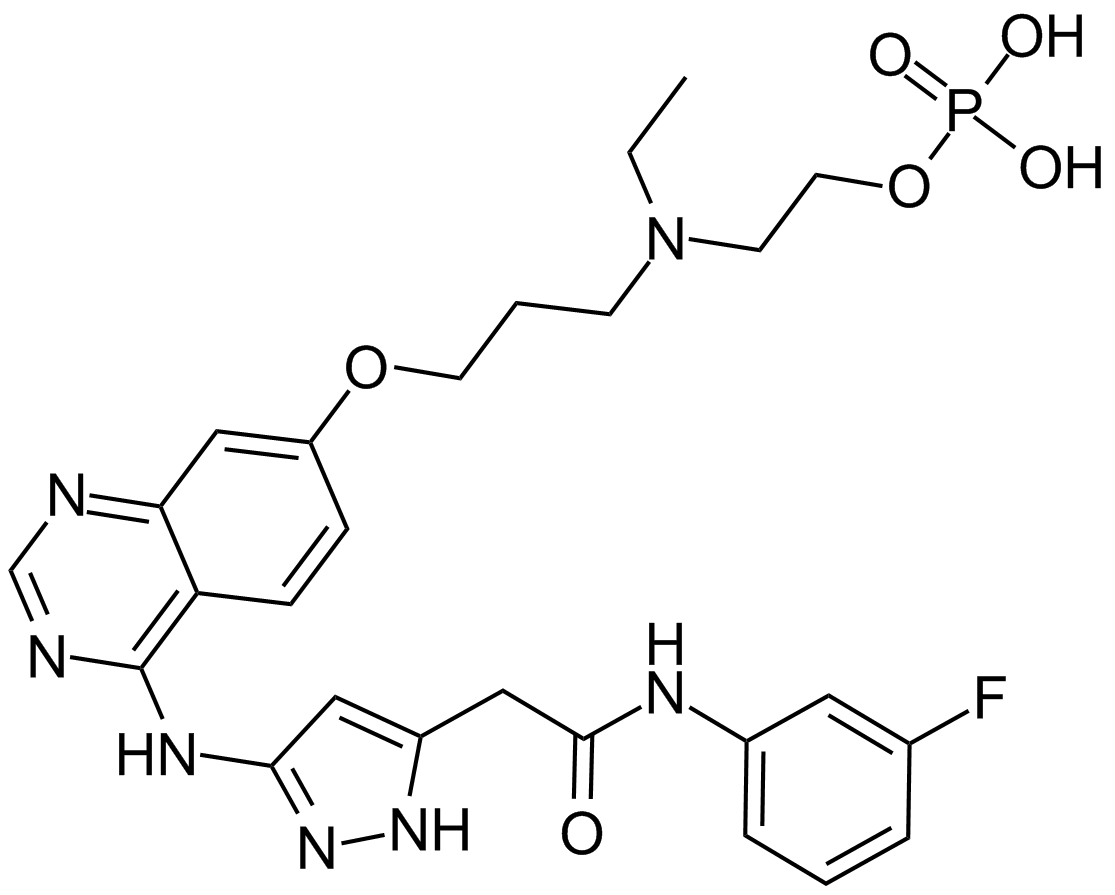 A3214 AZD11521 CitationTarget: Aurora KinasesSummary: Aurora B kinase inhibitor,highly potent and selective
 -
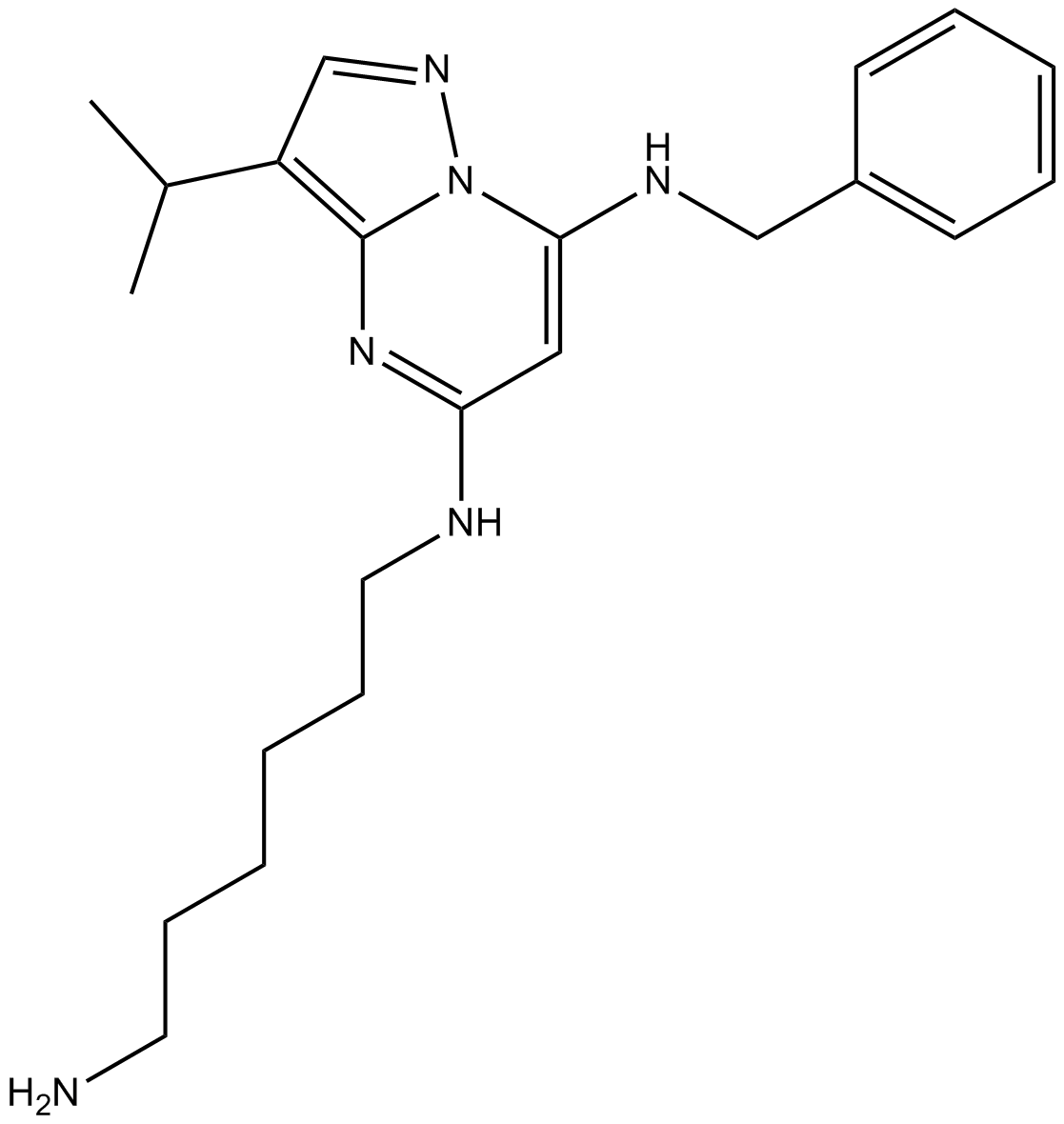 A3266 BS-181Target: Cyclin-Dependent KinasesSummary: CDK7 inhibitor,highly selective