


Cell Cycle/Checkpoint
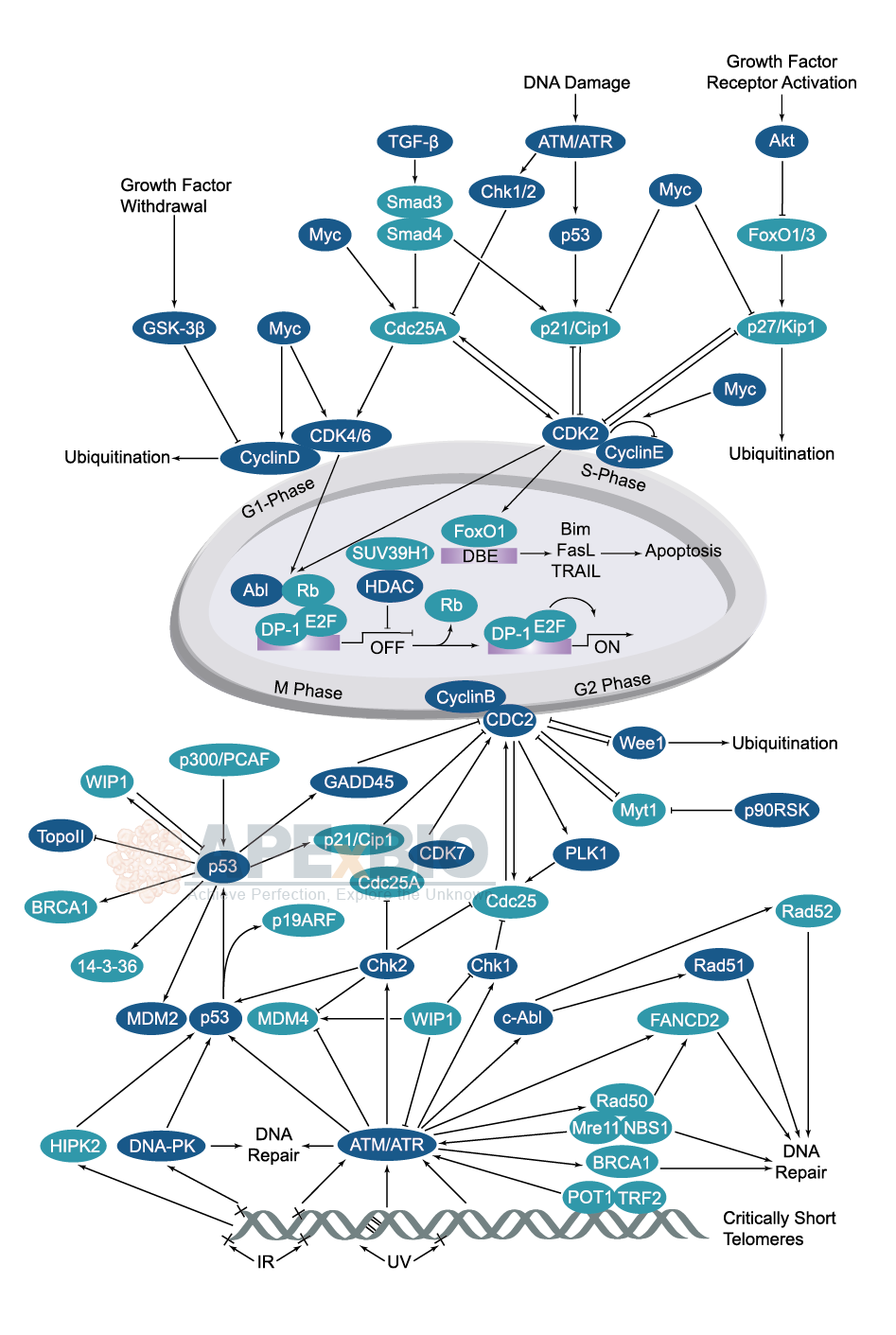
The cell cycle is consisted of 4 main phases: Gap 1 (G1), DNA replication (S), Gap 2 (G2), and mitosis (M). There are “checkpoints” mechanism regulates the transition between these phases, at the G1/S boundary, in the S-phase and during G2/M phases. Cell can only pass through these checkpoints when signaling factors are activated and free of DNA damage. Important proteins that control cell cycle events and checkpoints are cullins, cyclins, cyclin-dependent kinases (Cdks), p53 and their inhibitors etc. Cdks family (Cdk2, Cdk3, Cdk4 and Cdk6) are Ser/Thr kinases that regulate cell cycle progression in association with cyclin binding partners (cyclin D, cyclin E and cyclin A) during all four phases. p53 halts the cell cycle if the DNA is damaged and allowing time for DNA repair to progress; it can also initiate apoptosis if DNA damage is too severe to be repaired.
-
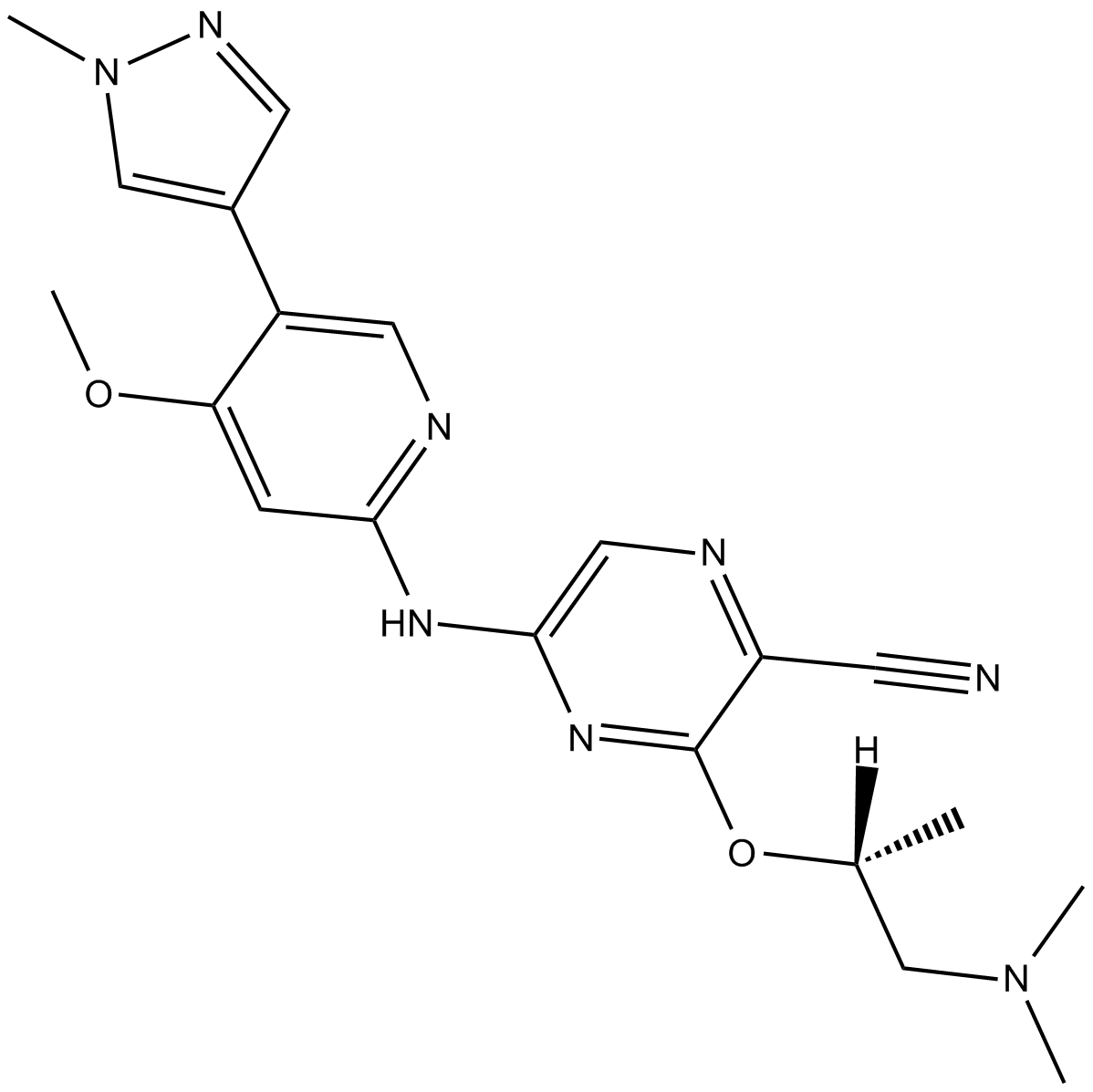 B5880 CCT244747Target: ChkSummary: Potent and selective CHK1 inhibitor
 -
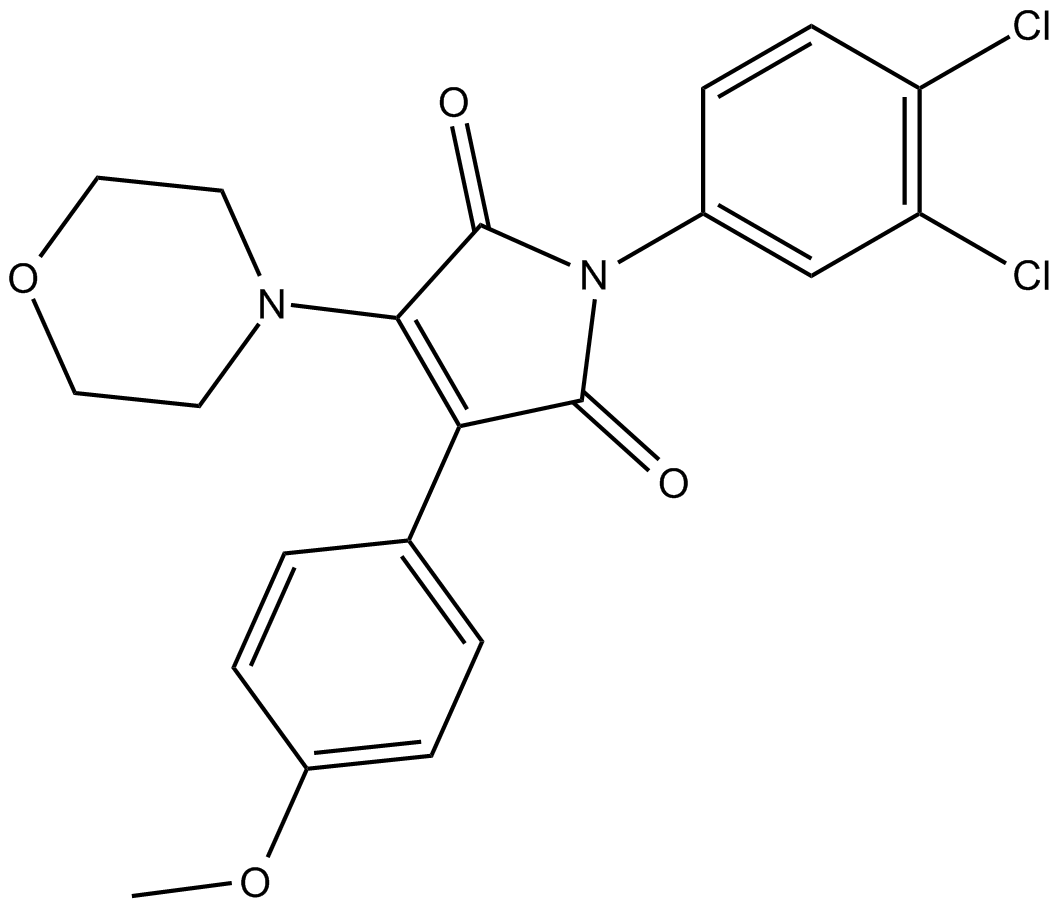 B5881 RI-2Target: RAD51Summary: Optimized reversible RAD51 inhibitor
 -
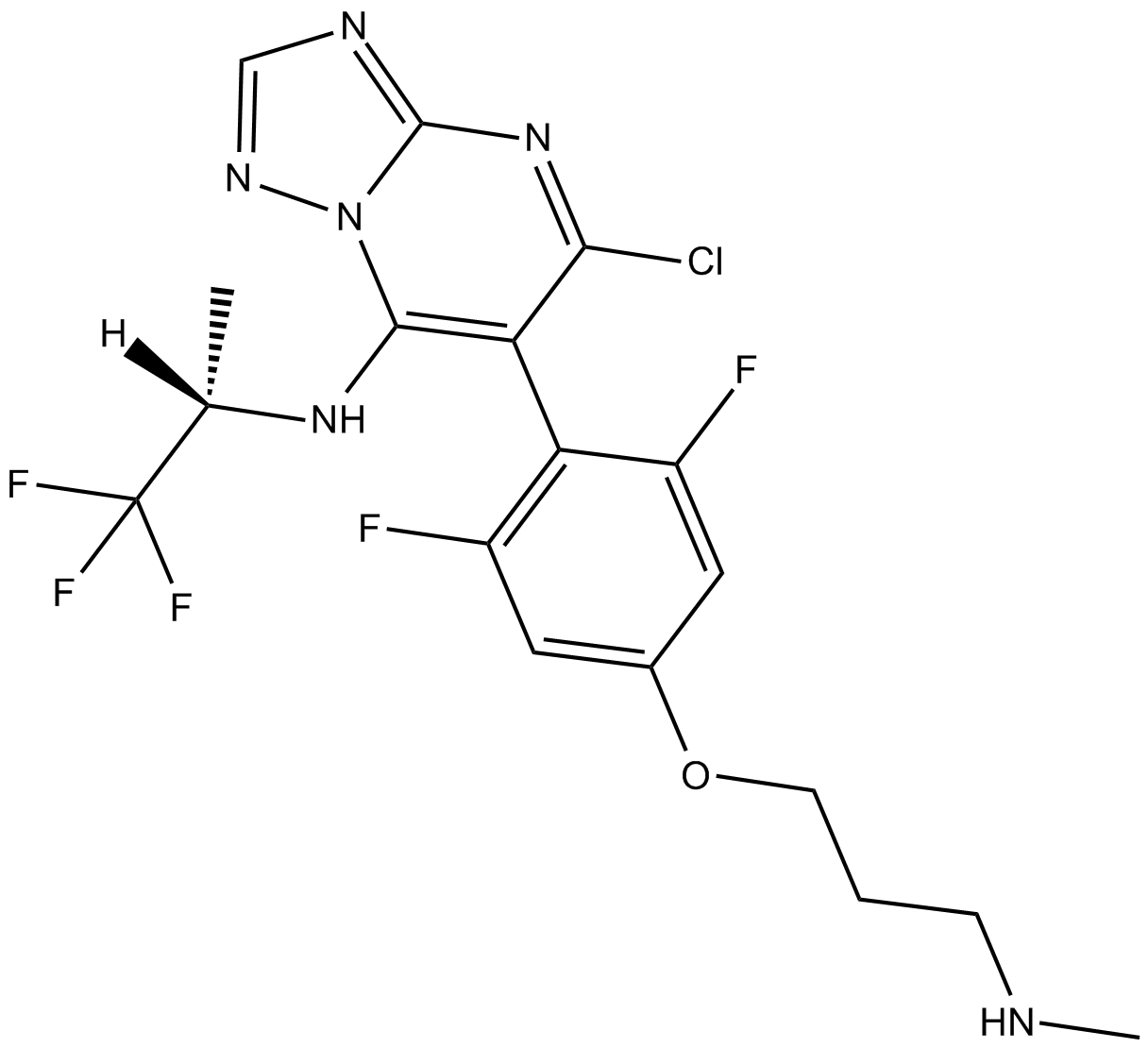 B5922 CevipabulinSummary: Anti-microtubule agent
 -
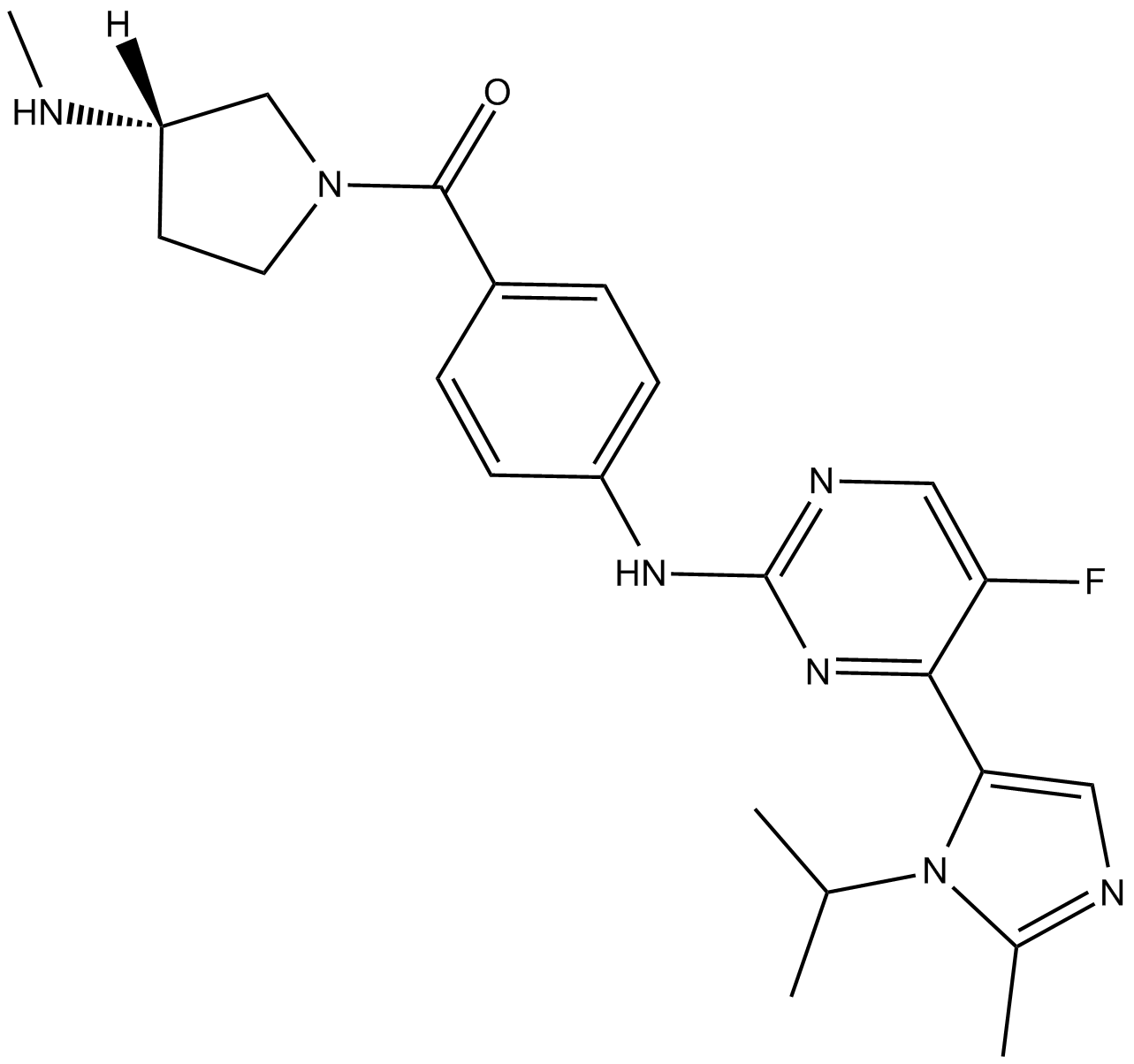 B5926 AZD-5597Summary: Potent CDK inhibitor
 -
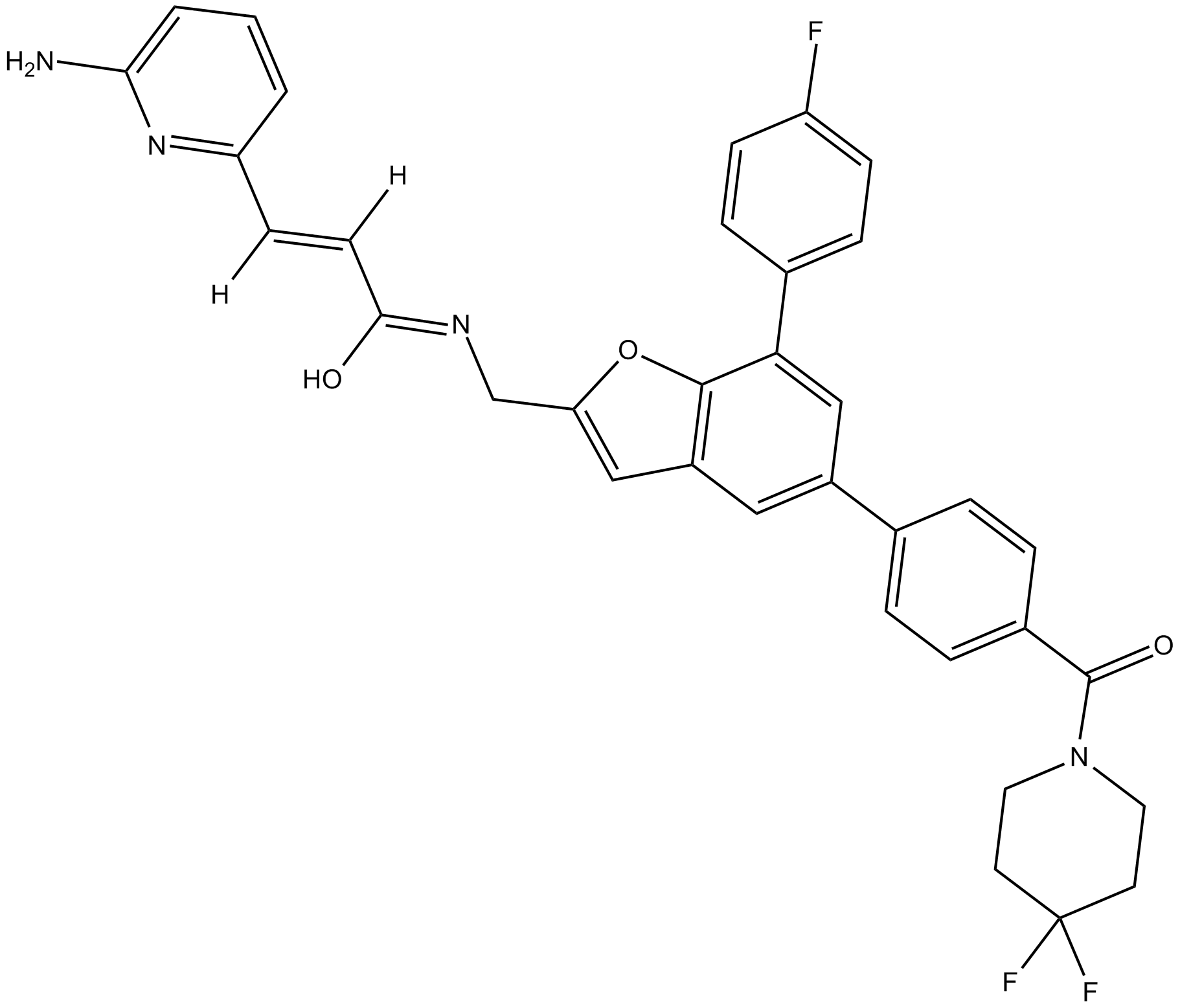 B5937 KPT-9274Summary: Orally acitve allosteric inhibitor of PAK4
 -
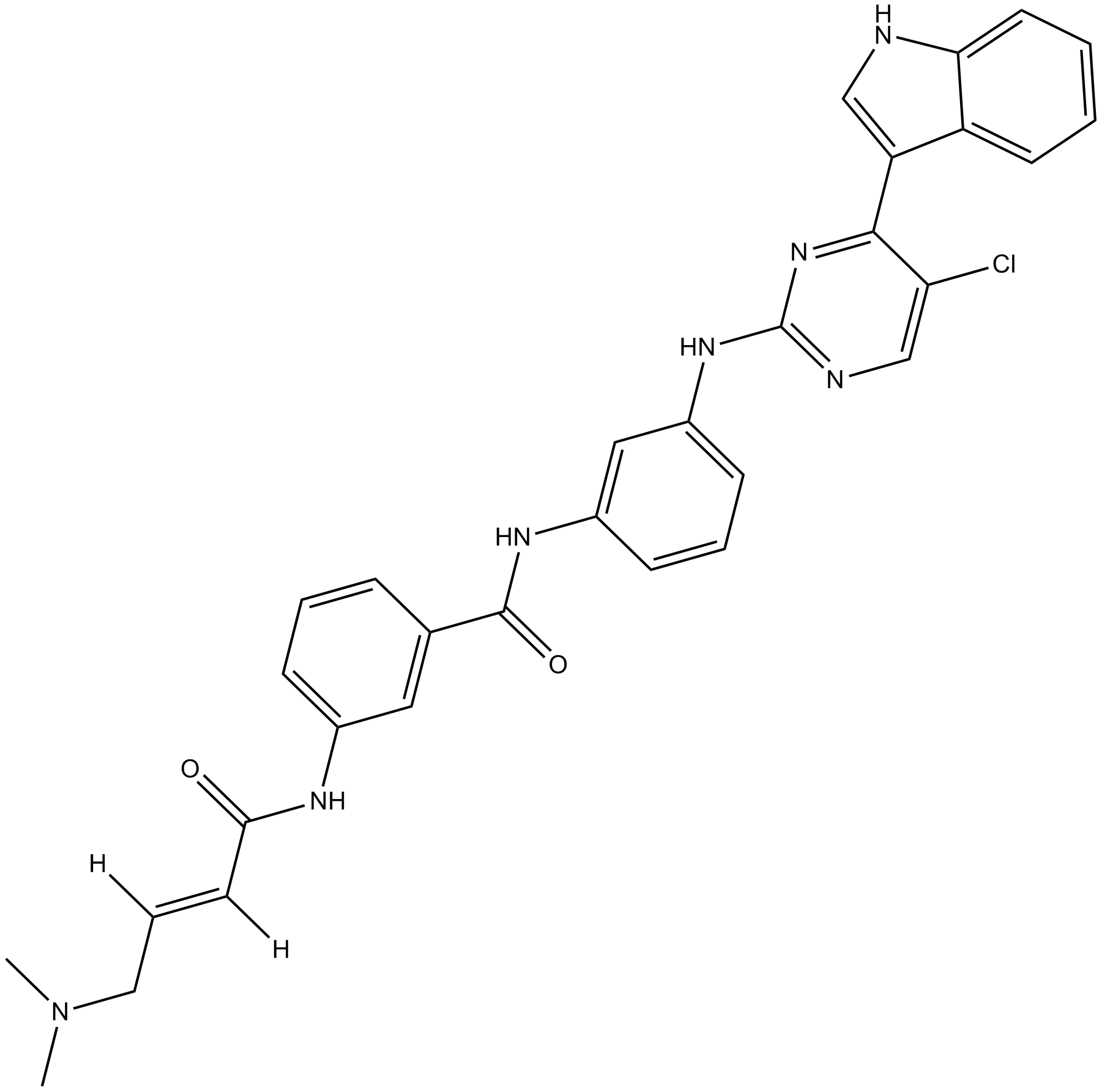 A8717 THZ21 CitationTarget: Cyclin-Dependent KinasesSummary: CDK7 inhibitor
 -
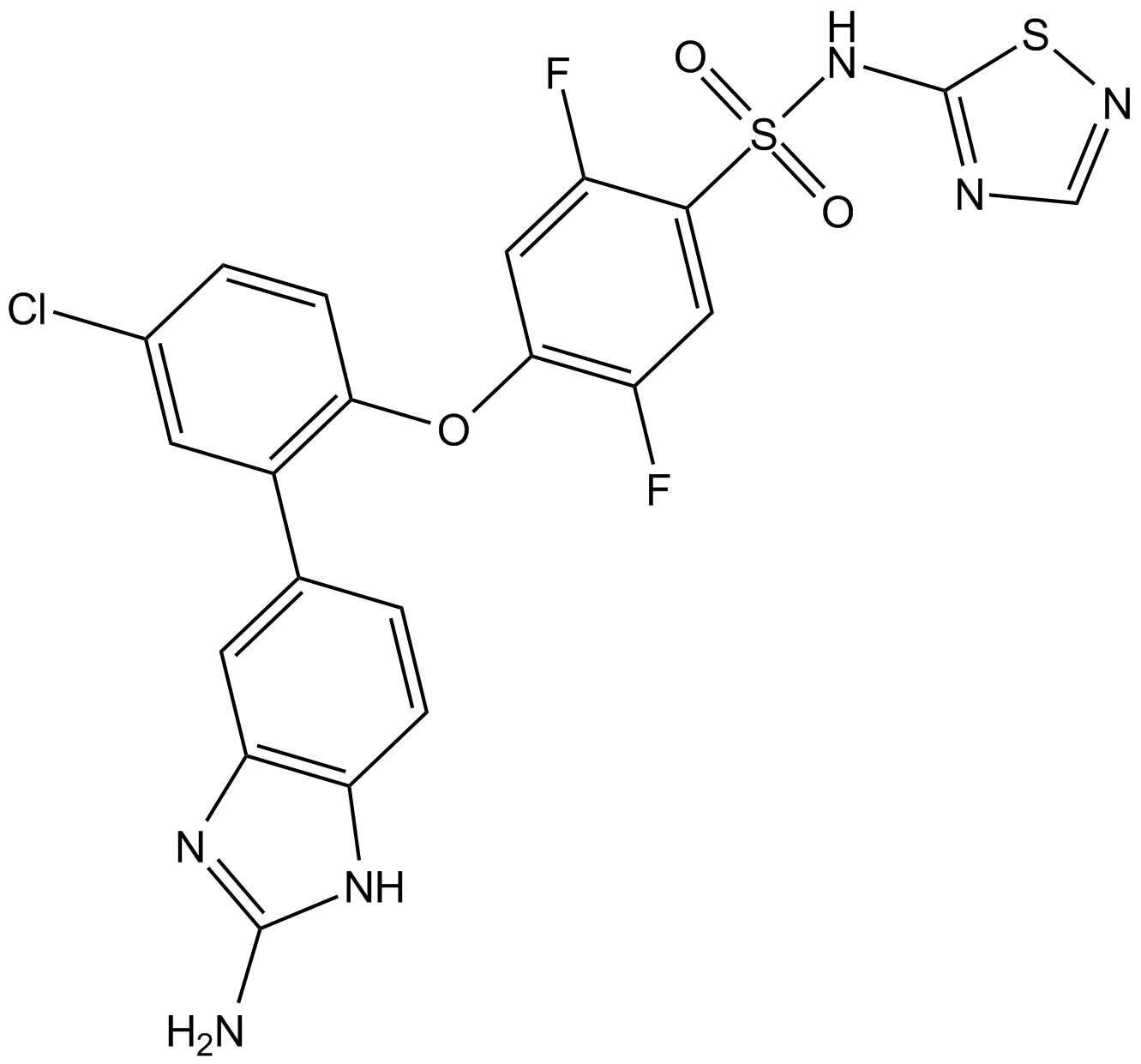 A8718 GX-674Target: Voltage-gated Sodium (NaV) ChannelsSummary: Nav1.7 antagonist
 -
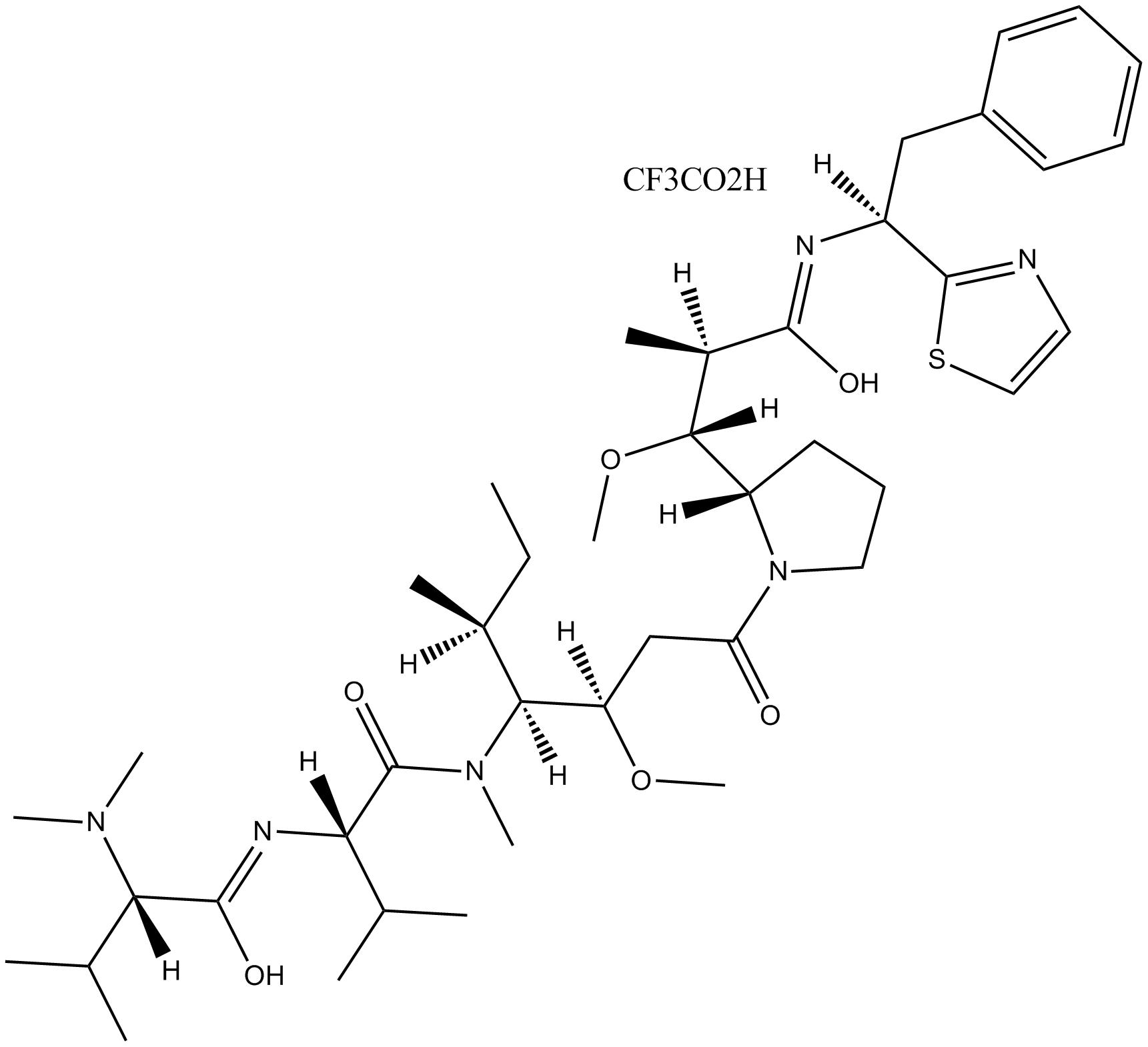 B1066 Dolastatin 10 trifluoroacetateSummary: Antitumor agent
 -
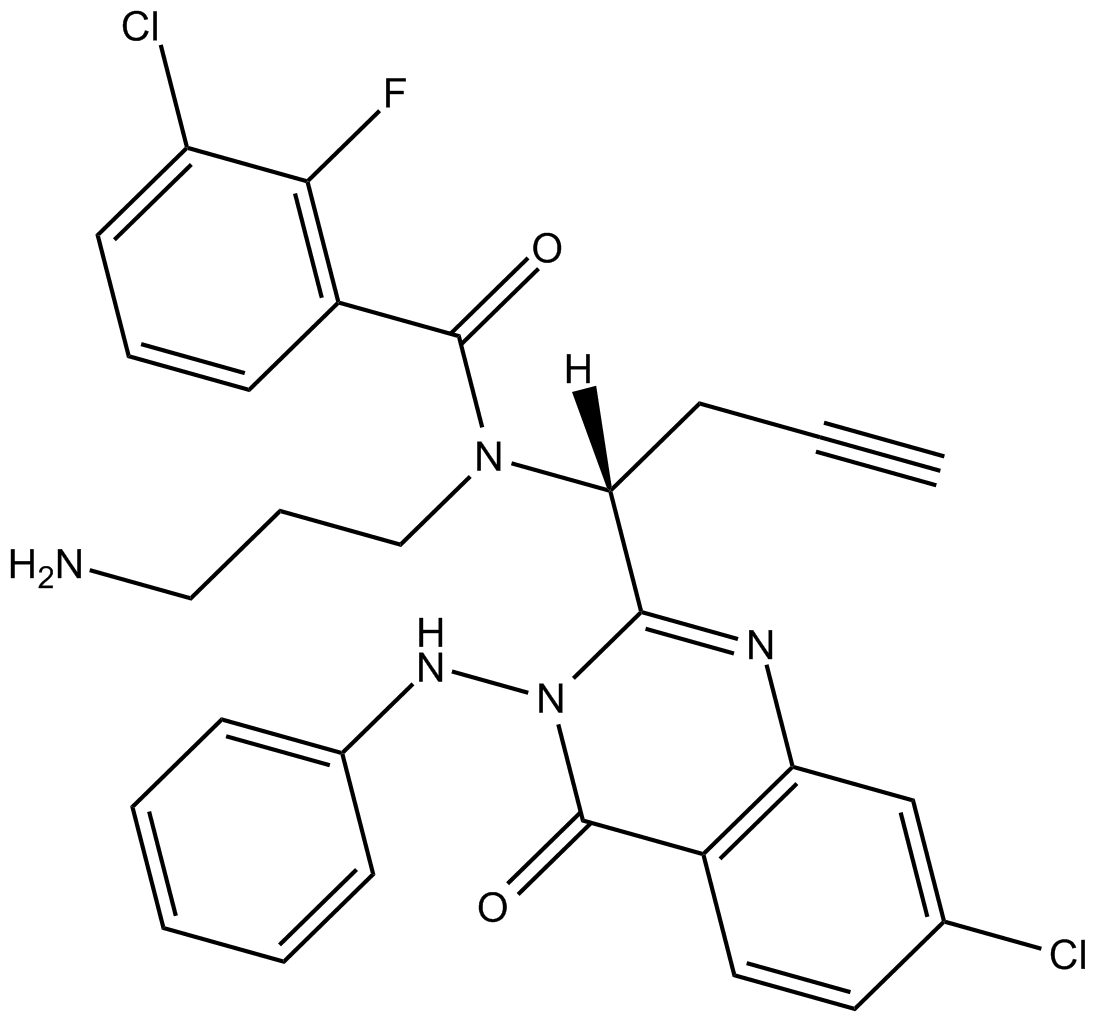 B6039 ARQ 621Summary: Eg5 inhibitor
 -
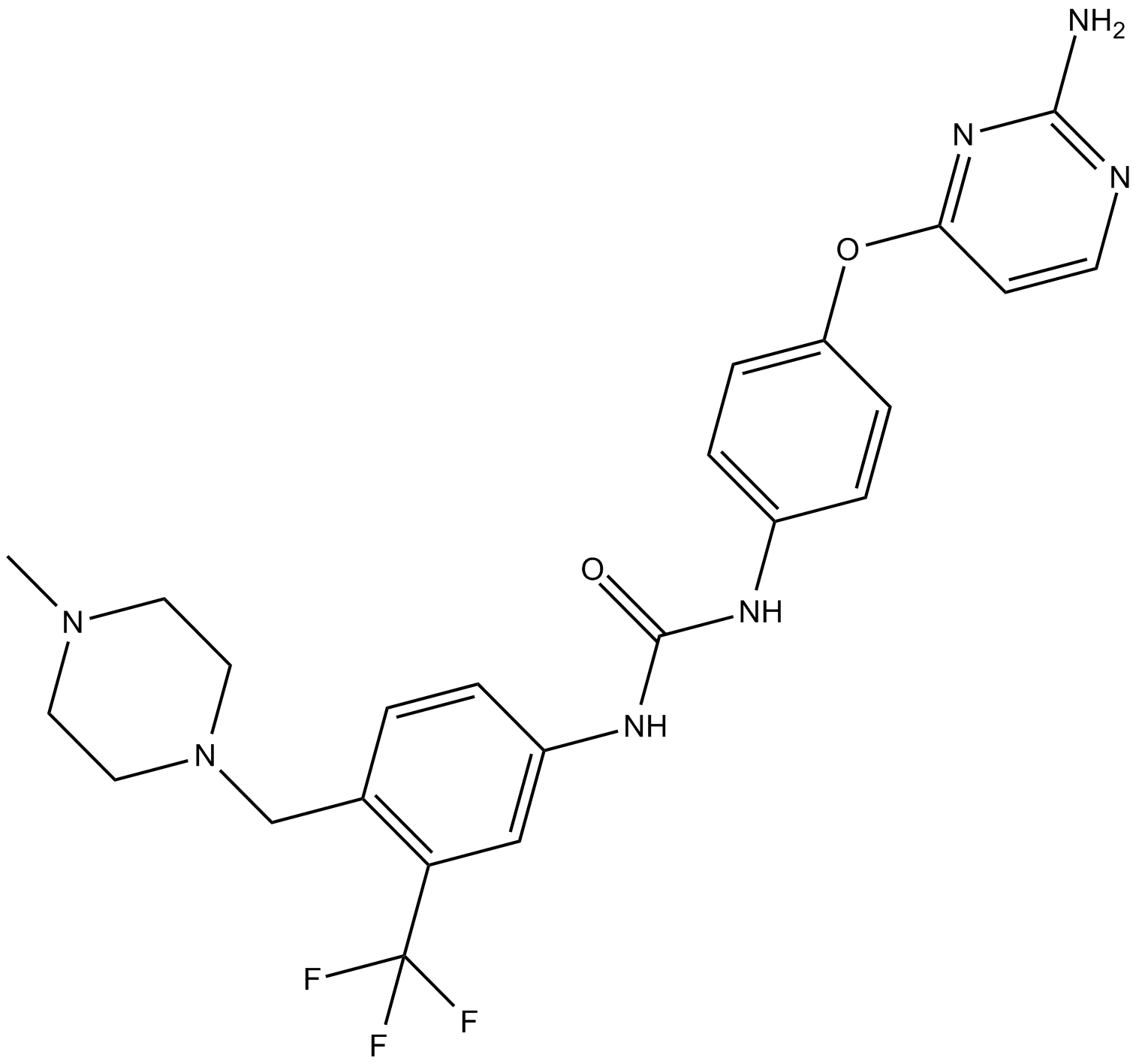 B6042 K03861Summary: CDK2 inhibitor